


AC Tune-Up in West Park, FL

A professional AC tune-up for West Park, FL
A professional AC tune-up for West Park, FL, detailing the full inspection, cleaning, and adjustment steps to restore factory-level performance. It covers why seasonal maintenance matters in humid conditions, what technicians check and adjust, typical problems found, and the diagnostic workflow used to identify immediate issues and predict future failures. It also provides expected duration (approximately 45–90 minutes), cost considerations, energy-saving benefits, scheduling guidance, and maintenance tips to maximize system reliability. User-friendly explanations and actionable recommendations help homeowners plan ahead.
AC Tune-Up in West Park, FL
Keeping your air conditioning running reliably and efficiently is essential in West Park, FL. With long, hot, humid summers and frequent heavy use, a seasonal AC tune-up prevents unexpected breakdowns, lowers energy bills, and keeps indoor comfort consistent. What a professional tune-up includes, common issues found in West Park homes, expected duration, factors that affect cost, and the measurable performance improvements you can expect.
Why a seasonal AC tune-up matters in West Park, FL
West Park homes experience high humidity, year-round cooling demand, and occasional salt-laden air that speeds corrosion on outdoor components. These local conditions make preventive maintenance more important than in milder climates. Regular tune-ups:
- Reduce the risk of mid-summer failures during peak demand
- Prevent moisture-related problems like coil mold and clogged condensate drains
- Improve efficiency so units use less energy despite heavy run times
- Extend equipment life by reducing wear on motors, compressors, and controls
What an AC tune-up includes
A complete seasonal tune-up is a systematic inspection, cleaning, and adjustment of major components to restore factory-level performance. Typical tasks performed during a tune-up include:
- Visual safety inspection of the outdoor unit, indoor coil, duct access, and electrical cabinet
- Cleaning condenser and evaporator coils to restore heat transfer and prevent icing or short cycling
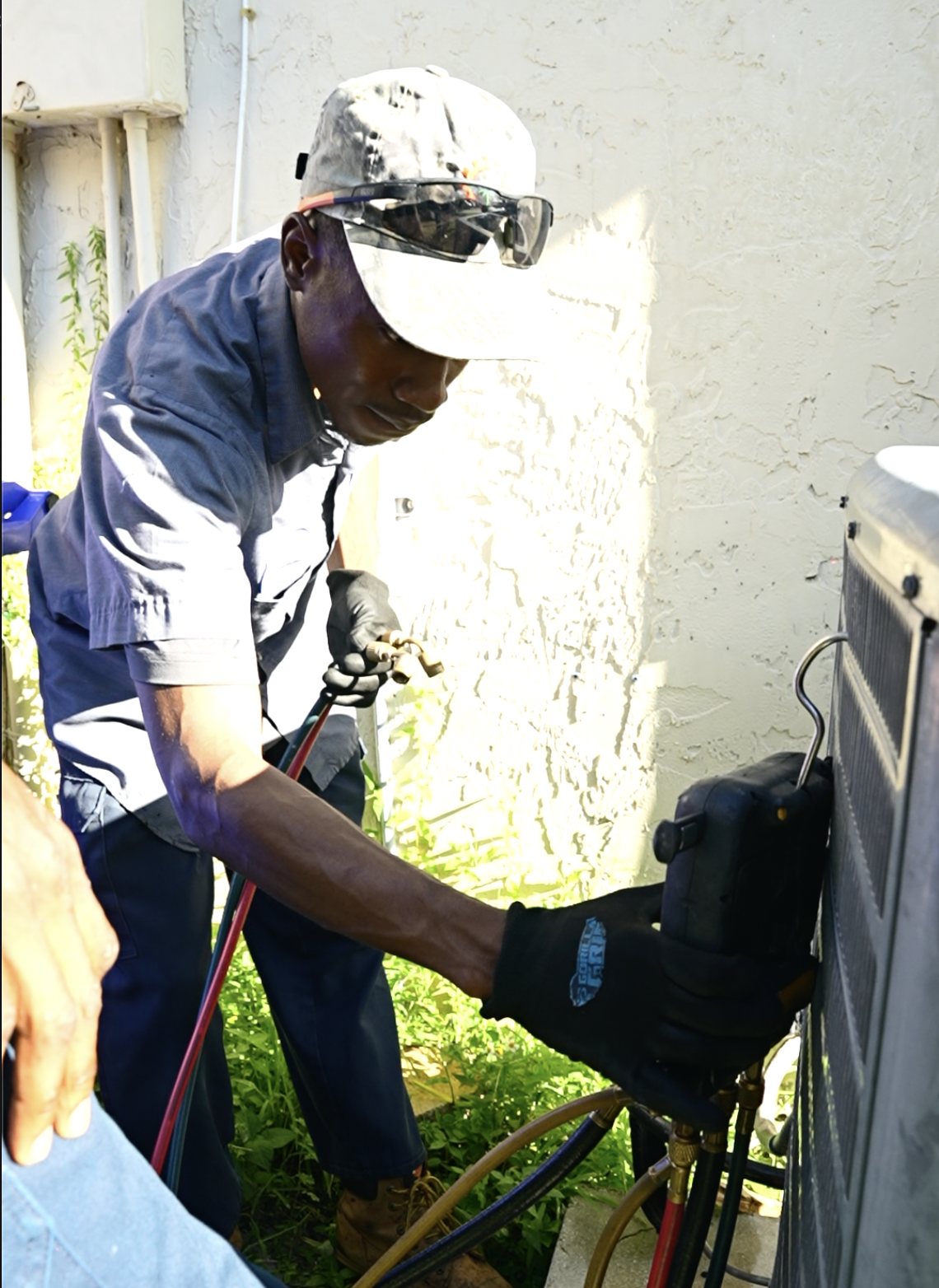
- Checking refrigerant pressures and system operating temperatures to identify leaks or undercharge
- Tightening and inspecting electrical connections, capacitors, and contactors to prevent failures and unsafe conditions
- Calibrating the thermostat and verifying proper temperature differential across the evaporator coil
- Lubrication of motors and fan bearings where applicable
- Airflow checks including filter inspection, blower motor operation, and static pressure diagnostics when necessary
- Condensate drain inspection and clearing to prevent water damage and microbial growth
- Measuring voltage and current to detect stressed components before they fail
- Documenting findings and recommended repairs so homeowners know what was corrected and what may need attention later
Common AC problems found during tune-ups in West Park
- Dirty coils and plugged filters from constant use in humid conditions
- Restricted condensate drains leading to overflow or water damage
- Low refrigerant due to slow leaks, indicated by off-design pressure readings
- Corroded outdoor fins and electrical terminals from coastal humidity and salt
- Worn capacitors and contactors failing to start compressors under load
- Poor thermostat calibration causing uneven comfort and overshort cycling
Diagnostic process and how technicians work
Technicians follow a step-by-step diagnostic workflow:
- Perform a safety walkaround and power-off inspection.
- Start the system and collect baseline readings: supply/return temperatures, refrigerant pressures, and electrical measurements.
- Clean coils and replace or inspect filters.
- Adjust controls and measure airflow and temperature split to verify cooling performance.
- Identify and log any parts that are out of tolerance or show imminent failure.
- Provide a clear summary of corrective actions performed and items that may need future repair.
This process is designed to find both immediate issues and trends that predict future failures so you can avoid emergency service calls in the hottest months.
Typical duration and factors affecting time
Most standard residential AC tune-ups in West Park take about 45 to 90 minutes per system. Factors that can extend the duration:
- Age and condition of the unit (older systems need more inspection and cleaning)
- Size and complexity of the system (multi-zone or commercial systems take longer)
- Access limitations (units in tight spaces, rooftops, or with obstructed airflow)
- Extent of contamination (severely dirty coils and duct issues require more time)
- Additional diagnostic testing requested (static pressure testing, refrigerant leak tracing)
Pricing considerations (what influences cost)
Costs vary based on system size, access, and whether repairs or refrigerant are needed. Key cost drivers include:
- Age and model of the equipment
- Whether refrigerant recharge or leak repair is required
- Replacement of failed electrical parts like capacitors or contactors
- Need for coil restoration or duct repairs
Rather than a one-size-fits-all price, tune-up pricing typically reflects the work required to return the system to reliable, efficient operation.
Performance improvements and energy savings you can expect
A properly performed tune-up restores system efficiency and reduces operating costs. Typical results include:
- Improved energy efficiency: homeowners commonly see a 10 to 20 percent improvement in cooling efficiency after cleaning coils, restoring airflow, and correcting refrigerant charge
- Better comfort: more consistent indoor temperatures and humidity control due to correct airflow and thermostat calibration
- Fewer emergency repairs: early detection of worn components reduces mid-season failures
- Extended equipment life: routine maintenance can add several years to a system’s useful life by preventing overload and excessive wear
Exact savings depend on the starting condition of the equipment, how often it’s used, and local electricity rates.
Recommended scheduling to avoid peak-season breakdowns
In West Park the best approach is proactive scheduling:
- Annual minimum: at least one tune-up per year, preferably in early spring before the hottest months begin
- Biannual for heavy use: consider spring and fall tune-ups if the system runs year-round or for homes with high indoor humidity
- Pre-storm check: schedule inspections before the summer storm and hurricane season to secure outdoor units and clear drains
Scheduling maintenance before peak cooling demand reduces wait times for service and lowers the chance of breakdowns when outdoor temperatures are highest.
Maintenance tips between professional tune-ups
- Change or clean air filters monthly during heavy use
- Keep the outdoor unit clear of debris, vegetation, and clutter for at least 2 feet around it
- Set thermostats sensibly and avoid rapid temperature swings that force extra run cycles
- Note unusual noises, higher-than-normal energy bills, or uneven cooling and have them inspected promptly


Hear what our satisfied
clients have to say

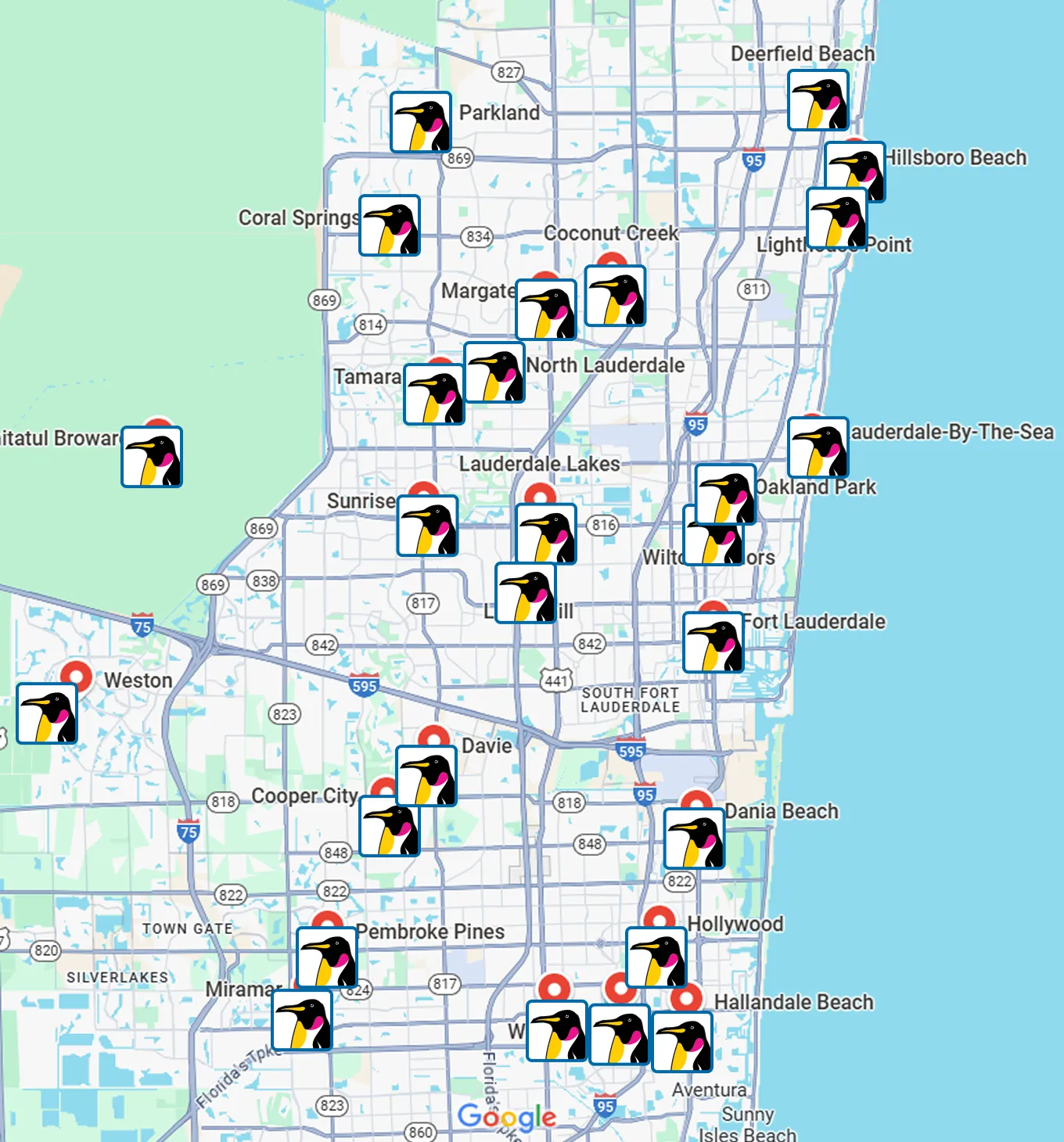
SERVICE AREAS