


HVAC Company in Tamarac, FL

Koolflow Air provides full-service HVAC solutions tailored to Tamarac, FL homes and businesses. In a region where extended heat, high humidity, and seasonal storms create constant demand on cooling and heating equipment, reliable HVAC service is essential to comfort, health, and safety. The scope of services offered, common HVAC problems seen in Tamarac, the diagnostic and repair process, preventative maintenance options, indoor air quality solutions, financing and warranty details, and what homeowners and property managers can expect from a professional service visit. The goal is to help decision-makers in Tamarac make informed choices about installation, repair, and long-term system care.

HVAC Company in Tamarac, FL
Koolflow Air provides full-service HVAC solutions tailored to Tamarac, FL homes and businesses. In a region where extended heat, high humidity, and seasonal storms create constant demand on cooling and heating equipment, reliable HVAC service is essential to comfort, health, and safety. The scope of services offered, common HVAC problems seen in Tamarac, the diagnostic and repair process, preventative maintenance options, indoor air quality solutions, financing and warranty details, and what homeowners and property managers can expect from a professional service visit. The goal is to help decision-makers in Tamarac make informed choices about installation, repair, and long-term system care.
Why professional HVAC service matters in Tamarac, FL
- Tamarac experiences long cooling seasons, high relative humidity, and salt-laden air from the nearby coast. These conditions accelerate wear on compressors, coils, and outdoor components.
- Frequent use of air conditioning increases the risk of breakdown during peak demand days. Timely maintenance reduces the likelihood of mid-summer failures.
- Hurricane and storm seasons require systems that are secured, properly sized, and regularly inspected to maintain performance after power disruptions or debris damage.
- Indoor air quality is a top concern in humid climates because moisture can encourage mold growth and allergens. An HVAC provider that understands these local factors can recommend solutions that improve comfort and health year-round.
Core HVAC services offered
- Air conditioning installation and replacement: Full needs assessment, load calculation, equipment selection, high-efficiency and variable-speed system options, ductwork evaluation and modification, and professional installation with commissioning.
- Air conditioning repair: Diagnostics and repairs for compressors, fan motors, capacitors, refrigerant leaks, control boards, condenser and evaporator coils, and thermostat calibration.
- Heating system service: Inspection, tune-up, and repair of heat pumps and gas/electric heating systems used in transitional seasons or in properties with whole-home heat requirements.
- Refrigeration services: Commercial refrigeration installation, preventive service, and emergency repairs for walk-in coolers, display cases, and restaurant equipment.
- Preventative maintenance plans: Scheduled tune-ups, coil cleaning, refrigerant checks, filter replacement guidance, and priority scheduling to prolong equipment life and sustain efficiency.
- 24/7 emergency response: Rapid dispatch for after-hours failures, with experience diagnosing and stabilizing systems to reduce downtime and prevent property damage.
- Indoor air quality solutions: Whole-home dehumidification, HEPA and MERV filtration upgrades, UV germicidal light installation, and ventilation balancing to reduce allergens, mold risk, and odors.
- Warranty support and documentation: Assistance with manufacturer warranty registration, service records for claim support, and clear descriptions of coverage for parts and labor.
Common HVAC problems in Tamarac homes and why they occur
- Insufficient cooling on hot, humid days: Often caused by low refrigerant, dirty coils, failing compressors, or undersized equipment for the home. In humid climates the system must remove both heat and moisture; anything that reduces airflow or refrigerant charge impairs dehumidification.
- Short cycling and frequent thermostat cycling: Can be caused by incorrect sizing, thermostat issues, refrigerant restriction, or control board faults. Short cycling increases wear and energy costs.
- Frozen evaporator coils: Reduced airflow from dirty filters or ductwork and low refrigerant can cause coils to freeze, which further reduces cooling capacity.
- Corrosion and electrical failures on outdoor units: Salt and humidity accelerate corrosion on coils, contactors, and electrical connections, leading to shorts, poor grounding, and component failure.
- Uneven cooling between rooms: Duct leakage, improper airflow balancing, closed vents, or failing blower motors can cause hot and cold spots.
- Excessive energy bills: Aging systems, dirty components, and poor insulation or duct leakage make air conditioners work harder, increasing operating costs.
- Odors and humidity-related mold: Poor ventilation, clogged drip pans, and high indoor humidity lead to musty smells and microbial growth on coils and ducts.
How Koolflow Air diagnoses problems
- Comprehensive initial assessment: Technician reviews system history, recent service records, and homeowner observations to form an initial hypothesis.
- Visual and measurable inspection: Examination of outdoor and indoor units, ductwork, refrigerant lines, electrical connections, drain lines, air filters, and thermostats.
- Performance measurements: Temperature splits, static pressure, amp draw, refrigerant pressures, and airflow readings are taken to identify inefficiencies and failing components.
- Root cause analysis: Technicians prioritize root causes over band-aid fixes, identifying whether issues stem from mechanical failure, installation problems, system mismatch, or maintenance neglect.
- Transparent reporting: Findings are explained in plain language, with options for repair, replacement, and cost implications. The emphasis is on solutions that restore performance and prevent immediate repeat failures.
Installation and replacement explained
- Right-sizing and load calculation: Proper sizing begins with a Manual J load calculation that considers home orientation, insulation, window type, occupancy, and local climate. Oversizing leads to short cycling; undersizing results in inadequate comfort.
- Equipment selection: Options include high-efficiency split systems, heat pumps optimized for South Florida climate, variable-speed compressors and fans, and ductless mini-split systems for additions or rooms without ductwork.
- Ductwork and airflow: Duct inspection and repairs are part of a responsible installation. Sealing, insulation, and balancing ensure efficient delivery of conditioned air and even temperature distribution.
- Code compliance and permitting: Installations meet local building codes, include proper refrigerant handling and recovery, and are completed with the required safety features and electrical work.
- Commissioning and customer orientation: After installation, systems are commissioned and settings optimized. Homeowners are shown how to set thermostats, change filters, and what to expect in initial operation.
Repair process and parts reliability
- Prioritized safety checks: High-voltage components, gas connections, and condensate drainage are checked first to remove immediate hazards.
- Diagnostic-driven repairs: Repairs target the diagnosed root cause, whether a failed motor, leaking refrigerant line, or defective control board.
- Genuine parts and quality materials: Use of manufacturer-approved parts and proven components reduces the risk of repeat failures. When retrofit parts are necessary, compatibility is verified.
- Documentation for warranties: Service records and parts information are captured to support manufacturer and service warranties.
- Long-term reliability focus: Technicians recommend corrective actions that reduce future breakdowns, such as coil cleaning, condensate treatments, and electrical upgrades.
Preventative maintenance plans for extended equipment life
- Typical maintenance tasks included:
- Filter inspection and replacement or guidance on frequency using MERV/HEPA recommendations.
- Condenser and evaporator coil cleaning to restore heat transfer efficiency.
- Refrigerant level checks and leak detection to maintain performance.
- Electrical connection tightening and component testing to prevent shorts.
- Fan and motor lubrication where applicable and inspection of belts and pulleys.
- Drain line cleaning and pan treatment to prevent overflows and microbial growth.
- Thermostat calibration and system performance evaluation.
- Benefits of regular maintenance:
- Reduced operating costs through improved efficiency.
- Fewer emergency repairs due to early detection of wear.
- Extended equipment life and preserved manufacturer warranties.
- Better indoor air quality and improved humidity control.
- Priority service and seasonal checkups: Maintenance plans often provide prioritized scheduling during high-demand months to reduce wait times for tune-ups or repairs.
24/7 emergency response and rapid service calls
- Around-the-clock availability for urgent failures: Power surges, compressor lockup, refrigerant loss, and total system failure often occur outside business hours. Rapid response minimizes discomfort and potential property damage.
- Triage and temporary stabilization: On emergency calls the technician stabilizes the system to restore service while evaluating whether temporary repairs or full replacement are necessary.
- Local familiarity speeds response: Technicians familiar with Tamarac neighborhoods and common regional issues can diagnose and resolve problems efficiently.
Financing options and warranty information
- Financing options explained: For larger repairs and replacement projects, financing can spread costs over time. Available plan structures and approval criteria are reviewed without pressure so homeowners can make an informed choice consistent with their budget.
- Warranty handling: New equipment installations typically include manufacturer parts and compressor warranties. Service work often includes labor warranties for a specified period. Properly documented maintenance helps preserve warranty coverage.
- Transparent cost-benefit analysis: When replacement is recommended, the economic case is presented with projected energy savings, maintenance costs, and estimated system lifespan for different equipment tiers.
Indoor air quality solutions for humid Florida homes
- Dehumidification and whole-house moisture control: Dedicated dehumidifiers or modified HVAC strategies reduce relative humidity to comfortable and healthy ranges, reducing mold risk and improving perceived cooling.
- Filtration upgrades: High-efficiency filters, HEPA-compatible systems, and media filters reduce particulates and allergens. Filter selection is balanced against airflow requirements to avoid excessive static pressure.
- UV germicidal lights: Installed near coils to reduce microbial growth on cooling surfaces, improving coil efficiency and reducing odor.
- Ventilation and balanced fresh air: Mechanical ventilation solutions help control CO2 and volatile organic compounds without compromising efficiency.
- Duct cleaning and sanitization: Targeted services when contamination is present—particularly after water intrusion or mold detection.
Licensure, experience, and trust
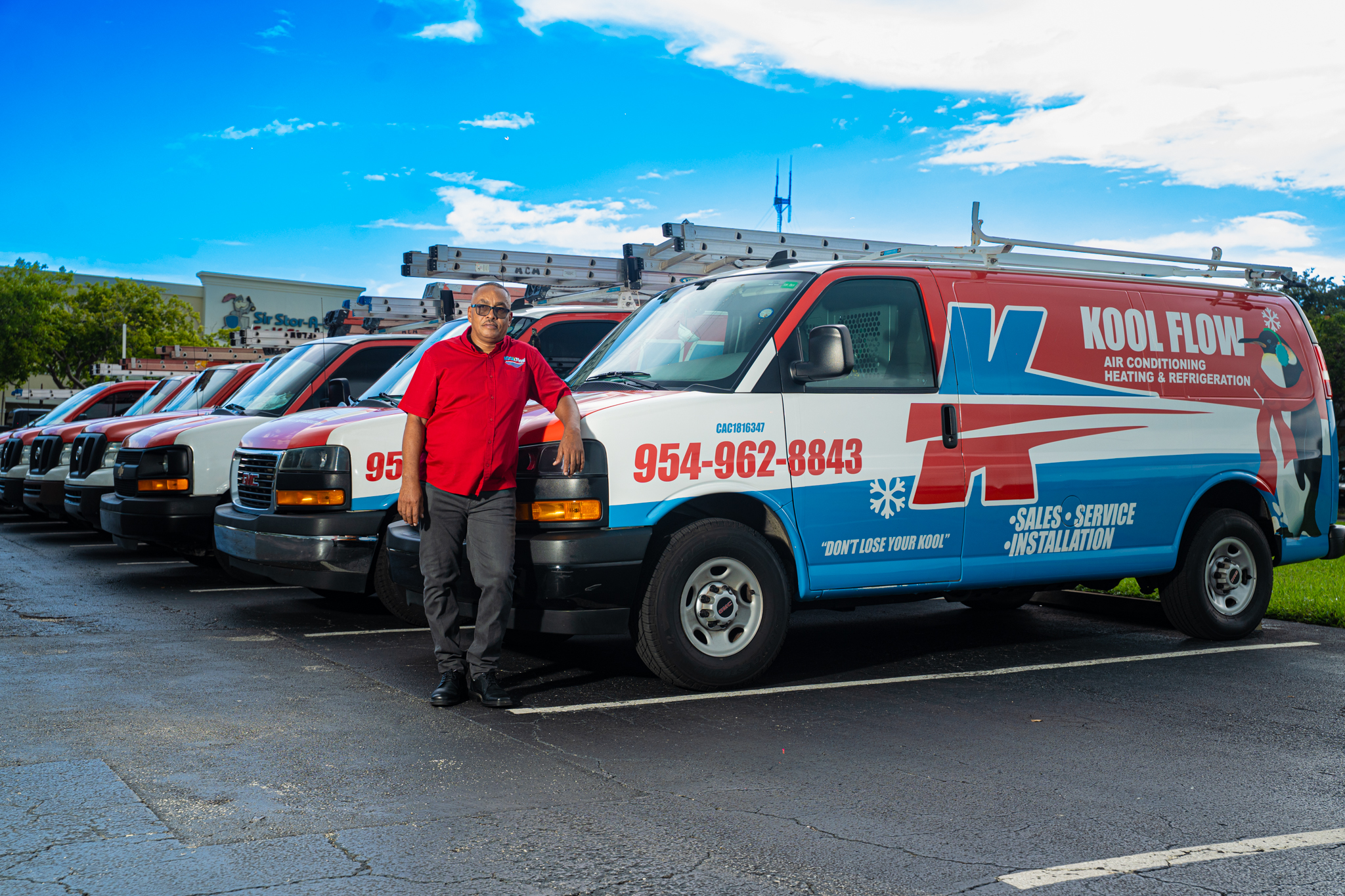
- Licensed and insured technicians: Service personnel maintain local and state-required licenses and follow safe refrigerant handling practices. The license number is maintained on company documentation and service paperwork.
- Family-owned service approach: A family-owned structure often means direct accountability, long-term relationships, and a focus on repeat clients and referrals.
- Decades of combined experience: A deep track record in South Florida conditions translates into effective solutions that consider local weather, building types, and common regional installation pitfalls.
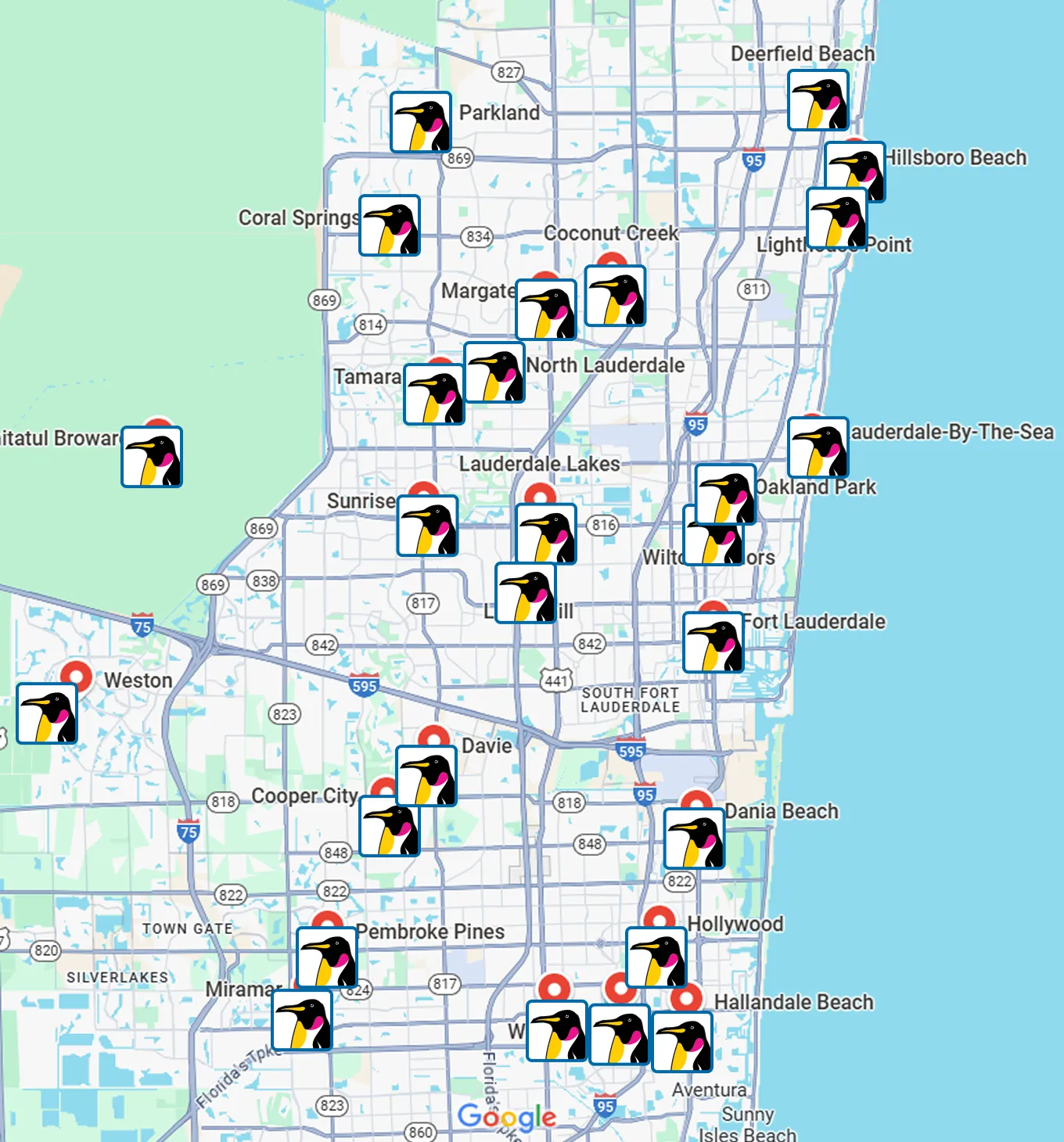
Service area coverage and Tamarac-specific considerations
- Local coverage: Primary focus on Tamarac and surrounding Broward County neighborhoods, with technicians experienced in the specific needs of single-family homes, townhomes, condominiums, and light commercial properties in the area.
- Climate-driven recommendations for Tamarac properties:
- Pre-summer inspections to ensure systems handle long cooling seasons.
- Hurricane-season preparations, including securing outdoor units and checking condensate drainage and power protection devices.
- Salt-exposure mitigation in coastal-adjacent properties by recommending corrosion-resistant components and regular outdoor coil inspections.
- Ductwork checks for homes built in older Tamarac subdivisions where duct leakage and outdated insulation reduce system effectiveness.
What to expect during a service visit
- Timely arrival and identification: Technicians arrive with tools, test equipment, and safety gear appropriate to the job. They conduct a collaborative walkthrough, documenting homeowner concerns.
- Structured diagnostic flow: Initial safety checks, performance measurements, and system-specific testing lead to a clear set of recommended actions.
- Clear explanation of options: Technicians present repair versus replacement options with pros and cons, expected life spans, and energy performance impacts stated in plain language.
- Worksite protection and cleanup: Protective mats, shoe covers, and a commitment to leaving the work area clean and functioning after service.
- Post-service documentation: Written summaries of work performed, parts used, and maintenance recommendations are provided for the homeowner’s records.
Maintenance tips every Tamarac homeowner should follow
- Replace or inspect filters monthly during heavy use months. Using the right filter rating helps maintain airflow and filtration without stressing the blower.
- Keep outdoor units clear of vegetation and debris to maintain airflow and reduce corrosion. Trim plants so that at least two feet of clearance is maintained on all sides.
- Schedule seasonal inspections: Late spring inspection before peak cooling demand and a fall check to ready systems through transitional periods.
- Watch for early warning signs: Unusual noises, reduced airflow, higher energy bills, and odors are early indicators that service is needed.
- Address humidity promptly: If indoor humidity remains high despite running the AC, request a humidity assessment to prevent mold growth.
FAQs
Q: How quickly can a technician respond to an emergency HVAC call in Tamarac?
A: Response times vary by workload and time of day, but emergency protocols prioritize rapid dispatch to stabilize systems and restore service quickly. Local availability and proximity to Tamarac neighborhoods enable faster service than non-local providers.
Q: What factors determine whether I should repair or replace my air conditioner?
A: Decision factors include the system age, repair cost versus replacement cost, energy efficiency of current equipment, frequency of recent repairs, refrigerant type, and whether the system meets your home comfort needs. A technician will provide a cost comparison and projected operating savings for replacement options.
Q: Are financing options available for replacement systems?
A: Financing is available for larger installations and certain repairs to spread costs over time. Details on term lengths, qualification criteria, and available plans are reviewed with customers so they can choose the best option for their budget.
Q: How often should I schedule professional maintenance in Tamarac?
A: For homes with high seasonal use, professional maintenance is recommended at least twice a year: a pre-summer cooling tune-up and a fall inspection. Properties with heavy commercial refrigeration or older systems may need more frequent attention.
Q: Will upgrading my filter reduce my energy bills?
A: Higher-efficiency filters remove more particulates but can increase airflow resistance if the filter rating is too restrictive for the system. Proper selection and regular replacement balance improved air quality with energy performance. A technician can recommend compatible filter types.
Q: What indoor air quality upgrades are most effective in humid climates like Tamarac?
A: Whole-house dehumidifiers, ultraviolet coil treatments, properly balanced ventilation, and filtration upgrades are particularly effective in humid climates for reducing mold risk and improving comfort.
Q: Does regular maintenance preserve manufacturer warranties?
A: Many manufacturer warranties require routine maintenance to remain valid. Keeping documented service records and following scheduled maintenance helps preserve warranty coverage and eases claims processing.
Q: Are technicians licensed and insured?
A: Technicians are licensed to operate in Florida and follow refrigerant handling and electrical safety regulations. Insured coverage is maintained to protect homeowners and technicians during service activities.

Hear what our satisfied
clients have to say

SERVICE AREAS