


Heating Tune-Up in West Park, FL

Heating Tune-Up in West Park, FL
A seasonal heating tune-up protects your comfort and your budget. In West Park, FL, heating systems are used intermittently through the cooler months, and most homes and businesses rely on heat pumps or packaged HVAC units rather than long-run gas furnaces. A professional heating tune-up done before the heating season ensures reliable operation when you need it, improves efficiency, eliminates safety risks, and prevents the kind of mid-winter failures that lead to costly emergency repairs.
Why a heating tune-up matters in West Park, FL
West Park's subtropical climate means heating runs are shorter but still important. High humidity, salty coastal air, and the frequent cycling of systems place unique stresses on components. Left unchecked, dirt, corrosion, and minor faults can reduce comfort, increase energy use, and shorten equipment life. A tune-up addresses both performance and safety so your system is ready for cooler nights and early mornings without surprises.
Common heating issues in West Park homes and businesses
- Weak or inconsistent heat output from heat pumps during brief cold snaps
- Short cycling caused by clogged filters, dirty coils, or incorrect refrigerant charge
- Frosting or defrost problems on outdoor heat pump units after fluctuating temperatures
- Reduced airflow from obstructed ducts, dirty blower wheels, or failing motors
- Electrical wear and corroded connections from humid, salty air
- Increased carbon monoxide risk and inefficient combustion in systems that use gas
What a professional heating tune-up includes
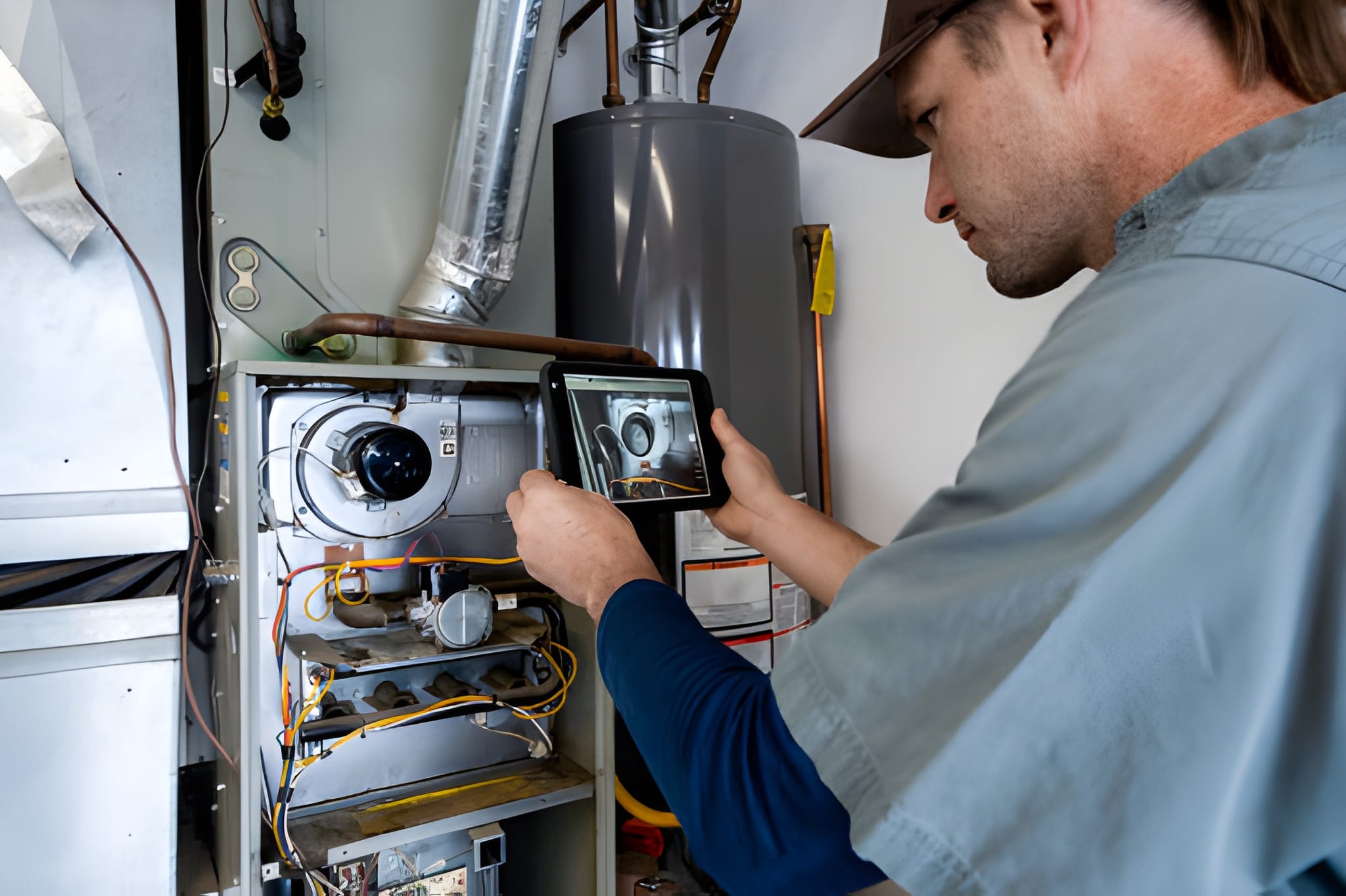
A thorough, seasonal tune-up follows a structured inspection and servicing process that covers safety, performance, and efficiency. Typical steps technicians perform during a heating tune-up include:
Pre-inspection and system history review
- Check past service records and identify any recurring issues or parts previously replaced.
Visual and safety inspection
- Examine outdoor unit, indoor cabinet, access panels, and visible ductwork for corrosion, pest damage, or debris.
- Inspect flue and venting on gas systems and check combustion chamber for cracks or soot.
Replace or clean air filters and access points
- Clean or replace filters, and clear return grills to restore proper airflow.
Electrical checks and lubrication
- Tighten electrical connections, verify voltage and amperage on motors and compressors, and lubricate bearings where applicable.
Combustion and CO testing (for gas-fired systems)
- Measure combustion efficiency and carbon monoxide levels to ensure safe operation.
Refrigerant and heat transfer checks (for heat pumps)
- Verify refrigerant charge, inspect coils for dirt or corrosion, and measure subcooling and superheat where needed.
Airflow measurement and blower adjustment
- Measure supply and return airflow and adjust blower speed or fan settings to achieve balanced performance.
Thermostat calibration and controls verification
- Calibrate thermostat, test sensors, and verify correct operation of safety and control switches.
Defrost cycle and reversing valve test (heat pumps)
- Confirm proper defrost function and that the reversing valve shifts correctly between heating and cooling modes.
- Condensate and drain inspection
- Clear drains and check pump operation to prevent water damage and microbial growth.
- Final performance check and report
- Run system to confirm steady operation, note improvements, and provide a maintenance checklist and recommendations.
Detailed checklist of items covered
- Filter replacement or cleaning
- Indoor coil and blower wheel inspection/cleaning
- Outdoor coil and cabinet cleaning
- Refrigerant level check and leak inspection
- Electrical connections, capacitors, contactors, relays, and fuses
- Motor amperage and fan operation
- Thermostat calibration and sensor checks
- Defrost control, reversing valve, and reversing operation (heat pumps)
- Safety controls, limit switches, and high/low pressure cuts
- Combustion analysis and CO testing for gas units
- Heat exchanger inspection for cracks or corrosion (if applicable)
- Ductwork visual inspection for disconnected or leaky joints
- Condensate lines, pans, and pumps cleaned and verified
Expected performance improvements after a tune-up
- More consistent indoor temperatures and improved comfort during cooler periods
- Increased energy efficiency that can lower monthly utility usage by reducing run time and avoiding short cycling
- Quieter operation as motors and fans are cleaned and balanced
- Faster recovery from temperature setbacks when the system starts up
- Improved indoor air quality through cleaner filters and coils
- Reduced risk of unexpected failures and fewer emergency service calls
How tune-ups prevent costly failures
Regular tune-ups catch small problems before they escalate. For example, a failing capacitor or a dirty coil may cause a compressor to overwork and fail — a repair that can cost significantly more than routine maintenance. Corrosion or a slow refrigerant leak detected early prevents system strain and eventual breakdown. Combustion and CO testing protect against dangerous leaks that can require immediate shutdowns and expensive repairs. Overall, proactive maintenance preserves warranty coverage, extends equipment life, and spreads equipment expenses over time rather than forcing large, unplanned replacements.
Recommended frequency for West Park properties
- Heat pumps and split systems: At least once annually for general maintenance, with two checks per year preferred in South Florida — one in the spring (cooling tune-up) and one in the fall (heating tune-up). This accounts for year-round use and seasonal transitions.
- Gas furnaces or packaged gas units: Annual heating tune-up before the brief heating season.
- Commercial systems with heavy use: Quarterly or semi-annual inspections depending on building occupancy and load.


Hear what our satisfied
clients have to say

SERVICE AREAS