


AC Installation in Broward County, FL

AC installation in Broward County, Florida, is presented as a comprehensive, safety-focused workflow for residential, commercial, and industrial projects. The guide covers on-site assessment, precise load calculations, and correct unit sizing to ensure humidity control and energy efficiency. It details energy-saving equipment options, ductwork design, and professional installation steps, followed by thorough commissioning and performance testing. Post-installation support, warranties, and maintenance plans are emphasized to sustain reliability, cope with coastal conditions, and maximize long-term value for Broward properties.
AC Installation in Broward County, FL
Every Broward County property faces the same baseline challenge: a long, hot, humid cooling season and occasional severe weather that put heavy demands on air conditioning systems. A properly scoped and executed AC installation not only keeps indoor temperatures comfortable but reduces energy bills, limits humidity-related problems, and protects equipment from coastal corrosion and storm stresses. s the full AC installation workflow for residential, commercial, and industrial projects in Broward County, FL — from on-site assessment and correct unit sizing to commissioning, testing, and ongoing support.
Common AC installation projects in Broward County
- Residential replacements and new-home installations (central split systems, heat pumps)
- Multifamily and apartment building installations and upfits
- Rooftop packaged units for retail, restaurants, and offices
- Commercial split systems and variable refrigerant flow (VRF) systems for hotels and schools
- Large-scale HVAC systems, chillers, and ducted solutions for industrial and institutional facilities
Each project type has different priorities in Broward County: residential comfort and humidity control, commercial reliability and code compliance, and large systems’ efficiency and ease of maintenance.
On-site assessment and proper unit sizing
A successful install starts with an on-site assessment that considers:
- Building orientation, glazing and solar gain
- Insulation levels, attic conditions, and envelope air leakage
- Occupancy, internal heat gains (appliances, equipment), and operating schedules
- Existing ductwork condition and layout
- Local environmental factors (humidity, salt air exposure, hurricane risk)
Accurate load calculations (often called Manual J for homes and similar methods for commercial projects) determine the correct capacity and equipment features. Proper sizing matters because an oversized unit will short-cycle and not dehumidify effectively, while an undersized unit will run continuously and struggle to maintain comfort. In Broward County, where humidity control is crucial, correct sizing and design are essential to avoid mold, musty odors, and inefficient operation.
Energy-efficient equipment recommendations
Choosing the right equipment has a direct impact on monthly costs and long-term comfort:
- High-efficiency compressors and inverter-driven systems provide better part-load performance and quieter operation.
- Variable-speed air handlers and compressors improve humidity control, which is especially important in Broward County’s climate.
- Corrosion-resistant coatings and coastal-rated components help systems last longer near the intracoastal and Atlantic coast.
- Smart thermostats and zoning can reduce wasted cooling when spaces are unoccupied.
- Look for systems with strong manufacturer warranties and compatibility with low-GWP refrigerants where applicable.
Selecting equipment that balances initial cost with lifecycle efficiency and local climate resilience is a central part of the recommendation process.
Ductwork design and modifications
Ductwork is often the hidden source of poor performance. For Broward County properties, installers check for:
- Duct leakage and disconnected runs that waste cooled air
- Inadequately insulated ducts in attics leading to thermal gain
- Improper return placement causing pressure imbalances
- Mold or moisture damage from high indoor humidity or poor condensate drainage
Common duct solutions include sealing and insulating existing ducts, redesigning layouts for balanced air delivery, replacing undersized or damaged sections, and installing proper condensate traps and drains. For commercial rooftops, curb adaptation and rooftop curb flashing are completed to ensure weatherproof, secure installations.
Professional installation steps (what to expect)
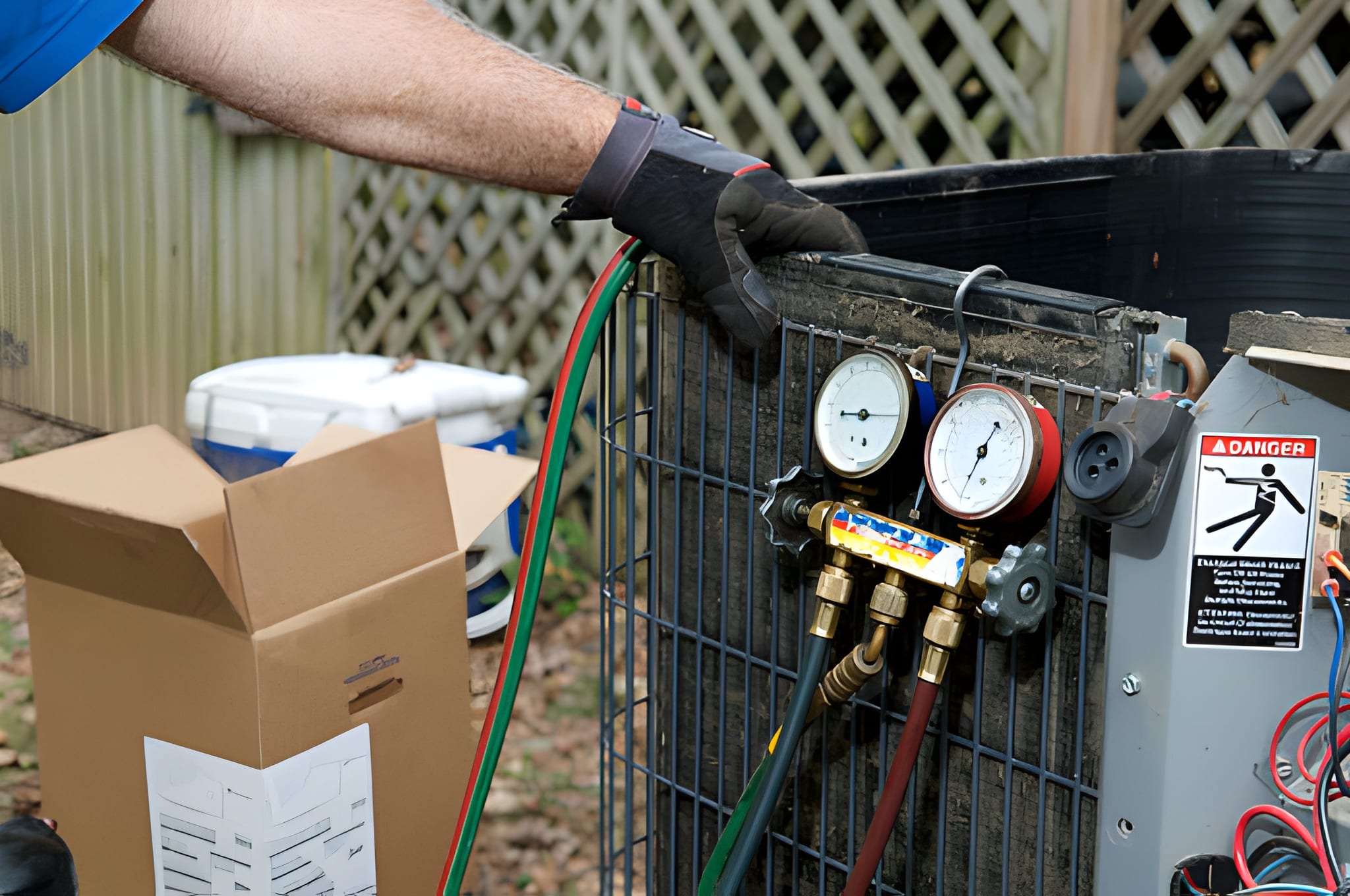
Installations typically follow a standardized, safety-focused sequence:
Each step is documented and performed to meet local code requirements and manufacturer specifications.
Commissioning and performance testing
Thorough commissioning verifies that the system performs under real conditions:
- Measure airflow (CFM) and static pressure across coils and ducts
- Confirm correct refrigerant charge and subcooling/superheat levels
- Verify temperature differential across the evaporator and delivery to living/working spaces
- Check electrical loads, breaker settings, and safety interlocks
- Test condensate disposal and overflow protection
- Validate controls, thermostats, and any zoning operation
- Noise and vibration assessment to ensure occupant comfort
Commissioning produces a performance report and baseline settings so building operators know expected performance and can spot changes during maintenance.
Post-installation support and warranties
Legitimate installations include both manufacturer warranties and workmanship coverage. Typical elements to understand:
- Manufacturer parts and compressor warranties (duration varies by model)
- Installer workmanship warranty covering installation-related defects
- Recommended maintenance schedule: seasonal tune-ups, filter replacement frequency, and annual checks in commercial systems
- Options for planned preventive maintenance for large systems, including belt replacement, coil cleaning, and refrigerant monitoring
- Recommendations for hurricane preparedness (securing outdoor units, checking anchors, and ensuring drainage)
Proactive maintenance extends system life, preserves efficiency, and reduces emergency repairs—critical for high-use properties like hotels, schools, and busy households in Broward County.
Why getting the install right matters in Broward County
A correctly engineered and installed AC system delivers:
- Consistent comfort and reliable humidity control during Broward’s long cooling season
- Lower operating costs through higher efficiency and fewer repairs
- Better indoor air quality and reduced risk of mold in humid conditions
- Longer equipment life when coastal corrosion and storm resilience are considered
- Predictable performance for commercial operations where comfort and uptime are essential
Proper installation is an investment in lower lifetime operating costs and improved occupant comfort. In Broward County’s unique climate and building stock, careful attention to load calculation, equipment selection, ductwork, and commissioning prevents the most common AC performance problems and ensures the system meets both immediate and long-term needs.


Hear what our satisfied
clients have to say

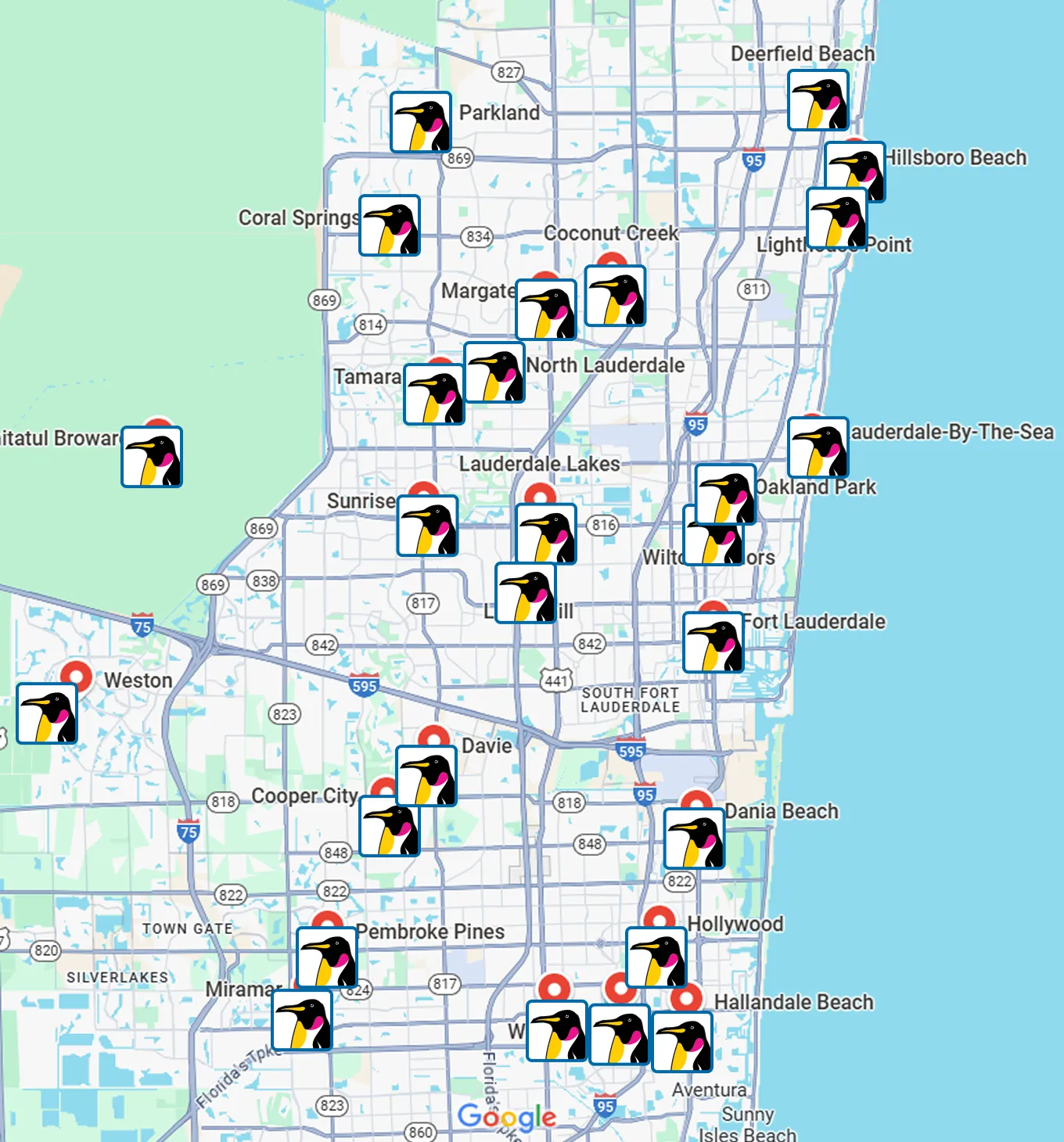
SERVICE AREAS