


AC Installation in Hallandale, FL

AC installation in Hallandale, FL involves careful load calculations, coastal-aware siting, and thorough commissioning to ensure reliable cooling. The process typically begins with a site assessment, load calculation (Manual J), and ductwork review to determine appropriate equipment and duct paths. Installers select matched, corrosion-resistant components, plan wiring and controls, and manage permits. Commissioning tests verify airflow, refrigerant charge, temperature split, and humidity control, followed by post-installation guidance, warranty documentation, and maintenance scheduling to sustain efficiency and comfort.
AC Installation in Hallandale, FL
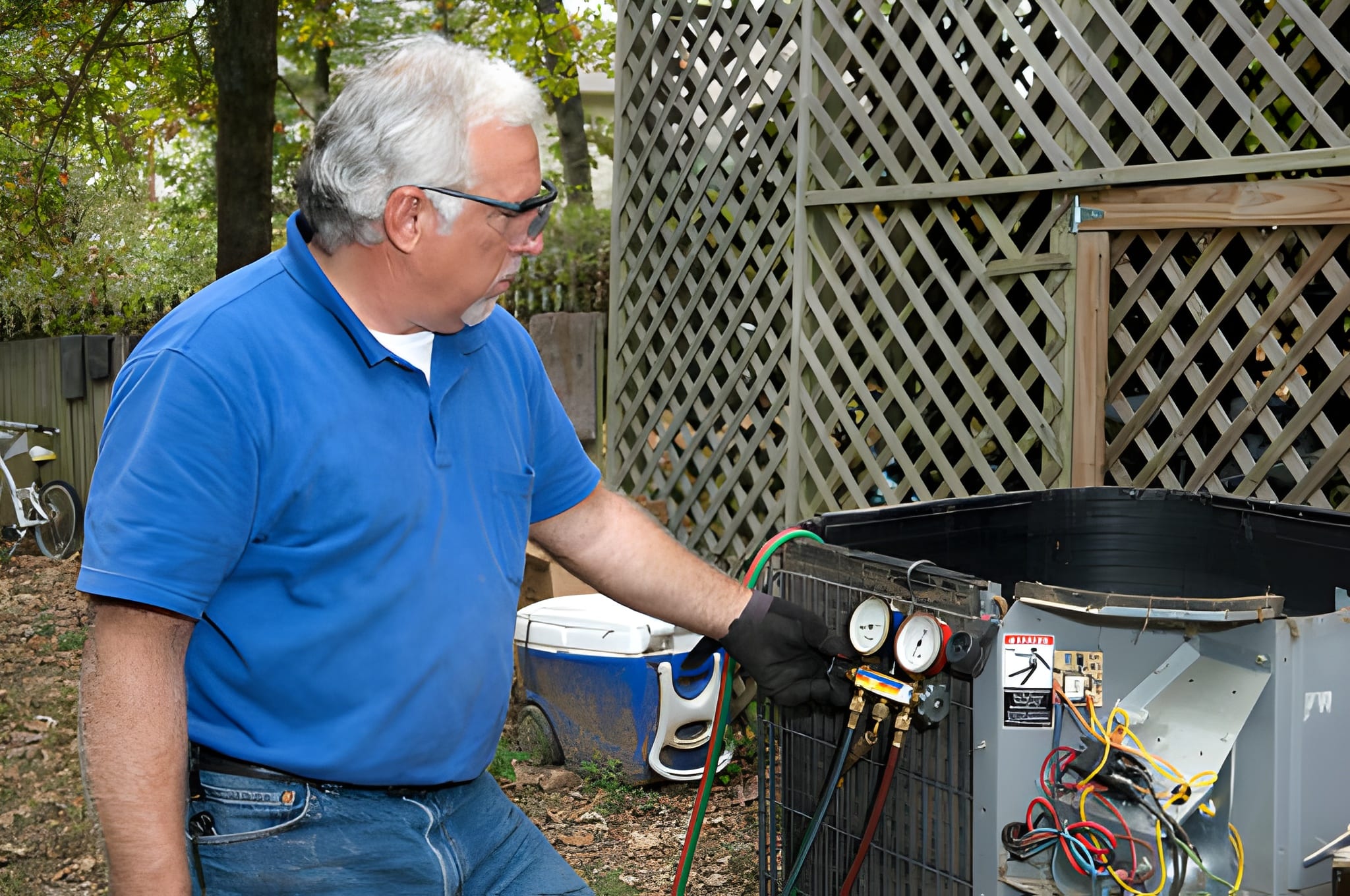
Replacing or installing a new air conditioning system is one of the most important upgrades a Hallandale, FL property can make. Coastal heat, persistent humidity, and salty air increase cooling demand and equipment wear, so a properly sized, professionally installed system delivers better comfort, lower utility bills, and longer equipment life. s how a complete new air conditioning installation in Hallandale, FL is evaluated and performed, what problems usually trigger replacement, and what to expect from site assessment through commissioning and post-installation support.
Why homeowners and businesses in Hallandale replace or install AC
- Age and reliability: Residential systems older than 10 to 15 years often lose efficiency and become costly to repair.
- High energy bills: Rising cooling costs can indicate poor efficiency or incorrect sizing.
- Uneven cooling or humidity problems: Poor airflow, undersized equipment, or duct issues cause hot spots and sticky indoor air in humid South Florida.
- Regulatory and refrigerant changes: Older systems using phased-out refrigerants (R22) prompt replacement.
- New construction or remodels: Commercial spaces, hotels, restaurants, and multi-family units require modern, code-compliant systems designed for occupancy and load.
Common AC installation projects in Hallandale, FL
- New split-system installations for single-family homes and condos.
- Packaged rooftop units or mini-splits for small commercial buildings, retail, and restaurants.
- Full ductwork design and installation for new construction or demo/remodel projects.
- Retrofit projects upgrading compressors, coils, and controls while integrating existing ductwork.
- Multi-zone and zoning system installs for efficiency and targeted comfort in hotels and office buildings.
Initial site assessment and correct unit sizing
A reliable installation begins with a thorough site assessment specific to Hallandale conditions. Key steps:
- Load calculation (Manual J) to determine cooling capacity based on square footage, orientation, insulation, window area, occupancy, and local solar gain. Florida humidity and high outdoor design temperatures are factored to ensure the unit handles latent and sensible loads.
- Ductwork inspection (Manual D) to verify existing system adequacy, locate leaks, and plan any resizing or new duct paths.
- Equipment siting review to select a location for outdoor units that avoids salt spray exposure when possible, allows required clearances, and meets local building and wind-resistance codes. Elevated pads and hurricane straps are often recommended for coastal properties.
- Electrical and structural assessment for service panel capacity, disconnects, and roof or pad mounting requirements.
Correct sizing is critical. Oversized units short-cycle and fail to control humidity; undersized units run continuously and stress components. A precise load calculation ensures efficient humidity removal and energy performance in Hallandale’s climate.
Professional installation steps
Professional installations follow a methodical process to protect performance and longevity:
Commissioning and performance testing
After physical installation, commissioning proves the system delivers design performance:
- Electrical checks: voltage, amp draw, and proper wiring to prevent premature component failure.
- Airflow testing: measure static pressure and CFM at supply and return; balance dampers if necessary.
- Refrigerant verification: test superheat and subcooling values to confirm correct charge.
- Temperature split and humidity control: measure return and supply temperatures and relative humidity to ensure the system removes latent heat as designed.
- Safety and control verification: condensate overflow protection, thermostat calibration, and defrost or defog sequences tested where applicable.
- Documentation: provide equipment model numbers, charge amounts, measured performance figures, and inspection sign-offs required by local authorities and warranties.
Post-installation support and what to expect
Quality installations include post-installation processes that protect your investment:
- Orientation: clear explanation of operation modes, thermostat settings, filter location and replacement intervals, and humidity management tips tailored for Hallandale’s humid climate.
- Warranty and paperwork: manufacturer warranty registration and documentation of installation details needed for future claims.
- Maintenance planning: set expectations for seasonal tune-ups, filter changes, coil cleaning, and refrigerant checks to preserve efficiency and reliability.
- Corrosion and coastal care: recommend anti-corrosion treatments and more frequent inspections of outdoor coils and electrical connections for properties near the beach.
Practical tips for Hallandale residents and business owners
- Aim for systems sized to handle both heat and humidity; a correctly sized system improves comfort and indoor air quality.
- Choose equipment with high SEER ratings and corrosion-resistant features for coastal longevity.
- Seal and insulate ductwork to reduce mold and energy loss in humid conditions.
- Consider zoning or multi-split systems in multi-occupant buildings to avoid unnecessary cooling of unoccupied spaces.
- Schedule professional maintenance before the hottest months to ensure peak performance when cooling demand is highest.
Installing a new air conditioning system in Hallandale, FL requires more than placing equipment; it demands careful load calculations, ductwork planning, coastal-aware siting, and thorough commissioning. When these elements are handled correctly, homeowners and commercial properties benefit from improved comfort, lower energy costs, and a system that stands up to South Florida’s unique environmental challenges.


Hear what our satisfied
clients have to say

SERVICE AREAS