


AC Maintenance in Fort Lauderdale, FL

Keeping your air conditioning system running reliably in Fort Lauderdale requires more than occasional repairs. At Koolflow Air, our AC maintenance in Fort Lauderdale, FL focuses on routine and preventative care designed for South Florida conditions. Regular service reduces unexpected breakdowns during heat waves, guards against salt air corrosion along the coast, preserves indoor air quality in humid months, and helps your system deliver consistent comfort while using less energy.
Why routine AC maintenance matters in Fort Lauderdale
Fort Lauderdale homes and businesses face unique HVAC challenges. High year-round cooling loads, frequent storms, elevated humidity, and corrosive coastal salt air all increase stress on systems. Without systematic upkeep, these conditions accelerate wear on coils, motors, electrical components, and refrigerant lines. Routine maintenance is the practical way to:
- Keep energy use and utility bills from climbing due to dirty coils, clogged filters, or poor airflow.
- Prevent mid-summer failures when demand is highest and repair windows are constrained.
- Protect compressor life and avoid premature replacement costs.
- Maintain indoor air quality through proper filtration and condensate drainage.
- Preserve manufacturer warranties that often require documented professional maintenance.
Koolflow Air structures AC maintenance specifically to address these Fort Lauderdale issues so your system performs reliably when you need it most.
Common AC maintenance issues in Fort Lauderdale
Understanding the problems most likely to affect local systems helps prioritize preventative care. Typical issues we encounter include:
- Clogged or dirty air filters reducing airflow and increasing blower motor stress.
- Dirty outdoor condenser coils coated with salt and airborne particles, impairing heat transfer.
- Refrigerant leaks or incorrect charge leading to reduced cooling capacity and higher compressor loads.
- Corroded electrical connections and contactors due to humidity and salt exposure.
- Blocked condensate drains and pans causing water damage and microbial growth that reduces indoor air quality.
- Worn capacitors and motors that struggle under continuous high-load cycles.
- Improper thermostat calibration or control issues creating short cycling or uneven cooling.
- Deteriorated insulation on refrigerant lines and exposed components suffering accelerated corrosion.
Each of these can be detected and addressed during a professional maintenance visit before they trigger major repairs.
Diagnostic and performance testing explained in plain terms
When we say an AC is “tested,” we perform simple, measurable checks that reveal how well the system cools and where stress points exist. Here is what the diagnostics look like in practical terms:
- Temperature split: We measure the temperature of the air entering the evaporator and the air leaving the supply vent. A healthy system shows a consistent temperature drop, confirming adequate cooling and airflow.
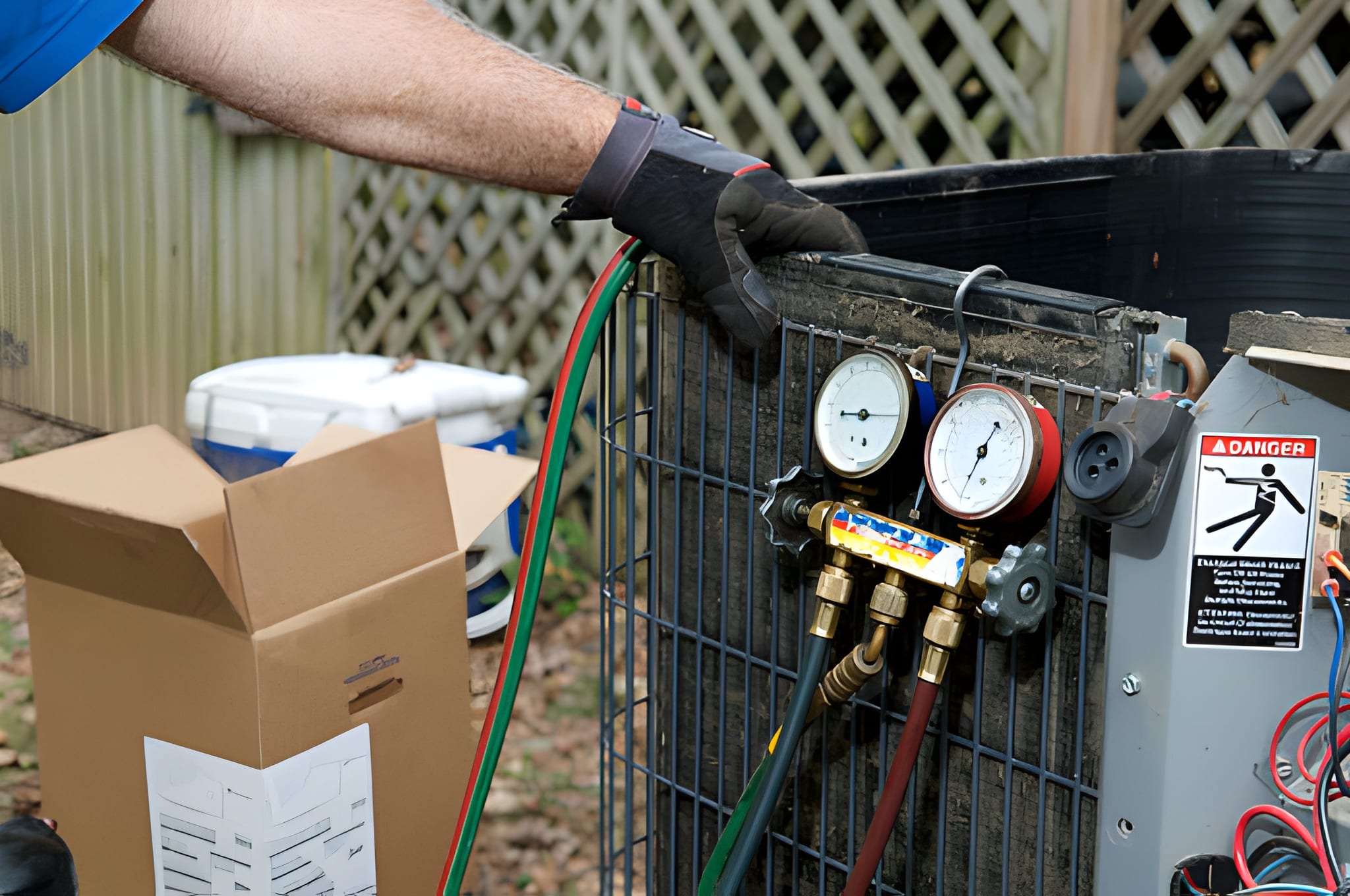
- Refrigerant pressures: Gauges show whether the refrigerant charge is correct. Low refrigerant often indicates a leak; high refrigerant can signal a restriction or improper charge.
- Electrical load testing: Measuring amperage and voltage on motors and compressors helps spot failing capacitors or motors drawing excessive current.
- Airflow measurement: Proper airflow keeps the evaporator from freezing and ensures even cooling. Low airflow is usually a filter, duct, or blower issue.
- Visual and mechanical checks: Inspecting belts, fan blades, drip lines, and electrical components identifies wear before failure.
These tests tell us whether the system is safe, efficient, and likely to last. They also create a baseline so future visits can detect gradual declines before they become emergencies.
Typical maintenance schedule for Fort Lauderdale systems
Fort Lauderdale homeowners and building managers benefit from a proactive schedule that reflects local climate stressors:
- Pre-summer tune-up (recommended spring)
- The highest priority visit to prepare systems for the long, hot cooling season. Includes a full inspection, coil cleaning, refrigerant check, and performance testing.
- Mid-season check (optional but recommended for high-use or coastal systems)
- Ensures filters, drains, and coils remain clean during peak demand and humid months.
- Post-summer inspection (early fall)
- Assesses wear from heavy seasonal use, addresses any corrosion or leaks, and prepares the system for lower-use months.
- Filter maintenance
- Replace or clean filters every 1 to 3 months depending on filter type, occupancy, pets, and indoor air quality needs.
- Condensate and drain line checks
- Clean annually at minimum; more often in high-humidity or high-usage situations.
Many Fort Lauderdale properties find a twice-yearly professional visit (pre-summer and post-summer) plus regular filter changes provides reliable performance and reduces emergency repairs.
Repair and solutions commonly delivered during maintenance
When maintenance uncovers issues, the solutions are targeted to restore efficient operation and prevent immediate failure. Common interventions include:
- Filter replacement and recommendation for higher efficiency filters to improve indoor air quality.
- Coil cleaning and fin straightening to restore heat transfer efficiency and airflow.
- Refrigerant leak detection and repair followed by proper recharge to manufacturer specifications.
- Capacitor or contactor replacement to resolve starting problems and prevent motor damage.
- Blower motor servicing or replacement when worn bearings or electrical issues reduce airflow.
- Electrical connection tightening and corrosion mitigation to prevent shorts and failures.
- Drain cleaning and condensate pump servicing to avoid water damage and microbial growth.
- Corrosion control measures for outdoor components, including protective fasteners and coatings appropriate for coastal conditions.
All repair choices are documented, prioritized, and explained so you understand the short term and long term implications.
How maintenance protects warranties and equipment value
Manufacturers often require regular documented maintenance to keep warranties valid. Routine professional service helps maintain warranty coverage and protects the resale value of your home or commercial property by demonstrating responsible system care. In addition, well-maintained equipment typically retains higher efficiency and resale value, and it defers capital replacement costs by extending useful life.
Service plans and subscriber options (what to expect)
Koolflow Air structures maintenance offerings into tiered service plans designed to fit different needs while avoiding unnecessary complexity. Each plan is designed to deliver the essential elements of preventative care with options tailored to Fort Lauderdale environments:
- Basic maintenance plan
- Annual pre-season tune-up, standard checklist items (filters, coils, electrical check), and a maintenance report. Ideal for lower-use systems or second homes.
- Standard maintenance plan
- Two scheduled visits per year (pre-summer and post-summer), filter changes or inspection during visits, coil cleaning as needed, refrigerant checks, and documented performance testing. A good fit for most single-family homes.
- Premium maintenance plan
- Twice-yearly comprehensive inspections, priority scheduling during peak demand and storms, seasonal pre-hurricane preparation checks, advanced diagnostics, and system performance reports. Designed for coastal properties, larger homes, or commercial units where downtime has higher consequences.
Subscriber benefits include scheduled reminders, priority appointment windows during heat waves and storm season, and consolidated documentation for warranty and property management needs. Priority scheduling and emergency response options are structured to reduce downtime during critical periods common in Fort Lauderdale.
Note: Specific pricing and promotions are not included here. Plan features and availability may vary according to system type, age, and property needs.
Seasonal and coastal considerations unique to Fort Lauderdale
Fort Lauderdale’s climate and coastal location influence how maintenance should be performed and at what frequency:
- Salt air corrosion
- Outdoor condensers near the coast collect salt residue that accelerates corrosion on fins, fasteners, and electrical connections. Regular coil rinsing and corrosion-resistant components help mitigate this issue.
- High humidity and storm season
- Extended high humidity increases condensate volume and microbial growth risk in drains and coils. Additional condensate system attention and optional UV treatment can reduce microbial buildup.
- Hurricane readiness
- Pre-storm inspections focus on securing outdoor components, checking line set fastenings and electrical disconnects, and ensuring condensate and drainage pathways are clear to reduce flood risk.
- Year-round cooling demand
- Because South Florida cooling runs nearly year-round, compressors and motors accumulate operating hours faster than in temperate climates. This favors more frequent checks and proactive part replacement to avoid sudden failures.
Maintenance plans tailored to these realities deliver better long-term reliability than a generic one-size-fits-all approach.
What you should expect in the maintenance report
After each professional visit you should receive a clear, easy-to-understand maintenance report that includes:
- A summary of tests performed and baseline measurements (temperature split, refrigerant pressures, motor amperage).
- Visual observations about coil condition, corrosion, and component wear.
- A prioritized list of recommended repairs or replacements with explanations of why they are needed.
- Notes on immediate safety concerns or warranty-related observations.
- Suggested timeline for addressing identified issues to avoid larger failures.
This documentation makes it simple to budget for repairs and track system condition over years.
Practical homeowner maintenance tasks between service visits
There are tasks occupants can perform safely to prolong the intervals between professional services and keep systems healthy:
- Replace or clean filters monthly to quarterly depending on filter type and household factors.
- Keep outdoor condenser units clear of vegetation, debris, and loose items that block airflow.
- Check supply and return vents to ensure they are open and not obstructed by furniture.
- Monitor condensate pan and drain access points for standing water or slow drainage.
- Note and record unusual noises, odors, or sudden changes in cooling performance to share with your technician.
These actions complement professional maintenance and help detect issues early.
When to call for professional service between scheduled visits
Some symptoms indicate that immediate professional attention is required rather than waiting for a scheduled maintenance slot:
- Reduced cooling capacity or slow temperature recovery during normal operation.
- Frozen evaporator coil or persistent icing issues.
- Water leaks around indoor or outdoor units, or overflowing condensate pans.
- Unusual electrical smells, burning odors, or tripped breakers associated with HVAC operation.
- Repeated short cycling or equipment that will not start.
- Visible refrigerant oil residue or suspected refrigerant leak.
Prompt attention to these signals reduces repair complexity and helps avoid complete system failure during high-demand periods.
Safety and compliance checks included in professional maintenance
Professional maintenance is also about safety. Technicians evaluate electrical components, disconnects, and controls to minimize fire or shock risk and ensure compliant operation. For commercial installations, attention to code-related components and documentation can support building safety requirements. Proper grounding, secure electrical connections, and verified overload protection are routine parts of a safety-minded maintenance program.
How maintenance supports long-term efficiency and lower operating cost
A maintained AC does not just perform better; it costs less to operate. Clean coils, correct refrigerant charge, unrestricted airflow, and well-tuned controls reduce the energy required to reach and maintain comfortable temperatures. Over time, these savings can offset the cost of regular maintenance and reduce the risk of expensive component replacements. For Fort Lauderdale properties with high annual cooling hours, the cumulative effect of maintaining efficiency is particularly significant.
Frequently asked questions
Q: How often should I schedule AC maintenance in Fort Lauderdale?
A: For most Fort Lauderdale homes and businesses, scheduling professional maintenance twice a year is recommended—pre-summer and post-summer—plus regular filter changes every 1 to 3 months. Properties in coastal zones or with heavy use may benefit from more frequent checks.
Q: What does a pre-summer tune-up include?
A: A pre-summer tune-up includes coil cleaning, refrigerant level verification, electrical and safety inspections, airflow testing, condensate drain service, thermostat calibration, and a performance report documenting system health and recommended repairs.
Q: Can maintenance prevent emergency breakdowns during peak heat?
A: Regular maintenance significantly reduces the likelihood of breakdowns by identifying worn parts, refrigerant issues, and electrical problems before they cause system failure, and by ensuring the system operates efficiently under heavy load.
Q: Do I need professional maintenance if I change filters regularly?
A: Regular filter changes are essential but do not replace professional maintenance. Technicians perform coil cleaning, refrigerant checks, electrical tests, and performance measurements that are beyond routine homeowner tasks.
Q: How does salt air affect my AC and what maintenance helps?
A: Salt air accelerates corrosion on outdoor components and electrical connections. Regular coil rinsing, corrosion-resistant fasteners, protective treatments where appropriate, and more frequent inspections help mitigate salt-related damage.
Q: Will regular maintenance keep my warranty valid?
A: Many manufacturers require documented professional maintenance to maintain warranty coverage. A professional maintenance report provides the documentation that supports warranty claims.
Q: What are the benefits of subscribing to a maintenance plan?
A: Subscribers receive scheduled visits, consistent documentation, priority scheduling during high-demand periods, and a structured approach to preventative care tailored to Fort Lauderdale conditions.
Q: How long does a typical maintenance visit take?
A: A standard maintenance visit generally takes from 45 minutes to 2 hours depending on system size, complexity, and whether repairs or additional diagnostics are required.
Q: Can maintenance improve indoor air quality?
A: Yes. Maintenance addresses filters, coils, and condensate systems that impact indoor air quality. Services like filter upgrades and drain cleaning reduce dust, allergens, and microbial growth that can circulate through your space.
Q: What should I do to prepare my system for hurricane season?
A: Preparation includes securing outdoor units, ensuring proper drainage, checking mounts and line set fasteners, verifying electrical disconnects, and confirming the system is running efficiently so it is less likely to fail during storms.
Maintaining your AC in Fort Lauderdale is an investment in comfort, safety, and the long-term value of your property. Koolflow Air builds maintenance programs around the realities of South Florida weather and coastal exposure to help your system run efficiently, reliably, and safely year after year.


Hear what our satisfied
clients have to say

SERVICE AREAS