


AC Tune-Up in Coconut Creek, FL

Keeping your air conditioner running reliably and efficiently is essential in Coconut Creek, FL, where high heat, humidity, and salty coastal air put continuous strain on cooling systems. Koolflow Air specializes in professional AC tune-ups designed to restore peak performance, extend equipment life, and reduce the risk of mid-season failures.
Why an AC Tune-Up Matters in Coconut Creek, FL
Coconut Creek experiences long, hot summers with high humidity and frequent tropical storms. These local conditions mean:
- Air conditioners run longer and harder for more months of the year than in many other regions.
- Salt and moisture in the air accelerate corrosion on outdoor components.
- Heavy pollen, landscaping debris, and elevated humidity can clog coils, drains, and filters.
- Power fluctuations and summer storms put electrical components at greater risk.
Regular tune-ups reduce the chances of system breakdowns during heat waves, improve cooling performance and dehumidification, and help protect against corrosion and component failure. For homeowners focused on comfort, energy savings, and equipment longevity, a scheduled tune-up is a practical, preventative investment.
What a Comprehensive AC Tune-Up Covers
A professional tune-up is more than a quick inspection. Koolflow Air performs a thorough, checklist-driven service to address the most common causes of decreased performance and unexpected failures. Typical items on our AC tune-up checklist include:
- Cleaning evaporator and condenser coils
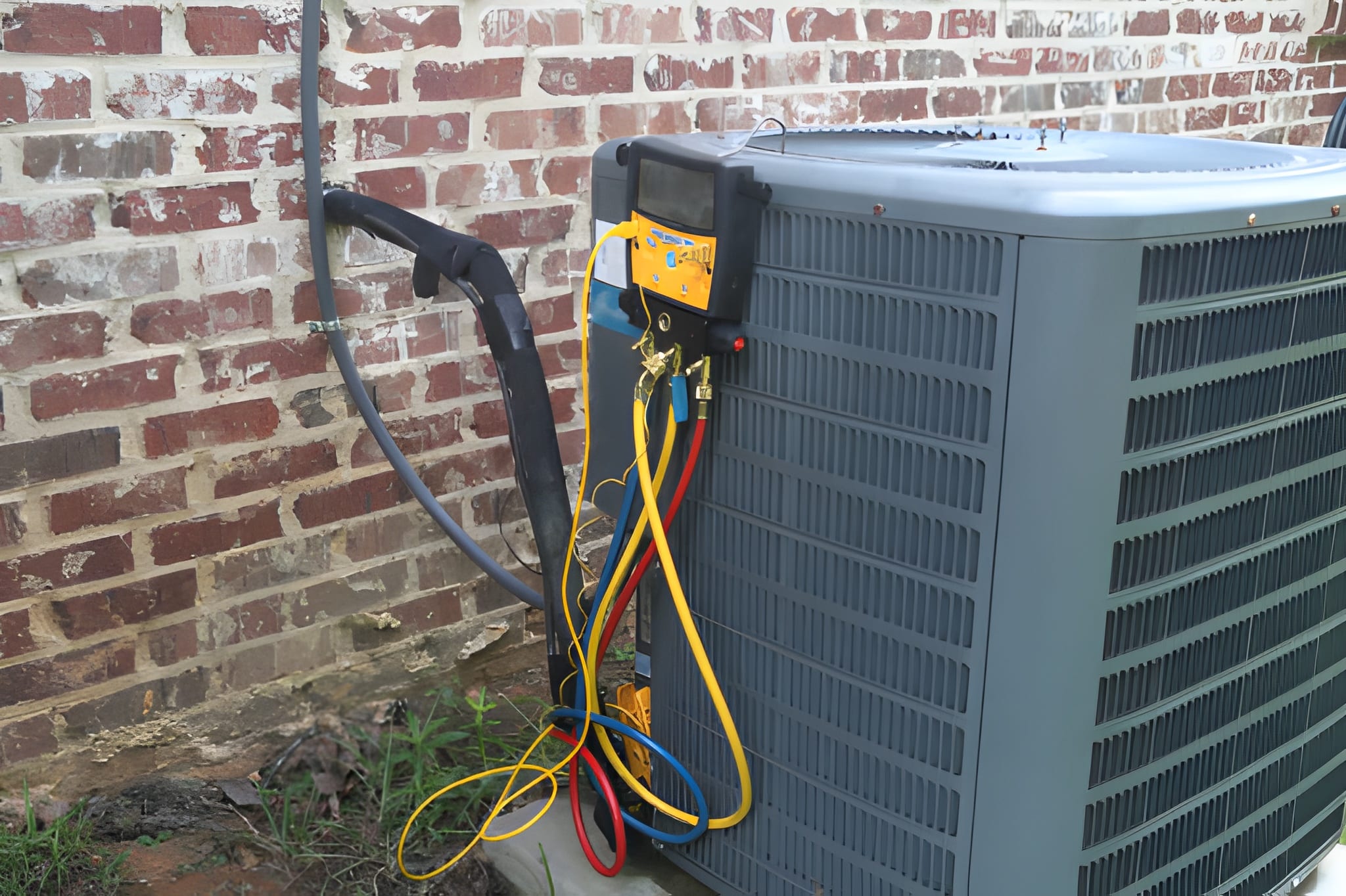
- Checking and adjusting refrigerant levels and spotting leaks
- Tightening and inspecting electrical connections and controls
- Testing capacitors, contactors, and relays
- Lubricating moving parts (motors, bearings, fans) where applicable
- Calibrating and testing the thermostat
- Inspecting and testing the blower motor and fan assembly
- Cleaning or replacing standard filters and verifying airflow
- Clearing and inspecting the condensate drain and trap
- Inspecting ductwork access points for visible leaks or disconnected sections
- Measuring system pressures and temperatures for performance diagnostics
- Conducting a performance test to verify cooling capacity and efficiency
- Checking safety controls and system startup/shutdown behavior
- Inspecting outdoor unit for corrosion, debris, and proper clearances
Below we break down what each of these items means and why it matters for your system.
Detailed Checklist Explained
Cleaning evaporator and condenser coils
- What we do: Remove debris from the outdoor condenser coil, clean the indoor evaporator coil if accessible, and use coil cleaner and gentle rinsing to restore heat transfer surfaces.
- Why it matters: Dirty coils reduce cooling efficiency, force the compressor to work harder, and can increase energy bills and wear.
Checking refrigerant levels and leak detection
- What we do: Measure refrigerant pressure, compare to manufacturer specifications, and inspect for signs of leaks. If refrigerant is low, we note likely causes and recommend corrective options.
- Why it matters: Incorrect refrigerant levels reduce cooling capacity and can damage the compressor. In Florida, leaks are often revealed after high humidity or corroded refrigerant lines.
Tightening electrical connections and testing electrical components
- What we do: Inspect and tighten all electrical terminals, test contactors, relays, fuses, and circuit board connections, and measure voltage and amperage where needed.
- Why it matters: Loose or corroded electrical connections are a frequent cause of intermittent failures and can create heat that shortens component life. Coastal humidity increases corrosion risk.
Testing capacitors, contactors, and relays
- What we do: Check capacitance values and contactor operation; replace or recommend replacement for components that show wear or fall outside acceptable ranges.
- Why it matters: Failed capacitors and contactors are common failure points that can prevent the system from starting or cause inefficient operation.
Lubricating moving parts
- What we do: Apply appropriate lubrication to motors, fan bearings, and other moving parts that require it, per manufacturer guidance.
- Why it matters: Proper lubrication reduces friction, noise, and premature motor failure.
Thermostat calibration and controls check
- What we do: Verify thermostat accuracy, check wiring, and confirm the control sequence (cooling cycles, fan control). Calibrate if temperature readings are off.
- Why it matters: A miscalibrated thermostat can create uneven temperatures and unnecessary runtime.
Blower motor and airflow inspection
- What we do: Inspect and measure airflow, clean the blower wheel, inspect motor bearings, and verify that air filters are adequate and correctly installed.
- Why it matters: Restricted airflow is a root cause of many issues, including frozen evaporator coils and reduced capacity.
Condensate drain and overflow prevention
- What we do: Clear the condensate drain line, flush drain pans, and inspect the trap to prevent backups.
- Why it matters: Clogged drains can cause water damage, mold growth, and system shutdowns.
Ductwork spot inspection
- What we do: Visual inspection for disconnections, obvious leaks, or excessive dust build-up at registers and duct boots.
- Why it matters: Leaky ductwork can reduce delivered cooling and increase energy consumption.
Performance testing and final verification
- What we do: Measure temperatures across the evaporator, record system pressures, track cycle times, and run a final performance check to verify that the system meets expected cooling output.
- Why it matters: Objective performance data helps identify hidden issues and provides a baseline for future tune-ups.
Common Issues Found in Coconut Creek Homes
Based on regional experience, these are frequently observed during tune-ups in Coconut Creek:
- Reduced cooling capacity due to dirty coils and filters from coastal pollen and lawn debris
- Corroded outdoor terminals, mounting hardware, and line sets due to salt-laden air
- Condensate drain clogs from high indoor humidity and microbial growth
- Refrigerant leaks revealed by performance testing and age-related line deterioration
- Electrical wear and loose connections from continuous year-round cycling and power fluctuations during storms
- Oversized or undersized systems causing short cycling or inadequate dehumidification
- Aged thermostats or incompatible smart controls affecting cycling and efficiency
Understanding these local patterns helps prioritize tune-up steps that deliver the quickest reliability improvement.
Diagnostic and Repair Process
A professional tune-up follows a methodical process to identify and address present and potential problems:
- Visual inspection of system components (in and outdoor) to identify obvious signs of wear, corrosion, or obstruction.
- Perform safety checks and verify proper electrical wiring and grounding.
- Measure operating parameters (voltages, amperages, pressures, and temperatures).
- Clean coils and critical surfaces to ensure accurate diagnostic readings.
- Test for refrigerant leaks and check refrigerant charge if indicated.
- Inspect and test motors, capacitors, and starting components.
- Verify drainage and clear condensate traps and lines.
- Adjust controls, calibrate thermostat, and confirm cycle behavior.
- Conduct a full-system performance test and document results and recommended follow-up repairs if necessary.
This approach ensures that issues beyond a basic cleaning are discovered and documented. If the tune-up reveals parts needing replacement (capacitor, contactor, leak repair), those are explained with options so homeowners can decide on timely repairs that prevent larger failures.
Expected Time and What A Tune-Up Typically Costs
Time expectation
- Most comprehensive AC tune-ups for standard split systems in Coconut Creek take approximately 60 to 120 minutes. Time varies based on accessibility, system size, and whether additional diagnostic steps are required. Multi-zone or packaged systems typically require more time.
Cost considerations (presented without specific dollar amounts)
- Tune-up pricing depends on the scope: a basic maintenance inspection and cleaning is less extensive than a comprehensive tune-up that includes performance testing, refrigerant checks, and safety verifications.
- Factors that influence cost include system age, accessibility of indoor components, need for coil cleaning or evaporator access, and whether the service identifies additional repair needs (for example, replacing a capacitor or repairing a refrigerant leak).
- In Coral Springs area homes, if refrigerant recharge is necessary or repairs are recommended, the tune-up can transition into a repair visit. Homeowners are provided with clear options and explanations before any work beyond the tune-up scope is performed.
By focusing on honest inspection and clear documentation, homeowners understand the tradeoffs between a simple seasonal check and a deeper, comprehensive maintenance session that better protects against failures during extreme heat.
Frequency Recommendations for Coconut Creek Homes
- Annual tune-up: For most residential systems, schedule a professional tune-up at least once per year. In Coconut Creek, given year-round use, twice yearly is advisable for older systems or properties with heavy use or special conditions.
- Best timing: Spring before peak cooling season ensures the system is ready for sustained use. A fall check can be valuable for systems that have been heavily used through summer or to prepare for tropical storm season.
- New or warranty systems: Follow manufacturer recommendations for first-year and ongoing maintenance to keep warranty coverage intact and maximize longevity.
- High-use or problem systems: If your system cycles frequently, has a history of failures, or serves a large or multi-zone home, consider semiannual inspections.
Regular scheduling creates a maintenance history that helps technicians spot trends (declining capacity, increasing run time, repeated electrical issues) and recommend proactive replacements before catastrophic failures.
Efficiency, Reliability, Safety, and Comfort Benefits
Energy efficiency and cost savings
- Clean components and correct refrigerant charge improve heat transfer and reduce compressor runtime, lowering energy consumption.
- Regularly serviced systems maintain rated performance longer, avoiding efficiency losses that result from neglect.
Reliability and fewer emergency repairs
- Tightened electrical connections and updated wear items reduce the likelihood of unexpected failures during extreme heat.
- Early detection of refrigerant leaks, failing capacitors, or corroded connections prevents costly emergency breakdowns.
Extended equipment life
- Preventative lubrication, coil cleaning, and proper electrical maintenance reduce wear and tear, extending overall system life and delaying replacement costs.
Improved indoor comfort and air quality
- Better airflow, accurate thermostat calibration, and clean coils mean more even temperatures and better humidity control.
- Clearing condensate drains and changing filters reduces microbial growth and allergens in the home.
Safety and peace of mind
- Inspections verify that safety controls are working, reducing risks associated with electrical faults or condensate overflows that can cause water damage.
For Coconut Creek homeowners, these benefits translate into fewer disruptions during the hottest months, better humidity control in humid summer months, and lower seasonal energy bills.
Seasonal and Local Maintenance Tips for Coconut Creek
- Schedule major tune-ups in early spring before the hottest stretch and consider a mid-season check if your system is older than 10 years.
- Install a high-efficiency pleated filter to help with high pollen counts and landscaping debris common in Broward County; change filters more often in high-use seasons.
- Keep the outdoor unit clear of leaves, mulch, and lawn clippings; maintain at least 2 feet of clearance to improve airflow and reduce debris accumulation.
- Inspect insulation on refrigerant lines annually; coastal humidity can degrade insulation faster, reducing efficiency.
- Consider corrosion-resistant hardware or protective coatings for outdoor units if your property is near salt air exposure.
- Monitor and document runtime and performance after tune-ups; logging simple metrics (thermostat setpoint, run time per cycle) helps spot performance degradation between visits.
These simple homeowner actions combined with professional tune-ups deliver the best results for many years.
Why Maintenance Planning Helps with Replacement Decisions
A tune-up does more than fix immediate issues. It provides objective data on system health that helps homeowners make informed decisions about repair versus replacement. Key indicators that often surface during a tune-up and influence replacement considerations include:
- Frequent compressor starts or significant drops in cooling capacity
- Repeated refrigerant leaks or need for large refrigerant recharges
- Recurring electrical component failures (capacitors, contactors)
- High energy bills despite serviceable components
- Systems older than 12 to 15 years with declining performance
Documented tune-up reports from Koolflow Air help you weigh repair costs against expected remaining life, efficiency improvements from replacement, and potential future repair frequency.
Frequently Asked Questions


Hear what our satisfied
clients have to say


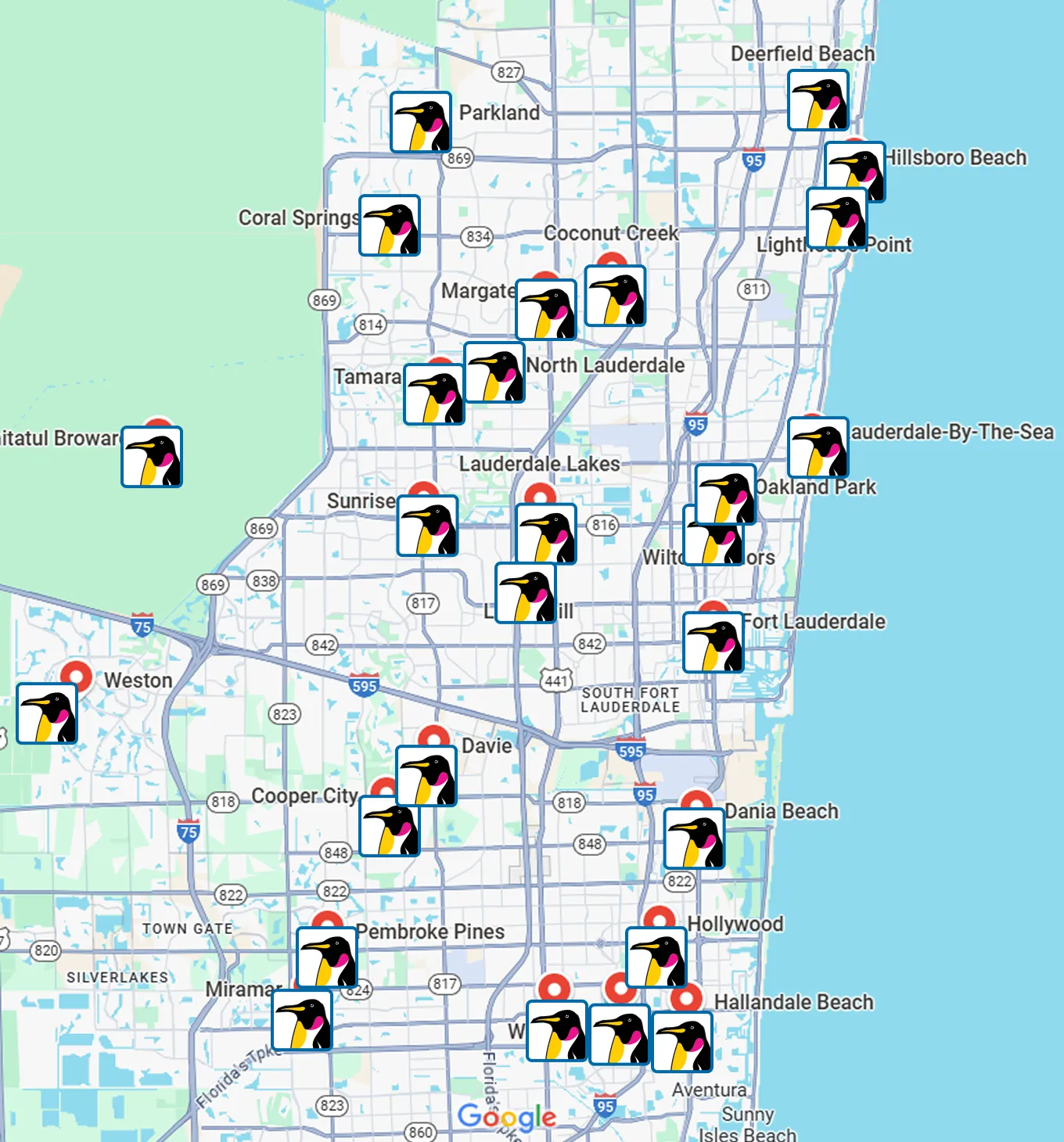
SERVICE AREAS