


AC Tune-Up in Lauderdale-By-The-Sea, FL

Keeping your air conditioner tuned and ready is essential in Lauderdale-By-The-Sea, FL. With long, hot, humid summers, frequent salt-laden sea breezes, and heavy seasonal use, residential AC systems are under constant strain. A professional AC tune-up is a proactive service that keeps your system running efficiently, reduces the risk of mid-season breakdowns, and extends equipment life. Koolflow Air provides detailed, technician-led AC tune-ups designed specifically to address the unique climate and coastal challenges of Lauderdale-By-The-Sea homes.
Why an AC Tune-Up Matters in Lauderdale-By-The-Sea
Lauderdale-By-The-Sea has a coastal microclimate with high humidity, strong sun exposure, and salt air from the Atlantic. These local factors increase corrosion risk, accelerate wear, and lead to common system problems not always seen inland. Regular tune-ups identify small issues before they become costly failures, improve indoor comfort, and help systems maintain manufacturer performance specifications. For homeowners who rely on air conditioning most of the year, tune-ups are a cost-effective maintenance action that protects comfort and preserves equipment value.
What a Comprehensive AC Tune-Up Includes
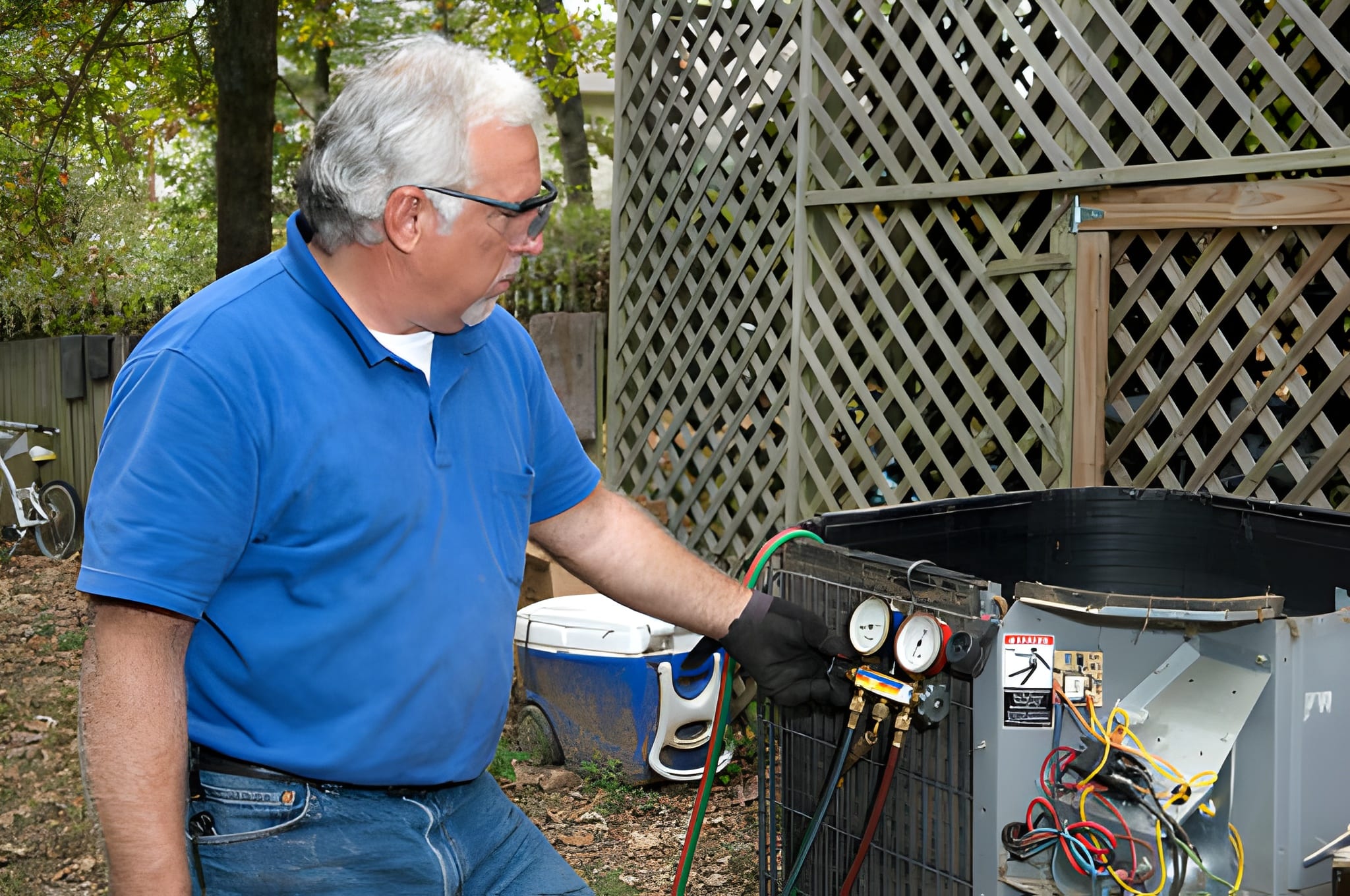
A full AC tune-up is more than a quick check. Koolflow Air’s technicians perform a systematic inspection and maintenance sequence that covers airflow, refrigeration, electrical components, safety systems, and drainage. Core tasks performed during a typical tune-up include:
- Filter inspection and replacement
- Check filter type and condition
- Replace or recommend upgraded filters to improve airflow and indoor air quality
- Coil cleaning
- Clean evaporator and condenser coils to improve heat transfer and efficiency
- Remove salt, sand, debris, and biological growth that reduce performance
- Lubrication and moving parts
- Inspect and lubricate fan motors and bearings where applicable
- Check belt condition and tension for belt-driven systems
- Refrigerant verification
- Measure charge and pressures
- Identify signs of leaks or low refrigerant that impair cooling capacity
- Electrical and safety inspections
- Test capacitors, contactors, relays, breakers, and wiring for wear or corrosion
- Verify safe operation of disconnects and service panels
- Thermostat calibration
- Confirm accurate temperature sensing and proper control logic
- Check communication in smart or programmable systems
- Airflow and duct assessment
- Measure airflow and static pressure where possible
- Inspect visible ductwork for disconnections, leaks, or insulation issues
- Condensate drain service
- Clear condensate lines and pans to prevent overflow, clogs, and microbial growth
- Inspect for corrosion or pooling caused by salt and humidity
- Performance testing and system measurements
- Record system temperature split, amperage draw, motor currents, and pressure readings
- Compare to OEM specifications and historical benchmarks
- Corrosion and coil protection assessment
- Inspect outdoor unit fins and fasteners for salt corrosion
- Recommend preventive actions for coastal exposure
- Safety device checks
- Confirm proper operation of float switches, high-pressure cutouts, and limits
Each tune-up concludes with a documented checklist of all items inspected, test results, and any recommended repairs or upgrades. This creates a baseline for seasonal comparisons and helps prioritize future work.
Typical Tune-Up Checklist Outcomes
A professional tune-up produces objective, actionable outcomes you can use to manage your home comfort budget and system health. Expected checklist results often include:
- Clean filters installed with airflow restored to acceptable levels
- Evaporator and condenser coils free of debris and verified for efficient heat exchange
- Proper refrigerant charge or clear findings if a leak is suspected
- Electrical components within manufacturer tolerance or flagged for targeted replacement
- Proper thermostat operation and confirmed temperature differentials
- Clear condensate drainage and sanitized pans where necessary
- Measured amperage and pressures documented for trend monitoring
- Recommendations for corrosion mitigation based on coastal exposure
- Priority-coded list of any repairs needed within short- and medium-term windows
These outcomes help homeowners understand whether the system is ready for peak season or if immediate intervention is recommended to avoid failure.
Common AC Problems in Lauderdale-By-The-Sea Homes
Coastal homes face several recurring AC issues that tune-ups are designed to catch and mitigate:
- Salt corrosion on outdoor components
- Outdoor fins, housings, and electrical terminals corrode faster near the ocean, leading to leaks and electrical failures
- Clogged condensate drains and pans
- High humidity promotes algae and mold growth that can block drainage and cause overflow
- Reduced coil efficiency from sand, salt, and biological buildup
- Dirty coils force the compressor to work harder and shorten equipment life
- Low refrigerant from undetected leaks
- Vibration, corrosion, and wear can lead to slow leaks that reduce cooling capacity
- Capacitor and contactor failure due to heat cycling
- Frequent cycling in hot weather stresses electrical components and leads to sudden failures
- Short cycling caused by airflow restriction or improper thermostat placement
- Restricted air reduces heat transfer and stresses the compressor
- Compressor wear from prolonged high load conditions
- Long cooling seasons increase run hours and accelerate mechanical fatigue
Addressing these issues during routine tune-ups reduces mid-season emergency repairs and helps maintain predictable performance.
Recommended Tune-Up Frequency for Lauderdale-By-The-Sea
Given the local climate and heavy system use, recommended tune-up frequency for most Lauderdale-By-The-Sea homes is:
- Twice a year (biannual) for typical residential systems: once in spring before the hottest months and once in early fall after peak load. This schedule addresses pre-summer readiness and post-summer stress checks.
- Quarterly or more frequent checks for high-use systems, properties near the beach with intense salt exposure, multi-family units, or homes with older equipment.
- Annual deep service for heat pump systems that also provide heating needs during cooler months, with an additional mid-summer check focused on refrigerant and corrosion.
Biannual tune-ups align with preventing high-season failures and meet many equipment warranty requirements that call for regular professional maintenance.
How Tune-Ups Fit Into a Maintenance Plan
A tune-up is a cornerstone of a comprehensive maintenance plan. Here is how they integrate into long-term system care:
- Baseline documentation and trend tracking
- Each tune-up creates a record of system health indicators so that performance trends can be monitored over years
- Planned repairs versus emergency repairs
- Tune-ups identify issues early and allow scheduling of repairs at convenient times, avoiding emergency calls during heat waves
- Lifecycle management and replacement planning
- Regular tune-ups reveal when major components are deteriorating and help time replacements to minimize disruption
- Energy and cost forecasting
- Efficiency measurements from tune-ups provide a basis for estimating energy use and identifying cost-saving upgrades
- Warranty compliance
- Many manufacturers require documented professional maintenance to maintain warranty protections; tune-ups satisfy those conditions
- Customized maintenance tiers
- Tune-ups can be combined with seasonal inspections, priority service scheduling, or bundled with filter delivery and UV or filtration upgrades for better indoor air quality
A maintenance plan that centers tune-ups helps homeowners budget for HVAC needs and maximizes system longevity.
Benefits You Can Expect After a Tune-Up
The measurable and practical benefits of a professional tune-up in Lauderdale-By-The-Sea include:
- Improved energy efficiency
- Clean coils, proper refrigerant charge, and unobstructed airflow reduce energy consumption and lower cooling costs
- Reduced risk of breakdowns
- Early detection of failing components reduces the chance of sudden failures during peak heat
- Longer equipment life
- Routine lubrication, electrical checks, and balanced loads slow mechanical wear and extend service life
- Better indoor comfort
- Proper airflow and thermostat calibration deliver more even temperatures and stable humidity control
- Enhanced indoor air quality
- Filter changes and condensate maintenance reduce airborne particulates, mold, and allergens
- Safer operation
- Electrical and safety device tests prevent hazards associated with failed contactors, capacitors, or leaks
- Coastal protection
- Identification of corrosion and targeted recommendations reduce long-term damage from salt exposure
These benefits combine to produce more reliable home comfort and predictable maintenance costs over time.
What to Expect During a Professional Tune-Up Visit
A professional tune-up is efficient and transparent. Typical expectations include:
- Arrival of a trained technician with tools and diagnostics
- A systematic inspection lasting from 60 to 90 minutes for most split residential systems; longer if deep cleaning or complex diagnostics are required
- Measurements and tests documented on a checklist
- Clear reporting on what was serviced, what was measured, and any recommended follow-up work
- Recommendations tailored for coastal conditions and for the equipment age and usage patterns in your home
The goal is a thorough, noninvasive service that leaves the system cleaner, safer, and better documented.
When Tune-Ups Uncover Repairs: Typical Follow-Up Work
If a tune-up reveals issues, common follow-up repairs or upgrades include:
- Refrigerant leak repair and recharge
- Replacement of capacitors, contactors, or relays
- Motor replacement or bearing service for noisy fans
- Coil decontamination or professional fin straightening
- Condensate pan repair or replacement and installation of trap or float switch
- Corrosion mitigation steps such as protective coatings, sacrificial anodes, or relocated electrical connections
- Duct sealing or insulation where airflow losses are identified
- Thermostat replacement or relocation for better sensing and control
These repairs are prioritized based on safety and imminent failure risk, and documented so homeowners can make informed decisions.
Maintenance Tips for Lauderdale-By-The-Sea Homeowners
To maximize the effectiveness of your tune-ups and protect your investment between professional visits, consider these location-specific tips:
- Replace disposable filters monthly during peak season and use higher MERV filters where compatible for better particulate capture
- Keep outdoor condensing units clear of sand accumulations, vegetation, and debris that trap moisture and accelerate corrosion
- Flush exposed condensate lines periodically to reduce algae buildup
- If practical, install a simple cover for the outdoor unit during hurricane season to reduce direct salt spray, but remove it before running the unit
- Maintain shaded landscaping to reduce solar load on outdoor units without restricting airflow
- Track your energy bills and note sudden changes that may indicate declining efficiency or refrigerant loss
These small actions between tune-ups reduce strain on the system and support long-term reliability.


Hear what our satisfied
clients have to say


SERVICE AREAS