


Heating Installation in Broward County, FL

Heating installation in Broward County, FL Expert tips for essential evaluation, selection, installation, and commissioning steps to ensure reliable, energy-efficient heating for coastal properties. It covers common system types, including heat pumps, ductless mini-splits, packaged rooftop units, and boilers, with guidance on humidity control, corrosion protection, and local code compliance. The guide stresses professional site assessments, accurate load calculations, duct design, and careful equipment placement, followed by meticulous commissioning, warranty activation, and maintenance strategies to maximize performance and longevity.
Heating Installation in Broward County, FL
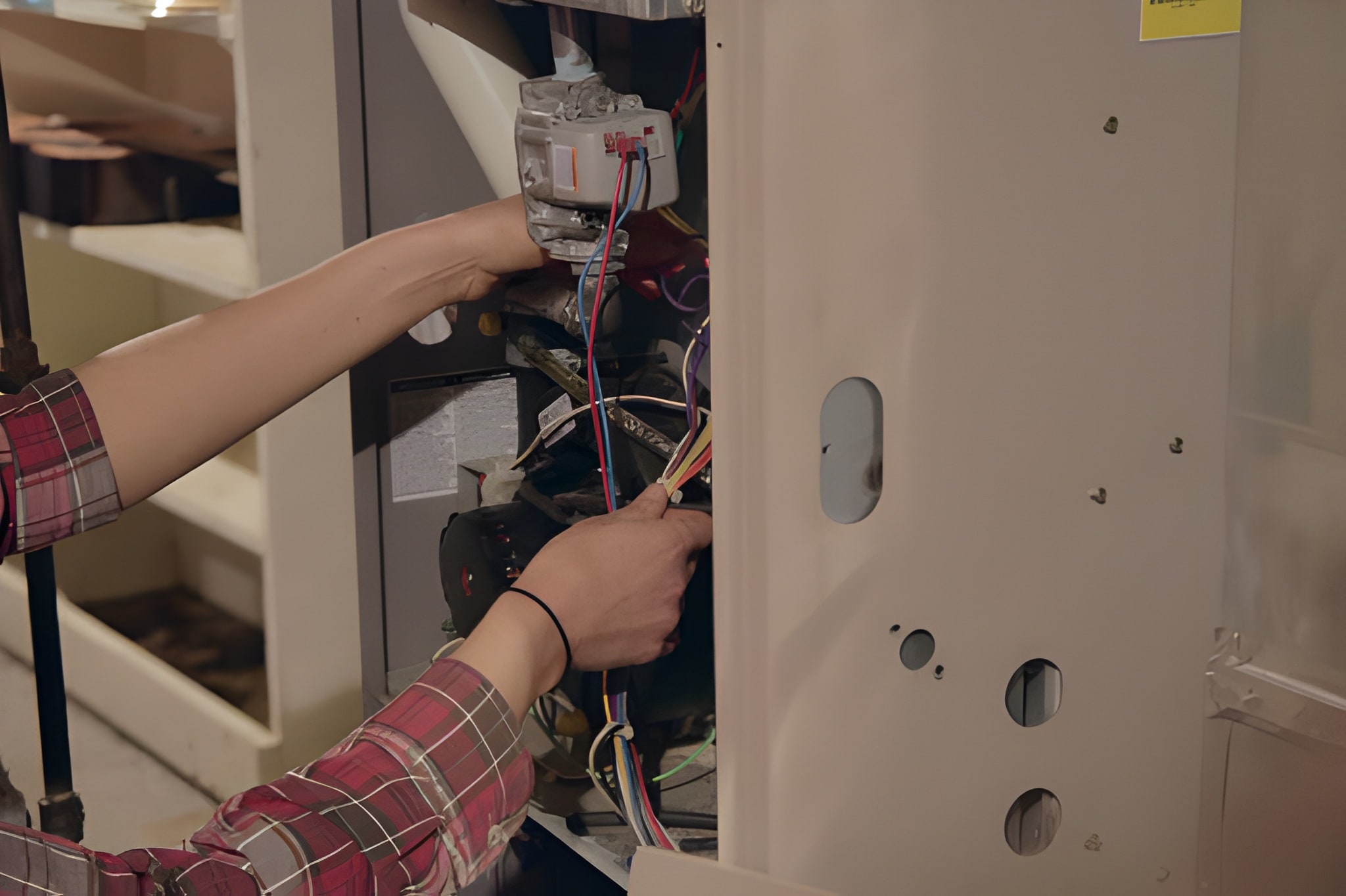
A properly engineered heating installation in Broward County, FL, does more than keep your space warm on the few cool nights each year. It protects indoor air quality, reduces energy waste, prevents premature equipment failure from the coastal environment, and integrates with cooling systems so your property runs efficiently year-round. Whether you are updating a single-family home, retrofitting a strip center, or specifying rooftop units for a hotel, understanding the evaluation, selection, installation, and commissioning steps is essential to a dependable outcome.
Common heating installation types and local concerns
- Heat pumps (split systems and packaged units): The most common choice in Broward County because they provide both heating and cooling with high efficiency. Look for units with good HSPF and variable-speed compressors.
- Ductless mini-split systems: Ideal for room additions, historic homes without ductwork, or for zoning in commercial spaces.
- Packaged rooftop units: Typical for shopping centers, restaurants, and light industrial buildings where rooftop space simplifies maintenance and ductwork runs.
- Commercial hydronic or boiler systems: Used where process heating or specialized heat distribution is required, but less common for typical South Florida buildings.Local concerns specific to Broward County: mild winters but very high cooling loads, high humidity, and salt air corrosion risk for outdoor equipment. These factors influence equipment selection, placement, and corrosion protection measures.
Initial site evaluation — what a professional will check
A thorough pre-install evaluation prevents change orders and performance problems after installation. Key checks include:
- Load calculation (Manual J) to determine true heating and cooling capacity needs rather than relying on rule-of-thumb sizing.
- Duct inspection (leakage, insulation, layout) and Manual D duct design verification for balanced airflow and correct static pressures.
- Attic and building envelope assessment: attic insulation levels, radiant barriers, ceiling penetrations, and humidity sources that affect heating loads.
- Electrical capacity and breaker sizing to confirm service can support the new unit.
- Outdoor unit placement for corrosion resistance, flood elevation, access, and noise considerations.
- Permitting and local code review to ensure compliance with the Florida Building Code and Broward County requirements.
Unit selection and sizing — getting capacity and efficiency right
Correct unit selection balances capacity, efficiency, and durability for the local climate:
- Size the system to the load calculation results. Oversized units short-cycle, reduce dehumidification, and wear faster. Undersized units struggle on peak days.
- Prefer heat pumps with variable-speed compressors in Broward County for better humidity control and consistent comfort.
- Choose coastal-rated components or corrosion-resistant coatings for any outdoor equipment exposed to salt air.
- For commercial projects, consider modular rooftop units to allow staged capacity and easier maintenance.
- Factor in ventilation loads. Fresh air and makeup air requirements can increase capacity needs, especially in restaurants and commercial kitchens.
Ductwork coordination and ventilation considerations
Duct design and ventilation are as critical as the equipment itself:
- Seal and insulate ducts to reduce thermal losses. In South Florida, ducts running through hot attics need higher insulation and careful sealing.
- Balance supply and return paths to avoid pressure issues that pull in humid attic air or allow contaminants into occupied spaces.
- Plan fresh air intake and exhaust to meet ASHRAE-based ventilation needs and local code minimums; for high-occupancy commercial spaces, dedicated ventilation systems or energy recovery ventilators may be appropriate.
- Coordinate with kitchen hood and refrigeration systems in restaurants to ensure make-up air and exhaust are balanced and code-compliant.
- Consider zoned systems and variable-air-volume controls in larger homes or commercial buildings to improve comfort and reduce operating costs.
Professional installation steps, commissioning, and testing
A professional installation follows a disciplined sequence to ensure performance and warranty coverage:
Warranty activation and maintenance responsibilities
Warranty protection depends on proper installation and ongoing maintenance:
- Manufacturers typically require documented start-up and activation within a set period to validate warranties. Keep copies of start-up reports and registration confirmations.
- Warranty terms often specify required maintenance intervals. Routine maintenance—filter changes, coil cleaning, condensate checks, and refrigerant level verification—protects both performance and warranty eligibility.
- For coastal Broward County installations, periodic inspection for corrosion, unit elevation, and protective finishes will extend equipment life.
Recommendations for Broward County residential and commercial properties
- Use heat pumps with variable speed operation and good HSPF for superior comfort and humidity control.
- Specify coastal corrosion protection for outdoor units and elevated mounting if equipment is in flood-prone areas.
- Improve attic insulation and seal penetrations to reduce load and improve efficiency.
- Include duct sealing and insulation as part of any heating installation project in hot attics.
- For restaurants and food service, coordinate HVAC with kitchen exhaust and refrigeration to maintain indoor air quality and proper pressurization.
- For commercial rooftop installations, ensure curb flashing, roof penetrations, and rooftop walkways meet local building practices and facilitate maintenance access.
Why professional heating installation matters in Broward County
Properly engineered heating installation in Broward County ensures reliable, efficient performance tailored to the region’s unique climate and building conditions. It reduces energy waste, improves indoor comfort and dehumidification, protects equipment from coastal exposure, and keeps systems eligible for manufacturer warranties. Thoughtful coordination of equipment selection, ductwork, ventilation, and commissioning delivers long-term value and fewer service interruptions for both homes and businesses.


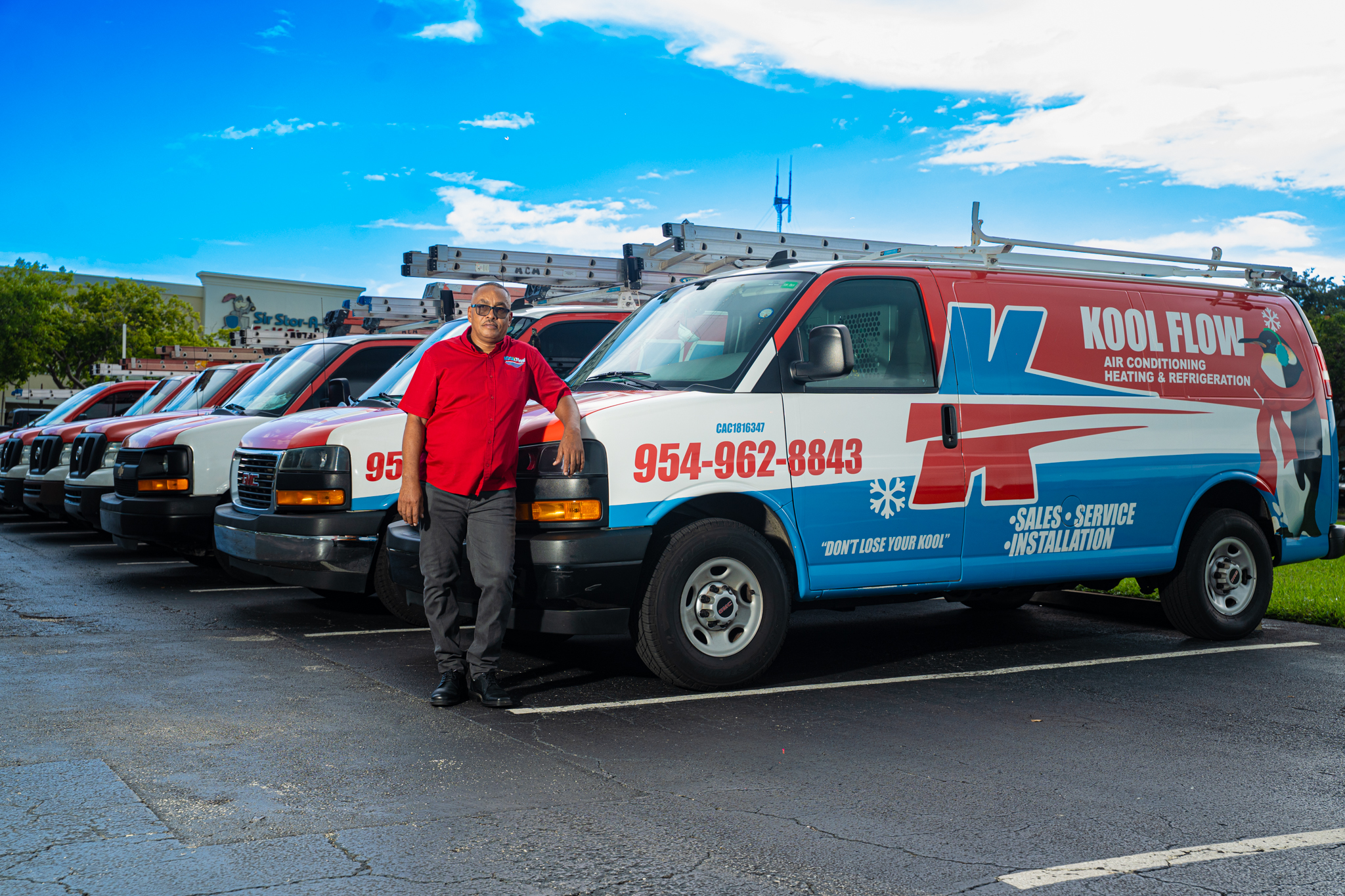
Hear what our satisfied
clients have to say

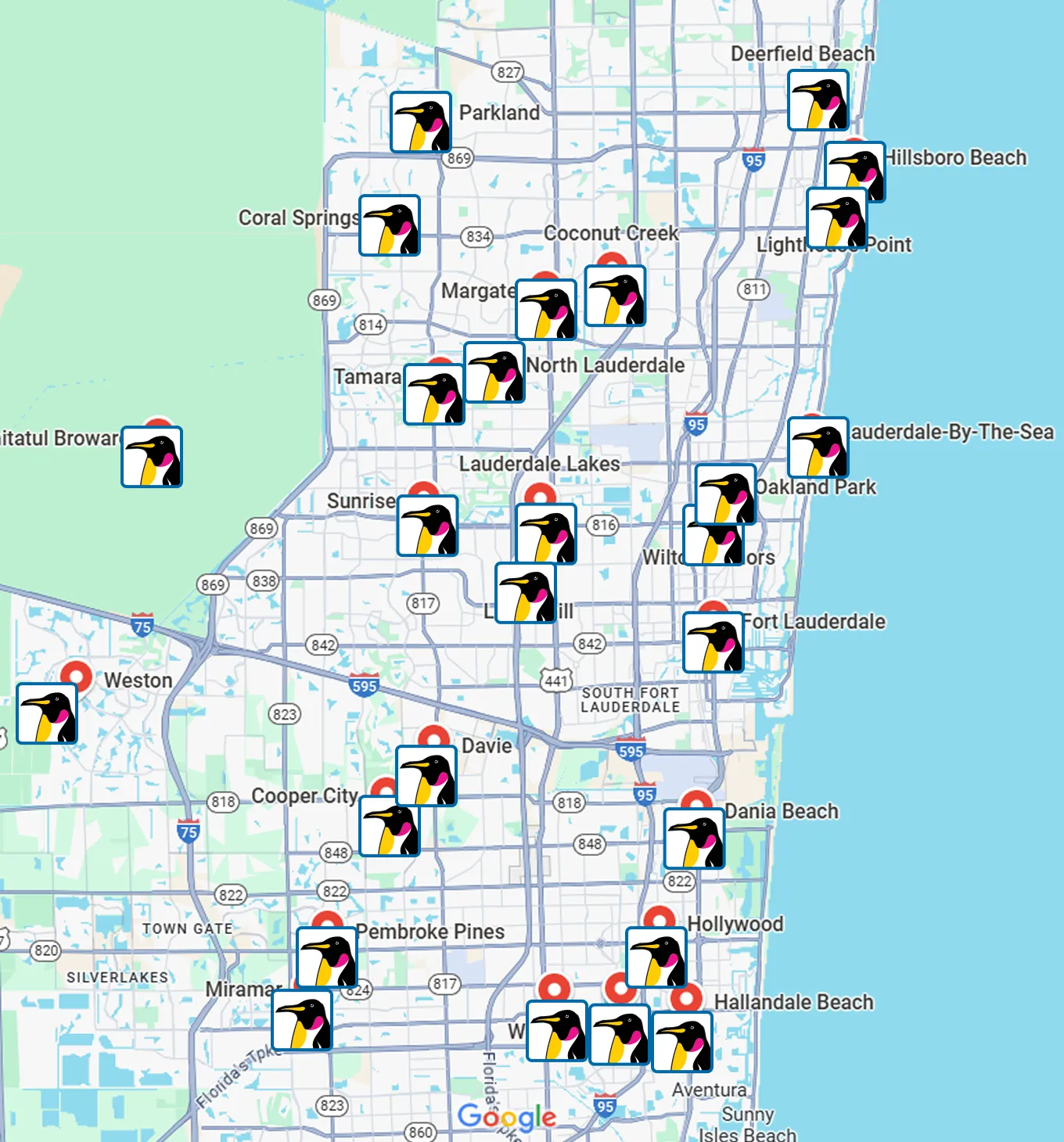
SERVICE AREAS