


Heating Installation in Oakland Park, FL

When your home needs a reliable, efficient heating system, professional installation matters as much as the equipment you choose. In Oakland Park, FL, winters are mild but nights can get chilly, and indoor comfort depends on a system that performs quietly, resists coastal corrosion, and works efficiently alongside year-round cooling needs. Koolflow Air provides expert heating installation designed for South Florida homes, with a focus on correct sizing, durable equipment options, code-compliant installation, and long-term performance.
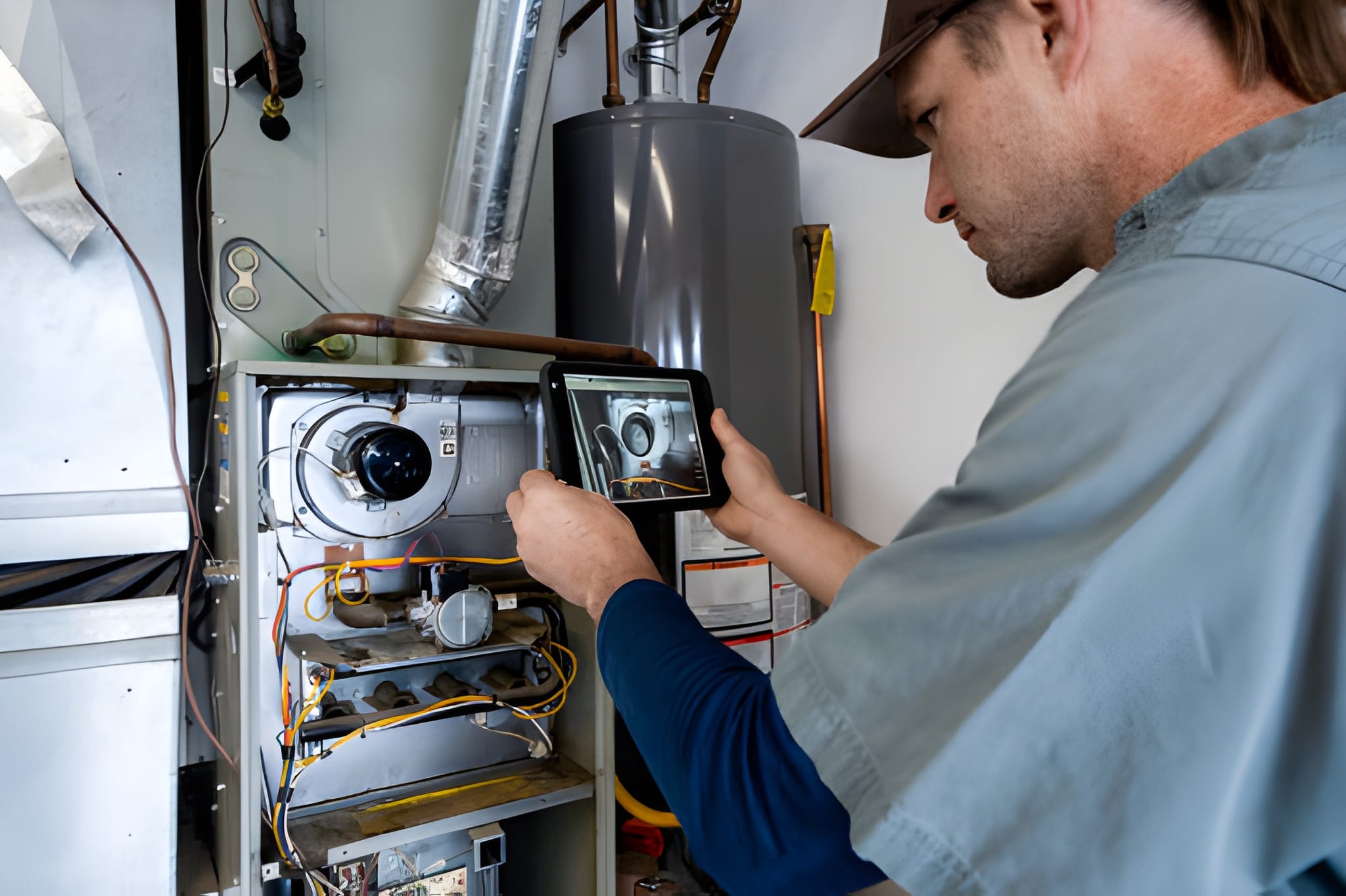
Why heating installation matters in Oakland Park homes
Even though Broward County rarely sees the freezing temperatures experienced farther north, a properly installed heating system affects comfort, moisture control, and energy use. Older or improperly sized systems can cause:
- Uneven warmth between rooms and floors.
- Excess humidity when systems are used in shoulder seasons.
- Short cycling that increases wear and energy consumption.
- Increased operating costs due to inefficiency or incorrect refrigerant charge.
- Greater risk of corrosion and mechanical failure in coastal environments.
A professionally managed installation reduces these risks by starting with a correct site assessment, accurate load calculations, and a system selection process tailored to local climate conditions and your home layout.
Common heating system options for Oakland Park, FL
South Florida homes commonly use heat pumps and ductless mini-split systems because of their year-round efficiency and ability to provide both heating and cooling. Understanding the types helps you choose what matches your home and budget.
- Electric heat pumps
- Most energy-efficient option for mild winters.
- Provide both heating and cooling, with high HSPF and SEER ratings available.
- Available in single-stage, two-stage, and variable-speed inverter models.
- Ductless mini-splits
- Ideal for retrofits, additions, or rooms without ductwork.
- High efficiency and zoned temperature control.
- Minimal disruption during installation.
- Hybrid systems
- Combine heat pump with electric resistance or gas backup where natural gas lines exist.
- Useful in homes wanting a secondary heat source for rare cold snaps.
- Packaged systems
- Compact units that can serve rooftops or small homes.
- Often used where space or aesthetics limit indoor equipment.
- Gas furnaces
- Less common in South Florida due to limited natural gas availability and mild winters.
- Considered when natural gas is already plumbed and homeowners prefer combustion heating.
Equipment selection should emphasize coastal durability: corrosion-resistant coatings, stainless fasteners, or packaged units with enhanced protective treatments to resist salt air and humidity.
Site assessment and load calculations
Accurate sizing is the foundation of a successful installation. Koolflow Air performs a detailed site assessment and load calculation to determine the exact capacity your home requires.
Key components of the assessment:
- Manual J load calculation
- Evaluates heating and cooling loads based on square footage, ceiling heights, insulation levels, window types and orientations, occupancy, and internal heat gains.
- Adjusts for local climate data, including Oakland Park's typical winter low temperatures and humidity.
- Building envelope inspection
- Checks insulation values, attic conditions, air leakage around doors and windows, and shading from trees or neighboring structures.
- Duct system evaluation
- Inspects existing duct size, layout, condition, and leakage. If ducts are part of the plan, a Manual D design ensures proper airflow distribution and balancing.
- Electrical capacity review
- Verifies the main panel, available circuit slots, and need for dedicated circuits or service upgrades.
- Site constraints and installation logistics
- Assesses outdoor unit placement for proper clearances, sound considerations, ease of access for maintenance, and corrosion exposure in coastal areas.
These steps ensure the new system will deliver consistent comfort, efficient operation, and reliable longevity.
Recommended equipment and brand options
When selecting new equipment for Oakland Park homes, performance, warranty terms, and coastal resilience are top priorities. Typical recommended brands and product features include:
- High-efficiency heat pumps: Carrier, Trane, Lennox, Rheem, Goodman, Bryant
- Look for models with high HSPF and SEER ratings, variable-speed compressors, and smart thermostat compatibility.
- Ductless mini-splits: Mitsubishi, Daikin, Fujitsu, Samsung
- Inverter-driven compressors for precise temperature control and reduced cycling.
- Corrosion-resistant options
- Units treated with protective coatings, coated coils, and stainless fasteners to withstand salt air.
- Matched indoor air quality accessories
- High-efficiency filtration, UV lights, and dehumidification enhancements to manage coastal humidity and indoor pollutants.
- Controls and thermostats
- Smart thermostats and zoning controls to optimize comfort and reduce energy waste.
Choosing brands that provide strong manufacturer warranties and accessible parts in South Florida contributes to quicker repairs and lower lifecycle cost.
Professional installation steps (what to expect)
A thorough installation follows a clear sequence to guarantee safety, efficiency, and code compliance. Typical professional installation steps include:
Pre-installation preparation
- Finalize equipment selection and confirm load calculations.
- Schedule required permits and coordinate with local code inspectors.
- Identify optimal outdoor unit location with appropriate clearances and condensate routing.
Removal and site readiness
- Safely remove old equipment per environmental regulations for refrigerant and components.
- Prepare pad or vibration-isolation mounts for outdoor units.
- Protect interior spaces to minimize dust and disruption.
Ductwork and distribution
- Repair, replace, or redesign ducts where needed using Manual D.
- Seal seams with approved mastic or UL-approved tapes and insulate ducts exposed to attic or unconditioned spaces.
- Install or configure supply and return registers for balanced airflow.
Refrigerant and line set installation
- Install properly sized refrigerant line sets, trap designs, and insulation to prevent thermal loss and condensation issues.
- Evacuate lines and charge to manufacturer specifications based on measured superheat and subcooling.
Electrical work
- Install disconnects, properly sized circuit breakers, surge suppression, and any necessary service upgrades.
- Ensure correct voltage, phasing, and grounding per electrical code.
- Integrate control wiring and thermostat communication.
Condensate management
- Route condensate to proper drains, install secondary drain safety, and ensure reliable slope and trap design to prevent backups.
System startup and initial testing
- Power-up sequence following manufacturer procedures.
- Check compressor current, refrigerant pressures, and temperature splits.
- Verify safety controls, defrost operation, and cycle sequencing.
Final adjustments and documentation
- Balance airflow to each room, set thermostat parameters, and verify zoning operation where applicable.
- Provide full documentation including equipment serial numbers, installed components, and warranty registration instructions.
Throughout installation, adherence to local building codes and best practices ensures the system is safe, legal, and optimized for performance.
Commissioning and performance testing
Commissioning confirms the system performs to design expectations. Comprehensive testing includes:
- Airflow measurement
- Verify CFM at supply registers and total system airflow to ensure proper heat transfer and comfort.
- Static pressure testing
- Confirm duct system static pressures are within manufacturer recommended limits to protect motors and ensure efficiency.
- Refrigerant charge verification
- Measure superheat and subcooling under operating conditions to confirm correct refrigerant charge for longevity and efficiency.
- Electrical inspection
- Validate proper amperage draw, tightness of connections, and correct operation of disconnects and safety devices.
- Sound and vibration assessment
- Check outdoor and indoor sound levels and mitigate vibrations with pads or isolation mounts.
- Combustion safety (for gas equipment)
- Test combustion air, flue draft, and carbon monoxide levels where applicable.
After testing, systems are adjusted and retested until performance metrics meet both manufacturer and design targets. Commissioning documentation is provided for homeowner records and warranty verification.
Warranty registration and documentation
Manufacturer warranties are a critical part of protecting your investment. Proper registration and record-keeping include:
- Completing manufacturer warranty registration within required timeframes.
- Recording serial numbers, model numbers, and installation date in documentation file.
- Noting service records, commissioning results, and technician sign-off for future claims.
- Understanding what components are covered and the length of parts and compressor warranties.
- Discussing options for extended warranties or service agreements that preserve warranty conditions.
Koolflow Air includes thorough documentation to facilitate warranty claims and to establish a maintenance history that supports long-term system reliability.
Financing plans and budget options
Koolflow Air recognizes that a full heating system replacement is a significant investment. Typical financing options available in the market and often offered include:
- Low-interest or fixed-rate installment plans to spread cost over multiple months.
- Deferred interest programs for qualified buyers with short-term payment windows.
- Energy-efficiency loan products tied to high-efficiency equipment to offset upfront costs with long-term savings.
- Utility rebates and incentive programs that may apply to high-efficiency heat pumps and smart controls.
- Flexible payment structures that align monthly obligations with expected energy savings.
Financing eligibility depends on credit profile and lender terms. When planning a project, consider total lifecycle costs including expected energy savings, maintenance, and warranty coverage rather than focusing exclusively on upfront cost.
When to replace instead of repair
Knowing whether to repair or replace is essential for sensible budgeting. Common indicators that replacement is the better option:
- Age of system exceeds 10 to 15 years, with major components near end of life.
- Frequent repairs within a short timeframe that produce rising cumulative expense.
- R22 refrigerant systems with diminishing parts availability and high retrofit cost.
- Significant decline in efficiency leading to higher monthly energy bills.
- Equipment that cannot meet current comfort or indoor air quality needs.
- Corrosion or structural damage caused by salt environment that compromises safety.
A replacement that is properly sized and installed will typically pay back through lower operating costs and fewer emergency repairs.
Benefits of professional installation in Oakland Park, FL
Professional installation tailored to local conditions delivers clear advantages:
- Optimal comfort and consistent temperatures across living spaces.
- Improved humidity control in a region prone to damp conditions.
- Lower energy consumption and stabilized utility bills.
- Reduced risk of premature equipment failure due to correct refrigerant charge and airflow.
- Compliance with Broward County and Florida building codes for safety and resale value.
- Protection against coastal corrosion through appropriate equipment selection and installation practices.
- Cleaner indoor air through proper system design and filtration options.
These benefits contribute to long-term homeowner satisfaction and property value.
Maintenance and seasonal care for South Florida homes
Regular maintenance extends equipment life and maintains efficiency. Recommended practices for Oakland Park homes include:
- Annual tune-ups before the cooler months to confirm heating readiness and optimize heat pump performance.
- Seasonal cleaning of outdoor coils to remove salt, pollen, and debris that reduce heat exchange efficiency.
- Replacing or cleaning air filters every 1 to 3 months depending on filter type and household conditions. Target filters MERV 8 to MERV 11 for a balance of protection and airflow.
- Inspecting duct insulation and sealing in attics and crawlspaces to mitigate energy loss.
- Checking condensate drains and condensate pans to prevent backups and microbial growth.
- Periodic duct inspection and cleaning if ducts show visible contamination or if occupants have allergies.
- Monitoring refrigerant pressures and electrical connections as part of preventive maintenance.
A planned maintenance schedule preserves warranty eligibility and helps detect issues before they become costly failures.
Common installation questions homeowners ask
QHow long does a typical heating installation take?
AMost installations for a typical single-family home can range from one to three days depending on the scope. Simple replacements where ductwork and electrical are already suitable may be completed in a day. Full system upgrades that involve duct redesign, electrical service changes, or mini-split installations may require additional time to ensure proper testing and commissioning.
QWill installing a heat pump reduce my energy bills in South Florida?
AYes. Modern heat pumps are highly efficient for mild climates and can lower heating costs compared to older electric resistance systems. Efficiency gains are most notable when systems are properly sized and paired with good thermostat controls and home weatherization.
QDo I need a permit for heating installation in Oakland Park?
AYes. Heating and HVAC installations generally require permits and inspections to ensure compliance with local building and electrical codes. Professional installers typically handle permit submission and inspection coordination as part of the installation process.
QHow long will my new heating system last?
AWith proper installation and regular maintenance, heat pumps and quality HVAC systems in South Florida commonly last 12 to 20 years. Coastal conditions can influence lifespan, so corrosion-resistant treatments and routine coil cleaning are important.
QWhat warranties are provided with new installations?
AWarranties vary by manufacturer and often include parts coverage and separate compressor warranties. Registration of the system and adherence to recommended maintenance schedules are usually required to keep warranties valid. Installation documentation and warranty registration should be completed at the time of installation.
QIs a ductless mini-split a good option for older homes in Oakland Park?
AYes. Ductless mini-splits are an excellent solution for homes without existing ductwork, additions, or rooms that need independent temperature control. They are efficient, minimally invasive to install, and offer zoned comfort.
QWhat should I expect during the final walkthrough?
AExpect the installer to demonstrate system operation, show commissioning results, explain basic thermostat functions, and provide documentation including serial numbers, maintenance recommendations, and warranty registration instructions.
QAre there financing options available to spread the cost?
AFinancing products are commonly available for HVAC replacements and upgrades, including plans that allow for fixed monthly payments or deferred interest arrangements. Eligibility and terms depend on lending partners and homeowner credit profiles.
Koolflow Air delivers comprehensive heating installation tailored to Oakland Park homes, combining accurate load calculations, local climate knowledge, and installation best practices to ensure systems perform reliably and efficiently. Professional installation and ongoing maintenance are key to maximizing comfort, minimizing energy costs, and protecting your investment for years to come.


Hear what our satisfied
clients have to say

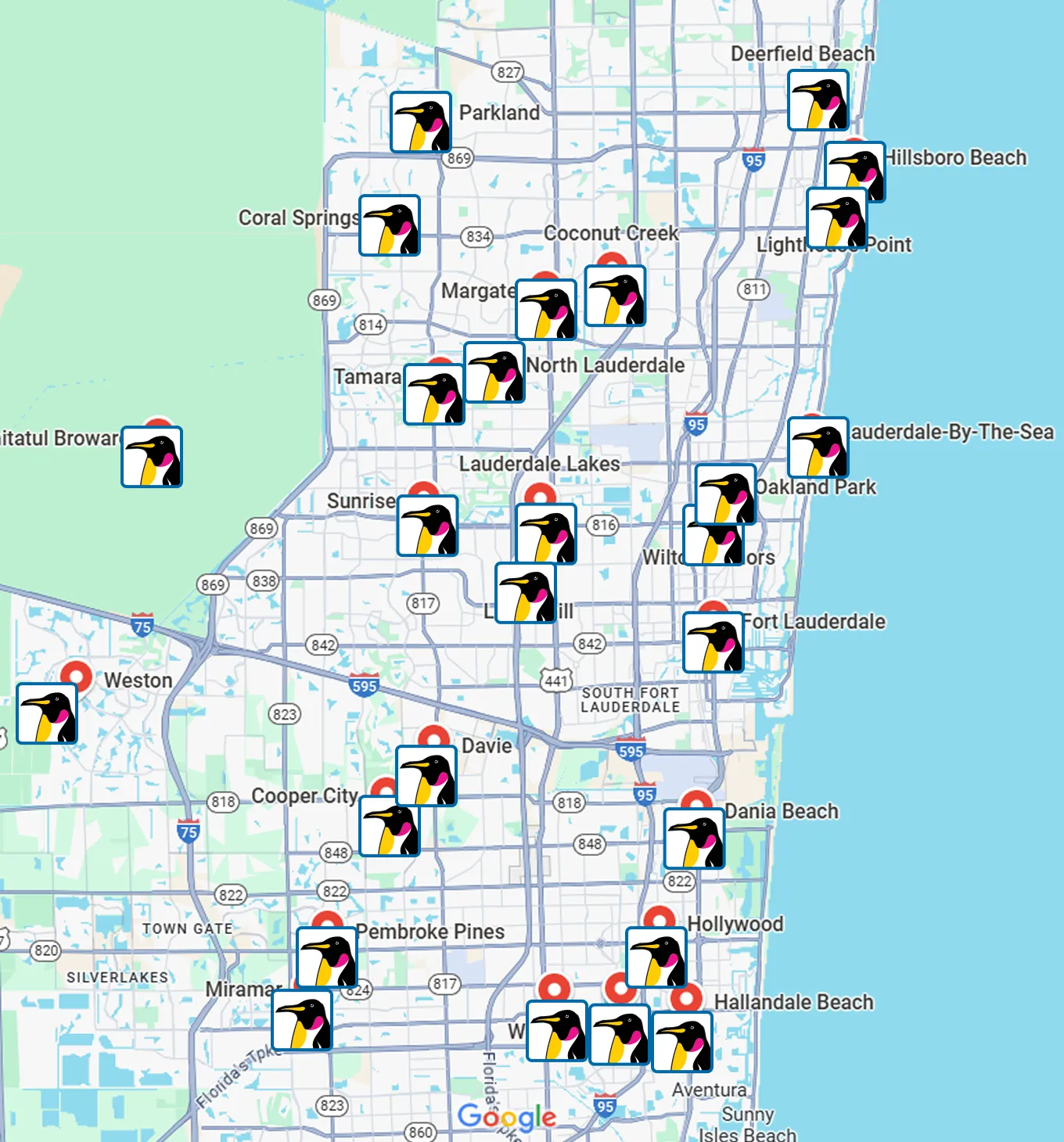
SERVICE AREAS