


Heating Maintenance in Cooper City, FL

Keeping your home comfortable and energy efficient during the brief cooler months in Cooper City depends on more than switching the thermostat. Regular, professional heating maintenance preserves system performance, prevents unexpected breakdowns, and stretches equipment life. Koolflow Air builds maintenance programs specifically for South Florida homes and understands the unique demands Cooper City residences place on heating systems: high humidity, coastal salt exposure in the region, and long cooling seasons that make heating systems sit idle for most of the year. That combination means preventive care is essential to avoid corrosion, sticky components, and delayed failures when you finally need heat.
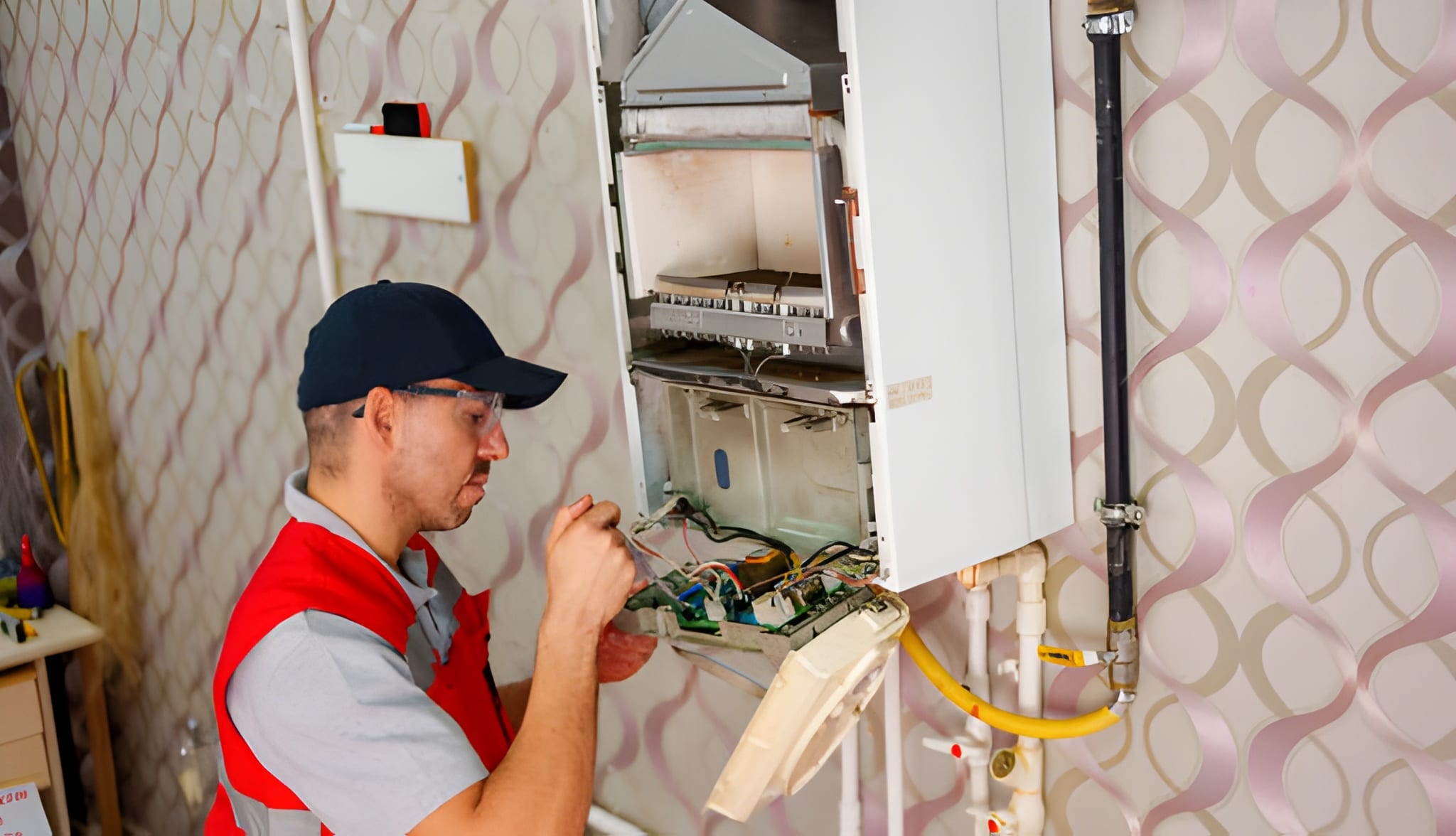
This Discover hows common heating types in Cooper City, typical heating issues in the local climate, what a complete heating maintenance program covers, diagnostic and efficiency tuning steps, recommended service schedules, membership options, and practical homeowner tips. The goal is to give you a clear, expert view of how professional maintenance protects comfort, safety, and budget in Cooper City homes.
Common heating systems in Cooper City homes
In Cooper City, Florida, homes typically use one or more of the following systems for heating:
- Heat pumps (air-source): The most common choice in South Florida because they provide both heating and cooling in one system. They are efficient when properly maintained but require refrigerant and component checks.
- Ductless mini-split systems: Popular in renovations and additions, ductless systems combine indoor air handlers with an outdoor compressor. They need annual inspections and occasional indoor coil cleaning.
- Electric resistance heating (heat strips): Often used as backup heat in heat pump systems. They are simple but expensive to run when active and should be tested for element integrity and control operation.
- Gas furnaces and gas space heaters: Less common in Broward County but present in some older or specialized installations. Gas systems require burner and heat exchanger inspections for safety.
Koolflow Air technicians are experienced with each system type and tailor maintenance tasks to equipment, age, and local environmental considerations.
Common heating issues in Cooper City homes
Even though heating demand in Cooper City is limited to the cooler months, neglect leads to these frequent problems:
- Reduced heating capacity or uneven warmth across rooms due to clogged filters, blocked ducts, or failing blowers.
- Frozen or sluggish heat pump operation because of incorrect refrigerant charge, stuck reversing valves, or faulty defrost controls.
- Corrosion and premature failure of outdoor components from high humidity and salt-laden air, especially on units in exposed yards or near main roads.
- Short cycling or frequent on/off cycles caused by malfunctioning thermostats, dirty coils, or miscalibrated safety controls.
- Safety risks like cracked heat exchangers in gas systems or electrical issues in resistance heat elements.
- Higher energy bills from un-tuned systems, poor airflow, or dirty coils reducing heat transfer efficiency.
- Delayed startups and unexpected mid-season failures after long idle periods when minor issues were allowed to worsen.
Addressing these issues through a preventative maintenance program reduces emergency repairs and keeps systems ready when temperatures drop.
What a comprehensive heating maintenance program includes
A professional seasonal tune-up concentrates on safety, reliability, and efficiency. Koolflow Air’s heating maintenance packages include the following core tasks, adjusted to the specific equipment and manufacturer recommendations:
- Visual inspection of the entire system
- Assess cabinet integrity, corrosion, wiring condition, and adequate clearances around the outdoor unit.
- Check for signs of animal nests, insect damage, or debris that can impede operation.
- Air filter inspection and replacement
- Evaluate filter type and condition; recommend and install the correct MERV-rated filter for the home.
- Discuss filter replacement cadence based on household factors such as pets, indoor air quality goals, and occupancy.
- Combustion and burner inspection (gas systems)
- Inspect burners, pilot assembly, and ignition for proper flame characteristics and clean combustion.
- Verify safe operation of gas valves and check for leaks or corrosion in the gas train.
- Heat exchanger inspection (gas furnaces)
- Visual and tool-aided inspection to identify cracks, corrosion, or holes that could cause carbon monoxide hazards.
- Test safety interlocks and limit switches to ensure they shut down the unit at unsafe conditions.
- Electrical safety checks
- Tighten electrical connections, inspect contactors, capacitors, and relays, and measure voltage and amperage where necessary.
- Verify proper operation of safety controls and high/low pressure switches.
- Thermostat calibration and control testing
- Confirm thermostat accuracy and programming, check communication with the system, and suggest upgrades to programmable or smart thermostats when appropriate.
- Blower assembly and airflow verification
- Clean blower wheel and housing, lubricate motor bearings if applicable, and measure airflow to ensure proper distribution.
- Inspect and test ductwork connections for leaks or blockages affecting heat delivery.
- Refrigerant and heat pump specific tasks
- Check refrigerant charge and pressure; inspect for leaks, and test the reversing valve and defrost cycle behavior.
- Clean and inspect indoor and outdoor coils for heat transfer efficiency.
- Efficiency tuning and combustion optimization
- Adjust burner settings, calibrate gas pressure for efficient combustion, and balance airflow to reduce energy consumption.
- Inspect condensate drainage and make sure defrost and control algorithms operate correctly.
- Safety control functional testing
- Validate limit switches, rollout switches, flame sensors, condensate overflow switches, and other protective devices operate as designed.
- Documentation and recommendations
- Provide a written report of findings, including recommended repairs, parts needing attention, and an estimated timeline to avoid failure.
Each maintenance visit follows manufacturer-prescribed steps to preserve warranties and ensure long-term reliability.
Diagnostic process and efficiency tuning explained
A methodical diagnostic approach finds root causes rather than treating symptoms. Typical steps in a professional heating diagnostic include:
- Measure static pressure, temperature split, superheat/subcooling for heat pumps, and electrical readings on motors and compressors.
- For gas systems, use combustion analyzers to read CO and efficiency metrics.
Functional testing:
- Run the system through heating cycles, initiate defrost, and observe control responses.
- Simulate load conditions to see if short cycling occurs or if temperature recovery is delayed.
Final tuning:
- Adjust refrigerant or gas flow where allowable, tighten electrical components, and fine-tune balance between indoor and outdoor units.
Efficiency tuning in Cooper City homes often focuses on ensuring heat pump refrigerant is optimal and indoor coils are clean. Even a small improvement in heat transfer or airflow can reduce energy consumption and provide a noticeable difference on monthly bills when heat is used.
Recommended maintenance schedule for Cooper City homes
Because heating is used seasonally in South Florida, the timing and frequency of checks must be strategic:
- Annual professional inspection: At minimum, schedule one detailed heating system inspection each year, ideally in late fall. That timing ensures reliability before the first cool snap.
- Heat pump dual-season checks: For homes with heat pumps, plan two checks per year: one in spring for cooling optimization and one in fall focusing on heating operation. Dual checks protect both modes and prolong system life.
- Filter replacement cadence: Replace or clean filters every 1 to 3 months depending on filter type, household conditions, and indoor air quality needs. High-humidity homes with pets should opt for more frequent changes.
- After major weather events: Schedule an inspection after significant storms or prolonged power outages. High humidity and salt spray can accelerate corrosion and electrical issues.
- Pre-warranty expiration inspection: If equipment is nearing warranty end, follow manufacturer-recommended service intervals to ensure claims remain valid.
Following a predictable schedule reduces the risk of seasonal failure and helps homeowners budget for long-term HVAC upkeep.
Membership and maintenance agreement options
Maintenance agreements simplify preventive care and provide predictable service. Typical tiers tailored for Cooper City homes might include:
- Basic Maintenance Plan
- Annual heating inspection and tune-up.
- Priority scheduling within standard business hours.
- Filter reminders and basic recommendations.
- Preferred Maintenance Plan
- Two seasonal inspections (spring and fall) covering both heating and cooling performance for heat pump systems.
- Filter replacement service at a set interval with premium filter options available.
- Minor parts inspection and discount on diagnostic fees.
- Comprehensive Protection Plan
- Two annual inspections plus premium benefits such as priority emergency response, reduced labor rates on repairs, waived diagnostic fees for covered repairs, and seasonal performance optimization.
- Scheduled filter replacement visits and seasonal coil cleaning.
- Detailed annual system report and recommended replacement planning.
Membership agreements typically outline covered tasks, frequency, and exclusions so homeowners know exactly what services they receive. For Cooper City households, plans that include more frequent checks for systems exposed to humidity and salt air are often the most cost-effective in the long run.
Benefits of regular heating maintenance
Investing in seasonal heating maintenance delivers clear, measurable advantages:
- Fewer unexpected breakdowns: Small issues are found and fixed before they escalate into system failures.
- Longer equipment life: Regular cleaning and tuning reduce wear on components like compressors, motors, and heat exchangers.
- Lower energy bills: Proper refrigerant charge, clean coils, and correct airflow lead to more efficient heat transfer and less runtime.
- Improved indoor air quality: Filter replacement and duct inspection reduce dust, allergens, and mold risk associated with high humidity.
- Enhanced safety: Burner, heat exchanger, and combustion control inspections minimize risks of carbon monoxide or fire.
- Warranty protection: Documented, manufacturer-aligned maintenance preserves warranty coverage for major components.
- Predictable budgeting: Maintenance agreements allow homeowners to spread the cost of routine service rather than facing sudden repair expenses.
For Cooper City homeowners, these benefits also mean fewer disruptions during seasonal transitions and a steady, reliable indoor environment.
Practical maintenance tips for Cooper City homeowners
Daily and seasonal habits complement professional service. Consider these straightforward tips:
- Change or clean filters regularly. Keep a simple calendar reminder to match your home’s needs.
- Keep vents and registers clear of furniture and large rugs that restrict airflow and force the system to work harder.
- Maintain outdoor unit clearance. Trim plants and remove debris within 2 to 3 feet of the outdoor condenser to ensure free airflow.
- Protect external equipment from irrigation and direct salt spray when possible. Consider a ventilated cover for long idle periods, but do not cover the unit while operating.
- Monitor your thermostat settings and upgrade to a programmable or smart thermostat if you want finer control and potential energy savings.
- After storms, visually inspect outdoor units for bent fins, debris, or pooling water that could affect operation.
- Keep drain lines and condensate pans clear and check for standing water which can cause corrosion and odors.
These steps reduce strain on systems between professional visits and can extend intervals between repairs.
Q: How often should I have heating maintenance in Cooper City, FL?
A: At minimum, schedule a professional heating inspection once a year in late fall. If you have a heat pump, plan two seasonal checks (spring and fall) because the system handles both cooling and heating duties.
Q: Are heat pumps common in Cooper City and do they need special care?
A: Yes, heat pumps are common. They require refrigerant checks, defrost control testing, and coil cleaning. Because they sit idle in winter and work hard in cooling months, biannual inspections are recommended.
Q: What does a seasonal tune-up include?
A: A thorough tune-up covers filter replacement or inspection, blower cleaning, thermostat calibration, electrical safety checks, refrigerant and compressor checks for heat pumps, burner and heat exchanger inspection for gas units, and written documentation of findings.
Q: Will maintenance reduce my heating bills?
A: Proper maintenance improves efficiency by ensuring clean coils, correct refrigerant charge, and optimal airflow. These adjustments usually reduce runtime and can lower energy bills when heating is used.
Q: Do maintenance visits help with warranty coverage?
A: Yes. Following manufacturer-recommended maintenance schedules and keeping documented service records helps maintain warranty eligibility for many parts and systems.
Q: What should I do after a storm or hurricane?
A: Visually inspect outdoor units for debris, damaged fins, and standing water. Schedule a professional inspection to check electrical components and controls before returning the system to regular use.
Q: How does high humidity and salt air in South Florida affect heating systems?
A: High humidity accelerates corrosion and promotes mold growth, while salt air can corrode outdoor components and electrical connections. Regular inspections and corrosion-resistant treatments or timely replacements are important in Cooper City.
Q: Are ductless mini-splits different to maintain?
A: Ductless systems require indoor coil cleaning, filter cleaning or replacement, and outdoor unit checks similar to heat pumps. They also need regular inspection of wall-mounted units and condensate lines.
Q: What membership benefits should I look for in a maintenance agreement?
A: Look for plans offering scheduled tune-ups, filter service or reminders, priority scheduling, diagnostic fee waivers for covered repairs, and discounts on labor and parts. Plans tailored to local climate stressors like humidity and salt air perform best for Cooper City homes.
Q: Can regular maintenance prevent carbon monoxide risks with gas systems?
A: Professional inspection of burners and heat exchangers significantly reduces carbon monoxide risks by detecting cracks, improper combustion, and faulty safety controls before they become hazardous.
Koolflow Air’s maintenance programs are built to match the climate and usage patterns of Cooper City homes. With predictable, expert care, your heating system will run safer, more efficiently, and with fewer surprises when you rely on it.


Hear what our satisfied
clients have to say

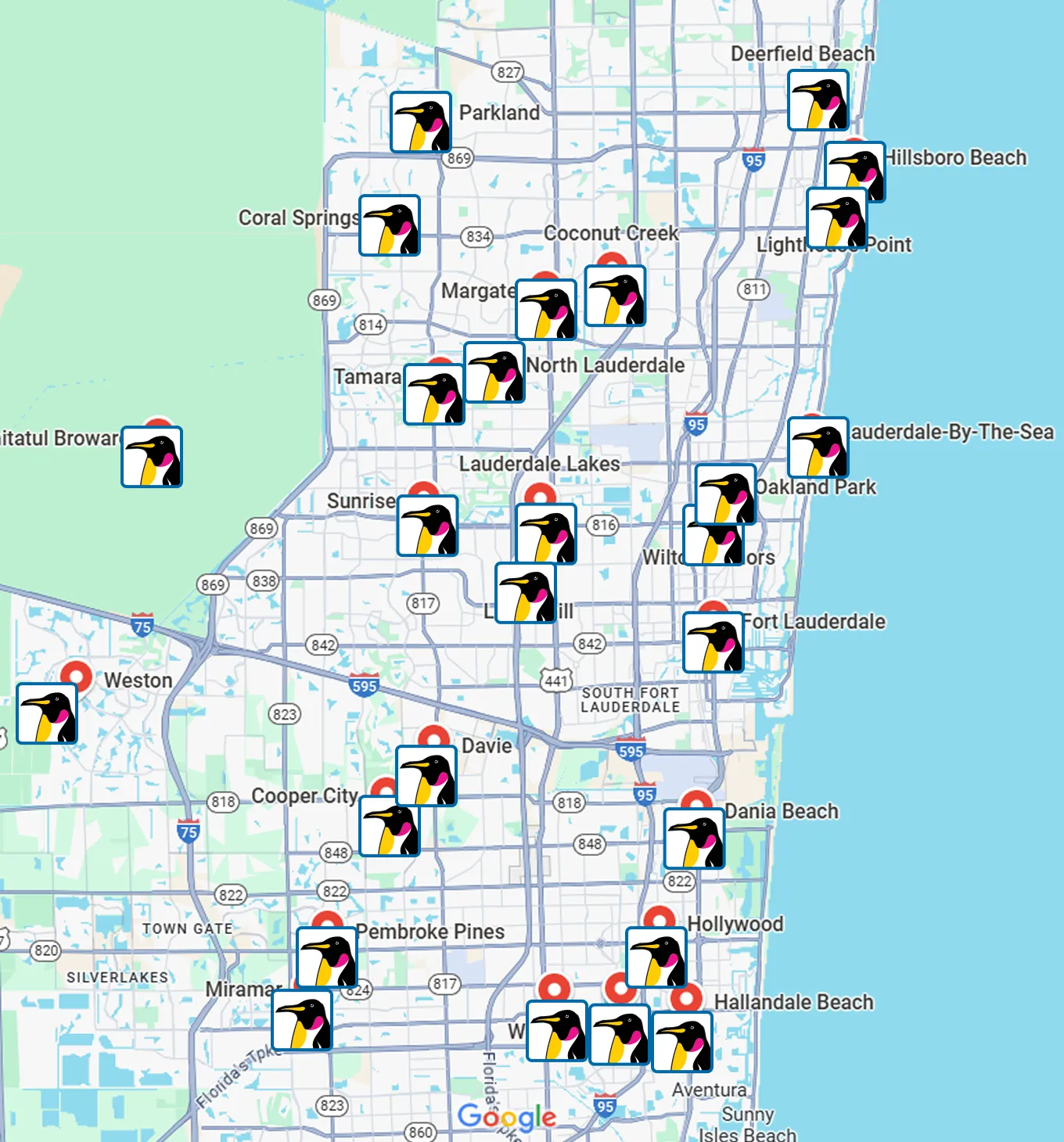
SERVICE AREAS