


Heating Maintenance in Coral Springs, FL

Keeping your home comfortable and safe during the cooler months in Coral Springs starts with routine heating maintenance. Even though South Florida winters are relatively mild, proper upkeep of heating systems is essential for reliable performance, indoor air quality, energy efficiency, and equipment longevity. Koolflow Air understands the unique conditions in Coral Springs homes and offers preventative heating maintenance programs designed to catch problems before they become costly failures. This page Expert tips for what proactive heating maintenance includes, common heating issues in Coral Springs, how technicians diagnose and tune systems, and the long-term benefits of signing up for scheduled service.
Why heating maintenance matters in Coral Springs, FL
Coral Springs has a subtropical climate: hot, humid summers and short, mild winters. That climate creates a set of stresses and failure modes for heating equipment that differ from colder regions. Many local homes rely on heat pumps, packaged systems, or ductless mini-splits rather than high-capacity gas furnaces, and those systems work year-round to provide both cooling and supplemental heating. Because heating may be used intermittently, small problems can go unnoticed until the first cool snap.
Routine maintenance addresses these realities by:
- Ensuring heat pumps and electric heating elements are ready for occasional use without sudden failure.
- Reducing moisture-related corrosion on electrical components and connectors caused by year-round humidity.
- Preventing mold and microbial growth in ducts and on coils due to high humidity.
- Maintaining thermostat accuracy so homes stay comfortable while avoiding unnecessary runtime.
Koolflow Air builds maintenance programs that recognize Coral Springs patterns: lower heating demand but ongoing exposure to humidity and occasional coastal salt air. Proper seasonal tune-ups help systems run efficiently and safely when you need heat.
Common heating system types and issues in Coral Springs homes
Heating systems in Coral Springs often include heat pumps, ductless mini-splits, electric furnaces, and in some properties, gas furnaces. Each type has its own maintenance needs and common problems.
Common systems:
- Heat pumps (most common) — provide heating and cooling year-round.
- Ductless mini-splits — require coil and filter care, plus occasional refrigerant checks.
- Electric furnaces and electric resistance heaters — rely on clean filters and safe electrical operation.
- Gas furnaces (less common) — require combustion and flue inspections for safety.
Frequent problems seen in Coral Springs:
- Reduced heating capacity after long cooling seasons due to dirty coils or clogged filters.
- Short cycling on heat pumps caused by thermostat errors, restricted airflow, or refrigerant issues.
- Corrosion of outdoor unit components from humidity and salt-laden air if near the coast.
- Accumulation of debris and microbial growth in ductwork and on heat exchangers from high humidity.
- Electrical connection issues from condensation forming on terminals or control boards.
- Inefficient operation from uncalibrated thermostats or blocked return vents.
- Intermittent operation caused by failing capacitors or blower motors stressed by summer use.
Understanding these typical issues helps target maintenance that prevents breakdowns and improves comfort.
What a full seasonal heating tune-up covers
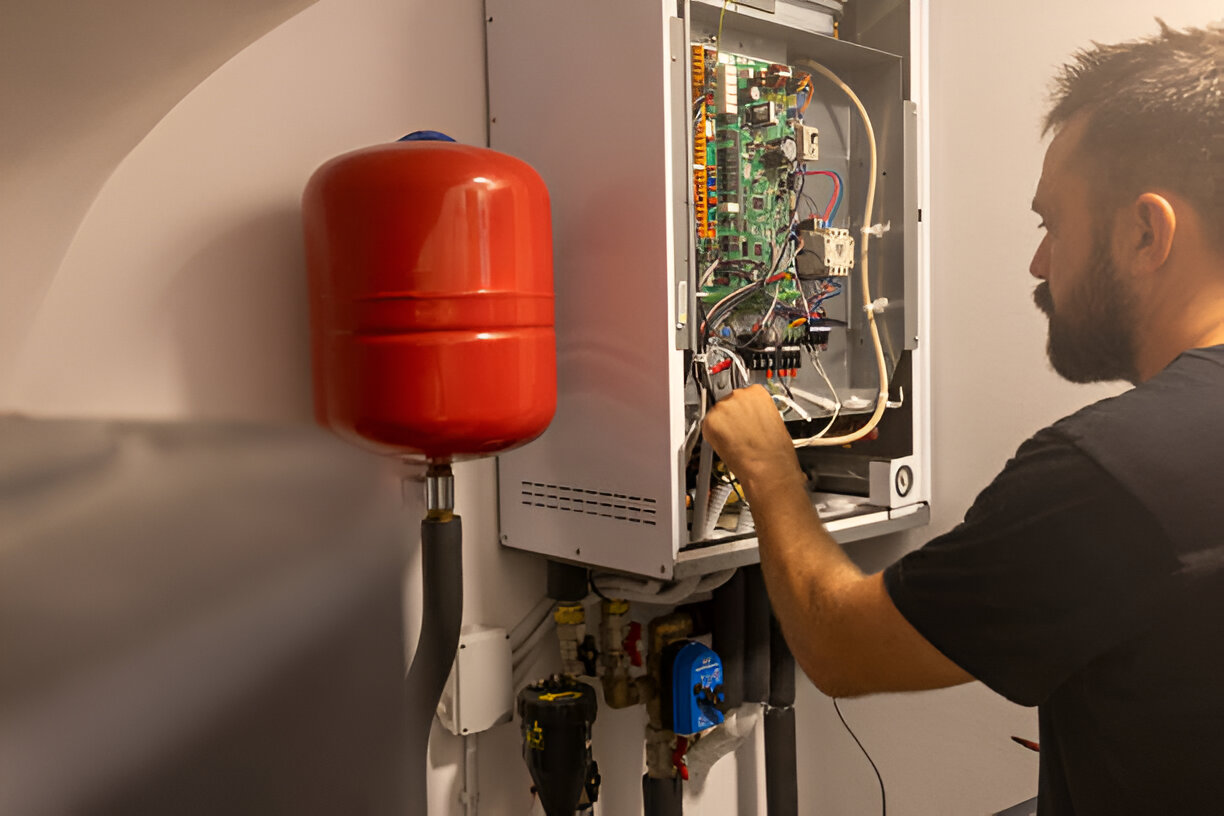
A comprehensive heating maintenance visit covers safety, performance, and efficiency checks tailored to the system type. Regular seasonal tune-ups identify wear before failure and keep systems operating within manufacturer specifications.
Core elements of a full heating tune-up:
- Safety inspection
- Visual inspection of combustion components for gas systems to detect leaks or unsafe conditions.
- Heat exchanger inspection for cracks or corrosion that could cause combustion gases to enter the living space.
- Verification of proper venting and flue integrity for gas-fired systems.
- Filter and airflow checks
- Replace or advise on proper filtration to maintain airflow and indoor air quality.
- Check return and supply vents for blockages and ensure adequate airflow to prevent overheating or short cycling.
- Electrical and mechanical inspection
- Tighten and inspect electrical connections, relays, and capacitors.
- Inspect blower motor, belts, bearings, and fan blades for wear and correct operation.
- Cleaning of burners, coils, and heat exchangers
- Clean burners and combustion chambers for efficient ignition and stable flame patterns.
- Clean indoor coils and evaporator coils on heat pumps or mini-splits to restore heat transfer efficiency.
- Remove dust, dirt, and microbial buildup from heat exchangers and surfaces where applicable.
- Refrigerant and performance checks (for heat pumps and systems with refrigerant)
- Measure refrigerant charge and pressures for optimal heat transfer.
- Inspect for signs of leaks and verify system balance between indoor and outdoor units.
- Thermostat calibration and control testing
- Verify thermostat settings and calibrate so setpoint temperature matches actual room temperature.
- Test safety controls, limit switches, and system cycling behavior.
- Combustion analysis and carbon monoxide check (gas systems)
- Test combustion efficiency and check for unsafe CO levels.
- Confirm proper draft and flue performance.
- System performance testing
- Measure temperature rise across the heat exchanger or delta T for heat pumps.
- Monitor runtime patterns and detect short cycling or unusual noise signatures.
- Documentation and recommendations
- Provide a written summary of the system condition, any identified issues, and prioritized repair recommendations.
- Note parts that are wearing and advise on replacement timelines to avoid unexpected failures.
Each of these steps addresses common failure points and maximizes safety and efficiency.
Diagnostic approach: how technicians find the root cause
A good maintenance program does more than inspect components; it uses diagnostic steps to identify root causes for reduced performance or recurring faults.
How technicians approach diagnostics:
- Start with system history and user observations
- Review any recent changes in comfort, noise, or energy use reported by the homeowner.
- Perform baseline measurements
- Record temperatures, amp draw on motors, refrigerant pressures, and airflow measurements to compare against expected values.
- Isolate subsystems
- Test the thermostat and control wiring separately from the HVAC hardware to identify control vs mechanical issues.
- Use visual and instrument-based inspection
- Visual checks for corrosion, rust, and mechanical damage; instrument tests for gas leaks, CO levels, and electrical continuity.
- Recreate faults if intermittent
- Run system through typical cycles and stress conditions to observe behavior that only appears during certain conditions.
- Provide a clear diagnosis and repair scope
- Offer detailed findings with options for immediate repairs and longer-term preventive replacements.
This methodical approach reduces repeat visits and provides homeowners in Coral Springs with reliable answers rather than temporary fixes.
Typical maintenance repairs and solutions explained
Maintenance visits commonly reveal a handful of fixable issues. Below are straightforward explanations of typical repairs and why they matter.
Filter replacement and airflow restoration
- Problem: Clogged filters restrict airflow, cause the blower to work harder, and reduce heat transfer.
- Solution: Replace or upgrade filters and clean return grilles. Proper airflow prevents short cycling and reduces energy use.
Refrigerant recharge and leak repair (heat pumps)
- Problem: Low refrigerant reduces heating capacity and can lead to compressor damage.
- Solution: Locate and repair leaks, then recharge to manufacturer specifications. Correct charge improves efficiency and extends equipment life.
Capacitor or relay replacement
- Problem: Failed capacitors or relays cause motors and compressors to struggle or not start.
- Solution: Replace failing electrical components. This restores reliable startups and prevents burnouts.
Blower motor service and belt replacement
- Problem: Worn motors or belts reduce airflow and create noise.
- Solution: Lubricate, tighten, adjust, or replace components to restore correct airflow and quiet operation.
Combustion and heat exchanger repair (gas units)
- Problem: Cracked heat exchangers or poor combustion are safety hazards and reduce efficiency.
- Solution: Proper cleaning, adjustment, or replacement of damaged components and flue repairs ensure safe operation and reduce CO risk.
Coil cleaning and condensate maintenance
- Problem: Dirty coils and blocked condensate drains cause reduced heat transfer, icing, and microbial growth.
- Solution: Deep clean coils and clear drains to restore performance and mitigate mold and odor issues.
Thermostat calibration or replacement
- Problem: Inaccurate thermostats cause temperature imbalance and unnecessary runtime.
- Solution: Calibrate or replace controls and advise on smart thermostat options that improve comfort and efficiency.
Each maintenance-related repair is aimed at restoring system function, preventing repeat breakdowns, and optimizing lifecycle cost.
Maintenance agreements and why they make sense in Coral Springs
Maintenance agreements formalize seasonal care and deliver predictable benefits for homeowners. In Coral Springs, where humidity and year-round HVAC usage create specific wear patterns, a maintenance plan is an effective way to keep systems in top condition.
Benefits typically included in maintenance agreements:
- Scheduled seasonal tune-ups to prepare systems before heating or cooling seasons.
- Priority scheduling for service visits to reduce wait times during peak weather events.
- Regular documentation of system condition and service history for warranty compliance and resale value.
- Predictable maintenance cadence that catches small issues early.
- Potential reduced risk of emergency breakdowns during cold snaps or storms.
Maintenance agreements are about predictable, planned care. For Coral Springs residents who want peace of mind that their home systems will function reliably when needed, they provide structure and documented proof of ongoing maintenance — a factor that matters for equipment longevity and home value.
Energy efficiency, cost savings, and equipment longevity
Proactive maintenance directly impacts energy use, indoor air quality, and the useful life of heating equipment.
Energy and cost benefits:
- Clean filters and coils reduce system runtime by improving heat transfer and airflow, lowering energy consumption.
- Proper refrigerant charge and calibrated controls ensure the system operates at manufacturer efficiency levels rather than wasting energy.
- Timely replacement of worn components prevents cascading failures that lead to expensive compressor or heat exchanger replacements.
Longevity and reliability:
- Routine maintenance slows the wear that comes from heavy year-round cooling in South Florida.
- Early detection of corrosion, refrigerant leaks, and electrical degradation prevents catastrophic failures.
- Maintaining records and service intervals helps preserve manufacturer warranties and supports higher resale value if you sell your home.
In short, routine maintenance is an investment that pays back through reduced energy bills, fewer emergency repairs, and longer equipment life.
Indoor air quality and comfort improvements
Heating maintenance impacts more than just whether your system produces warm air. It also affects the cleanliness and distribution of your home’s indoor air.
Indoor air quality benefits from maintenance:
- Filter replacement and cleaning reduce dust, pollen, and particulate loads in the home.
- Coil and drain cleaning reduce moisture pockets that encourage mold and bacterial growth.
- Proper airflow balance reduces hot and cold spots and improves consistent, comfortable heating in every room.
For Coral Springs homes, where humidity can encourage microbial growth during low-use heating periods, regular maintenance helps ensure a healthier indoor environment.
Seasonal timing and how often to schedule service
Because Coral Springs experiences mild winters, homeowners sometimes delay heating maintenance until an equipment failure occurs. A better approach is to schedule preventive maintenance at predictable intervals.
Recommended timing:
- Heat pumps and ducted systems: Two maintenance visits per year are ideal — once in spring focused on cooling-season preparation and once in fall focused on heating readiness.
- Ductless mini-splits: At least annual service, with coil and filter checks more frequently if heavy pollen or dust loads are present.
- Gas furnaces or backup heaters: Annual inspection before the first use in cooler months to verify safe combustion and flue operation.
Regularly timed visits catch seasonal wear and reduce the likelihood of failures at the moment you need your heating system.
What to expect from a professional maintenance visit
A professional maintenance visit should be transparent, documented, and thorough. Homeowners can expect the following during a standard service call:
- Arrival with appropriate tools and diagnostic equipment.
- A systematic inspection and cleaning as outlined in the tune-up checklist.
- Measurement of system performance and comparison to expected values.
- Clear documentation of findings, including photos or notes if there are safety issues.
- Honest recommendations for repairs or parts replacements, prioritized by safety and urgency.
Quality service focuses on insights and prevention rather than quick fixes, giving homeowners the information needed to make informed choices about their HVAC systems.
Maintenance tips homeowners can use between service visits
While professional maintenance is essential, homeowners can take simple steps to protect their systems between visits:
- Replace or clean filters monthly during heavy use and at least every 90 days otherwise.
- Keep outdoor units clear of vegetation, debris, and stored items to preserve airflow.
- Ensure vents and registers are not blocked by furniture or curtains.
- Monitor thermostat settings for unusual changes or short cycling and note them for the technician.
- Keep areas around indoor equipment dry and free from clutter to reduce moisture and corrosion risk.
These small practices reduce system strain and help future tune-ups be more effective.
Frequently asked questions
Q: How often should I schedule heating maintenance for a heat pump in Coral Springs?
A: For heat pumps in Coral Springs, schedule maintenance twice a year — once in spring to prepare for cooling and once in fall to prepare for heating. This cadence addresses year-round use and humidity-related wear.
Q: Can maintenance improve my system's efficiency enough to lower utility bills?
A: Yes. Routine cleaning, correct refrigerant charge, calibrated controls, and clear airflow all reduce runtime and improve heat transfer, which typically lowers energy consumption compared to an unmaintained system.
Q: Do gas furnaces require different checks than heat pumps?
A: Yes. Gas furnaces require combustion analysis, flue and vent inspections, and heat exchanger checks for safety, while heat pumps focus more on refrigerant charge, reversing valve operation, and coil cleanliness.
Q: Is filter replacement necessary even if my system is seldom used for heat?
A: Yes. Filters trap dust and moisture that build up year-round. Even when heating is used intermittently, clean filters ensure airflow and protect indoor components from dirt and microbial growth.
Q: What signs indicate I need maintenance right away?
A: Signs include unusual noises, cold spots, persistent odors, visible rust or corrosion, frequent short cycling, and fluctuation in thermostat readings. Any of these warrant a professional inspection.
Q: Will regular maintenance extend the life of my equipment?
A: Regular maintenance significantly extends equipment life by preventing stress on motors, compressors, and burners, and by identifying corroded or failing parts before they cause major damage.
Q: Do maintenance agreements include priority service during storms or cold snaps?
A: Maintenance agreements commonly include priority scheduling and regular tune-ups. The specific benefits vary by plan, but scheduled service helps ensure systems are ready for peak demand.
Q: How does Coral Springs humidity affect my heating equipment?
A: High humidity contributes to condensation and corrosion on electrical components and metallic surfaces. It also encourages microbial growth in coils and drains. Regular maintenance addresses these humidity-related risks.
Q: Can I do any of the tune-up tasks myself?
A: Homeowners can change filters, keep outdoor units clear, and check vents. However, diagnostics, refrigerant handling, combustion analysis, and electrical repairs require certified technicians to ensure safety and proper function.
Q: Why is documentation of maintenance important when selling a home?
A: Written maintenance records demonstrate consistent care, support warranty claims, and reassure buyers that the HVAC system has been maintained, which can affect perceived value and buyer confidence.


Hear what our satisfied
clients have to say

SERVICE AREAS