


Heating Maintenance in Hillsboro Beach, FL

Keeping your heating system running efficiently and reliably in Hillsboro Beach, FL requires a maintenance plan tailored to coastal conditions, heat pump prevalence, and seasonal usage patterns. Koolflow Air provides heating maintenance services designed to protect comfort, reduce energy waste, and extend equipment life while addressing the specific challenges Florida homes face. Discover how what our routine heating maintenance programs and seasonal tune-ups cover, Expert tips for inspection checklists and cleaning and calibration tasks, describes preventive care benefits, recommends service intervals, and details maintenance agreement options so you can choose the level of protection that fits your home.
Why heating maintenance matters in Hillsboro Beach, FL
Even though winters in Hillsboro Beach are mild compared with northern climates, heating systems still work during cooler months and require attention. Most local homes use heat pumps, packaged units, or occasional auxiliary gas or electric heat. Coastal humidity, salt air, and temperature swings introduce unique stressors: corrosion of outdoor coils and fan motors, accelerated wear on exposed components, and higher risk of moisture-related issues in ductwork and indoor components. Routine heating maintenance lowers the chance of mid-season failures, keeps operating costs predictable, and preserves indoor comfort and air quality.
Common homeowner pain points addressed by heating maintenance:
- Reduced or inconsistent warmth during cool nights
- Rising energy bills in winter months
- Unusual noises or frequent short cycling
- Musty odors or visible mold in ducts or plenum
- System trips on safety switches or fails to start reliably
Koolflow Air builds maintenance programs to target these issues with thorough inspections, cleaning, calibration, and clear reporting so you understand what was done and why.
Types of heating systems we service in Hillsboro Beach
- Heat pumps (single-stage, multi-stage, variable-speed)
- Packaged rooftop systems common in coastal homes
- Electric furnaces and auxiliary electric heat strips
- Gas furnaces where present in converted properties
- Ductless mini-split heating systems
- Hybrid systems combining heat pump and gas furnace
Our procedures are adapted to each system type and to conditions common in Hillsboro Beach properties, including salt exposure and higher humidity levels.
Standard heating maintenance inspection checklist
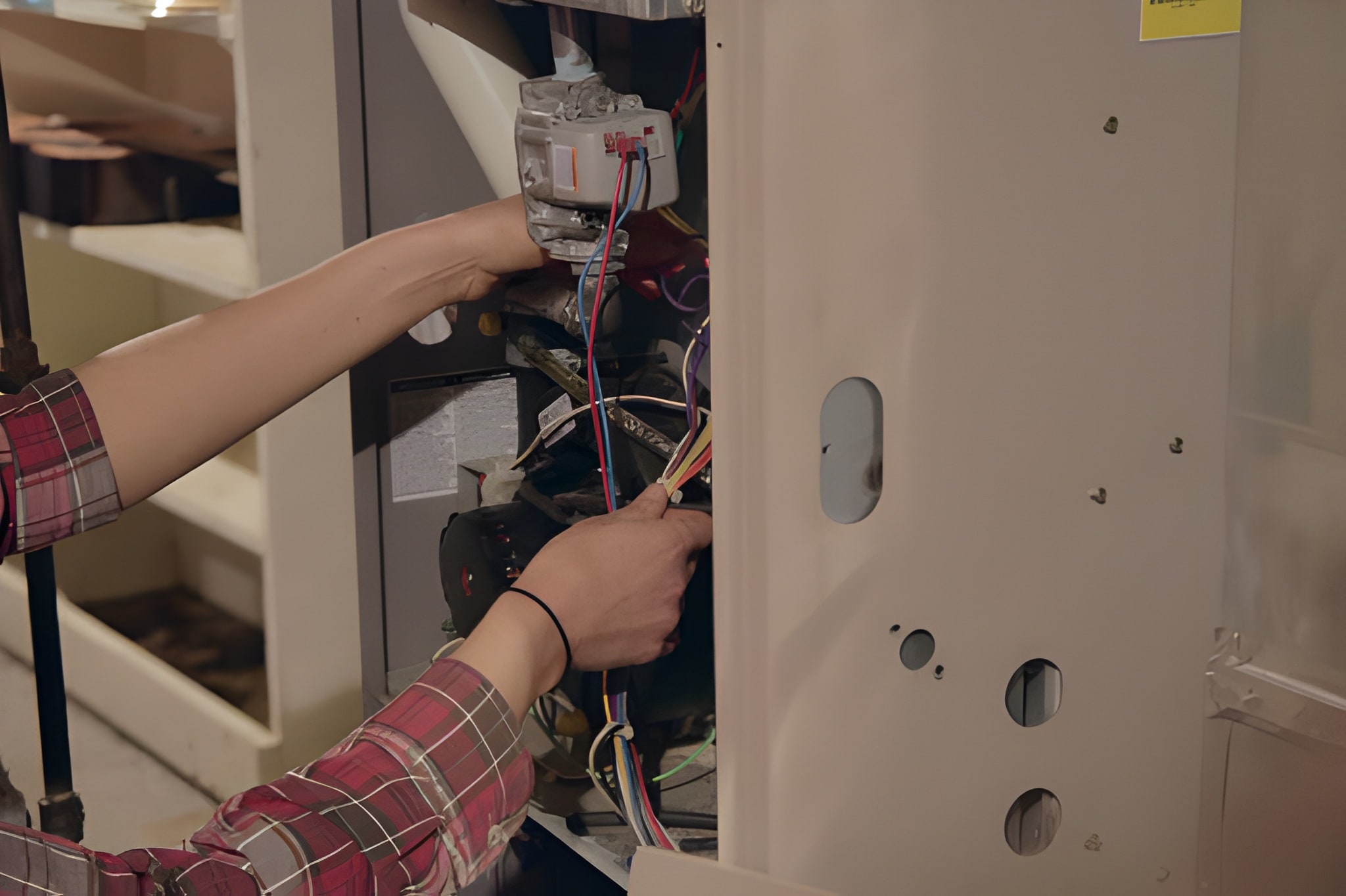
During a routine heating maintenance visit we perform a comprehensive inspection using a consistent checklist. Items typically inspected include:
- Air filter condition and replacement if needed
- Thermostat settings, sensor function, and calibration
- System start-up and sequence of operation
- Blower motor and fan operation, including belts and pulleys where applicable
- Heating elements, heat strips, or gas burners for proper ignition and combustion where applicable
- Heat exchanger or indoor coil for cracks, corrosion, or damage (gas systems)
- Outdoor unit coil and fins for corrosion, salt buildup, and debris
- Refrigerant charge check on heat pumps and leak detection where indicated
- Defrost cycle operation on heat pumps and reversing valve function
- Electrical connections, contactors, relays, and control board inspection
- Safety controls and limit switches tested for proper operation
- Condensate drain, pans, and trap condition and clearance
- Ductwork visual inspection for leaks, insulation gaps, and moisture
- System airflow measurements and static pressure checks
- Combustion analysis and carbon monoxide testing for gas systems
- Outdoor unit mounting and clearance from vegetation and salt exposure
Each inspection produces a clear, easy to read summary of findings and recommended next steps to restore or improve performance.
Cleaning and calibration tasks included in a tune-up
Maintaining performance is more than inspection. A proper tune-up involves cleaning and precise adjustments:
- Replace or clean air filters and recommend appropriate filter MERV ratings for your home
- Clean indoor coils, blower housing, and evaporator assemblies to restore heat transfer
- Clean outdoor coil fins using low-pressure rinsing and coil-safe detergents to remove salt and debris
- Straighten and fin-comb bent coil fins to maximize airflow
- Vacuum and remove dust buildup from burner assemblies and heat exchangers when accessible
- Test and calibrate thermostat settings, differential, and schedules
- Tighten electrical connections and check voltage and amperage on motors and compressors
- Lubricate bearings and moving parts where manufacturer permits
- Adjust blower speeds and fan settings to meet required CFM and static pressure targets
- Check and calibrate expansion valves and metering devices on heat pump systems
- Verify refrigerant pressures and adjust charge to manufacturer specifications when leaks are not present
- Inspect and clear condensate lines and traps; treat drain pans to inhibit biological growth
- Test startup and shutdown sequences, ensuring proper delays and safeties
- Perform combustion tuning and analyze flue gases for gas units to optimize efficiency and safety
These tasks focus on restoring original system performance, improving efficiency, and preventing failures caused by dirt, misalignment, or incorrect calibration.
Diagnostic process and reporting
A clear, methodical diagnostic process ensures you know exactly how your system is performing:
This transparent reporting helps you make informed decisions about repairs, upgrades, or replacement timing based on data rather than guesswork.
Preventive care benefits — why schedule regular heating maintenance
Regular heating maintenance delivers measurable benefits, especially for Hillsboro Beach homes:
- Improved efficiency: A clean, calibrated system uses less energy to deliver the same comfort, lowering bills even during occasional cold snaps.
- Greater reliability: Routine checks catch worn or failing parts before they cause breakdowns at inconvenient times.
- Longer equipment life: Reducing stress and maintaining proper operating conditions keeps compressors, motors, and heat exchangers working longer.
- Better indoor air quality: Filter changes and coil cleaning reduce dust, pollen, and microbial growth that thrive in humid climates.
- Safety assurance: Combustion analysis and carbon monoxide testing protect occupants from dangerous combustion issues in gas systems.
- Preserved warranties: Many manufacturer warranties require documented routine maintenance to remain valid.
- Predictable expenses: With scheduled tune-ups and documented findings you reduce the risk of unexpected emergency repairs.
- Optimized comfort: Proper airflow, thermostat calibration, and balanced systems eliminate hot and cold spots and maintain stable temperatures.
In coastal Hillsboro Beach, addressing corrosion and moisture early prevents accelerated wear and costly component replacement.
Recommended service intervals for Hillsboro Beach systems
General recommendations based on system type and local conditions:
- Heat pumps and packaged systems: Two visits per year, once in spring for cooling tune-up and once in fall for heating tune-up. Coastal exposure can warrant more frequent checks, such as every 6 months for outdoor components.
- Gas furnaces: Annual inspection and tune-up prior to the first heating cycle of the season. Combustion analysis and heat exchanger inspection should be performed during the annual visit.
- Ductless mini-splits: Annual cleaning and filter service, with outdoor unit inspections for corrosion. More frequent filter maintenance may be required in dusty or coastal environments.
- Homes with severe salt spray exposure or high humidity inside crawlspaces: Consider quarterly visual checks and annual professional inspections to prevent corrosion and moisture buildup.
These intervals balance system longevity with practical usage patterns in South Florida. For heat pump-dependent systems serving primary comfort needs through winter, biannual service is the best practice.
Common heating problems in Hillsboro Beach and how maintenance prevents them
- Corroded outdoor coils and motors: Salt air speeds corrosion, reducing heat transfer efficiency. Regular cleaning and protective treatments help prevent premature failure.
- Short cycling: Often caused by clogged filters, improper thermostat calibration, or refrigerant issues. Maintenance restores correct operation and finds root causes.
- Inadequate airflow and duct leakage: Humidity and attic penetration can promote mold or gaps. Airflow balancing and duct sealing prevent comfort loss and energy waste.
- Defrost cycle failures on heat pumps: Regular checks of defrost controls and reversing valves keep heat pumps running efficiently in cool conditions.
- Refrigerant leaks and low charge: Reduced heating capacity and higher run time result from leaks. Maintenance includes leak detection and correction recommendations.
- Dirty burners or misaligned burners in gas systems: Leads to poor combustion and potential safety risks. Combustion tuning and cleaning address this.
- Condensate blockages and bacterial growth: Frequent in humid climates and can cause overflow and indoor air issues. Drain cleaning and pan treatment mitigate risks.
Addressing these issues proactively through maintenance reduces repair frequency and improves system reliability.
Maintenance agreement options tailored to Hillsboro Beach homes
Koolflow Air structures maintenance agreements to match homeowner needs and the realities of coastal Florida. Typical tiers and features include:
Basic Protection Plan
- Annual heating tune-up
- Standard inspection checklist and cleaning tasks
- Filter change discount and service reminder scheduling
- Maintenance report and prioritized recommendations
Comprehensive Comfort Plan
- Biannual maintenance visits (heating and cooling)
- Priority scheduling for service appointments
- Discounted diagnostics and labor for repairs
- Annual safety and combustion analysis for gas systems
- Seasonal system optimization and airflow balancing
- Documented equipment history and maintenance logs
Premium Coastal Care Plan
- Quarterly visual checks for outdoor unit condition
- Biannual tune-ups with advanced diagnostics and refrigerant pressure verification
- Corrosion preventative treatments for outdoor coils and exposed fasteners
- Parts and labor discounts for common wear items
- Waived diagnostic fees for priority emergency response
- Filter delivery options and HVAC performance monitoring where available
Common agreement benefits across tiers:
- Scheduled appointments to protect your preferred service windows
- Detailed documentation for warranty compliance
- Predictable maintenance costs and simplified record keeping
- Enhanced resale value with maintenance records proving system care
Agreements can be customized by system type, home occupancy patterns, and proximity to the coast to ensure coverage matches the level of exposure and usage.
Best practices and homeowner tips between professional visits
- Change or clean filters every 1 to 3 months depending on type and indoor air quality demands.
- Keep 2 to 3 feet of clearance around outdoor units and rinse salt spray off periodically with fresh water if safe to do so.
- Monitor thermostat settings and consider programmable or smart thermostats to manage runtime and avoid unnecessary cycles.
- Ensure attic and wall insulation meet local recommendations to reduce system workload.
- Keep vents and registers unobstructed and consider a seasonal duct inspection if you notice moisture or odors.
- Note unusual noises, odors, or changes in runtime and record dates and conditions to share with technicians during the next maintenance visit.
Following these simple steps extends the benefits of professional maintenance and helps prevent small issues from becoming significant repairs.
How maintenance supports efficiency and sustainability in Hillsboro Beach
Maintaining heating systems in top condition is not only a cost matter but an environmental one. Efficient systems:
- Use less electricity or fuel per unit of heat delivered, lowering greenhouse gas emissions associated with energy generation.
- Reduce peak demand by operating correctly during cold spells, which supports grid stability.
- Minimize refrigerant leaks that can contribute to global warming potential when released into the atmosphere.
For Hillsboro Beach homeowners, preserving efficiency through regular maintenance is a practical way to reduce monthly energy consumption and support broader sustainability goals.
When maintenance shows a need for repair or replacement
Routine maintenance often identifies worn components or systemic issues that require repair. Typical examples include:
- Compressor or motor bearings showing wear
- Significant refrigerant loss indicating a leak
- Heat exchanger damage or advanced corrosion in gas units
- Repeated electrical failures or control board issues
- Severe coil corrosion reducing capacity beyond economical repair
When replacement is the most cost effective or safest option, maintenance reports include clear comparisons of repair versus replacement, estimated remaining life, and efficiency implications. This helps homeowners plan capital expenditures with factual data.
Q: How often should a Hillsboro Beach home with a heat pump receive professional maintenance?
A: Heat pump systems in Hillsboro Beach should receive professional maintenance at least twice per year, once before the cooling season and once before the cooler months, with additional attention to outdoor coil care due to coastal salt exposure.
Q: Do heat pumps need refrigerant checks even if they seem to be heating fine?
A: Yes. Refrigerant levels can slowly decline or be imbalanced, reducing efficiency and increasing wear. Regular pressure checks help detect issues before they cause larger failures.
Q: Will routine maintenance prevent all heating system failures?
A: Routine maintenance significantly reduces the likelihood of unexpected failures and lowers repair costs, but it cannot prevent every failure due to age, extreme weather events, or sudden component defects.
Q: Are combustion and carbon monoxide checks included for gas heating?
A: Combustion analysis and carbon monoxide tests are standard parts of the heating tune-up for gas systems to ensure safe and efficient operation.
Q: How does living near the ocean affect my heating system?
A: Salt-air exposure accelerates corrosion of outdoor coils, fasteners, and motors. Coastal homes often require more frequent visual inspections, coil cleaning, and protective treatments.
Q: Does maintenance help with indoor air quality?
A: Yes. Filter replacement, coil cleaning, condensate drain care, and addressing duct issues reduce dust, allergens, and microbial growth that can affect indoor air quality.
Q: Are filters included in maintenance agreements?
A: Many maintenance agreements include filter discounts, scheduled replacements, or filter delivery options depending on the plan chosen.
Q: Should I have both heating and cooling inspected at the same time?
A: For heat pumps and combined systems, scheduling both heating and cooling tune-ups twice a year is recommended. For separate systems, inspect each before its primary season.
Q: How long does a typical heating tune-up take?
A: Most comprehensive heating tune-ups take between 60 and 120 minutes depending on system complexity and any minor repairs performed during the visit.
Q: Can maintenance extend the life of my equipment?
A: Yes. Proper cleaning, lubrication, calibration, and early detection of wear can add years to a system by preventing stress and failure of key components.
Koolflow Air structures its maintenance services to provide the right balance of preventive care, coastal protection, and clarity for Hillsboro Beach homeowners. Our focus is on actionable maintenance that improves comfort, lowers operating costs, and preserves equipment value while addressing the local conditions that influence performance. Regular tune-ups, clear documentation, and tailored maintenance agreements help homeowners maintain reliable, efficient heating systems year after year.


Hear what our satisfied
clients have to say


SERVICE AREAS