


Heating Maintenance in Parkland, FL

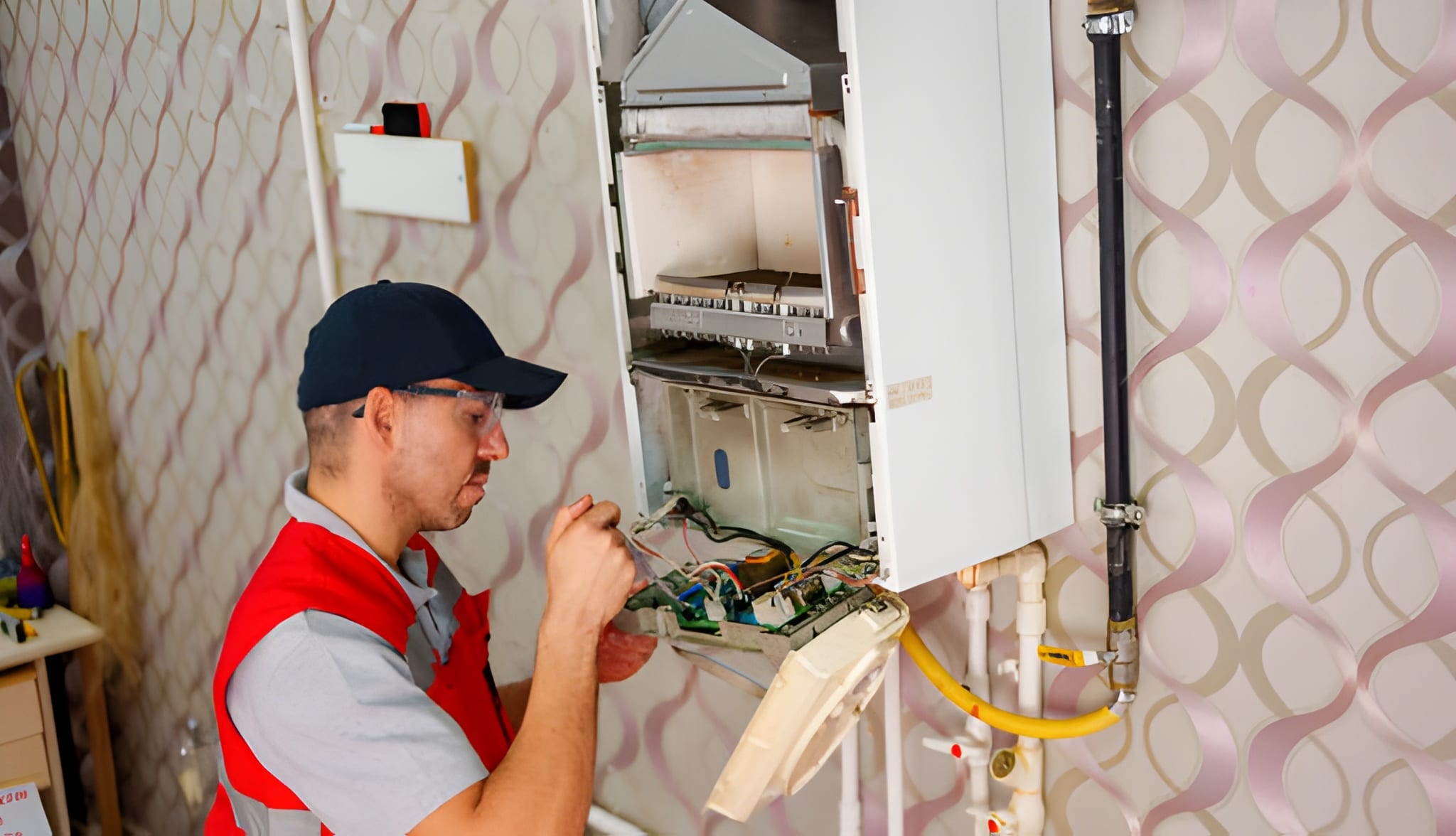
Keeping your home comfortable and efficient during the cooler months in Parkland, FL starts with reliable heating maintenance. Even though South Florida winters are short and mild, heating systems here work differently than in colder regions. Regular maintenance prevents unexpected failures during the occasional cold snap, reduces energy costs, improves indoor air quality, and extends equipment life. Koolflow Air Expert tips for professional heating maintenance programs tailored to Parkland homes, including seasonal tune-ups, filter and component inspections, safety checks, efficiency optimizations, and clear recommendations for ongoing care.
Why heating maintenance is important in Parkland, FL
Parkland experiences mild winters with temperatures that can dip into the 40s and 50s during cold fronts. Many homes rely on heat pumps or electric heat strips rather than gas furnaces. Salt air and high humidity common in Broward County increase the risk of outdoor unit corrosion and moisture-related issues. That combination makes targeted maintenance essential.
- Heat pumps are the most common heating systems in Parkland. They require attention to refrigerant levels, reversing valves, and defrost cycles to ensure reliable heat delivery.
- Humidity and salt air accelerate corrosion on coils, electrical connections, and outdoor fan motors. Cleaning and protective treatments help prevent premature failure.
- Systems used intermittently can develop issues that go unnoticed until the first cold day. Preventative tune-ups reveal these problems early.
Koolflow Air designs maintenance plans specifically for these local conditions so systems run efficiently and reliably when Parkland homeowners need them.
Common heating systems in Parkland and typical issues
Most Parkland homes use one of the following heating configurations. Each has unique maintenance needs:
- Heat pumps (split systems) - Common in new and retrofitted homes. Typical issues: low refrigerant, dirty coils, failing reversing valves, frozen coils during improper defrost cycles, and worn capacitors or contactors.
- Mini-split ductless systems - Popular for room-specific heating. Typical issues: clogged filters, communication faults between indoor and outdoor units, refrigerant imbalances, and drain pan blockages.
- Electric heat strips or auxiliary electric heat - Found as backup heat in heat pump systems. Typical issues: burned-out elements, tripped breakers, and improper sequencing with the heat pump.
- Gas furnaces (less common in South Florida) - Typical issues: dirty burners, cracked heat exchangers, faulty ignition or pilot assemblies, and carbon monoxide risk from cracked flues or incomplete combustion.
Common heating maintenance issues in Parkland, FL include short cycling, decreased heat output, noisy operation, higher energy bills, corrosion on outdoor components, and clogged condensate or drain lines. Regular maintenance is the best defense.
What a professional heating maintenance program includes
Koolflow Air provides comprehensive, repeatable maintenance checklists that keep systems healthy and homeowners informed. A typical maintenance visit for heating includes:
- Visual inspection of equipment condition, mounting, and external damage
- Filter inspection and replacement recommendations (or replacement when covered by plan)
- Indoor coil and evaporator coil cleaning or inspection where accessible
- Outdoor coil and condenser cleaning to remove salt, pollen, and debris
- Refrigerant level check and leak detection if levels are low
- Electrical connection inspection and tightening of terminals
- Capacitor, contactor, and relay testing and replacement recommendations
- Blower motor, belt (if applicable), and wheel inspection and cleaning
- Thermostat calibration and control sequence verification
- Airflow measurement and static pressure check when necessary
- Drain line and condensate pan cleaning and overflow protection inspection
- Reversing valve and defrost cycle check on heat pumps
- Auxiliary heat strip inspection and sequencing check
- Combustion and flue inspection for gas systems, plus carbon monoxide evaluation
- Corrosion and weather protection assessment for outdoor units
- System performance test and safety control verification
- Detailed service report with findings and recommended repairs or upgrades
This structured approach identifies minor issues before they become costly repairs while optimizing system efficiency.
Seasonal tune-ups: what to expect step by step
Each seasonal tune-up follows a step-by-step diagnostic and maintenance process to confirm safe, efficient operation:
A full seasonal tune-up typically takes 60 to 90 minutes depending on system complexity. Technicians leave a written report documenting work completed, current condition, and next maintenance interval.
Safety checks and combustion concerns
While gas furnaces are less prevalent in Parkland, any property with combustion appliances needs careful safety checks. Professional maintenance includes:
- Heat exchanger inspection for cracks or corrosion
- Burner and ignition system cleaning and testing
- Flue and vent integrity checks to ensure proper exhaust
- Combustion analysis when required to confirm safe combustion and correct gas pressure
- Carbon monoxide monitoring during and after operation
- Verification of safety controls, including limit switches and rollout sensors
For homes with gas appliances, a failing heat exchanger or venting issue can produce carbon monoxide. Routine inspection and testing are critical to homeowner safety.
Efficiency optimizations and energy-saving adjustments
Maintenance is also an opportunity to fine-tune systems for lower energy use and improved comfort. Common optimizations include:
- Replacing or upgrading filters to higher MERV ratings balanced with system airflow needs to improve indoor air quality
- Calibrating thermostats and installing programmable or smart thermostats for better setback control
- Sealing and insulating ductwork to reduce distribution losses and improve heating balance by room
- Adjusting fan and blower speeds for proper airflow and comfort
- Replacing worn capacitors and contactors to ensure efficient start-up and operation
- Cleaning coils to restore heat transfer and reduce run times
- Verifying refrigerant charge to prevent compressor overwork and inefficient operation
These small adjustments can reduce electricity use, lower monthly bills, and produce a more consistent indoor environment.
Recommended maintenance schedule for Parkland homes
Given Parkland climate and typical system types, Koolflow Air recommends the following schedule:
- Heat pump systems: Professional service twice per year - a spring AC tune-up and a fall heating tune-up. Semiannual inspections catch seasonal wear and ensure both cooling and heating modes remain reliable.
- Ductless mini-splits: Annual professional service and homeowner filter maintenance every 1 to 3 months.
- Gas furnaces: Annual inspection before the heating season. Include combustion analysis and CO checks.
- Homes with high salt exposure or heavy vegetation: Additional outdoor unit checks every 6 months to address accelerated corrosion and debris buildup.
Frequency depends on system age, usage patterns, and indoor air quality needs. High-use homes, homes with pets, or those in salt-exposed areas often require more frequent attention.
Service agreement options explained
Maintenance agreements provide predictable care and priority service without hard-selling. Typical options include:
- Basic Maintenance Plan - Annual inspection and tune-up, filter inspection, and priority scheduling during normal business hours.
- Comprehensive Care Plan - Semiannual tune-ups timed for cooling and heating seasons, parts inspection and minor adjustments included, and priority scheduling including extended hours for urgent maintenance.
- Premium Protection Plan - All Comprehensive services plus discounted repairs, planned part replacements (like capacitors and contactors), seasonal system optimization, and corrosion prevention treatments for outdoor equipment.
Each plan includes a service report, recommended timelines for parts replacement, and scheduling flexibility. Agreements help homeowners budget for maintenance and reduce the risk of unexpected failures.
Signs your heating system needs immediate service
Watch for these signs and address them promptly to avoid further damage:
- No heat or insufficient heat output when the thermostat is set correctly
- Short cycling - frequent on/off cycles that increase wear
- Strange odors during operation, which may indicate mold, burning dust, or electrical issues
- Continuous or unusual noises such as grinding, screeching, or rattling
- Sudden increase in electric bills without a corresponding change in use
- Repeated tripping of breakers or blown fuses when the system tries to run
- Visible corrosion or water pooling around indoor or outdoor equipment
- Uneven heating from room to room, indicating duct or airflow problems
- Carbon monoxide detector alerts or symptoms like headaches or nausea when the furnace runs
Early diagnosis and repair reduce repair costs and potential safety hazards.
Homeowner maintenance tasks between professional visits
Small, regular tasks keep systems running smoothly between professional tune-ups:
- Check and replace disposable air filters every 1 to 3 months depending on use, pets, and indoor air needs
- Keep the area around the outdoor unit clear of vegetation, leaves, and debris; maintain at least 2 feet of clearance
- Verify the thermostat is set correctly and batteries are fresh when applicable
- Monitor condensate drain lines for clogs; clear with a water flush if slow drainage is observed
- Inspect visible ductwork, registers, and vents for blockages and dust buildup; clean as necessary
- Use ceiling fans to redistribute warm air and reduce runtime for the heater
- Keep attic and crawlspace insulation in good condition to reduce load on the heating system
Consistent homeowner care reduces strain on equipment and improves indoor comfort.
Corrosion protection and coastal considerations
Parkland is close to coastal environments and subject to salt air that accelerates corrosion. Maintenance plans for Parkland homes include corrosion-conscious steps:
- Regularly clean and rinse outdoor coils and fins to remove salt deposits
- Check and protect electrical terminals and control boxes with anti-corrosion treatments when appropriate
- Inspect fan motors and bearings for early signs of rust or pitting
- Recommend composite or coated components for replacements in high-corrosion locations
- Verify proper drainage and prevent standing water that promotes rust
Addressing corrosion proactively increases longevity and reduces unexpected failures.
What to expect during a maintenance visit
A professional visit is methodical and transparent. You can expect:
- A knowledgeable technician who inspects both indoor and outdoor equipment and Describes observed conditions in plain language
- A full checklist-driven inspection and diagnostic routine tailored to your system type
- Filter inspection and changes if the plan includes replacements
- Functional tests to confirm safe and efficient operation of safety controls and performance components
- Documentation of readings such as refrigerant pressures, temperature differentials, voltages, and amperages when applicable
- A written report outlining service performed, current system health, and prioritized recommendations for repairs or improvements
- Clear explanations for any safety issues or performance concerns
The goal is to leave you informed, with a reliable baseline for future service needs.
Benefits of preventative heating maintenance
Investing in routine heating maintenance delivers measurable advantages:
- Lower energy bills - Clean coils, proper refrigerant charge, and efficient electrical components reduce run time and power consumption
- Extended equipment life - Routine lubrication, adjustment, and early detection of wear reduce premature failure
- Fewer emergency repairs - Identifying issues early prevents breakdowns and reduces costly emergency service calls
- Improved indoor air quality - Filter care and coil cleaning remove dust and allergens, benefitting occupants with allergies or respiratory concerns
- Safer operation - Combustion checks and safety control verification reduce the risk of dangerous conditions including carbon monoxide exposure
- Better comfort - Balanced airflow and thermostat calibration keep temperatures steady throughout the home
- Protection against environmental factors - Specialized care for salt air, humidity, and debris preserves outdoor components
Preventative care shifts the maintenance relationship from reactive to planned, which is both more cost effective and more convenient for homeowners.
Frequently Asked Questions
Q: How often should I have my heat pump inspected in Parkland, FL?
A: Heat pumps in Parkland should be professionally inspected at least twice per year - once in spring (before heavy cooling use) and once in fall (before heating season). Homes with high salt exposure, pets, or high occupancy might need more frequent checks.
Q: Will a maintenance visit reduce my heating bill?
A: Yes. A maintenance visit that includes coil cleaning, proper refrigerant charge, tightened electrical connections, and airflow balancing can improve system efficiency and reduce runtime, which typically lowers energy costs.
Q: Can I do any of the maintenance tasks myself?
A: Homeowners can and should replace filters regularly, keep the outdoor unit clear of debris, and check thermostat settings. Complex tasks like refrigerant checks, electrical testing, and combustion analysis should be left to qualified technicians.
Q: My outdoor unit shows rust. Is that a big concern?
A: Surface rust can be managed, but advanced corrosion can reduce heat transfer and damage electrical components. A technician will assess the severity and recommend cleaning, protective treatments, or component replacements to mitigate risk.
Q: What are the risks of skipping heating maintenance in South Florida?
A: Skipping maintenance increases the likelihood of breakdowns during cold snaps, higher energy costs, reduced equipment life, potential safety hazards like carbon monoxide exposure on gas systems, and degraded indoor air quality.
Q: How long does a heating tune-up usually take?
A: A standard heating tune-up typically takes 60 to 90 minutes, depending on system complexity and any additional diagnostic work required.
Q: Do ductless mini-split systems need the same maintenance as conventional heat pumps?
A: Ductless systems require similar attention to filters, coils, and refrigerant, but access points and typical failure modes differ. Annual professional checks are recommended, plus more frequent homeowner filter cleaning.
Q: What should I do if my thermostat is not responding?
A: First check batteries and basic settings. If the thermostat still does not control the system properly, professional diagnostics can determine if the issue is a thermostat fault, wiring problem, or control board issue in the HVAC system.
Q: Are carbon monoxide detectors necessary in Parkland homes?
A: Yes. Any home with combustion appliances should have working carbon monoxide detectors installed near sleeping areas and on each level. Detectors are a vital safety layer alongside professional furnace inspections.
Q: What does a service agreement typically cover?
A: Service agreements vary, but most include scheduled tune-ups, priority service, inspection reports, and some level of discounted or included minor repairs and parts replacement. They provide predictable maintenance and help avoid unexpected failures.
Koolflow Air recommends choosing a maintenance schedule and agreement that matches system age, local exposure conditions, and household needs to get the most reliable performance and protection.
Koolflow Air emphasizes a proactive approach to heating maintenance in Parkland, FL. With locally tailored tune-ups, corrosion-aware practices, and clear maintenance plans, homeowners benefit from safer, more efficient systems that deliver consistent comfort when it matters. Routine care prevents surprises, reduces running costs, and extends the life of essential HVAC equipment in Parkland homes.


Hear what our satisfied
clients have to say

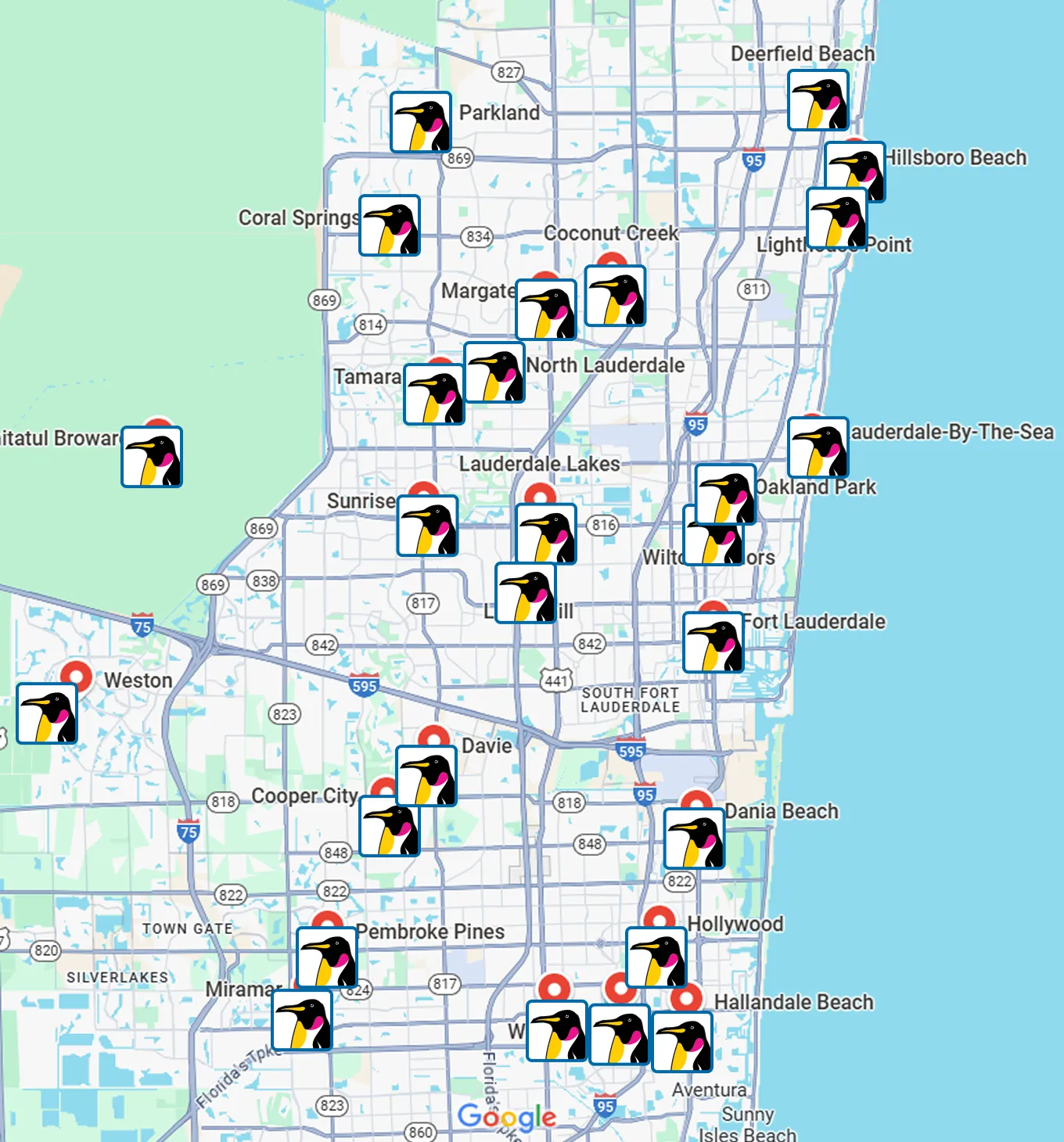
SERVICE AREAS