


Heating Repair in Hallandale, FL

Hallandale heating repair services provide thorough diagnostics, on-site troubleshooting, and targeted repairs for heat pumps, electric resistance heat, and gas systems. The guide Expert tips for common failure modes, step-by-step diagnostic procedures, expected parts replacement timelines, and emergency response options, ensuring reliable operation and energy efficiency. It emphasizes corrosion avoidance, coastal conditions, and seasonal maintenance to extend equipment life. With transparent reporting and service guarantees, the program helps homes and businesses restore comfort quickly while preventing repeat breakdowns.
.jpeg)
Heating Repair in Hallandale, FL
Keeping your heating system reliable in Hallandale, FL may not feel urgent most of the year, but when cool fronts arrive or building codes demand consistent comfort, prompt, professional heating repair is essential. Whether your property uses a heat pump, electric resistance heat, or a gas-fired system, timely diagnostics and quality repairs protect comfort, indoor air quality, and energy costs. Discover how how heating repair in Hallandale, FL works, common failure modes we see locally, on-site troubleshooting steps, parts replacement and realistic timelines, emergency response options, service guarantees, and practical tips to avoid repeat breakdowns.
Why specialized heating repair matters in Hallandale, FL
Hallandale’s subtropical climate means heating systems run intermittently. Periods of low use can hide beginning failures until the first cold snap. Coastal conditions introduce higher humidity and salt air exposure, which accelerate corrosion on outdoor components and electrical connections. Many local homes and businesses rely on heat pumps or packaged rooftop units rather than traditional furnaces, so repair expertise must cover reversing valves, defrost cycles, and low-temperature operation. Proper diagnosis and targeted repairs keep systems efficient and extend equipment life in this environment.
Common heating repair issues in Hallandale, FL
- Heat pump failure or weak heat output: Often caused by low refrigerant, a failing compressor, or a stuck reversing valve. Weak airflow or frozen outdoor coils are common symptoms.
- Burner or combustion problems (in gas systems): Yellow or irregular flame, sooting, or frequent shutdowns point to burner issues or improper combustion and require immediate attention.
- Ignition and pilot problems: Faulty electronic ignitors, thermocouples, or pilot assemblies can prevent safe start-up on older gas units.
- Control board and thermostat faults: Failing controls, bad relays, or misconfigured thermostats cause intermittent operation or failure to enter heating mode.
- Blower motor or fan problems: Weak airflow, unusual noises, or overheating—often due to worn motors, belts, or bearings.
- Corrosion and electrical connection failures: Coastal humidity and salt speed up terminal corrosion, causing shorts or open circuits.
- Sensor and limit switch failures: Overheating shutdowns or cycling can result from bad temperature sensors or safety limit switches.
- Duct and airflow issues: Restricted ducts, dirty filters, or collapsed flex duct reduce heat delivery even when the system runs.
Diagnostic procedures and on-site troubleshooting
Effective heating repair begins with a methodical diagnostic process designed to identify root causes quickly and avoid unnecessary parts replacement.
Initial inspection
- Visual check for corrosion, leaks, soot, or obvious electrical damage.
- Confirm system type (heat pump, electric, gas) and review recent service history.
Control and safety verification
- Test thermostat operation, control board indicators, and safety interlocks.
- Inspect electrical connections and measure incoming voltage to rule out supply issues.
Operational checks
- Run the system to observe start-up sequence: ignition/pilot, compressor engagement, blower operation, and cycle behavior.
- Listen for unusual noises and monitor for short-cycling.
Component testing
- Measure refrigerant pressures and temperatures for heat pumps.
- Test ignitors, flame sensors, and thermocouples on gas systems.
- Check motors, capacitors, contactors, and relays with electrical testing tools.
Airflow and combustion analysis
- Measure static pressure and airflow when required.
- For gas systems, analyze combustion and venting to ensure safe operation.
This process isolates the failed component and determines whether repair or replacement is the most durable solution.
Parts replacement and estimated repair timelines
Common parts we replace and typical on-site repair windows (actual times vary by system complexity and parts availability):
- Thermostat / controls: 30 minutes to 2 hours
- Capacitor or contactor: 30 minutes to 1.5 hours
- Blower motor: 1 to 3 hours (depends on access and motor type)
- Ignitor or flame sensor: 30 minutes to 1 hour
- Reversing valve or compressor repairs: 2 hours to multiple days if a compressor swap or refrigerant recovery is required
- Refrigerant recharge (leak not present): 1 to 3 hours (leak repair adds time)
- Burner assembly or pilot replacement: 1 to 3 hours
- Control board replacement: 1 to 4 hours
Many common repairs can be completed during a single visit when parts are on hand. For specialized components like compressors or control boards, lead times depend on availability. When replacement will take longer, temporary solutions (safe operation modes) are often possible to maintain comfort until the permanent repair is completed.
24/7 emergency response and service guarantees
Heating failures can create safety concerns and business interruptions. A reliable emergency response model includes:
- Rapid dispatch options for nights and weekends to address unsafe conditions like gas leaks, combustion failures, or complete system loss during extreme weather.
- Clear diagnostic reporting and transparent options for repair vs replacement.
- Service guarantees on workmanship and replaced parts to provide confidence in repair longevity.
Service guarantees typically cover the quality of the repair and adherence to safety standards, with parts covered by manufacturer warranties where applicable.
Tips to avoid future heating breakdowns in Hallandale
- Schedule seasonal maintenance: Even with light winter use, an annual tune-up for heat pumps and gas systems prevents corrosion-related failures and keeps controls calibrated.
- Change filters regularly: Replace or clean filters every 1 to 3 months during use to preserve airflow and reduce blower strain.
- Protect outdoor units from salt and debris: Rinse and inspect outdoor coils periodically, and keep landscaping trimmed to allow airflow.
- Test thermostat settings before cold snaps: Verify operation to avoid surprises when temperatures drop.
- Address small issues early: Unusual noises, intermittent operation, or minor leaks often precede full failures. Early intervention is less expensive and reduces downtime.
- Consider corrosion-resistant components: For coastal properties, specify marine-grade fasteners and protected electrical connections when parts are replaced.
Benefits of prompt, professional heating repair
Timely, expert heating repair restores comfort fast, reduces energy bills from inefficient operation, prevents safety hazards, and prolongs equipment life. In Hallandale, where coastal conditions and intermittent system use create unique stresses, a repair approach that includes thorough diagnostics, corrosion-aware repairs, and seasonal maintenance delivers the most reliable, cost-effective outcomes for homes and businesses.
If your heating system is underperforming, showing warning signs, or failed unexpectedly, the right diagnosis and targeted repair will get your system back to safe, efficient operation and reduce the chance of repeat issues in Hallandale, FL.

Hear what our satisfied
clients have to say
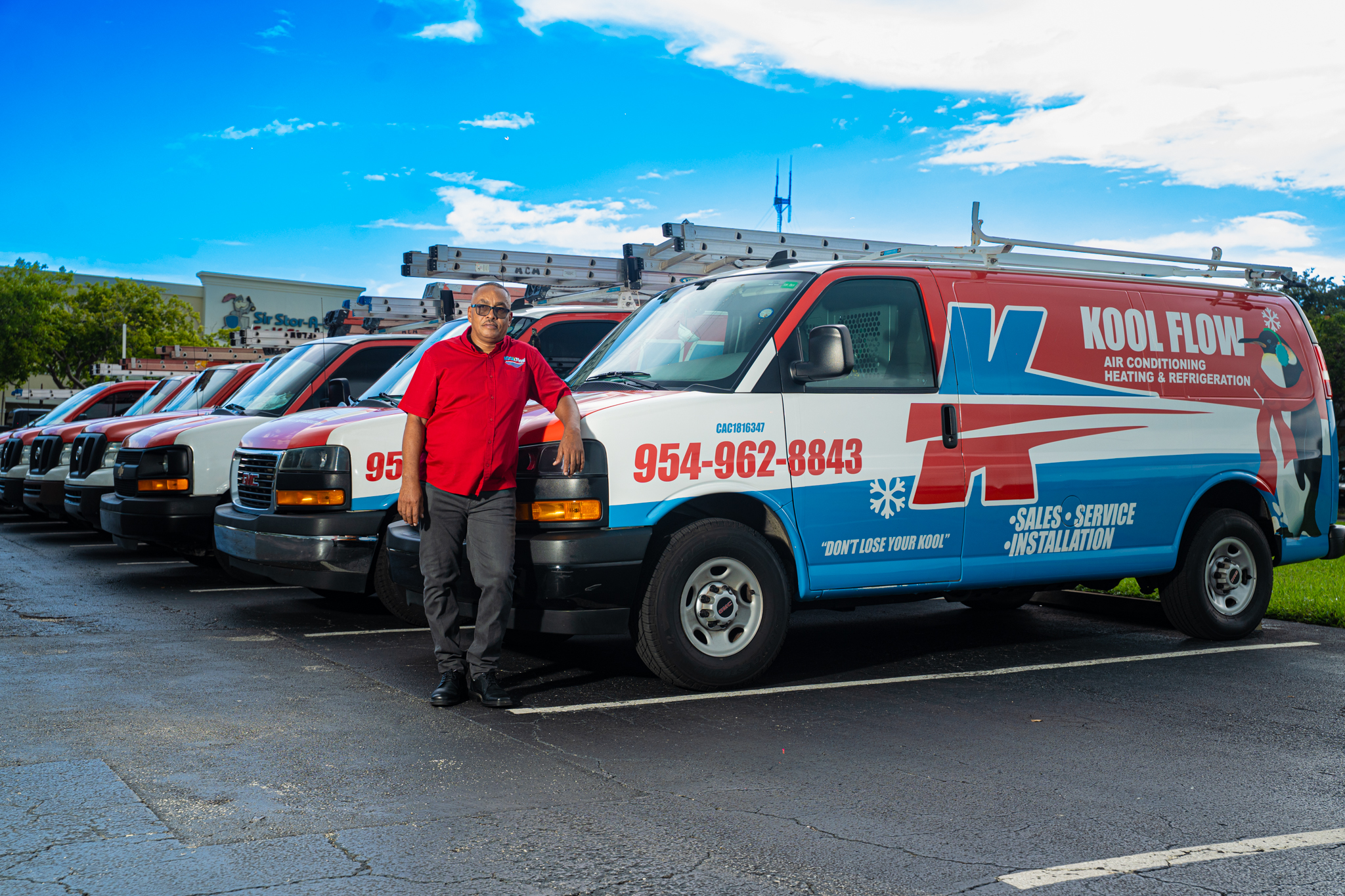

SERVICE AREAS