


Heating Repair in Lauderhill, FL
Maintaining reliable heating in Lauderhill, FL is about more than comfort. Even with South Florida winters being mild, heating systems still play a crucial role in indoor air quality, humidity control, and protecting vulnerable residents from unexpected cold snaps. Koolflow Air provides professional heating repair in Lauderhill, FL that focuses on safe, efficient restoration of heat, transparent estimates, and workmanship that stands up to local climate conditions and housing stock. This page Expert tips for what to expect from our heating repair service, the most common failure modes we see in Lauderhill homes, our step-by-step diagnostic and repair approach, parts and warranty options, and guidance to help you decide when repair is the right solution.
Why prompt heating repair matters in Lauderhill homes
- Even brief heating failures can cause discomfort and humidity imbalance in tightly built homes and condos common to Lauderhill.
- Improper or partial repairs increase energy costs, shorten equipment life, and can create safety risks with gas or combustion appliances.
- Timely professional intervention prevents secondary damage such as frozen pipes in atypically cold nights, or mold growth from condensation due to poor temperature control.
Koolflow Air emphasizes thorough diagnostics and safe repairs designed to restore reliable operation and prevent recurring problems. Our service is tailored to the equipment types most prevalent in Lauderhill, including heat pumps, split systems with electric auxiliary heat, and a smaller number of gas furnaces or packaged rooftop units in older or commercial properties.
Common heating system types in Lauderhill, FL and what they need
- Heat pumps (air source) with reversing valves and electric auxiliary heat for the coolest nights.
- Split systems with gas or electric furnaces in some townhomes and older single-family homes.
- Packaged units and rooftop systems for multifamily and commercial buildings.
- Electric baseboard or strip heat in some retrofit applications.
Because most homes in Lauderhill rely on heat pumps or electric-resistive heat rather than high-output gas furnaces, common failure modes differ from northern climates. Moisture, corrosion from salt-air, and intermittent temperature swings are frequent contributors to component wear.
Common heating repair issues in Lauderhill, FL
Below are the failure modes we diagnose and repair most often in this area:
- Ignition problems (applies to gas furnaces and packaged gas units)
- Faulty igniters, dirty or weak pilot assemblies, and failing flame sensors prevent safe ignition.
- Blower motor and airflow problems
- Worn motors, bad capacitors, clogged filters, and restricted returns reduce heating capacity and can overheat equipment.
- Thermostat faults and control issues
- Miscalibrated thermostats, bad wiring, corroded terminals, or failed control boards cause intermittent or no heat calls.
- Gas valve and pilot failures
- Sticking or leaking gas valves and pilot assembly faults are safety-critical and require professional attention.
- Refrigerant or compressor issues on heat pumps
- Low refrigerant, compressor failure, or reversing valve problems reduce heat pump efficiency and can force reliance on expensive aux heat.
- Electrical failures: capacitors, contactors, relays, and fuses
- These common electrical components fail progressively and lead to starting issues or intermittent operation.
- Ductwork and distribution problems
- Leaky ducts, blocked vents, or damaged insulation diminish delivered heat and can create hot/cold spots.
- Safety and sensor failures
- Limit switches, pressure switches, and flame sensors ensure safe operation; when they fail, systems lock out or run unsafely.
Our diagnostic process: step-by-step, transparent, and safety-first
Koolflow Air follows a consistent diagnostic protocol so you know exactly what we check and why:
Arrival and visual inspection
- We begin with a walk-around of the indoor and outdoor equipment, noting obvious wear, corrosion from coastal conditions, loose panels, and external obstructions to condenser or intake locations common in Lauderhill yards and condos.
System history and symptom interview
- We ask about operation patterns, recent noises, any DIY attempts, and whether the issue is constant or intermittent. Local patterns such as higher humidity months and seasonal usage are considered.
Safety checks before power-up
- For gas units, we verify gas shutoff and check for odors. We ensure proper electrical safety, check fuses and breakers, and confirm that combustion and ventilation paths are unobstructed.
Electrical and control diagnostics
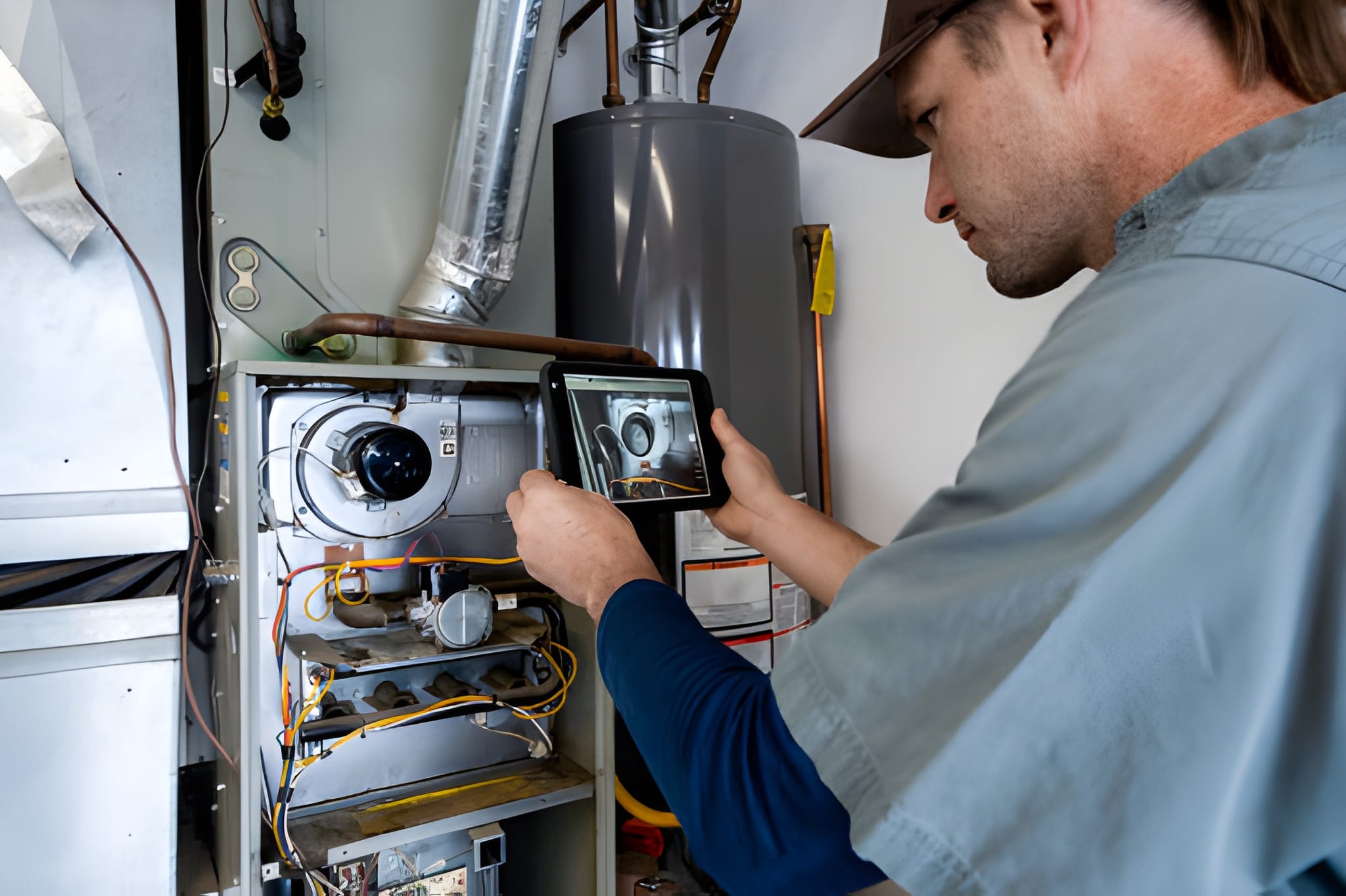
- Using a multimeter and amp clamp, we measure voltages, currents, and capacitor condition to identify failing motors or start components. We inspect control boards and thermostat wiring for corrosion and proper signals.
Ignition and combustion analysis (for gas systems)
- We test ignitors, flame sensors, and combustion efficiency, and measure for carbon monoxide if combustion abnormalities present themselves. Pilot assemblies and gas valves are tested for proper operation.
Refrigeration and heat pump tests
- We measure refrigerant pressures, verify correct operation of reversing valves and defrost control, and test compressor start/operational characteristics.
Airflow and distribution assessment
- We check filter condition, measure static pressure if necessary, and inspect return paths and ductwork access for leaks and insulation deficiencies.
Comprehensive findings report
- After testing, we provide a written explanation of findings, prioritized repair options, estimated parts and labor, and the expected outcome of each option.
This structured approach prevents guesswork and limits unnecessary part changes that can drive up costs without solving the root cause.
Repair solutions we provide and what to expect
We repair and replace components with a focus on long-term reliability and compatibility with your system type. Typical repair actions include:
- Igniter and flame sensor replacement
- Replacing worn ignitors and cleaning or replacing flame sensors restores reliable ignition and prevents furnace lockouts.
- Gas valve and pilot repair or replacement
- We service or replace gas valves using parts that meet manufacturer specifications and test for safe operation after installation.
- Blower motor repair or replacement
- We diagnose whether motors can be repaired or if a full replacement yields better energy savings and longer life. Bearings, capacitor, and mounting inspection are included.
- Thermostat calibration and replacement
- We can recalibrate, repair wiring, or replace thermostats with OEM-compatible units that match your control requirements and home layout.
- Heat pump refrigeration service
- Leak detection, recovery, recharge with approved refrigerants, and compressor/contactor repair are performed with refrigerant handling compliant with EPA regulations.
- Control board and electrical component replacement
- When control boards or relays fail, we use OEM-equivalent replacements or genuine OEM parts where specified by system manufacturers.
- Duct sealing and airflow restoration
- We locate leaks, propose sealing or duct repair options, and recommend insulation upgrades when ducts run through unconditioned spaces common in Lauderhill properties.
- Safety fixes and system re-commissioning
- We correct limit switch or pressure switch faults, test safeties extensively, and run the system through multiple heat cycles to verify stable operation.
Parts options: OEM vs OEM-equivalent explained
When a component must be replaced, you typically have two choices:
- OEM parts
- Original Equipment Manufacturer parts are exact matches for your system and often deliver the best fit and manufacturer backing. They are recommended when preserving warranty, ensuring precise compatibility, or for complex control boards.
- OEM-equivalent (aftermarket) parts
- High-quality aftermarket parts can offer cost savings with reliable performance. We carefully evaluate compatibility, warranty coverage, and expected lifespan before recommending an OEM-equivalent.
Koolflow Air provides transparent recommendations on parts, explaining the trade-offs in price, lead time, and expected life so you can make an informed decision.
Transparent estimates and pricing clarity
Before any repair, Koolflow Air Expert tips for:
- Itemized parts list with brand or type designation
- Labor hours and a clear explanation of the work to be done
- Any additional fees such as permit handling or disposal when applicable
- Warranty duration for parts and labor
Estimates include contingencies for hidden issues discovered during repair and are explained verbally and in written form. We prioritize transparency so you know what to expect from the repair timeline and final cost.
Technician qualifications, safety standards, and local code knowledge
Koolflow Air assigns only qualified technicians to heating repairs. Relevant qualifications include:
- EPA Section 608 certification for refrigerant handling when servicing heat pumps
- Florida HVAC license recognition and compliance with local permitting where required
- Manufacturer-authorized training for common brands and equipment types
- Ongoing continuing education on new refrigerants, safety protocols, and diagnostic methods
- Background-checked, uniformed technicians who follow established safety procedures
We incorporate Florida building code considerations and local Lauderhill regulatory requirements when a repair crosses into permit territory, such as gas line modifications or major equipment replacements.
Warranties, quality assurance, and follow-up testing
Each repair includes a standardized quality assurance routine:
- Post-repair verification and startup testing across full operating ranges
- Measurement of temperature rise, airflow checks, and where applicable, refrigerant pressure confirmation
- Combustion efficiency and carbon monoxide testing for gas-fired equipment to verify safe operation
- A written warranty on parts and labor for a specified warranty period. Warranty terms vary depending on parts choice (OEM vs OEM-equivalent) and the nature of the repair.
- Scheduled follow-up checks when required to confirm stable operation over time
Follow-up testing is especially important in Lauderhill where humidity cycles can reveal otherwise hidden performance gaps after initial repair.
When to repair versus replace: practical decision guidelines
Repair is often the right choice when:
- The issue is isolated and cost of repair is modest compared to replacement.
- The system is under 10 years old and otherwise in good condition.
- The repair extends useful life and maintains expected energy efficiency.
Replacement may be the better option when:
- The system is old (typically over 12 to 15 years for many heat pumps and furnaces) and repair costs exceed approximately 40 to 50 percent of replacement cost.
- There are repeated failures or the system requires multiple major component replacements (compressor, major refrigeration components, or control board plus motor).
- Energy bills are rising and replacement improves efficiency substantially.
- Parts are obsolete or unavailable, increasing downtime and cost.
We provide a cost-of-ownership comparison that factors age, repair history, efficiency gains from newer models, and the home’s specific heating needs in Lauderhill.
Local climate and home considerations for Lauderhill residents
- Coastal air and humidity: Salt-laden air accelerates corrosion on outdoor units. We pay special attention to condenser fins, coil protection, and fastener corrosion during diagnostics and recommend preventative coatings or scheduled coil maintenance for coastal-exposed units.
- Mild heating demand but critical humidity control: Even when temperatures are moderate, heating systems impact indoor humidity and air balance. Poor heating performance can lead to condensation and mold in tightly sealed newer construction.
- Housing stock: Lauderhill includes single-family homes, townhomes, and condo communities. Packaged rooftop units and shared mechanical rooms require different troubleshooting and coordination with property managers.
- Intermittent heating usage: Many Lauderhill systems see low annual runtime, which can lead to issues like stuck dampers, oxidation of electrical connections, or sediment in gas valves. Seasonal checkups before the cooler months reduce emergency calls.
Preventive care to reduce repair frequency
Simple maintenance minimizes emergency repairs and keeps systems operating efficiently:
- Regular filter replacement or cleaning every 1 to 3 months depending on use and home conditions
- Yearly professional tune-ups for heat pumps and gas units to catch wear early
- Keeping outdoor unit clear of vegetation, debris, and corrosion
- Ensuring vents and returns are not blocked by furniture or renovations
- Scheduling duct inspections every few years to limit leakage and preserve airflow
Proactive maintenance often reduces overall lifecycle costs and extends equipment longevity.
What happens during an emergency heating repair call
In an emergency heating situation, our response prioritizes safety and rapid diagnosis:
- Safety triage to identify immediate hazards (gas leaks, electrical arcing, or severe CO risk)
- Temporary measures to restore safe operation if possible and appropriate, such as resetting safeties or replacing a failed component to permit safe use until permanent repair is completed
- Clear communication about what is an emergency repair and what requires a longer-term solution
- Documentation of temporary repairs and a plan for complete restoration if needed
Our emergency procedures are designed to limit risk while ensuring transparent next steps for full repair or replacement.
Documentation you will receive
After any heating repair, you will receive:
- A detailed work order describing diagnostics, parts replaced, and tests performed
- A warranty statement for covered parts and labor
- Recommendations for follow-up maintenance or replacement as appropriate
- Safety test results for gas systems including CO readings if applicable
This documentation helps you track system history and supports any potential warranty claims or future service decisions.
Final considerations: reliability, safety, and energy efficiency
Heating repair in Lauderhill, FL requires technicians who understand the unique local environmental stresses and common equipment types found in the area. Koolflow Air emphasizes safety-first diagnostics, transparent pricing, and durable repairs that restore efficiency and comfort. Whether you face a simple thermostat issue, a complex heat pump refrigerant leak, or a gas ignition failure, detailed testing and honest recommendations protect your home and budget over the long term.
By focusing on root cause identification, offering OEM and OEM-equivalent parts options, and documenting all work and safety testing, homeowners and property managers in Lauderhill can expect consistent, reliable heating performance through the seasons.
Q: How quickly can a technician diagnose a heating problem in Lauderhill, FL?
A: Most common issues can be diagnosed within 45 to 90 minutes on-site once the system is accessible. Complex refrigeration or combustion problems that require additional testing or parts may take longer and may require a follow-up visit.
Q: Do you repair both heat pumps and gas furnaces in Lauderhill?
A: Yes. We service heat pumps, split systems with electric auxiliary heat, gas furnaces where present, and packaged rooftop units. Diagnostics are tailored to the equipment type and local conditions.
Q: What safety tests are performed after a gas heating repair?
A: Post-repair safety checks include combustion analysis, carbon monoxide testing, gas leak detection, and verification of safety interlocks such as limit switches and pressure switches.
Q: Are replacement parts guaranteed and do you offer options?
A: We provide both OEM and OEM-equivalent parts options, explain the trade-offs, and back labor and specified parts with a written warranty. Warranty terms vary depending on parts chosen.
Q: How do Lauderhill climate conditions affect my heating system?
A: Coastal humidity and salt air can accelerate corrosion of outdoor components, and the mild heating demand can lead to intermittent usage patterns that cause electrical and mechanical components to degrade. Regular inspections can mitigate these effects.
Q: When should I consider replacing rather than repairing my heating system?
A: Consider replacement if the system is older than 12 to 15 years, repair costs approach 40 to 50 percent of replacement cost, failures are frequent, or you could gain substantial energy savings and comfort improvements by upgrading.

Hear what our satisfied
clients have to say

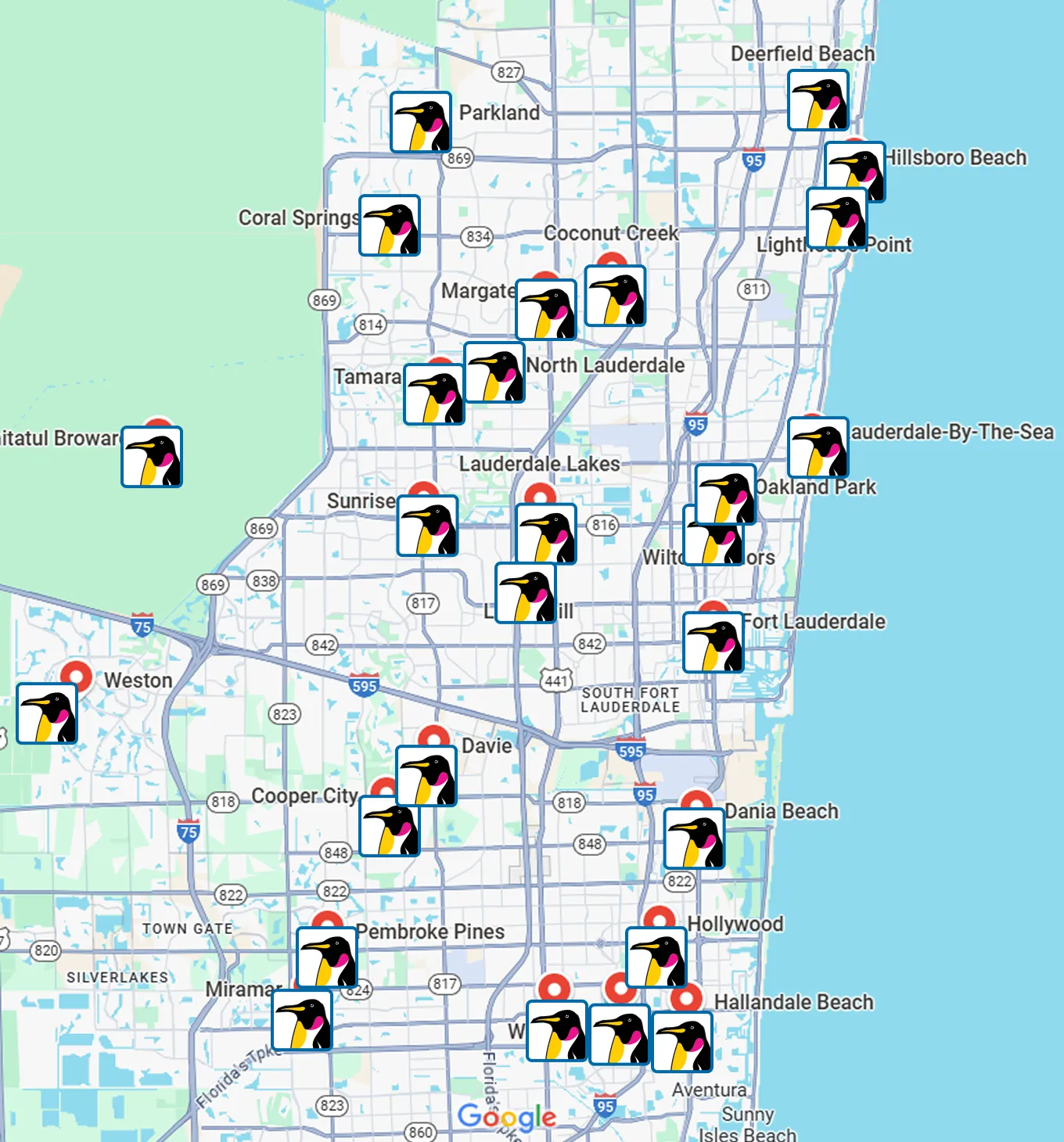
SERVICE AREAS