


Heating Tune-Up in Lauderdale-By-The-Sea, FL

Keeping your home comfortable and safe during the cooler months in Lauderdale-By-The-Sea starts with a professional heating tune-up. Even though South Florida has milder winters than much of the country, heating systems here still require careful attention. A comprehensive heating tune-up from Koolflow Air focuses on improving reliability, restoring efficiency, preventing breakdowns, and ensuring safe operation for gas or heat pump systems common in Lauderdale-By-The-Sea homes.
Why a heating tune-up matters in Lauderdale-By-The-Sea, FL
Lauderdale-By-The-Sea presents a unique combination of mild winter temperatures, high humidity, and coastal salt exposure. Those factors influence how your heating system performs and ages:
- Coastal salt air accelerates corrosion on outdoor components and electrical connections.
- High humidity increases the risk of condensation, coil or duct mold, and clogged condensate drains.
- Heat pumps are widely used here for year-round climate control; they need seasonal inspection because they handle both heating and cooling loads.
- Even limited heater runtime can allow unnoticed issues to develop into failures when you do need heat, especially in older buildings and vacation properties.
A tune-up addresses these local risks and ensures your system operates dependably when temperatures drop at night or on cool fronts.
What a full Heating Tune-Up includes
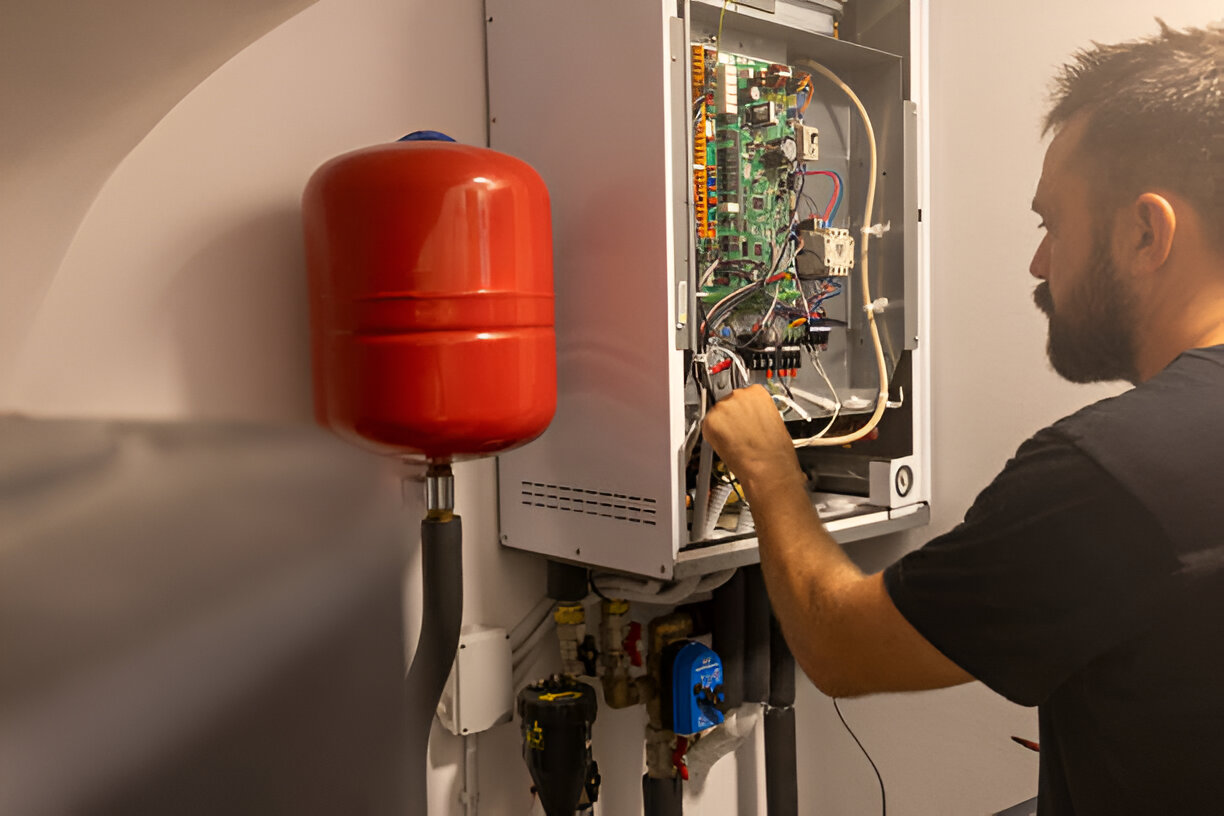
A professional tune-up is more than a quick inspection. Koolflow Air follows a consistent, checklist-driven process to evaluate safety, performance, and efficiency. Typical tune-up items include:
- Thermostat calibration and programmable thermostat verification
- Safety control checks and combustion analysis for gas-fired systems
- Visual inspection and cleaning of heat exchangers, burners, and flue systems
- Cleaning and lubrication of motors, bearings, and moving parts
- Blower and fan inspection with belt condition and alignment checks
- Airflow assessment and filter inspection or recommendation
- Refrigerant charge check and heat pump performance testing
- Efficiency testing and temperature rise verification
- Condensate drain and pan cleaning, and moisture control checks
- Electrical connection tightening and control testing
- Outdoor coil and cabinet cleaning with corrosion inspection
- Recommended service interval guidance based on system type and age
Each step is performed with the goal of restoring safe, efficient operation and identifying parts that are near failure so you can plan repairs before an emergency.
Common heating problems in Lauderdale-By-The-Sea homes
Understanding what often goes wrong helps homeowners prioritize tune-ups and plan maintenance. The most frequent issues we see locally include:
- Thermostat problems: miscalibration or poor programming leading to short cycling or incorrect temperatures.
- Corroded outdoor components: salt air eats at screws, terminals, and fins, reducing heat transfer and electrical reliability.
- Reduced airflow: dirty filters, obstructed returns, or blower problems that reduce efficiency and cause uneven heating.
- Refrigerant leaks and inefficient heat pump operation: low charge forces longer run times and can damage compressors.
- Combustion problems in gas systems: incomplete combustion, blocked ventilation, or cracked heat exchangers that create carbon monoxide risks.
- Electrical issues: loose connections, failing capacitors, and worn relays that cause intermittent operation or no-start conditions.
- Condensate and moisture problems: clogged drains and pans that lead to water damage or mold growth in ductwork.
- Worn bearings and belts: noisy operation, reduced blower speed, and premature motor failure.
Addressing these issues in a tune-up reduces the likelihood of system failure and improves comfort in your home.
How Koolflow Air diagnoses your system
A thorough diagnostic process pinpoints root causes, not just symptoms. Our approach includes these steps:
System history and homeowner interview
- Review of recent performance, unusual noises, and when issues began.
- Check for patterns tied to tides, storms, or seasonal humidity changes.
Visual inspection
- Look for corrosion, rodent damage, loose panels, and signs of water intrusion.
- Inspect duct runs in accessible areas for dirt, mold, or disconnections.
Thermostat and control verification
- Calibrate thermostat and verify proper setpoints and programming.
- Test relay and control board responses.
Electrical safety check
- Tighten connections, measure voltage and amperage on motors and compressors.
- Inspect capacitors and contactors for wear.
Airflow and filter assessment
- Measure static pressure when needed to verify airflow.
- Inspect return registers and filters for correct size and condition.
Combustion and flue evaluation for gas systems
- Perform combustion analysis to verify burner efficiency and carbon monoxide levels.
- Inspect venting and draft performance.
Refrigerant and heat pump testing
- Check refrigerant charge and superheat/subcooling where applicable.
- Verify reversing valve operation and defrost cycle performance.
Mechanical lubrication and adjustment
- Lubricate bearings and motors that require service, adjust belts and pulleys.
Efficiency and performance testing
- Verify temperature rise and heating output.
- Compare measured performance to manufacturer specifications.
Documentation and recommendations
- Provide a clear report of findings, parts showing wear, and recommended intervals for follow-up.
This methodical process ensures you get a reliable assessment and a plan to return your system to peak condition.
What we do during cleaning, lubrication, and tune adjustments
A tune-up restores mechanical reliability and keeps components from failing prematurely. Typical service actions include:
- Cleaning burners and heat exchangers in gas furnaces to ensure complete combustion.
- Washing or brushing outdoor coils to remove salt, sand, and debris that reduce heat transfer.
- Cleaning indoor coils and fin surfaces to restore airflow efficiency.
- Lubricating motors, bearings, and fan shafts to reduce friction and extend motor life.
- Tightening electrical terminals and replacing worn wire nuts and connectors.
- Straightening bent fins and checking coil mounting to prevent air bypass.
- Replacing or recommending proper air filters and documenting filter size and recommended MERV level.
- Clearing condensate drains and treating pans to prevent algae and blockage.
- Testing and adjusting gas pressure if applicable and verifying proper pilot or ignition operation.
- Verifying blower motor speeds and adjusting blower wheel or belt tension for correct airflow.
Each action reduces stress on the system and improves overall heating performance.
Safety and combustion checks explained in plain terms
Safety is non negotiable when heating systems are involved, especially with gas-fired appliances. Key safety tasks are:
- Combustion analysis: measuring combustion gases to confirm burners are burning fuel cleanly. This prevents dangerous conditions like carbon monoxide production.
- Heat exchanger inspection: checking for cracks or corrosion that could allow combustion gases to enter living spaces.
- Vent and flue inspection: ensuring exhaust gasses flow away from the home without blockages or back drafting.
- Safety control testing: verifying limit switches, rollout sensors, and flame sensors operate correctly so the system shuts down safely if a problem occurs.
If a safety concern is detected, the issue is clearly documented so you can prioritize repairs. A tune-up reduces risk and gives peace of mind that the system will not compromise indoor air safety.
Efficiency testing and performance metrics made simple
Efficiency testing is not just numbers. It tells you how well your system turns energy into heat. During a tune-up we use straightforward tests:
- Temperature rise: comparing supply and return air temperatures in furnaces to confirm the system heats as designed.
- Run cycle analysis: observing cycle times to make sure short cycling is not wasting energy or wearing out components.
- Heat pump performance: checking refrigerant pressures and temperatures to ensure the unit produces expected heat output.
- Electrical load checks: measuring current draw to detect motors or compressors drawing excess power.
These results help determine whether repair, a refrigerant charge, or part replacement is needed to restore efficient operation.
Recommended service intervals for Lauderdale-By-The-Sea systems
Service frequency depends on equipment type, age, and local conditions. General guidelines tailored to Lauderdale-By-The-Sea:
- Heat pumps (year-round use): tune-ups twice per year, once in spring for cooling and once in fall for heating, because salt air and year-round cycling increase wear.
- Gas furnaces or backup gas systems: annual heating tune-up in fall prior to cooler weather.
- Older systems or high-use systems: consider semiannual inspections to catch wear early.
- Homes near the beach or subject to frequent storms: add an extra inspection after major weather events to check for salt intrusion or water damage.
Following a consistent schedule prevents small issues from turning into costly failures and helps maintain predictable energy usage.
Typical tune-up findings and what they mean for you
When Koolflow Air technicians perform tune-ups in Lauderdale-By-The-Sea, common findings include:
- Dirty filters and reduced airflow: Replacing filters restores airflow, improves comfort, and lowers energy use.
- Low refrigerant charge: Indicates a leak that requires repair and recharge to protect the compressor.
- Corroded electrical connections: Tightening or replacing terminals prevents intermittent failures.
- Weak burners or incomplete combustion: Cleaning burners and adjusting fuel conditions restores safe, efficient operation.
- Worn belts or bearings: Replacing wear items eliminates noise and prevents motor failure.
- Blocked condensate drains: Clearing drains prevents water overflow and mold growth.
Each finding is explained in simple terms and prioritized to help you plan repairs and budget appropriately.
Maintenance tips for Lauderdale-By-The-Sea homeowners
Small habits between professional tune-ups significantly extend equipment life and comfort. Simple tips:
- Check and replace air filters monthly during the heavy use season or at least every 90 days for standard filters.
- Keep outdoor units clear of plants, sand, and debris; maintain at least 2 feet of clearance.
- Inspect your thermostat batteries and settings seasonally.
- Watch for unusual smells, noises, or odorless but persistent headaches that can indicate carbon monoxide; have combustion systems inspected immediately if suspected.
- For beach homes, rinse outdoor coils gently with fresh water after major storms to reduce salt buildup.
- Keep return vents unobstructed and ensure furniture does not block airflow.
These steps help keep your heating system working as intended and reduce service calls.
Long term benefits of regular heating tune-ups
Regular professional tune-ups deliver measurable benefits:
- Greater reliability: Reduced chance of unexpected failures when you need heat.
- Improved efficiency: Lower energy consumption from a well tuned system.
- Longer equipment life: Preventing wear and tear delays costly replacements.
- Safer operation: Early detection of hazardous conditions in combustion systems.
- Better indoor air quality: Cleaner coils and filters reduce dust and mold risk.
- Budget predictability: Knowing when parts will need replacement helps avoid emergency expenses.
These outcomes are especially important in Lauderdale-By-The-Sea where corrosion and humidity can accelerate degradation if systems are neglected.
What to expect in the report after a tune-up
After performing a tune-up, Koolflow Air provides clear, understandable documentation that typically includes:
- Items inspected and tests performed
- Measured performance values such as temperature rise and refrigerant pressures
- Safety findings and any immediate concerns
- Recommended repairs or parts that should be replaced soon
- Suggested service interval for that particular system
- Notes on local factors observed, such as salt corrosion or moisture intrusion
The report is designed to give you actionable information so you can keep your system reliable and safe.
Signs your system needs a tune-up now
Schedule a professional heating tune-up when you notice:
- Uneven heating across rooms or persistent cold spots
- Strange smells or visible soot near burners or vents
- Rapid cycling on and off or unusually short run times
- Higher than normal energy bills without a change in use
- Visible rust or salt corrosion on outdoor components
- Water leaks or clogged condensate lines
- Thermostat not matching room temperature
These symptoms often indicate conditions that a tune-up can correct before they cause a failure.
Frequently asked questions
Q: How long does a heating tune-up typically take?
A: A standard tune-up usually takes about one hour for a straightforward heat pump or furnace. More extensive inspections, repairs, or systems with access issues may take longer.
Q: Are tune-ups different for heat pumps versus gas furnaces?
A: Yes. Heat pump tune-ups include refrigerant and reversing valve checks and attention to outdoor coils. Gas furnace tune-ups include combustion analysis, heat exchanger inspection, and venting checks. Both include airflow, electrical, and safety control inspections.
Q: How often should I replace my air filter?
A: Replace standard disposable filters every 30 to 90 days depending on use, filter type, and indoor air quality. Homes with pets, smokers, or high dust levels should replace filters more frequently.
Q: Can a tune-up improve my heating bills?
A: Yes. Cleaning, calibration, and addressing airflow or refrigerant problems reduce wasted energy and can lower operational costs by restoring proper equipment efficiency.
Q: Is it safe to run a gas furnace without a tune-up?
A: While short-term operation may be possible, skipping tune-ups increases the risk of efficiency loss, carbon monoxide hazards, and unexpected failures. Regular safety checks are important.
Q: Do coastal homes need different maintenance?
A: Coastal homes benefit from more frequent inspections due to salt corrosion, sand infiltration, and higher humidity. Rinsing outdoor coils and inspecting electrical connections helps prevent accelerated wear.
Q: What if my system is older?
A: Older systems can require more frequent tune-ups. A technician will recommend inspection intervals and may identify parts that should be proactively replaced to avoid downtime.
Q: Will a tune-up find refrigerant leaks?
A: During a tune-up we check refrigerant charge and look for signs of leaks. If a leak is suspected, a leak detection process will be recommended to find and repair it.
Koolflow Air provides professional, checklist-driven heating tune-ups tailored for Lauderdale-By-The-Sea conditions. Proper maintenance protects comfort, reduces energy use, and improves safety for systems that must withstand coastal humidity and salt exposure. Regular tune-ups keep your heating system performing reliably when you need it most and extend the life of your equipment in this unique South Florida environment.


Hear what our satisfied
clients have to say

SERVICE AREAS