


Heating Tune-Up in Margate, FL

A focused heating tune-up protects your home comfort and extends the life of your HVAC system. In Margate, FL, where winter temperatures are mild but humidity and coastal influences create unique stressors on equipment, a professional heating tune-up keeps systems operating efficiently, safely, and reliably when you need them. Koolflow Air offers a comprehensive heating tune-up designed to inspect, clean, calibrate, and optimize your heating equipment — from heat pumps and ductless mini-splits to gas furnaces and hybrid systems.
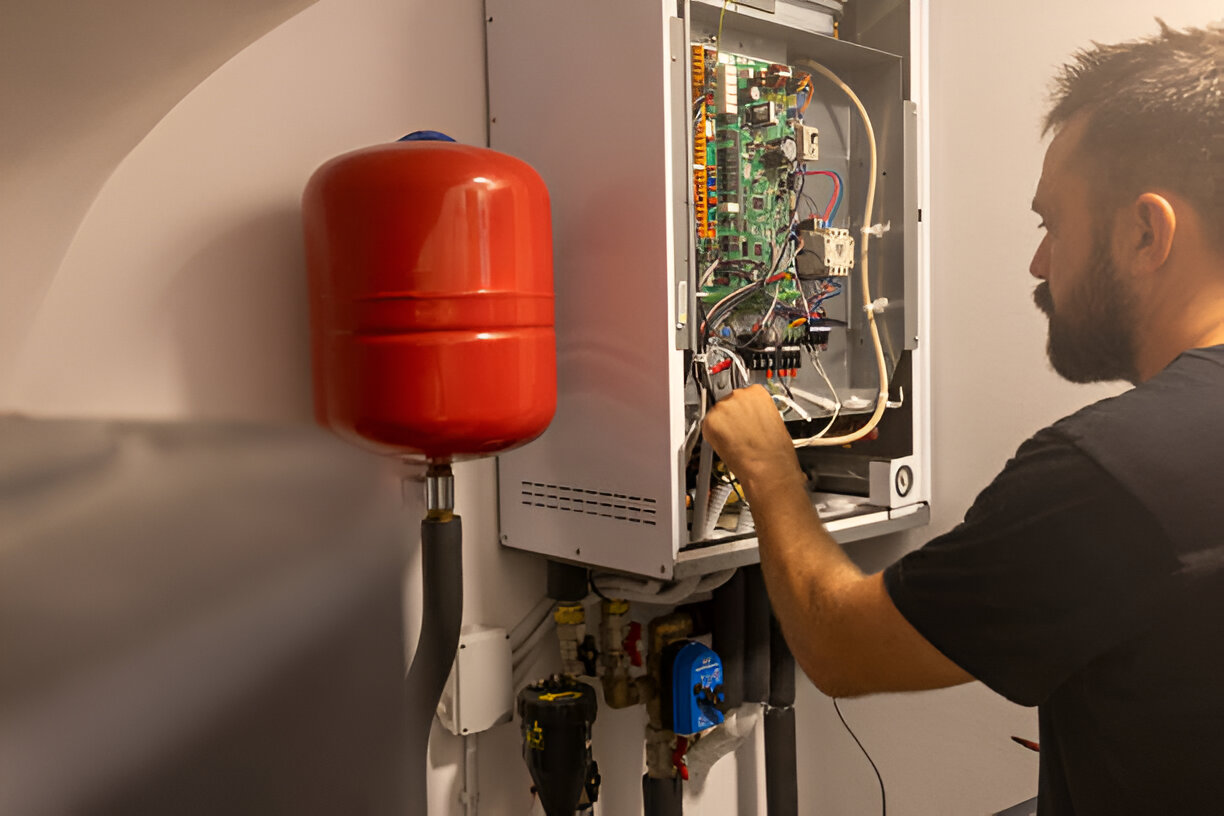
Why a heating tune-up matters in Margate, FL
Even though Margate winters are short and generally mild, local conditions make tune-ups important. Coastal salt air and higher year-round humidity increase the risk of corrosion on outdoor coils, fasteners, and electrical connections. Homes here also face high pollen, dust, and airborne particulates during certain seasons that can clog filters and reduce airflow. Many homes rely on heat pumps more than traditional furnaces; heat pumps work year-round and require seasonal checks to ensure efficient reversing cycles and proper refrigerant charge.
A heating tune-up prevents unexpected failures during cooler nights, improves indoor comfort and humidity control, lowers energy use, and reduces the risk of safety issues such as combustion problems or electrical faults. It is also the best way to identify weak components before they lead to costly breakdowns.
Systems we tune up in Margate homes
Koolflow Air services a range of heating systems commonly found in Margate, including:
- Heat pumps (air source)
- Gas furnaces and hybrid heat systems
- Ductless mini-split heat pumps
- Packaged rooftop units
- Electric resistance heating systems (baseboard, strip heaters)
- Hydronic systems and boilers (where applicable)
Each system type needs slightly different checks and calibrations. Our tune-ups are adapted to the technology, age, and model of your equipment to deliver thorough, model-appropriate maintenance.
Common heating issues in Margate homes
Understanding what often goes wrong helps prioritize preventive maintenance. Typical problems seen in local homes include:
- Reduced heating output caused by clogged filters, dirty coils, or restricted airflow
- Short cycling on heat pumps due to incorrect thermostat settings or faulty controls
- Corroded outdoor components from salt and humidity, leading to refrigerant leaks or electrical faults
- Poor thermostat communication or incorrect calibration resulting in temperature swings
- Ignition failures, delayed ignition, or pilot problems on gas furnaces
- Excessive energy use stemming from aging systems with inefficient components or low refrigerant charge
- Uneven heating or hot and cold spots caused by duct leaks, poor insulation, or unbalanced airflow
A tune-up addresses these issues before they become emergencies, and identifies longer-term repairs that will restore performance.
What a heating tune-up includes: technician checklist
Koolflow Air follows a detailed, consistent checklist to make sure nothing is missed. The tune-up covers inspection, cleaning, calibration, safety testing, and performance optimization.
Inspection and diagnostics
- Visual inspection of entire heating system, indoor and outdoor units
- Verify equipment model and serial number for manufacturer requirements and warranty compliance
- Inspection of ductwork for visible leaks, disconnections, or damage
- Check for signs of corrosion, rust, or physical damage on outdoor coils and panels
- Confirm proper airflow at registers and return grilles
- Measure supply and return air temperatures for system performance assessment
- Evaluate system run times and cycle patterns
Cleaning tasks
- Replace or clean air filters (filter replacement is performed or recommended according to filter type)
- Clean indoor coils and blower components to improve heat transfer and airflow
- Clean outdoor coils and remove debris that impedes air flow
- Remove dust and debris from furnace chambers and adjacent combustion areas where safe and appropriate
- Clean burners and flame sensors on gas-fired systems to restore efficient combustion
Calibration of controls and thermostats
- Verify thermostat calibration against measured room temperature
- Reprogram or adjust thermostat settings for proper deadband and setback schedule
- Test communication between thermostat and system controls; check wire integrity
- Inspect and test control boards, relays, and safety limits on the heating unit
Safety checks
- Test for proper and consistent ignition on gas systems; inspect gas valves and burners
- Check flue, venting, and combustion air pathways to ensure safe exhaust
- Perform carbon monoxide baseline test where combustion appliances are present
- Inspect electrical connections and tighten terminals to prevent arcing and overheating
- Test system pressure and refrigerant levels on heat pumps; inspect for refrigerant leaks
- Check condensate drainage on systems with heat/cooling cycles that produce condensate
Performance optimization
- Adjust blower speeds and fan settings for ideal airflow and comfort
- Confirm proper refrigerant charge and system balance on heat pumps
- Clean and adjust components for maximum heat transfer efficiency
- Verify defrost cycle function on heat pumps and address any anomalies
- Provide seasonal calibrations to account for Margate temperature and humidity patterns
Documentation and recommendations
- Provide a written summary of findings and measurements
- Prioritize any repair recommendations essential for safety or performance
- Suggest efficiency improvements, filter schedules, and system upgrades where appropriate
- Explain warranty implications and how the tune-up meets manufacturer service requirements
Inspection and diagnostics — what technicians measure and why
A professional tune-up is data driven. Technicians will take specific measurements that matter for system health and efficiency:
- Static pressure and airflow to confirm the system moves the right volume of air
- Temperature rise across furnace heat exchangers to ensure proper combustion heat transfer
- Refrigerant superheat and subcooling on heat pumps to verify charge and compressor health
- Electrical amperage draw on motors and compressors to identify failing bearings or electrical stress
- Combustion gas readings and carbon monoxide checks on gas appliances to ensure safe operation
These diagnostics tell us whether components are operating within manufacturer specifications and whether immediate repairs are needed.
Cleaning tasks explained
Cleaning is more than cosmetic. Dirty coils and burners reduce heat transfer, cause longer run times, and raise energy consumption. During a tune-up:
- Burners and flame sensors are cleaned to ensure stable ignition and efficient fuel use
- Evaporator and condenser coils are cleared of dust, pollen, and salt buildup to maximize heat exchange
- Blower wheels and housings are cleaned to restore airflow and prevent motor strain
- Drain pans and condensate lines are flushed to prevent clogs that can cause water damage or biofilm growth
- Return and supply grilles are inspected and cleaned to prevent restriction and spread of contaminants through the home
Regular cleaning restores capacity and reduces strain on motors and compressors, extending service life.
Calibration of controls and thermostats
A properly calibrated thermostat and control system are essential for comfort and efficiency. During the tune-up:
- Thermostat sensors are compared to ambient temperature measurements and recalibrated if necessary
- Smart or programmable thermostats are checked for accurate schedules and connectivity
- Control board diagnostics are run to detect error codes or memory issues
- Sensor and limit switches are tested to ensure they engage and disengage at proper set points
Thermostat calibration prevents short cycling, reduces energy waste, and keeps your Margate home at consistent comfort levels.
Safety checks and combustion inspection
Safety is non-negotiable. For gas or oil-fired systems, our safety checks include:
- Visual and instrument inspection of the heat exchanger for cracks or leaks
- Flue and venting inspection to ensure proper exhaust and no blockages
- Verification of stable flame pattern, correct fuel pressure, and clean burners
- Carbon monoxide testing to detect any harmful leaks into living spaces
- Gas line and combustion air inspections for integrity and appropriate ventilation
If any safety hazard is detected, the technician will document it and include recommended corrective actions to eliminate risk.
Performance optimization for efficiency and reliability
Beyond cleaning and safety, tune-ups focus on optimizing the system:
- Proper refrigerant levels and airflow restore rated capacity and lower run-times
- Adjusting fan curves and blower speeds improves comfort without increasing noise
- Lubrication of moving parts and replacement of worn belts reduce mechanical losses
- Tightening electrical connections and replacing suspect capacitors or contactors prevent sudden motor failures
- Balancing return and supply airflow reduces hot and cold spots and improves system longevity
These adjustments reduce energy consumption and help systems meet or exceed original performance levels.
What to expect during the on-site process
A typical heating tune-up visit from Koolflow Air follows a predictable, homeowner-friendly workflow:
- Arrival and exterior inspection: technician assesses outdoor unit condition and site clearance
- Pre-start checks: visual inspection, safety checks, and baseline measurements
- System start and operation: run system through cycles while measuring temperatures, pressures, and electrical loads
- Cleaning and replacement: filters serviced, coils and burners cleaned, blower components accessed
- Calibration and control checks: adjust thermostat and control settings as needed
- Final test and documentation: verify corrected settings, record final performance numbers, and prepare a recommendations report
The technician will explain observable issues in clear, non-technical language and provide prioritized next-step recommendations.
Benefits you will notice after a tune-up
A proper tune-up produces measurable and perceptible improvements:
- More consistent indoor comfort with fewer hot and cold spots
- Quieter operation as motors and blowers are freed from debris
- Lower energy costs from reduced run-times and improved efficiency
- Increased reliability and fewer emergency breakdowns
- Safer operation of combustion appliances with lower carbon monoxide risk
- Extended equipment life and better long-term value from your HVAC investment
For Margate homes, these benefits translate to reliable comfort on cool evenings, faster recovery from system setbacks, and less wear during the shoulder seasons when systems cycle frequently.
Recommendations following the tune-up
After the inspection and service, Koolflow Air typically recommends practical steps to maintain efficiency and prevent future problems. Common recommendations include:
- Replace standard filters every 30 to 90 days depending on filter type and household conditions; high-efficiency filters may need different schedules
- Consider a MERV rating that balances particulate capture with acceptable airflow for your system
- Seal and insulate ducts in the attic and crawlspaces to reduce leakage and improve airflow balance
- Add or inspect attic insulation to reduce heat gain and the workload on your system
- Install or recalibrate a programmable or smart thermostat to optimize schedules and reduce unnecessary runtime
- Schedule regular annual tune-ups; heat pumps often benefit from twice-yearly checks if they provide both heating and cooling
- Monitor humidity levels; in Margate, use dehumidification strategies during transition months to reduce strain on systems
- Replace aging components identified during the tune-up, such as capacitors or contactors, before they fail
These actions reduce the total cost of ownership and improve system resilience.
Seasonal timing and how often to schedule a tune-up
Even in South Florida, an annual heating tune-up is recommended. For homes that use a heat pump year-round, consider scheduling maintenance twice per year — once in late spring before heavy cooling season and once in late fall before the cooler months — to keep both heating and cooling functions optimized.
Signs you should schedule a tune-up right away include:
- Noticeable decline in heating performance
- Frequent short cycling or unusually long run times
- Strange odors, noises, or visible rust and corrosion
- Fluctuating thermostat readings or temperature swings
- Unexplained increases in energy bills
Annual maintenance preserves warranty coverage for many manufacturers and minimizes the risk of midseason failures.
Why a professional tune-up matters versus DIY checks
Homeowner checks like changing filters and setting thermostats are valuable, but professional tune-ups use specialized instruments and expertise to find hidden issues. Trained technicians can safely inspect combustion chambers, measure refrigerant charge, evaluate electrical load under operation, and perform calibrated adjustments that are not possible with basic DIY methods. Professional maintenance reduces safety risks, uncovers slow-developing faults, and provides documented service records important for warranties and resale value.
Koolflow Air brings licensed technicians who follow industry best practices and manufacturer specifications to deliver thorough, verifiable tune-up work.
Common repairs discovered during tune-ups
A tune-up frequently reveals parts that would benefit from proactive replacement or repair. Typical items include:
- Capacitors and contactors showing wear or intermittent failure
- Blower motors or bearings nearing end of life
- Refrigerant leaks or undercharge on heat pumps
- Corroded terminals and loose electrical connections
- Worn belts or misaligned pulleys in older systems
- Cracked heat exchangers or damaged flues in combustion appliances
Addressing these repairs early reduces the likelihood of sudden failures and helps maintain efficiency.
Long-term value of regular heating maintenance
The cumulative effect of annual tune-ups is significant. Systems that receive regular maintenance typically last longer, operate more efficiently, and require fewer costly emergency repairs. For Margate homeowners, this means fewer service interruptions during cooler nights and more predictable operating costs. Proper maintenance also helps preserve indoor air quality and reduces stress on household budgets by smoothing out repair expenses over time.
Koolflow Air documents findings and provides guidance so homeowners can make informed decisions about repair, replacement, or upgrades.
Frequently Asked Questions
Q: How long does a heating tune-up typically take?
A: A standard heating tune-up usually takes between 60 and 90 minutes, depending on system type and condition. More complex systems or units that require deep cleaning and additional diagnostics may take longer.
Q: Should I get a tune-up if I only use heating a few times a year in Margate?
A: Yes. Even intermittent use can mask developing issues and salt-humid environments can cause corrosion regardless of runtime. Annual tune-ups identify problems before they become emergencies and keep systems ready whenever needed.
Q: Do tune-ups include filter replacement?
A: Tune-ups include inspection and cleaning of filters and replacement when specified in the service agreement or when filters are disposable and due for replacement. Technicians will recommend the correct type and schedule for future filter changes.
Q: What if the technician finds a dangerous issue during the tune-up?
A: If a safety hazard is detected, the technician will document the issue and recommend immediate corrective actions. Safety issues such as gas leaks, combustion problems, or carbon monoxide risk are prioritized for repair.
Q: How often should I service a heat pump that provides both heating and cooling?
A: For heat pumps used year-round for both heating and cooling, semi-annual maintenance is recommended — once before the cooling season and once before the heating season — to keep both modes optimized.
Q: Will a tune-up make my furnace or heat pump more energy efficient?
A: Yes. Cleaning coils and burners, restoring proper refrigerant charge, optimizing airflow, and tightening electrical connections all reduce energy consumption and improve system efficiency.
Q: Can a tune-up extend the life of my heating equipment?
A: Regular maintenance reduces wear and tear, prevents secondary damage from failing components, and preserves performance, which collectively can extend equipment life by years compared to neglected systems.
Q: Are tune-ups required to maintain my manufacturer warranty?
A: Many manufacturers require documented annual maintenance to keep warranties valid. A professional tune-up creates the documentation needed to satisfy these requirements.
Q: What should I do to prepare my home for a tune-up visit?
A: Ensure access to the indoor equipment and thermostat, clear space around outdoor units, and provide safe access to attic or mechanical areas if needed. Remove obstacles from registers for accurate airflow readings.
Q: Do you tune ductless mini-split systems?
A: Yes. Tune-ups for ductless mini-splits include indoor and outdoor unit inspections, cleaning of filters and coils, refrigerant checks, calibration of controls, and verification of proper defrost cycles.
Koolflow Air provides professional, systematic heating tune-ups tailored to the climate and conditions of Margate, FL. Regular maintenance preserves comfort, safeguards safety, reduces energy use, and protects your HVAC investment for the long term.


Hear what our satisfied
clients have to say

SERVICE AREAS