


Refrigeration Installation in Sunrise, FL
Installing refrigeration systems the right way matters for performance, energy use, food safety, and long term operating costs. In Sunrise, FL, where high humidity, year-round heat, and coastal air create unique stresses on cooling equipment, a professional, code-compliant refrigeration installation is essential. Koolflow Air provides thorough refrigeration installation services for commercial and residential customers in Sunrise, FL, covering pre-install site surveys, correct unit sizing and specification, refrigerant charging, piping and electrical setup, start-up and performance testing, local code compliance, and post-installation support and training.
.jpeg)
Why the right refrigeration installation matters in Sunrise, FL
Sunrise experiences hot, humid summers and mild winters. That climate increases run-time, accelerates corrosion in outdoor condensing equipment near coastal areas, and raises the risk of moisture-related problems inside refrigeration systems. Improperly sized or poorly installed units can lead to:
- Higher utility bills because the system cycles more often or runs continuously
- Reduced equipment life from excessive wear and moisture-related corrosion
- Food safety risks if temperature control is inconsistent in commercial kitchens, grocery stores, or food storage
- Unreliable defrost and frost control, causing frequent service calls
- Noncompliance with local building and environmental regulations
A professional installation optimizes system performance, reduces operating cost, and protects perishable inventory and occupant comfort. Koolflow Air integrates local knowledge of Sunrise conditions with industry best practices to deliver installations built for South Florida needs.
Types of refrigeration installations we handle
Koolflow Air installs and commissions a wide range of refrigeration systems for Sunrise homes and businesses, including:
- Commercial walk-in coolers and freezers
- Reach-in display cases and deli cases
- Refrigerated display cabinets and prep tables
- Ice machines and undercounter refrigerators
- Split-system refrigeration and remote condensing units
- Packaged refrigeration units for small commercial spaces
- Residential refrigeration upgrades that require dedicated compressors or condensers
Each application has different demands for load, defrost strategy, refrigerant type, and maintenance access. We match system selection and installation methods to the intended use, available space, and local environmental conditions.
Pre-install site surveys: the foundation of a reliable installation
A detailed site survey is the first step to a successful refrigeration installation. During the survey we evaluate:
- Available space and clearances for equipment, including service access
- Existing electrical capacity and panel space for dedicated circuits
- Structural considerations for mounting condensing units or rooftop equipment
- Indoor conditions that affect load, such as frequent door openings, lighting, and equipment heat gains
- Drainage and condensate management options
- Line set routing, pipe lengths, and thermal protection needs
- Local code and permit requirements specific to Sunrise and Broward County
- Potential impacts from salt air and humidity on exposed equipment
This survey identifies constraints and opportunities, feeding directly into equipment selection, piping design, electrical work, and permitting strategy. It also minimizes surprises during installation and protects project timelines.
Correct unit sizing and specification
Correct sizing is critical. Oversized units short cycle, increase humidity and wear, and undersized units cannot maintain safe temperatures during peak loads. Sizing and specification include:
- Load calculations that account for Sunrise climate factors: ambient temperatures, humidity, insulation, and usage patterns
- Consideration of heat sources inside the space: lighting, ovens, compressors, and frequent door traffic
- Refrigerant selection based on efficiency, availability, and environmental regulations
- Material choices that reduce corrosion risk in coastal conditions, such as coated condensers and corrosion-resistant piping supports
- Specifying controls and defrost strategies that match the application, including adaptive defrost for display cases and controlled hot gas defrost for walk-ins when appropriate
We use industry-standard calculation methods to ensure the system matches real operational needs, not just nameplate capacity.
Professional refrigerant charging and leak-proof piping
Refrigerant charging affects capacity, efficiency, and reliability. Proper procedures include:
- Vacuum drying and evacuation of lines to remove moisture and non condensables
- Accurately weighing in refrigerant to manufacturer specifications or superheat/subcooling targets
- Pressure and leak testing, including electronic leak detection and soap/solution testing where appropriate
- Proper brazing technique and nitrogen purge to avoid oxidation and blockages
- Thermal insulation and jacketed lines for suction piping to prevent sweating and efficiency loss
- Secure supports and flexible connections to minimize stress from vibration
Using correct charging methods and leak prevention practices extends equipment life, keeps performance within design parameters, and reduces environmental risk.
Electrical setup and safety
Refrigeration systems require correct electrical installation to run safely and reliably. Key electrical tasks performed during installation include:
- Verifying existing service capacity and adding dedicated circuits when required
- Installing appropriately sized disconnects, fuses, and overload protection per manufacturer and NEC (National Electrical Code) guidance
- Grounding and bonding to protect personnel and equipment
- Control wiring for thermostats, defrost timers, and remote monitoring
- Start assist or soft-start equipment for large compressors to reduce inrush current
- Coordination with building electrical systems to prevent nuisance trips or power quality issues
Electrical work is executed per code and coordinated with other trades to ensure a safe, compliant installation.
Start-up, calibration, and performance testing
Start-up is where design becomes reality. A thorough start-up and commissioning process includes:
- Verifying refrigerant charge using superheat and subcooling measurements
- Checking operating pressures and temperatures at evaporator and condenser
- Confirming proper airflow and fan operation for evaporators and condensers
- Testing defrost cycles and confirming drain performance to prevent standing water and bacterial growth
- Calibrating controllers and temperature sensors for accurate readings
- Running systems through peak and off-peak scenarios to confirm capacity and stability
- Recording baseline performance data for future diagnostics and warranty validation
Documented start-up and performance testing establish a record that protects operations and helps future troubleshooting.
Compliance with local codes and environmental regulations
Installations in Sunrise, FL must meet applicable building, mechanical, and environmental codes. Areas of compliance include:
- Florida Building Code requirements for mechanical and electrical work
- Broward County permitting and inspection processes that apply to commercial refrigeration
- EPA refrigerant handling rules and certification requirements for technicians
- Proper refrigerant recovery practices and documentation for phased-out refrigerants
- Local health department rules for food-related refrigeration in restaurants and grocery stores
Koolflow Air integrates code compliance into the project plan to avoid costly rework and ensure the system is ready for inspections.
Corrosion control and long-term durability for coastal conditions
Sunrise is close enough to coastal influences that corrosion can be a concern for outdoor and rooftop equipment. Durable installations include:
- Specifying corrosion-resistant coatings and materials for exposed metal
- Locating condensers away from direct salt spray when possible
- Using stainless steel or coated fasteners and supports
- Designing maintainable access for regular cleaning and rinsing of condensers
- Applying sacrificial anodes or other protective measures where appropriate
These design choices reduce downtime, extend equipment life, and maintain efficiency in a salt-influenced environment.
Post-installation support and operator training
A successful installation does not end at start-up. Post-installation support is critical for reliable operation:
- Training for staff or homeowners on proper thermostat and defrost operation, basic troubleshooting, and safe practices for opening and closing coolers
- Issuing clear equipment manuals, maintenance schedules, and performance baseline reports
- Offering planned maintenance recommendations tailored to the Sunrise climate and usage pattern
- Providing guidance on inventory rotation and door management strategies to maintain temperature stability in commercial settings
Proper training reduces user error, enhances food safety, and helps preserve warranty coverage.
Maintenance planning and what to expect over time
Regular maintenance keeps systems efficient and predictable. Recommended tasks include:
- Monthly visual inspections of condensers and evaporators to remove debris and ensure airflow
- Cleaning or replacing filter media and checking door seals to prevent warm air infiltration
- Seasonal condenser coil cleaning to maintain heat rejection capacity
- Periodic refrigerant pressure checks and electrical safety inspections
- Verifying defrost control functions and drain performance to avoid ice buildup
- Annual or semi-annual preventive maintenance visits depending on load and usage intensity
A maintenance plan tailored to your site in Sunrise reduces emergency service needs and optimizes energy consumption.
Common refrigeration issues in Sunrise, FL and their root causes
Understanding common local issues helps prevent them. Typical problems seen in Sunrise refrigeration systems include:
- High humidity-related icing: Frequent door openings and high ambient moisture lead to excess frost and unstable temperatures. Solution: improved door seals, adaptive defrost controls, and staff training.
- Corrosion of outdoor units: Salt and humidity cause rust and component failure. Solution: corrosion resistant components, placement strategies, and regular rinsing/cleaning.
- Compressor short cycling: Often caused by oversized units, low refrigerant charge, or electrical problems. Solution: correct sizing, proper refrigerant charging, and electrical verification.
- Long running times and high energy bills: Usually due to incorrect sizing, dirty coils, or insufficient insulation. Solution: load recalculation, coil cleaning, and insulation upgrades.
- Inadequate defrost or blocked drains: Poorly designed drains or control settings cause water accumulation and hygienic risks. Solution: drain rework, defrost schedule optimization, and anti-clog fittings.
Addressing these issues at the installation stage avoids recurring service calls and protects stored products.
Retrofit and replacement considerations
When replacing or retrofitting refrigeration equipment, consider:
- Whether existing piping and electrical will support new equipment and modern refrigerants
- Opportunities to upgrade to more efficient compressors, variable speed drives, or advanced controls
- The cost and logistics of refrigerant transition if moving to lower-GWP (global warming potential) refrigerants
- Minimizing downtime for businesses through phased or night installations
- Documenting changes for health inspectors and warranty records
Thoughtful retrofits can significantly reduce operating costs and environmental impact when planned correctly.
Energy efficiency and long-term cost control
Good installation practices directly impact operating costs. Key energy-focused practices include:
- Properly sizing equipment so it operates within its most efficient range
- Ensuring condenser and evaporator coils are clean, straight, and unobstructed
- Installing variable speed fans or compressors where load variability makes them effective
- Tightening building envelope elements like door seals and insulation around coolers
- Implementing smart controls and remote monitoring to detect anomalies before they become failures
These measures reduce energy consumption and stabilize operating expenses over the equipment life.
Documentation and warranty support
Detailed documentation from the installation protects owners and technicians alike. Deliverables typically provided post-install include:
- Equipment specifications and serial numbers
- Permits and inspection sign-offs relevant to Sunrise and Broward County
- Start-up and performance test reports with baseline measurements
- Recommended maintenance schedule and parts list
- Refrigerant charge documentation and leak test records
These records are crucial for warranty claims, future service, and regulatory compliance.
What to expect during the installation timeline
Typical project phases and time expectations involve:
- Pre-install site survey and permitting: a few days to a few weeks depending on permit timelines
- Equipment procurement: varies by manufacturer lead times and customization
- On-site installation: generally 1 to several days for residential systems and multiple days to weeks for larger commercial projects
- Start-up and commissioning: usually completed immediately following installation with documentation provided
- Final inspection and handover: dependent on local inspector schedules
A clear project schedule, defined milestones, and documentation reduce disruption and set clear expectations for businesses and homeowners.
Why location-specific expertise matters
Sunrise, FL has specific needs due to:
- Year-round heat and high humidity that increase cooling loads and corrosion risk
- Proximity to coastal environments where salt spray and higher chloride levels accelerate metal degradation
- Local permitting nuances and Broward County inspection processes
- Common business types such as restaurants, grocery stores, and hospitality venues with strict food safety standards
Local expertise ensures installations are resilient against these conditions and comply with regional requirements.
Q: How is the correct refrigeration unit size determined for my Sunrise business or home?
A: Correct sizing is determined through a load calculation that factors in ambient Sunrise temperatures, humidity, insulation, internal heat gains from lights and equipment, door opening frequency, and desired temperature range. These real-world factors ensure the selected unit can maintain temperature without short cycling or excessive run times.
Q: What steps are taken to protect outdoor condensers from corrosion in coastal Sunrise areas?
A: Protective steps include specifying corrosion resistant materials and coatings, locating condensers away from direct salt spray when possible, using stainless or coated fasteners, providing adequate airflow and clearance, and scheduling regular cleaning and rinsing to remove salt deposits.
Q: How does refrigerant charging affect performance and how is it verified?
A: Proper refrigerant charging ensures the system operates at design pressures and temperatures. Charging is performed by evacuation, nitrogen purge, and weighing in refrigerant. Technicians verify charge by measuring superheat and subcooling and comparing to manufacturer specifications during start-up and under typical operating conditions.
Q: What code and permit considerations apply to refrigeration installations in Sunrise, FL?
A: Installations must comply with Florida Building Code mechanical and electrical sections, Broward County permitting and inspection requirements, and EPA refrigerant handling regulations. Documentation and adherence to these codes are included in the installation process.
Q: How long does a typical commercial walk-in cooler installation take in Sunrise?
A: Timeframes vary by size and complexity. Smaller modular installations can be completed in a few days, while larger walk-ins with remote condensing units, electrical upgrades, and permits can take several days to a few weeks including permitting and start-up.
Q: What training is provided after installation for staff or homeowners?
A: Training covers thermostat and control operation, defrost and drain management, daily and weekly checks, basic troubleshooting, and proper door and inventory handling practices to maintain safe temperatures and efficient operation.
Q: How often should refrigeration systems be serviced in Sunrise to prevent failures?
A: High-use commercial systems in Sunrise should have preventive maintenance visits at least quarterly, with monthly visual checks of coils and drains. Residential systems generally benefit from annual service, but frequency should reflect usage intensity and local environmental stressors.
Q: Are there specific refrigerants recommended for Sunrise installations?
A: Refrigerant choice depends on the application, efficiency goals, equipment compatibility, and regulatory considerations. Modern low-GWP refrigerants and HFC alternatives are commonly used, but the selection must align with manufacturer guidelines and EPA rules.


Hear what our satisfied
clients have to say

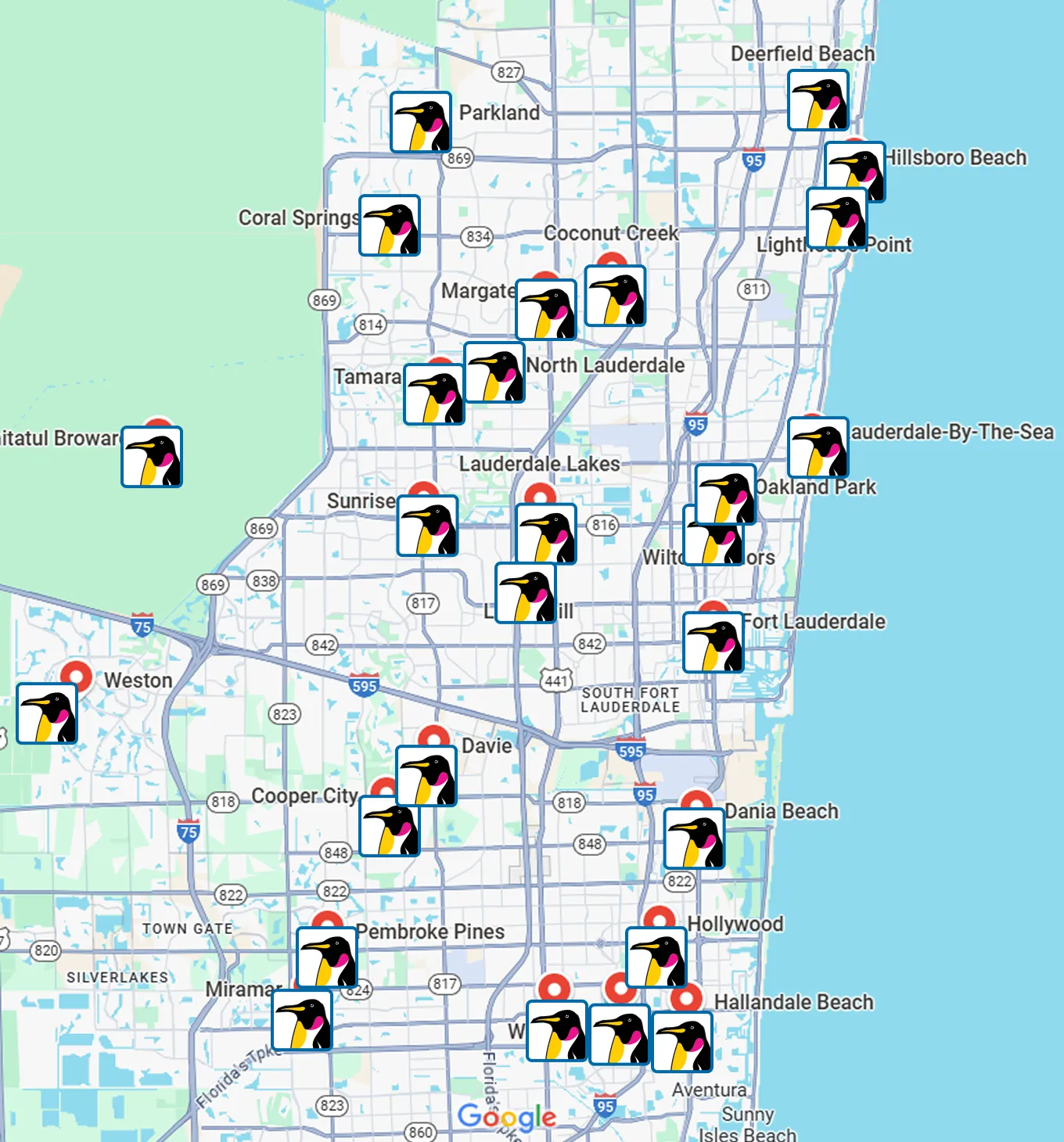
SERVICE AREAS