


Refrigeration Maintenance in Lighthouse Point, FL

Keeping refrigeration systems running reliably is essential for businesses in Lighthouse Point, FL. Whether you operate a restaurant, grocery store, marina concession, convenience store, or medical facility, routine refrigeration maintenance reduces the risk of sudden failures, protects perishable inventory, and controls operating costs. Koolflow Air offers professional refrigeration maintenance programs tailored to the coastal, humid conditions of Lighthouse Point so your equipment performs efficiently year round.
.jpeg)
Why routine refrigeration maintenance matters in Lighthouse Point
Lighthouse Point sits on the intracoastal waterway and experiences warm, humid weather most of the year. Those local conditions increase load on refrigeration systems and create a higher risk of corrosion, coil fouling, and moisture-related problems. Common local pressures on refrigeration equipment include:
- High humidity that increases defrost cycles and encourages ice or frost buildup on evaporator coils
- Salt air and coastal corrosion that accelerate wear on condensers, fans, and electrical connections
- Year-round cooling demand that limits downtime windows for service
- Seasonal storm and hurricane exposure that can stress electrical systems and outdoor condensing units
Proper, scheduled refrigeration maintenance addresses these local factors proactively. Regular tune-ups and targeted cleaning reduce energy consumption, extend equipment life, and keep you compliant with food safety and health inspection standards.
Common refrigeration systems we service in Lighthouse Point
- Walk-in coolers and freezers
- Reach-in refrigerated units and prep tables
- Display cases and merchandisers
- Ice machines and blast chillers
- Rooftop and outdoor condensing units
- Refrigerated storage for seafood, produce, dairy, and pharmaceuticals
- Specialty refrigeration such as cold rooms and process chillers
Common refrigeration issues in Lighthouse Point homes and businesses
- Inconsistent temperatures or warm spots leading to spoiled product
- Excessive frost or ice on evaporator coils
- Dirty or corroded condenser coils reducing heat rejection
- Refrigerant leaks and low refrigerant charge
- Compressor failures or abnormal amp draw
- Weak or failed fans on condensing units or evaporators
- Clogged filters, blocked airflow, or restricted condensate drains
- Electrical connection problems, tripped breakers, or control failures
- Door gasket wear and air infiltration increasing load
- Corrosion from salt air impacting outdoor components
Understanding these common issues helps prioritize maintenance tasks that reduce downtime and cost.
What a professional refrigeration maintenance program includes
Koolflow Air designs refrigeration maintenance agreements that combine routine care with documentation and performance monitoring. Core components include:
- Scheduled tune-ups at intervals that match equipment criticality and usage
- Condenser coil cleaning to restore heat rejection and efficiency
- Evaporator coil cleaning and defrost performance checks
- Filter changes and filter monitoring for air and liquid lines
- Refrigerant level checks and superheat/subcooling measurements
- Leak detection using electronic leak detectors and methods appropriate to the refrigerant type
- Electrical inspections including contactors, relays, capacitors, and wiring tightness
- Compressor and motor checks including amp draw and vibration assessment
- Fan motor and blade inspection and lubrication where applicable
- Thermostat and control calibration to verify setpoints and sensors
- Door gasket and seal inspection to prevent air infiltration
- Condensate drain cleaning and float switch verification
- Performance reporting with baseline readings, trend tracking, and recommended corrective actions
- Customizable maintenance schedules and service frequency to fit budgets and operational needs
Leak detection and refrigerant management
Refrigerant leaks are a common source of performance loss and environmental concern. Our maintenance includes systematic leak detection using electronic detectors, visual inspection, and where appropriate, dye testing or pressure decay methods. We document refrigerant usage and recommend repairs when leaks are identified. Regular checks reduce long-term refrigerant loss and avoid escalating compressor and oil contamination issues.
Electrical inspections and safety checks
Many refrigeration failures originate in the electrical system. Corrosion from coastal air can loosen terminals and increase resistance, creating heat and premature component failure. During inspections we:
- Tighten and inspect electrical connections
- Test start capacitors and contactors
- Measure current draw on compressors and fans
- Inspect control wiring and safety devices
- Evaluate overload protection and circuit integrity
Catching electrical issues early prevents compressor burnout and reduces fire risk.
Performance reporting and trend tracking
A core benefit of a professional maintenance program is documentation. Each visit produces a performance report that includes:
- Baseline temperature and pressure readings
- Voltage and amp draw comparisons to prior visits
- Coil condition and airflow metrics
- Notes on gaskets, seals, and door integrity
- Recommendations and estimated urgency for any repairs
Tracking these metrics over time reveals trends that signal declining performance before a catastrophic failure. Trend data also supports decisions about when repair no longer makes sense and replacement is the prudent option.
Customizable maintenance agreements to fit budgets and schedules
Koolflow Air builds maintenance agreements around operational priorities. Typical customization options include:
- Frequency: monthly, quarterly, semiannual, or annual visits depending on system criticality
- Coverage: single units, groups of systems, or entire properties
- Level of service: basic preventive tune-up, mid-tier preventive plus parts, or comprehensive with priority emergency response included
- Reporting detail: basic inspection checklist or full data-driven performance reports
- Budget smoothing: predictable billing cycles to spread maintenance costs evenly
For critical systems such as walk-in coolers storing high-value inventory, increased frequency and more comprehensive checks are recommended. For lower-risk equipment, a lighter schedule can still provide substantial reliability gains.
When maintenance uncovers a problem: diagnostics and repair planning
Not every visit ends with simple cleaning or tuning. When diagnostics uncover a more serious issue, the process includes:
- Documenting fault codes, abnormal readings, and likely causes
- Prioritizing repairs based on impact to product safety and operations
- Estimating repair options versus replacement based on age, efficiency loss, and repair history
- Recommending interim actions to protect inventory until repairs can be completed
- Planning follow-up visits or monitoring to confirm repair effectiveness
This structured approach ensures downtime is minimized and repair dollars are spent with the best long-term value in mind.
Energy efficiency and cost control
Routine maintenance directly reduces energy consumption. Dirty coils, low refrigerant charge, and restricted airflow cause compressors to run longer and harder. Regular maintenance can:
- Improve heat transfer efficiency through clean coils
- Restore proper refrigerant charge and system balance
- Extend compressor life and reduce cycling
- Lower operating costs by improving run-time efficiency
Depending on equipment condition, routine maintenance commonly results in noticeable energy savings and improved temperature control.
Seasonal preparation and resilience
Lighthouse Point experiences seasonal challenges including increased summer load and potential storm impacts. Maintenance programs can include seasonal preparation elements:
- Pre-summer system tune-ups to ensure capacity before peak demand
- Inspecting and securing outdoor condensing units against storm damage
- Verifying surge protection and electrical grounding after storms
- Post-storm inspections to catch salt spray corrosion or water intrusion
- Ensuring emergency response options are in place for critical systems
These seasonal measures reduce the risk that high heat or storm events cause costly equipment failures.
Simple daily checks staff can perform
Training staff to perform brief daily checks complements professional maintenance and increases detection speed for problems:
- Verify and log refrigerator and freezer temperatures at least twice daily
- Check that doors close completely and gaskets are intact
- Listen for unusual sounds from compressors or fans
- Inspect condensate pans and drains for clogs or overflow
- Note any temperature fluctuations or cycling abnormalities
A consistent log combined with periodic professional inspections provides strong protection for temperature-sensitive inventory.
Repair vs replacement: how to decide
Maintenance helps extend equipment life, but there comes a point where replacement is more economical. Consider replacement when:
- Age exceeds typical service life and performance is significantly degraded
- Energy use is markedly higher than newer equipment would be
- Repairs are frequent and total repair costs approach replacement cost
- Compressor failure occurs on older systems where retrofitting is inefficient
- New equipment offers improved refrigerant, reduced maintenance, and warranty protection
Maintenance reports help make these decisions by documenting efficiency loss and repair history.
Benefits summary
Consistent refrigeration maintenance delivers tangible benefits for Lighthouse Point businesses:
- Reduced risk of inventory loss and business interruption
- Lower energy use and improved temperature control
- Extended equipment life and better lifecycle cost management
- Faster identification and repair of small issues before they escalate
- Documentation to support warranty claims and health inspections
- Customized maintenance frequency and reporting to match operational needs
Koolflow Air provides the technical expertise and local experience to design maintenance programs that address Lighthouse Point climate challenges and protect critical refrigeration assets.
Final considerations for Lighthouse Point facilities
Local environmental factors make refrigeration maintenance a priority in Lighthouse Point. Salt air, high humidity, and year-round cooling demand accelerate wear and increase failure risk. A thoughtfully designed maintenance program that combines scheduled tune-ups, targeted cleaning, leak detection, electrical inspection, and performance reporting brings predictable operation and cost control. For businesses depending on refrigeration to protect inventory and maintain customer trust, preventive maintenance is an investment in reliability and peace of mind.
Frequently Asked Questions
Q: How often should refrigeration equipment be serviced in Lighthouse Point?
A: Frequency depends on system type and criticality. High-use or critical systems like walk-in coolers often need monthly or quarterly checks. Display cases and less critical units can be inspected semiannually. Local humidity and continuous operation usually justify more frequent service than in cooler climates.
Q: What does a typical refrigeration tune-up include?
A: A tune-up commonly includes coil cleaning, refrigerant pressure checks and measurement of superheat and subcooling, filter replacement, electrical inspection and tightening, fan and motor checks, defrost and drain verification, thermostat calibration, and a written performance report.
Q: How can maintenance reduce my energy costs?
A: Cleaning coils, restoring proper refrigerant charge, replacing clogged filters, and ensuring efficient airflow reduce system run time and compressor strain. These actions improve heat transfer and can lower energy use depending on initial system condition.
Q: How do you detect refrigerant leaks?
A: Leak detection methods include electronic leak detectors, visual inspection for oil stains, pressure decay testing, and dye testing when appropriate. We document findings and recommend repairs to stop loss of refrigerant and potential equipment damage.
Q: Are refrigerant checks and repairs environmentally regulated in Florida?
A: Refrigerant handling, recovery, and documentation are governed by best practices and applicable regulations. Maintenance programs track refrigerant use, locate leaks, and perform repairs according to accepted handling procedures.
Q: What should staff check daily to help prevent failures?
A: Staff should log temperatures, ensure doors are sealing properly, check for unusual noises, inspect condensate pans and drains, and note any temperature fluctuations. Quick detection allows earlier intervention.
Q: How does coastal salt air affect refrigeration equipment?
A: Salt air accelerates corrosion of outdoor condensers, fan motors, and electrical terminals. Regular inspections, protective coatings where appropriate, and cleaning schedules reduce corrosion-related failures.
Q: How long do refrigeration systems typically last with proper maintenance?
A: With regular preventive maintenance, many refrigeration systems can reach or exceed expected service life. Proper maintenance delays major failures, but eventual replacement is determined by age, efficiency loss, and repair history.
Q: Can maintenance agreements include emergency response?
A: Maintenance agreements can be structured to include priority response or emergency coverage as part of a customized plan, depending on operational needs and equipment criticality.
Q: When should I consider replacing rather than repairing a unit?
A: Consider replacement when repairs are frequent, energy costs are significantly higher than modern units, repair costs approach replacement costs, or a major compressor failure occurs on an older system. Maintenance reports provide the data needed to evaluate this decision.

Hear what our satisfied
clients have to say

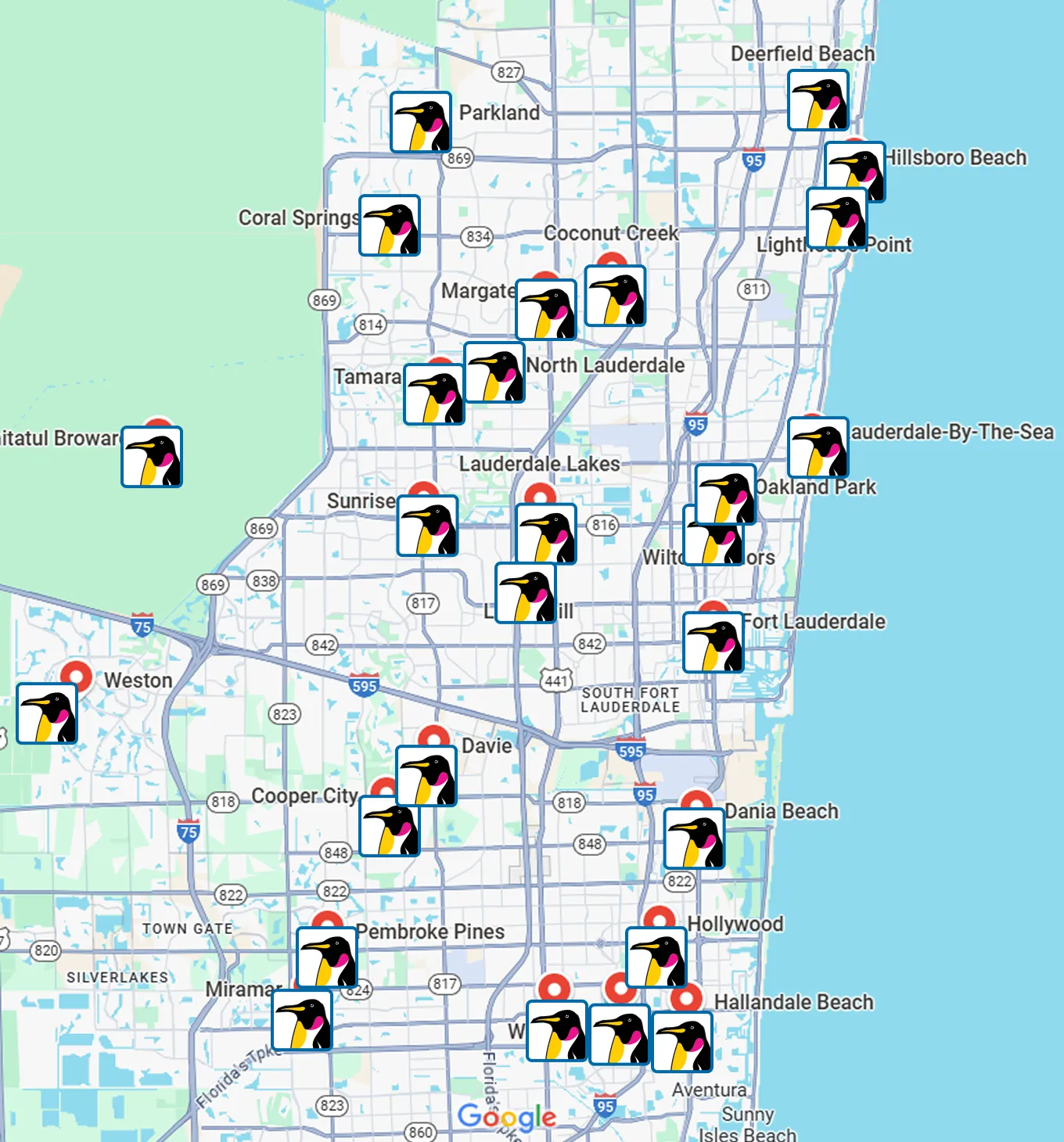
SERVICE AREAS