


Refrigeration Repair in Oakland Park, FL
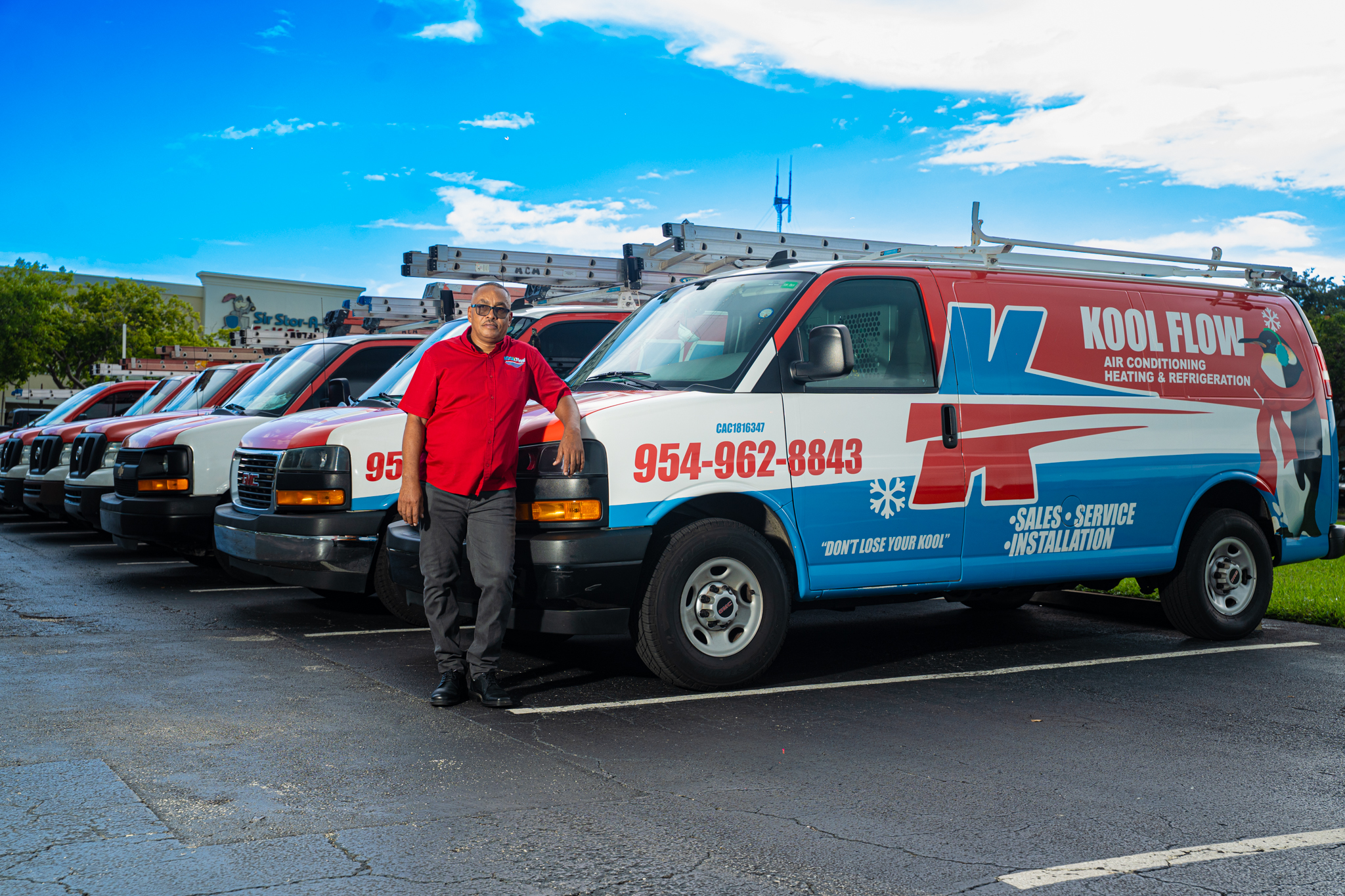
Commercial and residential refrigeration systems are critical to businesses and homes across Oakland Park, FL. Whether you run a restaurant, grocery store, medical office, or manage cold storage for perishable inventory, a malfunctioning refrigeration unit creates immediate risk to product quality, safety, and revenue. Koolflow Air provides focused, professional refrigeration repair in Oakland Park, FL that addresses common failures, reduces downtime, and restores reliable cooling with safety and EPA compliance in mind.
.jpeg)
Why refrigeration repair matters in Oakland Park, FL
Oakland Park experiences hot, humid weather year round, coastal salt air, and frequent thunderstorms during the summer months. Those local conditions accelerate corrosion, strain condensers, and increase the workload on compressors and fans. High ambient temperatures mean condensers must dissipate more heat, and continual door openings in foodservice settings drive frequent cycling. Timely, expert refrigeration repair helps prevent spoilage, maintain health code compliance, and avoid costly emergency replacements.
Koolflow Air understands these local pressures and focuses on durable, code-compliant repairs that restore performance and extend equipment life.
Common refrigeration problems we diagnose and repair
We regularly see the same core set of faults in Oakland Park refrigeration systems. Each problem requires a structured diagnostic approach to identify root causes rather than just treating symptoms.
- Compressor failures
- Signs: loud or unusual compressor noise, tripped breakers, unit running but not cooling, high head pressure.
- Typical causes: electrical faults, motor burnout, refrigerant issues, or condenser overload from restricted airflow or corrosion.
- Evaporator and condenser problems
- Signs: frost or ice on coils, warm product temperatures, poor air movement, refrigerant migration.
- Typical causes: dirty or blocked coils, failed fans, corroded fins from salt exposure, or inadequate airflow due to obstructions.
- Refrigerant leaks
- Signs: gradual loss of cooling capacity, oil traces around fittings, low refrigerant pressure, repeated need for recharge.
- Typical causes: worn fittings, mechanical damage, vibration fatigue, or failed brazed joints. R22 legacy systems may be particularly costly to recharge due to supply constraints.
- Thermostat and electrical failures
- Signs: incorrect cycling, inaccurate temperature readouts, intermittent operation, tripped breakers, or failed start capacitors and relays.
- Typical causes: faulty sensors, loose connections, capacitor degradation, or motor starting issues.
- Door gaskets and structural faults
- Signs: condensation, frost at door edges, rapid temperature rise with door use.
- Typical causes: worn seals, misaligned doors, or damaged insulation allowing warm air infiltration.
Step-by-step diagnostic process
A consistent, methodical diagnostic procedure ensures efficient repairs and prevents repeat failures. Our standard approach for refrigeration repair in Oakland Park, FL includes:
Initial triage and safety checks
- Verify electrical disconnects, confirm unit voltage, and perform basic safety checks.
- Record the operating history from the client (when issue started, any recent service).
Visual inspection and external checks
- Inspect for visible oil, corrosion, damaged components, and door/gasket condition.
- Check condenser and evaporator accessibility and cleanliness.
Electrical diagnostics
- Test voltage, current draw, and continuity on compressor, fan motors, and controls.
- Inspect and test capacitors, relays, contactors, and thermostats.
Refrigerant system evaluation
- Measure suction and head pressures, superheat and subcooling.
- Use leak detection tools (UV dye, electronic leak detectors, and bubble testing) to locate leaks.
Mechanical component review
- Evaluate compressor operation, fan motor bearings, and coil condition.
- Perform airflow measurements to confirm adequate circulation.
Reporting and recommended repair plan
- Provide a clear diagnostic summary that describes required repairs, parts, estimated timelines, and a rationale for repair versus replacement options.
Typical refrigeration repair procedures and what they entail
After diagnosis, standard repair tasks include:
- Repairing or replacing compressors
- Compressor swap includes system evacuation, replacement with OEM-specified compressor, necessary valve changes, and proper oil balancing and charging.
- Compressor replacements are handled with care for refrigerant oil compatibility and proper start devices.
- Coil repairs and condenser/evaporator cleaning
- Coil cleaning removes salt, grease, and debris that block air passage.
- Minor fin and coil repairs or straightening; major coil replacement when corrosion is severe.
- Refrigerant leak repair
- Locate and repair leaks via brazing or component replacement.
- Perform pressure testing, evacuate system to required vacuum, and recharge to manufacturer specifications.
- Document refrigerant type and amounts for EPA compliance.
- Electrical repairs and control calibration
- Replace capacitors, relays, thermostats, and control boards as needed.
- Calibrate controls and sensors for accurate temperature regulation.
- Fan motor replacement and airflow restoration
- Replace failed condenser or evaporator fans and ensure ducting and louvers allow correct airflow.
- Address blocked condensate drains or drain pan issues to prevent overflow and secondary damage.
- Door gasket and insulation repairs
- Replace worn gaskets and repair door alignment to prevent warm air infiltration and reduce load on the refrigeration system.
Parts, labor, and expected repair timelines
Repairs vary by complexity. Below are typical timelines and what influences them:
- Diagnostic visit
- Time: 30 to 90 minutes.
- Outcome: Clear diagnosis and written repair plan.
- Simple electrical repairs (capacitor, relay, thermostat)
- Time: 1 to 3 hours.
- Components: commonly stocked parts; same-day completion is typical when parts are available.
- Fan motor or gasket replacement
- Time: 2 to 4 hours.
- Parts: standard motors and gaskets are often stocked for common sizes.
- Refrigerant leak detection and repair
- Time: 2 to 24+ hours depending on leak complexity and the need to schedule extended pressure testing.
- Notes: Small leaks can be repaired in one visit. Intermittent or hard-to-find leaks may require follow-up checks.
- Compressor replacement
- Time: 4 to 8 hours for standard units; larger or rooftop units may require longer.
- Considerations: May need additional time for parts ordering or system evacuation and recharge.
- Coil or major component replacement
- Time: 1 to 3 days including parts acquisition and installation.
- Complexity: Custom or obsolete coils will extend lead times.
Parts used can be OEM or aftermarket depending on availability and suitability. OEM parts provide better compatibility and often longer service life, while high-quality aftermarket parts can offer value and quicker availability. Labor charges reflect diagnostic time, repair complexity, and safety procedures such as refrigerant recovery and electrical lockout-out.
Emergency response and temporary solutions
In Oakland Park, time is critical for perishable stock. Emergency response options include:
- 24/7 priority dispatch
- Rapid response to minimize product loss for restaurants, grocery stores, and medical facilities.
- First-response stabilization
- Temporary measures such as portable refrigeration, reducing door openings, or adding emergency fans to slow temperature rise while repairs are scheduled.
- Temperature maintenance and product triage
- Assessing impacted product for temperature excursions and advising on safe handling to meet health and safety requirements.
- Fast parts sourcing
- Leveraging local supply networks to expedite critical components and reduce downtime.
Emergency service emphasizes triage and stabilization first, then a permanent repair plan that complies with safety and refrigerant regulations.
Warranty, safety, and EPA compliance practices
Safety and regulatory compliance are central to professional refrigeration repair.
- EPA certification and refrigerant handling
- Technicians must comply with EPA Section 608 requirements for refrigerant recovery, recycling, and recordkeeping.
- Proper documentation of refrigerant type, recovered amounts, and disposal is standard.
- Safe work practices
- Lockout-tagout procedures, use of personal protective equipment, and proper handling of pressurized systems are enforced on every job.
- Pressure testing with nitrogen and vacuum pumps performed to industry standards before recharging.
- Warranty practices
- Parts and labor warranties vary by component. We document warranty durations and coverage for replaced parts.
- Where OEM parts are used, manufacturer warranty terms are passed through as applicable.
- Environmental considerations
- Proper disposal or recycling of reclaimed refrigerant and used parts is standard practice to minimize environmental impact.
- For R22 systems, we track refrigerant availability and document any use of reclaimed refrigerant consistent with current regulations.
When repair is more cost-effective than replacement
Deciding whether to repair or replace a refrigeration unit depends on multiple factors. Below are practical considerations used to guide that decision.
- Equipment age
- Systems under 7-10 years often benefit from repair if failures are isolated.
- Systems older than 12-15 years with multiple failures typically yield better lifecycle value with replacement.
- Total repair cost vs replacement cost
- If a single repair costs less than roughly 40 to 50 percent of a new system, repair is often the sensible choice.
- Repeated repairs for different components in a short timeframe signal diminishing returns.
- Refrigerant type and availability
- R22 systems are increasingly expensive to service due to limited refrigerant supply and regulatory phaseouts.
- If a system requires major refrigerant-related repairs and uses an obsolete refrigerant, replacement with a modern R410A or alternative refrigerant system is often more practical.
- Energy efficiency and operating cost
- Older compressors and coils run less efficiently, increasing utility bills.
- Calculate payback: if energy savings from a new unit offset replacement cost within an acceptable timeframe, replacement is preferable.
- Capacity and code or health compliance
- If the system no longer meets temperature control needs or fails to meet local health or building code requirements, replacement may be required.
- Availability of parts
- Some older or custom equipment has long lead times for parts; prolonged downtime can justify replacement for operational continuity.
A practical rule: for critical commercial operations, factor in lost revenue and spoilage risk in the repair versus replace calculation, not just parts and labor cost.
Preventive maintenance to reduce repair frequency
Regular scheduled maintenance is the most cost-effective way to prevent emergency refrigeration repairs in Oakland Park, FL. Maintenance should include:
- Quarterly or monthly coil cleaning and condenser checks in high-use environments.
- Routine electrical inspections and tightening of connections.
- Checking door gaskets and seals regularly to minimize air infiltration.
- Monitoring system pressures, superheat, and subcooling to detect early refrigerant or airflow problems.
- Seasonal checks before high-use summer months and after major storms.
A formal maintenance plan extends equipment life, improves efficiency, and can reduce emergency service needs.
Local considerations for Oakland Park, FL
Specific local factors that influence how we approach refrigeration repair in Oakland Park include:
- Coastal salt air exposure
- Increased corrosion risk means condensers and external components require more frequent inspection and corrosion-resistant replacements when feasible.
- High humidity and temperature swings
- Evaporator icing and condensate drain issues are common; proper drain maintenance is essential.
- Frequent storms and power fluctuations
- Surge protection and electrical system reviews help reduce motor and control board failures after storms.
- High demand for foodservice repairs
- Restaurants and caterers require fast response and temperature documentation for health code enforcement during repairs.
Koolflow Air integrates these local realities into diagnosis and repair plans, specifying corrosion-resistant materials and preventive measures to reduce repeat failures.
Documentation and transparency
Professional refrigeration repair includes clear documentation:
- A written diagnostic report that identifies root causes and lists recommended repairs and parts.
- A service record documenting refrigerant recovered and added, component replacements, and applicable warranty terms.
- Suggested follow-up and preventive maintenance schedules.
Clear records are important for inventory managers, food safety audits, and facility maintenance histories.
Benefits of timely refrigeration repair
Prompt professional repair provides immediate and long-term benefits:
- Protects perishable inventory and reduces risk of product loss.
- Maintains compliance with health and safety regulations.
- Lowers utility costs by restoring efficient operation.
- Reduces unplanned downtime and operational interruptions.
- Extends equipment life and preserves capital investment.
Prompt attention to small issues prevents escalation into catastrophic failures that require full system replacement.
What to expect during a repair visit
During a typical repair visit for refrigeration repair in Oakland Park, FL you can expect:
- Arrival by a certified technician with diagnostic equipment.
- A safety check and initial triage to stabilize temperatures if needed.
- A transparent explanation of findings and a written repair plan.
- Completion of repairs following best practices for brazing, evacuation, and EPA-compliant refrigerant handling.
- Post-repair testing and monitoring to confirm stable temperatures and proper operation.
- Documentation of work performed, replaced parts, and any warranties.
Technicians will follow local code and safety standards and use protective measures to minimize disruption to your operation.
Final notes on repair strategy and longevity
Refrigeration repair is not simply about getting a unit running; it is about identifying root causes, implementing durable fixes, and advising on long-term asset strategy. In Oakland Park, FL the combination of heat, humidity, and salt air demands attention to corrosion resistance, drainage, and electrical protection.
Koolflow Air brings experienced technicians, consistent diagnostic methodology, and adherence to EPA and safety standards to every job. The goal is to restore reliable cooling, minimize future breakdowns, and help you manage lifecycle costs intelligently. Thoughtful repair decisions combined with preventive maintenance help protect inventory, maintain compliance, and keep operations running smoothly in Oakland Park.
Frequently asked questions
Q: How quickly can a refrigeration technician diagnose my unit in Oakland Park, FL?
A: Most diagnostic visits take 30 to 90 minutes depending on system size and complexity. A thorough diagnosis includes electrical checks, pressure readings, and leak detection to identify root cause.
Q: Are refrigerant leak repairs compliant with EPA regulations?
A: Yes. Proper leak repair involves certified refrigerant recovery, documented testing, and adherence to EPA refrigerant handling and disposal requirements.
Q: When should I replace rather than repair a refrigeration system?
A: Consider replacement when equipment is near the end of its expected life (typically over 12 years), when repair costs exceed roughly 40 to 50 percent of replacement, when the system uses obsolete refrigerant like R22, or when recurrent failures and energy costs outweigh repair benefits.
Q: Can you perform emergency refrigeration repair outside normal business hours?
A: Emergency response options are available to stabilize temperatures and reduce product loss. Emergency scheduling and priority stabilization measures are used to protect perishable inventory.
Q: What is the typical timeline for a compressor replacement?
A: Compressor swaps typically require 4 to 8 hours for standard commercial units. Larger rooftop or specialty systems may require longer and could involve additional coordination for parts and safe handling.
Q: Do you use OEM parts and are they covered by warranty?
A: We use OEM parts when available and recommend them for best compatibility. Warranties depend on the part manufacturer and are provided in writing with the repair documentation.
Q: How does Oakland Park climate impact refrigeration systems?
A: High humidity and heat increase system load and promote condensate and coil issues. Coastal salt air accelerates corrosion, especially on outdoor condensers. These local factors make regular maintenance and corrosion-resistant components important.

Hear what our satisfied
clients have to say

SERVICE AREAS