


Refrigeration Repair in Parkland, FL

Keeping refrigeration systems running reliably is essential for homes, restaurants, grocery stores, medical offices, and commercial facilities in Parkland, FL. Koolflow Air provides professional refrigeration repair services tailored to the unique demands of South Florida climate and local building conditions. common refrigeration faults in Parkland, how skilled technicians diagnose problems, typical repair and replacement processes, expected repair timelines, emergency response options, warranty and parts practices, and what to expect when scheduling service. The goal is to give you clear, practical information so you can decide with confidence when and how to move forward.
.jpeg)
Why refrigeration repair matters in Parkland, FL
Parkland experiences high humidity, warm temperatures most of the year, and seasonal tropical storms. Those conditions place constant stress on refrigeration systems, increasing the likelihood of refrigerant leaks, compressor strain, condenser fouling, and control failures. For businesses that depend on cold storage, even a short failure can cause product loss, regulatory noncompliance, and operational disruption. In Parkland homes, ice makers, wine coolers, and built-in refrigerators often run continuously and need reliable maintenance to avoid food spoilage and costly emergency replacements. Koolflow Air understands these local factors and repairs systems with solutions built for South Florida conditions.
Common refrigeration problems in Parkland homes and businesses
- Compressor failures
- Symptoms: unit runs but does not cool, loud buzzing or clunking noises, frequent short cycling.
- Causes: mechanical wear, low refrigerant charge, electrical issues, overheating from restricted airflow or fouled condenser coils.
- Refrigerant leaks
- Symptoms: gradual loss of cooling capacity, icing on evaporator coils, hissing sounds, higher energy usage.
- Causes: corrosion at fittings, vibration fatigue, punctures from rodents, or damaged tubing.
- Thermostat and control issues
- Symptoms: incorrect temperatures, erratic on/off cycles, unresponsive digital displays, alarm alerts in commercial systems.
- Causes: failed sensors, loose wiring, control board faults, or failed user interface components.
- Evaporator and condenser coil problems
- Symptoms: reduced cooling, high head pressures, frozen evaporator coils.
- Causes: dirt, grease, pollen, and local debris such as palm fronds; salt and humidity accelerating corrosion.
- Electrical and motor problems
- Symptoms: unit does not start, tripped breakers, burnt smells, motors running hot.
- Causes: capacitor failure, contactor wear, motor winding damage, or storm-related voltage surges common in Parkland.
- Drain and defrost malfunctions
- Symptoms: water pooling under equipment, ice buildup, frequent defrost cycles.
- Causes: clogged drains, failed heaters, or control timing errors.
- Door seal and insulation failures (commercial units)
- Symptoms: condensation on doors, higher energy bills, product thawing.
- Causes: torn gaskets, misaligned doors, or damaged insulation panels.
Typical diagnostic and troubleshooting procedures
Diagnosing refrigeration problems begins with a structured approach that prioritizes safety and speed to limit product loss for businesses.
- Initial assessment and history
- Confirm the type of system (residential refrigerator, walk-in cooler, reach-in, ice machine, condensing unit), age, maintenance history, and recent events such as power outages or storms.
- Safety checks
- Lock out power, verify electrical isolation, and check for refrigerant hazards or water pooling.
- Visual inspection
- Look for obvious signs of damage: burnt wiring, oil stains indicating leaks, corrosion on fittings, pulled or blocked condensers, and failed door gaskets.
- Electrical testing
- Measure voltage and current to motors, check capacitors and contactors, and test control boards for supply and signal integrity.
- Refrigerant and pressure diagnostics
- Attach gauges to measure high- and low-side pressures, calculate subcooling and superheat, and compare to manufacturer specifications.
- Leak detection
- Use electronic leak detectors, ultraviolet dye, or bubble testing depending on the location and the likelihood of a leak.
- Airflow and temperature profiling
- Measure return and supply temperatures, airflow across condensers and evaporators, and evaluate temperature differentials across the system.
- Data logging and isolating faults
- For intermittent issues, log temperatures and electrical signals over hours to capture abnormal cycles and trace control logic problems.
A thorough diagnostic report s the root cause, describes recommended repairs or replacements, and provides realistic time-to-repair estimates and options for temporary measures if immediate full repair is not possible.
Repair and parts replacement ed
Repairs range from targeted component replacements to full major component swaps. Common repair tasks include:
- Refrigerant leak repair and recharge
- Locate and repair leak source, replace damaged tubing or fittings, evacuate system to remove moisture and noncondensables, vacuum test to required micron levels, and recharge with the correct refrigerant type to precise charge specifications.
- Compressor replacement
- Remove and replace failed compressor, replace associated gaskets, filter driers, and check or replace motor start components. Major compressor jobs often require brazing, evacuation, and careful electrical reconnection.
- Condenser and evaporator coil cleaning or replacement
- Clean coils to restore heat transfer or replace corroded sections. In Parkland, coil protection from salt air and landscaping debris is often recommended after repair.
- Control and thermostat repairs
- Replace failed thermostats, sensors, or control boards, recalibrate programming, and verify system communication on systems with networked controllers.
- Electrical and motor repairs
- Replace capacitors, contactors, fan motors, or wiring damaged by wear or storm surge. Verify correct motor rotation and balance for long life.
- Door gasket and refrigeration panel repairs
- Replace seals, realign doors, and repair insulation panels to restore thermal integrity.
- Drain and defrost system repairs
- Unclog drains, replace heaters and thermostats, and correct defrost timing or control sequences.
Parts sourcing in Parkland repair jobs typically balances speed and longevity. Koolflow Air evaluates OEM versus aftermarket parts based on availability, compatibility, and warranty implications. When applicable, OEM components are preferred for matching performance and preserving manufacturer warranties, but high-quality aftermarket parts may be used when they meet specifications and extend time-to-repair advantages.
Time-to-repair expectations
Setting realistic timelines upfront helps reduce stress and operational impact.
- Minor repairs and adjustments (1 to 4 hours)
- Thermostat replacement, gasket changes, drain unclogging, coil cleaning, and simple electrical fixes are often completed in a few hours.
- Moderate repairs (4 to 8 hours)
- Evaporator motor replacements, condenser fan motor swaps, and small refrigerant charge and leak repairs typically require a half to full day depending on access and parts.
- Major component replacements (8 to 24 hours or next-day)
- Compressor replacement, condensing unit swaps, or extensive tube replacement can take a full day and sometimes require parts ordering that extends repair into the next business day.
- System rebuilds or full replacements (1 to several days)
- Rebuilding a walk-in cooler, replacing a rooftop condensing system, or rebuilding an ice machine can take multiple days due to fabrication, coordination, and testing.
Factors that influence repair duration in Parkland:
- Parts availability: Some specialized compressors or control modules may need to be ordered.
- Access and location: Walk-ins behind commercial kitchens or rooftop units with tight mechanical platforms take longer.
- Permits and code compliance: Certain commercial repairs may require local permits or inspections.
- Weather events: During storm season or after hurricanes, service demand increases and supply chains can be delayed.
Emergency response and temporary measures
Refrigeration emergencies demand fast, prioritized response to avoid spoilage and safety issues. Koolflow Air provides emergency response availability adapted to Parkland needs, including evenings and storm-time support. Typical emergency protocols include:
- Priority dispatch to assess risk to perishable inventory or critical systems.
- Temporary measures to maintain cooling while permanent repairs are arranged:
- Supplemental portable refrigeration or dry ice placement for short-term product preservation.
- Temporary bypass or lockout wiring to stabilize system until full repair can be completed.
- Emergency condenser cleaning and fan replacements to restore immediate cooling capacity.
- Rapid diagnostics to determine whether a field repair or a major component replacement is required.
- Coordination with building managers and staff to minimize disruption to operations and to comply with local health code requirements for food handling.
In Parkland, where storms can impact power stability and surge protection, emergency response often includes inspecting and recommending surge suppression and secondary containment for refrigerant leaks.
Warranty, parts, and documentation
Transparent warranty and parts policies are central to a trustworthy refrigeration repair service.
- Parts warranties
- Quick-replacement parts such as thermostats, capacitors, fan motors, and gaskets typically come with manufacturer or supplier warranties. OEM parts generally carry longer or more comprehensive coverage.
- Labor warranties
- Labor coverage on repairs varies by job type and repair complexity. Residential repairs often include a limited labor warranty for a fixed period, while commercial labor warranties may be adjusted based on the scale and criticality of the system.
- Work documentation
- Every repair should include a written report that documents findings, parts replaced (including serial numbers when relevant), refrigeration charge levels, pressure readings, and a recommended maintenance schedule.
- Compliance and safety
- For commercial kitchens and food businesses in Parkland, documentation often includes proof of service that supports health department requirements and insurance claims in case of spoilage losses.
- Recommended preventive upgrades
- After repairs, technicians may recommend upgrades that improve reliability in Parkland environment, such as cathodic protection or coated coils to resist humidity-related corrosion, surge protection devices, and upgraded insulation or door hardware.
Koolflow Air prioritizes sourcing reliable parts and provides clear documentation so owners and facility managers can make informed decisions based on long-term costs and system performance.
Scheduling service and what to expect during an appointment
Scheduling a refrigeration repair appointment typically follows a predictable process to ensure efficient service and minimize downtime:
- Intake and symptom collection
- During scheduling, provide unit type, location, symptoms, any recent events (power outage, storm, service history), and whether the unit contains critical inventory.
- Appointment window and technician qualifications
- Appointments are assigned with an estimated time window. For commercial critical systems, priority or emergency slots are available. Technicians arrive with tools and common replacement parts suitable for residential and commercial units.
- On-site assessment and estimate
- The technician performs a diagnostic evaluation and presents documented findings and repair options. Estimates describe parts, labor, expected timeline, and warranty information.
- Approval and repair sequencing
- After approval, the technician proceeds with repairs. For parts that require ordering, a temporary stabilization plan will be implemented when possible.
- Post-repair testing and verification
- Technicians verify temperatures, pressure readings, and electrical parameters; test door seals and defrost cycles; and monitor for leaks. A final report is provided that details the work performed and any recommended follow-up.
- Follow-up and maintenance planning
- For commercial clients in Parkland, a preventive maintenance schedule is often recommended to avoid future failures during high-demand months.
When scheduling, customers should be prepared to describe the urgency, presence of perishable inventory, and accessibility of the equipment. For businesses with regulatory obligations, indicate whether documentation for health inspections is required.
Preventive maintenance recommendations for Parkland systems
Regular maintenance is the most effective way to reduce emergency repairs and extend equipment life in Parkland. Key preventive tasks include:
- Quarterly or biannual coil cleaning and condenser maintenance to prevent reduced heat transfer from pollen, dust, and plant debris.
- Seasonal inspection of refrigeration charge and leak testing, especially before peak summer months.
- Electrical inspections including capacitor checks and contactor evaluation to reduce motor failures from high use.
- Door gasket inspections and realignment for commercial refrigerators and walk-ins to prevent warm air infiltration.
- Drain and defrost checks prior to rainy seasons when humidity can accelerate ice and drainage issues.
- Surge protection assessment and installation to protect control boards and compressors from storm-related power events.
- Regular compressor and motor vibration checks in commercial units to catch mechanical wear early.
- Documentation of all service and a digital log of temperature readings and repairs for regulatory compliance and warranty support.
These measures align with Parkland climate realities and can substantially lower operating costs and product loss risk over time.
Choosing the right repair approach for your needs
When deciding between repair, component replacement, or full system replacement, consider these factors:
- Age and condition of equipment
- Older systems with repeated failures may be better candidates for replacement rather than incremental repairs.
- Total cost of ownership
- Compare repair cost plus expected remaining life against replacement cost and efficiency gains of a new system.
- Operational risk
- For critical commercial refrigeration, the cost of downtime and spoilage often justifies faster or more robust replacement solutions.
- Energy efficiency and code compliance
- Newer systems can offer significant energy savings and use modern refrigerants that meet regulatory requirements.
- Availability of parts
- If parts are obsolete or have long lead times, replacement may be the practical choice.
Koolflow Air provides objective assessments that weigh these factors and present options with documented pros and cons so decision-makers in Parkland can select the best path forward.
Benefits of timely repair and professional service
- Protect perishables and maintain food safety
- Fast diagnosis and repair preserve inventory and help maintain regulatory compliance for commercial operations.
- Reduce long-term costs
- Addressing problems early prevents cascading failures that can require more expensive replacement.
- Improve energy efficiency
- Correct refrigerant charge, clean heat exchangers, and well-calibrated controls lower energy consumption and bills.
- Extend equipment life
- Regular repairs and maintenance slow component wear and delay full replacements.
- Increase reliability during high-demand seasons
- Proactive repairs ensure systems perform when Parkland heat and humidity demand peak cooling.
Koolflow Air brings expertise in refrigeration systems that operate reliably under South Florida conditions and helps clients choose repair strategies that align with operational priorities and budgets.
Frequently asked questions
Q: How quickly can a technician arrive for an emergency refrigeration failure in Parkland?
A: Emergency response depends on time of day and current service load, but priority protocols are in place for critical systems to assess risk and implement temporary measures as quickly as possible. Exact arrival windows vary by day and demand.
Q: Will my repair include documentation needed for health inspections or insurance claims?
A: Yes. Professional repairs typically include a detailed service report with measurements, parts replaced, and corrective actions that can be used for health department verification or insurance documentation.
Q: How is a refrigerant leak located and repaired?
A: Technicians use electronic detectors, ultraviolet dye, and pressure tests to find leaks. Repairs may involve replacing sections of tubing, brazing fittings, or replacing valves, followed by evacuation and proper recharge to manufacturer specifications.
Q: Are OEM parts always used for repairs?
A: OEM parts are preferred when available and appropriate, but high-quality aftermarket parts are used when they meet specifications and help reduce downtime. Warranty and performance implications are considered before selection.
Q: What factors influence the decision between repairing a compressor and replacing the whole unit?
A: Consider the age and maintenance history of the system, cost of a compressor job versus replacement, energy efficiency gains from a new unit, and parts availability. A documented cost-benefit analysis helps guide the decision.
Q: How often should refrigeration systems in Parkland be serviced to avoid breakdowns?
A: Most commercial systems benefit from quarterly or biannual maintenance. Residential units should have at least annual inspections. Systems subject to heavy use or environmental stress may require more frequent checks.
Q: Can temporary solutions preserve inventory while major repairs are scheduled?
A: Yes. Temporary measures such as portable refrigeration, targeted cooling, or dry ice placement can protect inventory short-term while parts are sourced or full repairs are scheduled.
Q: Will storm season increase the risk of refrigeration problems?
A: Yes. Storms and power interruptions can cause electrical and control board failures, refrigerant leaks, and compressor stress. Preparatory inspections and surge protection can reduce storm-related failures.
Q: What documentation should I keep after a repair?
A: Keep the service report, parts list and serial numbers, temperature logs if provided, and any warranty paperwork. These documents are important for regulatory compliance and validating future warranty claims.

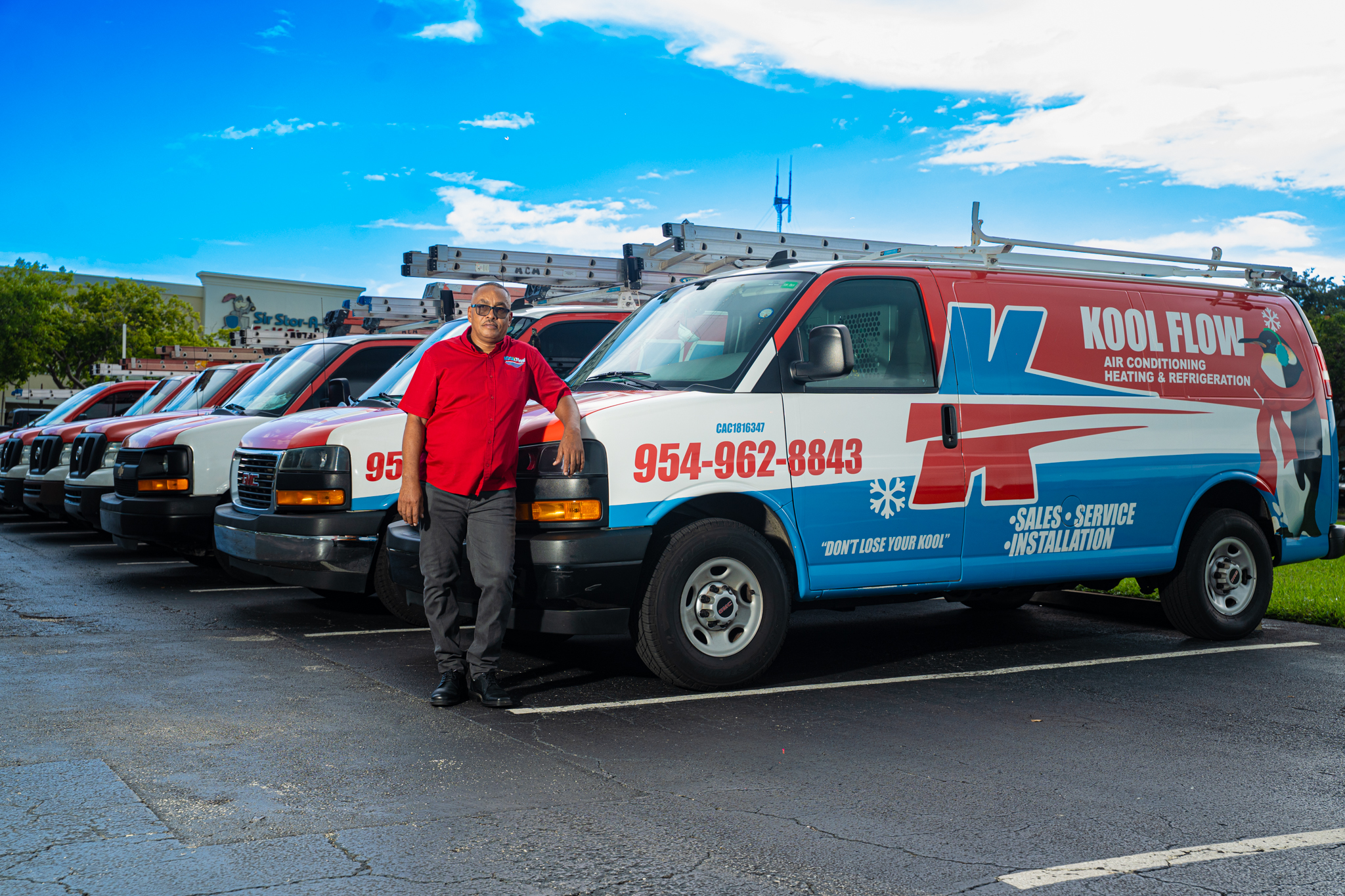
Hear what our satisfied
clients have to say

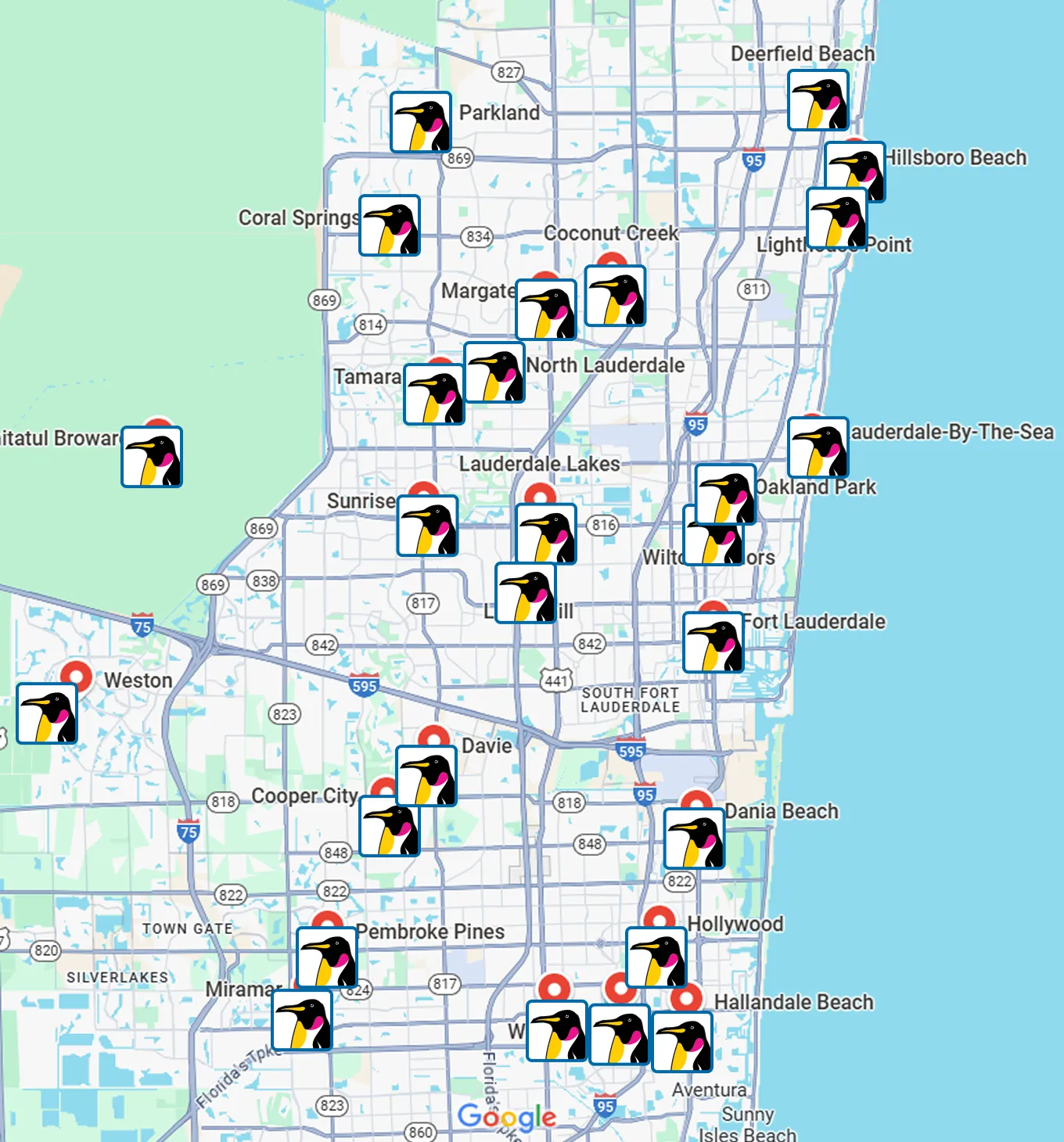
SERVICE AREAS