


Refrigeration Tune-Up in Coral Springs, FL

Keeping refrigeration equipment running reliably is essential for Coral Springs homes and businesses. Koolflow Air provides dedicated refrigeration tune-up services designed to extend equipment life, improve energy efficiency, and reduce the risk of unexpected downtime. Whether you operate a restaurant, grocery store, medical facility, convenience store, or rely on a freezer at home, a professional tune-up ensures your system handles South Florida heat and humidity without costing you more in energy and repairs.
.jpeg)
Why a Refrigeration Tune-Up Is Critical in Coral Springs, FL
Coral Springs experiences hot, humid summers and occasional severe weather that place extra strain on refrigeration systems. High ambient temperatures drive compressors harder, and elevated humidity accelerates coil fouling and corrosion. Salt and airborne particulates transported inland during storms can also contribute to faster component degradation. These regional factors commonly lead to:
- Reduced cooling capacity during peak demand periods
- Higher energy bills from inefficient operation
- Increased frequency of compressor or condenser failures
- Shortened useful life of the refrigeration system
A targeted refrigeration tune-up in Coral Springs, FL addresses these stressors through inspection, cleaning, and calibration so systems operate as designed when you need them most.
What a Refrigeration Tune-Up Covers (Checklist)
Koolflow Air’s refrigeration tune-up follows a thorough checklist tailored to the equipment and usage profile. Each item is performed, documented, and ed so you understand the state of your system and the value of corrective actions.
- Visual inspection of cabinet and components
- Check door gaskets, hinges, and seals for wear or air leakage.
- Inspect interior and exterior for corrosion, racking, or physical damage.
- Cleaning condenser coils
- Remove debris, dust, and grease that reduce heat transfer.
- Chemical cleaning or pressure wash when necessary for heavy buildup.
- Cleaning evaporator coils and drain pans
- Clear biofilm, ice buildup, and obstructions that impede airflow and drainage.
- Sanitize pans to prevent odors and microbial growth.
- Checking and adjusting refrigerant pressures
- Use gauges to verify charge against manufacturer specifications.
- Identify leaks or over/undercharging that impair performance.
- Testing compressor and electrical components
- Measure voltage, amperage, and starting currents to detect failing motors.
- Tighten electrical connections and replace worn terminals to prevent shorts.
- Calibrating controls and thermostats
- Confirm temperature setpoints and sensor accuracy for stable operation.
- Reprogram control parameters when necessary for load or usage changes.
- Testing defrost cycles
- Verify automatic or electric defrost sequences are completing correctly.
- Check timers, heaters, and bi-metal switches for proper function.
- Inspecting fans, belts, and motors
- Lubricate bearings, align belts, and replace worn blades to maintain airflow.
- Verifying airflow and ventilation
- Measure static pressure and airflow through evaporator and condenser.
- Ensure room ventilation and clearances meet design requirements.
- Leak detection and documentation
- Perform electronic or soap-bubble leak checks on accessible joints.
- Record refrigerant type and quantity for compliance and future reference.
- Safety and compliance checks
- Confirm proper pressure relief devices, refrigeration labeling, and electrical safety.
- Note items that may require certified refrigerant recovery or major repairs.
Each tune-up is completed with a service report that lists readings, observations, and recommended next steps so you can prioritize repairs and budgeting.
Diagnostic Process and Tools Used
A proper tune-up combines experienced diagnostics with industry-standard tools. Typical tools and methods used during a Koolflow Air tune-up include:
- Digital manifold gauges and temperature probes to measure refrigerant pressures and superheat/subcooling
- Clamp meters and multimeters for electrical testing
- Handheld refrigerant leak detectors and ultraviolet dye when appropriate
- Coil brushes, compressed air, and chemical coil cleaners
- Microfiber cleaning kits and sanitizers for evaporator maintenance
- Infrared thermometers and thermal imaging for hot-spot detection
- Defrost cycle analyzers and control programming interfaces
Technicians follow a logical sequence: initial visual inspection, system operating checks, static and dynamic measurements, targeted cleaning, control calibration, and a final performance verification. This ensures the tune-up not only identifies symptoms but isolates root causes.
Typical Duration and Access Requirements
Most refrigeration tune-ups are completed in a single visit. Typical durations, which vary by equipment type and condition, are:
- Residential refrigerators/freezers: 30 to 60 minutes
- Walk-in coolers and single-door commercial units: 60 to 90 minutes
- Multi-door or multi-compressor systems: 90 minutes to 3 hours
- Large supermarket or industrial refrigeration systems: 3 to 6 hours or scheduled over multiple visits for safety and continuity
Access requirements for an efficient service include unlocked equipment, clear access to condensers and evaporator units, available electrical schematics when possible, and a safe work area. For commercial sites, scheduling during off-peak hours or coordinating shut-down windows minimizes business disruption. Technicians will communicate estimated times and any temporary operational steps needed during service.
Measurable Benefits of Regular Refrigeration Tune-Ups
A refrigeration tune-up delivers measurable, practical benefits that directly impact operating costs, safety, and reliability:
- Lower energy consumption
- Cleaning coils and correcting refrigerant charge improves heat transfer and compressor efficiency. Typical savings vary by system condition but can range from 5 to 20 percent on cooling energy use.
- Fewer emergency breakdowns
- Tightening electrical connections, testing defrost cycles, and identifying worn components reduce the likelihood of mid-shift or overnight failures that disrupt business.
- Extended equipment life
- Proper lubrication, belt maintenance, and balanced loads reduce mechanical stress, which can add years to compressors and fans.
- Improved product quality and safety
- Stable temperatures prevent food spoilage, reduce waste, and help maintain compliance with health regulations.
- Lower repair costs over time
- Early detection of refrigerant leaks or failing motors allows scheduled repairs rather than costly replacements after catastrophic failure.
- Better temperature uniformity
- Calibrated controls and verified airflow ensure consistent storage conditions across the cabinet or walk-in.
Koolflow Air documents baseline readings and post-tune-up results so you can quantify improvements in temperature stability, electrical load, and refrigerant performance.
Recommended Frequency and Seasonal Considerations for Coral Springs
Equipment usage patterns and Coral Springs’ climate influence how often tune-ups are recommended:
- Commercial refrigeration (restaurants, grocery, medical)
- Every 3 months (quarterly) is recommended for high-use environments with heavy door openings and high load factors.
- Small commercial and light-duty systems
- Every 6 months balances performance and cost for convenience stores or small offices.
- Residential refrigeration and freezers
- Annually is sufficient for most home units unless signs of trouble appear.
- High-risk or critical systems
- Critical medical or pharmaceutical refrigeration should follow manufacturer guidelines and may require monthly monitoring plus quarterly physical tune-ups.
Seasonal considerations for Coral Springs:
- Schedule a pre-summer tune-up to ensure systems are ready for peak heat and humidity.
- After major storms or hurricane season, inspect condensers, wiring, and control enclosures for water intrusion and corrosion.
- Increase inspection frequency when equipment operates near capacity for extended periods, such as during holiday food service peaks.
Maintenance Plans and Bundling Options
Bundling tune-ups into a maintenance plan offers predictable scheduling, documentation, and often prioritized service. Typical plan features include:
- Scheduled inspections at recommended intervals
- Priority dispatching for enrolled systems in case of emergency
- Discounted labor or parts pricing for plan members
- Comprehensive reports with trending data to support budgeting decisions
- Flexible options for residential, light commercial, and enterprise customers
Koolflow Air customizes maintenance plans based on equipment type, usage intensity, and compliance needs. Bundling tune-ups with preventive maintenance reduces unplanned downtime and spreads service costs across the year.
Common Problems Found During Tune-Ups in Coral Springs
During tune-ups in Coral Springs, technicians commonly find issues tied to local conditions and operational habits:
- Dirty condenser coils from high pollen, humidity, and grease in food service environments
- Low refrigerant from slow leaks aggravated by vibration and temperature cycling
- Worn door gaskets causing warm air infiltration and excessive compressor run-times
- Sticking defrost timers or failed heaters leading to ice buildup and airflow restriction
- Loose or corroded electrical connections caused by moisture and salt-laden air after storms
- Imbalanced or failing fans resulting in poor condenser or evaporator airflow
- Improper thermostat calibration or misplaced sensors causing temperature swings
Identifying these issues during a tune-up allows targeted interventions that restore normal operation and prevent secondary damage.
Preventive Tips for Owners and Facility Managers
Simple practices can extend the time between major repairs and improve overall system performance:
- Keep condenser and outdoor units free of debris, vegetation, and obstructing objects.
- Train staff to minimize unnecessary door openings and to report unusual noises or temperature changes immediately.
- Maintain good sanitation practices in and around equipment to reduce grease and biofilm accumulation.
- Ensure proper airflow by avoiding storage directly against evaporator coils in walk-ins.
- Keep records of tune-ups, repairs, and refrigerant quantities to track trends and support warranty or compliance needs.
- Schedule tune-ups before the high-demand summer season and after any major weather event.
These steps combined with professional tune-ups reduce operational risk and conserve energy.
Compliance, Safety, and Refrigerant Handling
Refrigeration work involves handling refrigerants and electrical systems that require trained technicians and proper documentation. Key compliance and safety considerations include:
- Refrigerant recovery and disposal must follow EPA and state regulations; certified technicians should perform any refrigerant reclaim or recharge.
- Electrical testing and repairs should only be conducted by qualified personnel using lockout-tagout practices.
- Pressure relief devices, brazed joints, and service valves are inspected for integrity to prevent hazardous releases.
- Temperature-sensitive businesses should maintain logs and alarms per health department or industry standards.
Koolflow Air technicians carry necessary certifications, follow safety protocols, and provide service records that support regulatory compliance and insurance requirements.
What to Expect After a Tune-Up
After a professional refrigeration tune-up, you should notice:
- More stable cabinet temperatures and tighter control around setpoints
- Shorter compressor run-times with reduced electrical draw
- Fewer frost and condensation issues from proper defrost functioning
- Clear documentation of refrigerant levels and component conditions
- A prioritized list of recommended repairs and an estimate for replacement items if needed
Routine tune-ups create a performance baseline that helps detect gradual degradation before it becomes an operational emergency.
Q: How long does a refrigeration tune-up typically take in Coral Springs?
A: Typical residential units take 30 to 60 minutes; small commercial systems usually 60 to 90 minutes; larger multi-compressor or supermarket systems can take several hours or be scheduled over multiple visits for safety and continuity.
Q: How often should I schedule a refrigeration tune-up for a Coral Springs restaurant?
A: For high-use foodservice equipment in Coral Springs, a quarterly (every three months) tune-up is recommended due to high humidity, heavy door traffic, and the importance of food safety.
Q: Will a tune-up reduce my energy bills?
A: Yes. Cleaning coils, correcting refrigerant charge, improving airflow, and tightening electrical connections improve efficiency. Savings commonly range from 5 to 20 percent depending on the initial condition of the system.
Q: Can a tune-up find refrigerant leaks?
A: Yes. Tune-ups include leak detection methods such as electronic sniffers and pressure testing. If a leak is found, technicians will document the location and recommend repairs or recovery procedures following regulations.
Q: Are refrigerant recharge or major repairs included in a tune-up?
A: The tune-up itself focuses on inspection, cleaning, testing, and minor adjustments. Major repairs or refrigerant recharges are documented as recommended work and scheduled separately in accordance with safety and regulatory requirements.
Q: What documents do I receive after a tune-up?
A: You receive a service report that lists measured values (pressures, temperatures, amperage), observations, maintenance performed, and prioritized recommendations for repairs or replacements.
Q: Do tune-ups help with compliance for health and safety inspections?
A: Regular tune-ups provide documented evidence of preventive maintenance, temperature stability, and equipment service history, which supports compliance for health department or industry standards.
Q: Is it necessary to schedule tune-ups before hurricane season?
A: Yes. A pre-storm tune-up helps ensure equipment resilience by verifying electrical connections, drainage, and overall condition. Post-storm inspections are also advisable to check for water intrusion and corrosion.
Q: Can tune-ups be bundled into a maintenance plan?
A: Yes. Maintenance plans schedule regular tune-ups, provide documented records, and may include priority service and preferred rates for enrolled systems.
Q: Do technicians need access to schematics or manuals?
A: Access to equipment manuals or schematics is helpful but not always required. Having manufacturer data or historical service records improves diagnostics and ensures settings are returned to manufacturer-recommended values.
Koolflow Air brings experienced technicians, industry-standard tools, and a regionally informed approach to every refrigeration tune-up in Coral Springs, FL. Regular, documented tune-ups protect your investment, lower operating costs, and keep refrigerated goods safe and compliant in Coral Springs’ challenging climate.


Hear what our satisfied
clients have to say

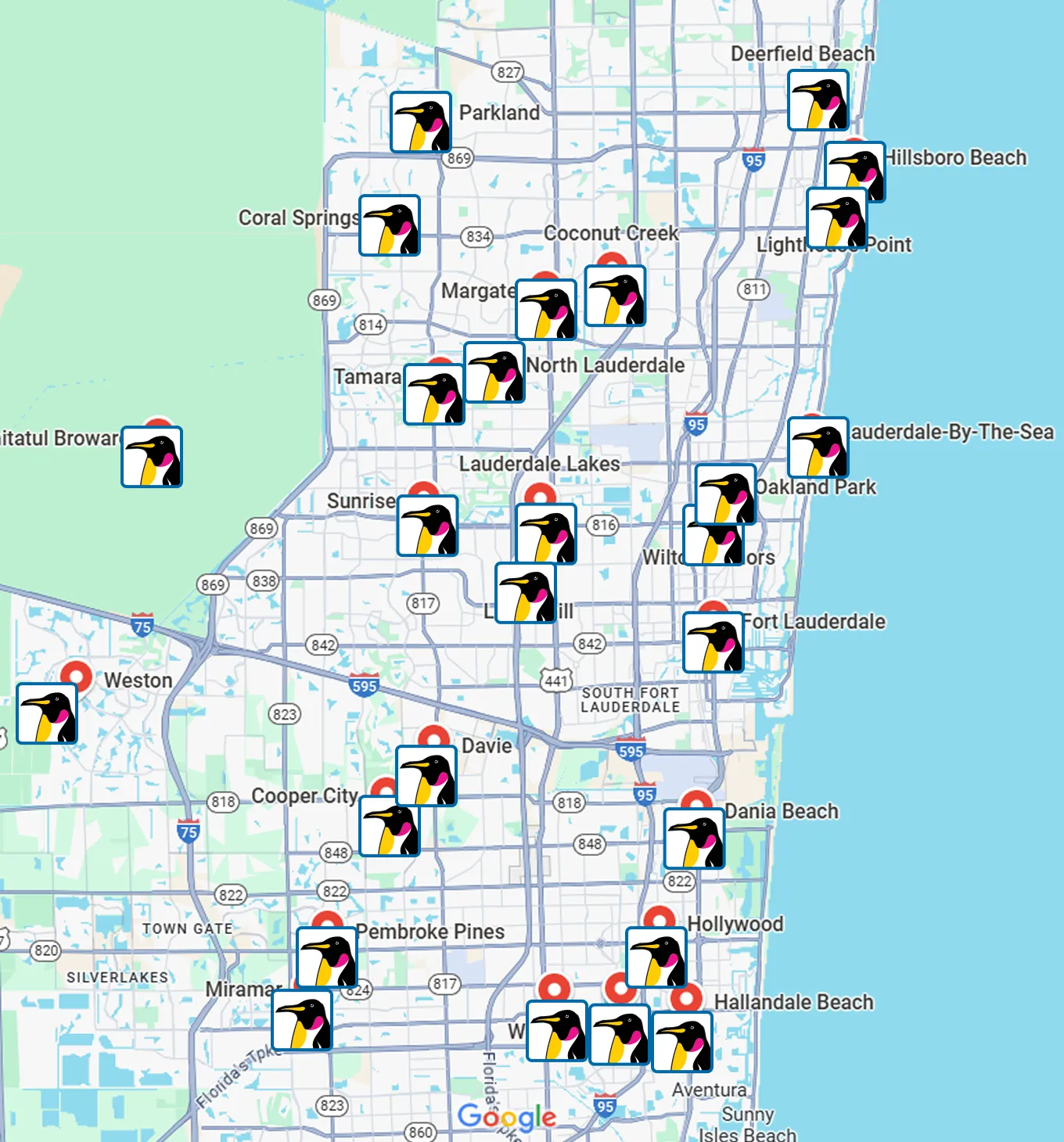
SERVICE AREAS