


Refrigeration Tune-Up in Fort Lauderdale, FL

Keeping commercial and residential refrigeration systems running reliably in Fort Lauderdale requires more than reactive repairs. Regular refrigeration tune-ups performed by experienced technicians prevent product loss, reduce energy waste, extend equipment life, and keep your operation compliant with temperature-critical requirements. Koolflow Air brings targeted tune-up services designed for the unique coastal, high-humidity conditions of Fort Lauderdale, FL — from restaurants and supermarkets to medical facilities and condominium common areas.
.jpeg)
Why a Refrigeration Tune-Up Matters in Fort LauderdaleFort Lauderdale’s coastal climate creates specific stresses on refrigeration equipment: elevated ambient temperatures, high humidity, frequent rain, and salt-laden air accelerate coil fouling and corrosion. These local factors make routine tune-ups essential, not optional. A professional tune-up identifies early signs of refrigerant loss, electrical wear, airflow restrictions, and thermostat drift before they escalate into compressor failures or product spoilage. For businesses that depend on consistent temperature control, a documented tune-up is also a key part of food safety and risk management practices.
Common Refrigeration Problems in Fort Lauderdale Homes and Businesses
- Corroded condenser fins and electrical components from salt air exposure.
- Reduced heat transfer due to humid conditions causing dirty or wet coils.
- Refrigerant leaks that develop faster in older systems under heavy summer loads.
- Inaccurate thermostat readings and control drift from frequent cycling.
- Clogged drain lines and pans leading to overflow and bacterial growth.
- Increased compressor run times and higher utility bills during extended heat waves.
- Intermittent faults and nuisance tripping caused by degraded belts, contacts, or capacitors.
What a Refrigeration Tune-Up Covers (Detailed Checklist)A comprehensive tune-up from Koolflow Air follows a methodical checklist designed to restore peak performance and document system condition. Each item below is examined, tested, cleaned, and adjusted as necessary.
- Visual inspection and system walk-through
- Assess overall unit condition, mounting integrity, access panels, and safety devices.
- Check for signs of oil stains, corrosion, or physical damage that indicate leaks or past failures.
- Filter and belt checks
- Inspect and replace or clean filters to restore proper airflow and reduce compressor strain.
- Check fan and drive belts for wear, cracking, tension, and alignment; adjust or replace as needed.
- Coil cleaning (evaporator and condenser)
- Remove debris, grease, and salt deposits that reduce heat transfer efficiency.
- When accessible, perform gentle coil brushing and environmentally appropriate coil cleaning solutions to protect fins and refrigerant tubing.
- Thermostat calibration and control verification
- Calibrate thermostats and digital controllers to confirm actual cabinet or space temperatures match setpoints.
- Verify defrost controls and timers function correctly on walk-ins and freezer systems.
- Refrigerant leak detection and system integrity
- Perform electronic leak detection, visual inspection, and pressure testing when indicated.
- Evaluate refrigerant charge and measure operating pressures; document findings and recommend repair actions when leaks are detected.
- Technicians work in accordance with refrigerant handling best practices and EPA guidelines.
- Performance testing and electrical checks
- Measure amperage draw on compressors, fans, and motors to detect electrical stress or failing components.
- Test voltages, contactors, capacitors, and safety switches.
- Record operating pressures, temperatures, superheat and subcooling values to confirm efficient performance.
- Drain line and condensate management
- Clear condensate traps, clean drain lines, and inspect pans for proper slope and overflow protection.
- Check for microbial growth and recommend sanitizing where necessary to prevent odors and blockages.
- Defrost and evaporator function
- Inspect evaporator fan operation, blade integrity, and defrost heaters or timers.
- Confirm uniform airflow and surface temperature distribution inside cabinets to protect product quality.
- Documentation and recommended actions
- Provide a detailed tune-up report that lists findings, measured values, and prioritized recommendations for repairs or replacements.
Diagnostic Process and Tools You Can ExpectKoolflow Air technicians use industry-standard diagnostic tools and a layered investigative approach to reach accurate conclusions quickly:
- Digital manifold gauges to measure system pressures and calculate superheat/subcooling.
- Clamp-on ammeters and multimeters for precise electrical diagnosis.
- Electronic leak detectors and UV dye when visual confirmation is required.
- Refrigerant scales and recovery equipment to safely handle refrigerant during repair or top-off.
- Coil cleaning tools and appropriate cleaning agents safe for coating and fin materials.
- Infrared thermometers and data logging for temperature profiling during performance testing.
This instrumentation allows technicians to translate symptoms (warm temperatures, longer run times, or iced evaporators) into specific corrective actions with documented evidence.
Repairs and Solutions Commonly Performed After a Tune-UpA tune-up often reveals items that can be corrected on the spot or scheduled for repair. Typical solutions include:
- Refrigerant leak repair and recharge: locate and repair the leak, recover escaping refrigerant, and recharge to manufacturer specifications.
- Coil repairs and fin replacement: straighten fins, patch minor leaks, or recommend coil replacement when corrosion is advanced.
- Electrical component replacement: contactors, capacitors, relays, and control boards that are out of tolerance are replaced to restore reliable starts and operation.
- Compressor service and replacement: where compressor health is marginal, recommend staged replacement options to minimize downtime and cost.
- Fan motor and bearing replacement: noisy or underperforming fans are replaced to ensure proper airflow.
- Drain line restoration and pan replacement: prevent future overflow and microbial contamination.
- Thermostat and controller upgrades: replace inaccurate or end-of-life controls to ensure precise temperature management.
Documented Tune-Up Reports and RecordkeepingOne of the most valuable outcomes of a professional tune-up is the written record. Koolflow Air provides a comprehensive tune-up report that typically includes:
- System identification and model/serial information.
- Baseline measurements: ambient temperature, suction and discharge pressures, superheat, subcooling, and amperage readings.
- Pass/fail status for major components and safety devices.
- Photographic documentation when visible corrosion or leaks are found.
- Recommendations ranked by urgency and estimated lifespan impacts.
- Service history notes for trend tracking over multiple visits.
These reports support internal maintenance schedules, audits, food safety compliance, and insurance documentation. For businesses managing multiple units or locations, trend data lets managers plan capital expenditures and avoid unexpected outages.
Recurring Tune-Up Schedules: Matching Frequency to Risk and UseDifferent systems and operations require different maintenance cadences. Recommended schedules typically follow risk and duty cycles:
- High-risk, temperature-critical operations (restaurants, grocery stores, medical/cold chain): monthly to quarterly tune-ups. These environments cannot tolerate temperature excursions or prolonged downtime.
- Moderate-duty commercial systems (office building break rooms, light retail): biannual tune-ups—pre-summer and pre-winter checkups to prepare for peak load seasons.
- Residential systems and low-risk walk-ins: annual tune-ups, with an additional check before Florida’s hottest months.
- Specialty assets (marine refrigeration, aging rooftop units, or 24/7 cold storage): customized plans with sensor-based monitoring and more frequent visits.
Koolflow Air’s recurring options are designed to reduce emergency service, optimize lifecycle cost, and provide predictable maintenance budgets while delivering documented proof of service.
Seasonal Preparation and Fort Lauderdale-Specific ConsiderationsFort Lauderdale’s climate dictates seasonal priorities for refrigeration systems. Tune-ups tailored to local conditions include:
Pre-summer preparation (late spring)
- Clean external condensers of salt spray, sand, and plant debris accumulated in the off-season.
- Confirm condenser fan performance and airflow since high ambient temperatures push systems close to design limits.
- Verify correct refrigerant charge; undercharged systems struggle during heat waves and draw excessive current.
Hurricane and storm readiness (late summer, early fall)
- Inspect mounting and anchoring for rooftop condensers to reduce risk during high winds.
- Check drain lines and overflow routes to prevent damage from heavy rain.
- Ensure battery-powered or redundant temperature alarms are functioning to protect against power outages.
Post-storm recovery
- Assess for water intrusion, microbial contamination in drain pans, and saltwater damage to electrical components.
- Re-evaluate system refrigerant charge if the unit ran hard during extended high-heat events.
Humidity management year-round
- High humidity increases defrost frequency and condensate volume; tune-ups prioritize proper drain performance and evaporator efficiency to avoid icing and frost issues.
Benefits of Regular Refrigeration Tune-Ups: Reliability, Energy Savings, and Compliance
- Reduced risk of spoilage and lost inventory: well-tuned systems maintain stable temperatures and avoid costly shutdowns.
- Lower energy consumption: cleaning coils, correcting refrigerant charge, and ensuring efficient motor operation can reduce run times and energy draw, translating into measurable utility savings.
- Extended equipment life: taking pressure off compressors and motors through timely maintenance delays major capital replacements.
- Improved uptime and fewer emergency calls: proactive care identifies small issues before they become failures.
- Compliance and food safety alignment: documented verification of temperatures and control calibration helps meet food safety and health inspection requirements.
- Predictable maintenance budgeting: recurring tune-ups convert unpredictable emergency costs into planned maintenance investment with ROI over the equipment lifecycle.
Signs Your System Needs a Tune-Up NowIf you notice any of these symptoms, a tune-up should be scheduled promptly:
- Temperatures fluctuating or higher than normal in cabinets or walk-ins.
- Longer compressor run cycles and elevated utility bills.
- Frost or ice build-up on evaporator coils.
- Loud or unusual noises from compressors or motors.
- Visible refrigerant oil stains or hissing sounds indicating a leak.
- Frequent tripping of breakers or blown fuses.
- Unpleasant odors or standing water under equipment.
Owner Maintenance Tips Between Professional Tune-Ups
- Keep condenser screens and surrounding areas free of leaves, trash, and standing water to maintain airflow.
- Check and replace accessible filters monthly in high-use environments.
- Schedule a quick visual inspection after major storms to look for physical damage.
- Monitor cabinet temperatures daily and log readings to detect trends early.
- Train staff to report unusual sounds, odors, or condensation immediately rather than waiting for scheduled maintenance.
Why Documentation and Trend Data Matter for Decision-MakersFor facility managers, restaurant owners, and property managers in Fort Lauderdale, maintenance records are more than paperwork. They are the foundation for:
- Budgeting and forecasting equipment replacement based on actual wear trends.
- Demonstrating due diligence for insurance and liability purposes after an outage.
- Justifying investments in retrofits or efficiency upgrades with measured baseline and post-service data.
- Supporting HACCP and other food safety protocols with documented control verification.
Koolflow Air and Local ExpertiseKoolflow Air understands how Fort Lauderdale’s environment affects refrigeration performance. Technicians are experienced in servicing systems exposed to marine conditions and high humidity. Field knowledge includes best-practice cleaning methods for salt-contaminated coils, corrosion mitigation strategies for exposed electrical enclosures, and tailored preventive schedules that align with local business cycles such as tourism peaks and hurricane season.
Choosing the Right Tune-Up Frequency for Your Operation
- Restaurants and quick-service kitchens: monthly inspections and quarterly full tune-ups to protect perishable inventory and ensure health-code compliance.
- Supermarkets and cold storage warehouses: monthly or biweekly monitoring with professional tune-ups every 1 to 3 months depending on load and system age.
- Small retailers and office break rooms: semiannual tune-ups with an emphasis on pre-summer checks for condenser performance.
- Residential walk-in freezers and garage units: annual tune-ups supplemented by user checks before the hottest months.
Expectations During a Professional Tune-Up VisitDuring a tune-up visit, technicians will:
- Present themselves professionally and identify the equipment to be serviced.
- Perform diagnostic checks and baseline measurements.
- Execute cleaning, adjustments, and minor repairs as part of the scheduled service.
- Document all findings, measurements, and parts replaced in a readable report.
- Provide a prioritized recommendation list for any additional repairs to maintain or restore full efficiency and reliability.
Frequently Asked Questions (FAQ)Q: How often should commercial refrigeration be tuned in Fort Lauderdale?
A: Frequency depends on risk and duty cycle. High-risk businesses like restaurants and supermarkets typically need monthly to quarterly tune-ups, while low-use systems may be fine with biannual or annual service. Local humidity and salt air can increase required frequency.
Q: Will a tune-up fix a refrigerant leak?
A: A tune-up includes leak detection and verification. Small leaks may be repaired immediately if accessible; larger or hidden leaks often require scheduled repair work and a follow-up recharge to return the system to proper operating charge.
Q: What is included in the tune-up report?
A: Reports usually contain unit identification, baseline pressures and temperatures, electrical measurements, a pass/fail status for critical components, photos of issues, and prioritized repair recommendations for future planning.
Q: Can tune-ups reduce energy bills?
A: Yes. Improved airflow, correct refrigerant charge, clean coils, and properly functioning electrical components reduce run time and compressor stress, which lowers energy consumption.
Q: Are Koolflow Air technicians certified to handle refrigerant?
A: Technicians are trained to work with refrigerants and follow proper recovery and charging procedures. They use calibrated tools and follow industry best practices for safe refrigerant handling.
Q: What should I do after a major storm?
A: Inspect units for physical damage, check for water intrusion or saltwater exposure, confirm drains are clear, and schedule a professional inspection to verify system integrity and address corrosion or electrical issues.
Q: Do tune-ups help with food safety compliance?
A: Yes. Proper calibration of thermostats, documented temperature readings, and verified alarm functionality support food safety programs and inspection readiness.
Q: Can a tune-up prevent compressor failure?
A: Regular tune-ups reduce the risk by identifying stressors like low refrigerant charge, blurred coils, electrical imbalance, and faulty start components that cause compressor overheating and premature failure.
Q: How long does a typical tune-up take?
A: Tune-up duration varies by unit complexity and condition. A standard commercial unit typically takes one to two hours for a full evaluation, cleaning, and documentation; multi-unit facilities will scale accordingly.
Q: What immediate signs mean I should not wait for a scheduled tune-up?
A: Significant temperature rise, visible oil leaks, loud grinding noises from the compressor, tripped breakers that do not reset, or standing water under the unit are all urgent issues that require immediate attention.
Final Notes on Long-Term ValueA refrigeration tune-up is an investment in predictable performance. For Fort Lauderdale businesses and homeowners, the combination of high ambient heat, humidity, and coastal exposure makes preventive service critical to avoiding costly interruptions and maintaining efficient operation. Routine tune-ups, accurate documentation, and a maintenance plan tailored to local conditions protect inventory, reduce energy expense, and extend equipment life — all outcomes that align with prudent operations and financial stewardship. Koolflow Air’s approach focuses on measurable results, clear reporting, and maintenance frequency matched to each client’s risk profile and operational needs.


Hear what our satisfied
clients have to say

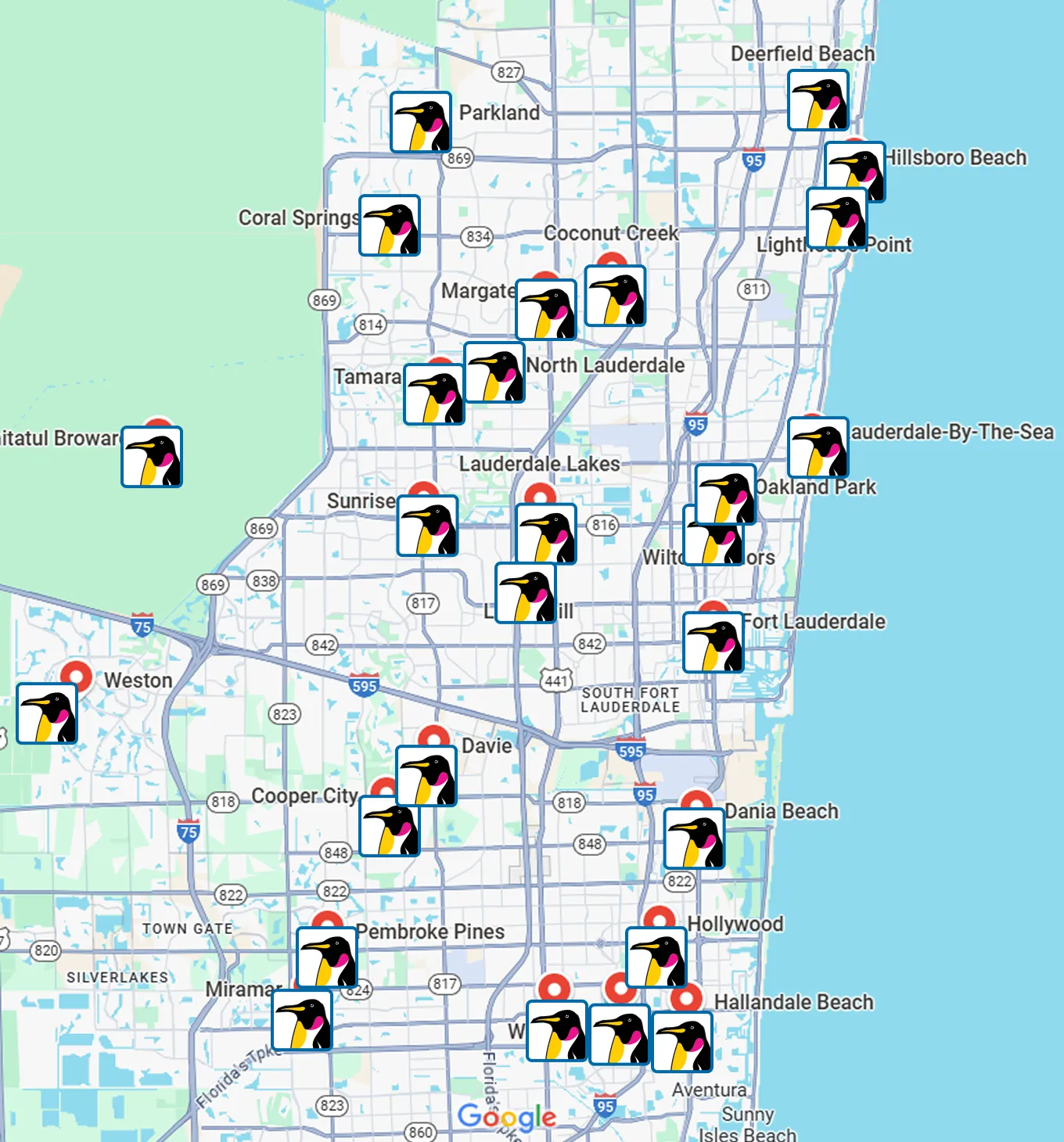
SERVICE AREAS