


Refrigeration Tune-Up in North Lauderdale, FL

Keeping refrigeration systems running reliably is critical for businesses and properties in North Lauderdale, FL. Whether you manage a restaurant, grocery, convenience store, medical facility, or a multiunit residential building with centralized cooling, a professional refrigeration tune-up reduces energy use, prevents costly breakdowns, and protects product safety. Koolflow Air provides a checklist-driven Refrigeration Tune-Up in North Lauderdale, FL that optimizes performance through detailed inspection, cleaning, adjustments, and a clear service report with prioritized recommendations.
.jpeg)
Why a Refrigeration Tune-Up Matters in North Lauderdale
North Lauderdale experiences hot, humid weather much of the year, with high cooling loads, frequent temperature swings, and coastal influences that accelerate corrosion. Those local conditions create extra stress on refrigeration equipment:
- High outdoor temperatures increase compressor runtime and raise condenser-side pressures.
- Humidity promotes frosting on evaporators and increases load on defrost cycles.
- Salt air and coastal moisture accelerate corrosion on coils, fasteners, and electrical connections.
- Busy foodservice operations or retail stores have constant door openings and high foot traffic, increasing internal load and wear.
A tune-up performed by experienced technicians addresses these local stresses, helping systems run cooler, use less power, avoid food loss from temperature excursions, and meet health code expectations. Koolflow Air brings regional experience to every visit so the checklist focuses on issues common to North Lauderdale properties.
Who benefits from a Refrigeration Tune-Up
- Restaurant and bar owners concerned about food safety and reducing emergency breakdowns
- Grocery and convenience store managers monitoring thousands of dollars of refrigerated inventory
- Property and facility managers of apartments, hotels, or office buildings with communal refrigeration
- Medical clinics and labs where stable temperatures are essential
- Retailers with display cases, reach-ins, or walk-in coolers and freezers
Common Refrigeration Problems We Address in North Lauderdale
- Dirty condenser and evaporator coils causing poor heat transfer and higher energy use
- Low or incorrect refrigerant charge leading to high head pressures, reduced cooling, and compressor stress
- Faulty thermostats, sensors, or calibration errors that produce temperature swings and product risk
- Clogged condensate drains and pans that cause water damage and promote mold
- Worn door gaskets and hinges letting warm air in and raising internal temperatures
- Electrical issues such as loose connections, failing capacitors, or rising motor amperage
- Corrosion and accelerated wear on external components due to coastal salt and humidity
- Inadequate defrost control or failed heaters causing ice buildup and reduced airflow
Each of these problems reduces efficiency, shortens equipment life, and increases the chance of emergency service calls. A comprehensive tune-up prevents many of these issues before they become critical.
Our Checklist-Driven Refrigeration Tune-Up Process
Koolflow Air follows a documented checklist during every Refrigeration Tune-Up in North Lauderdale, FL. The approach is systematic and data-driven so you have a clear view of system condition and recommended next steps. Typical elements of the visit include:
Arrival and safety procedures
- Lockout and tag-out where appropriate, visually confirming that the unit is safe to work on.
- Inspect the area for hazards and confirm that staff understand any temporary operational changes needed during service.
Visual inspection
- Examine the unit housing, pan, lines, compressors, and controls for obvious signs of wear, corrosion, oil leaks, or damage.
- Check door hinges, latches, and gaskets for tight seals.
Coil cleaning
- Clean condenser and evaporator coils using approved coil cleaner and soft brushes or low-pressure rinsing to remove dirt, grease, and salt build-up.
- Straighten bent fins to restore airflow and heat transfer.
Refrigerant checks
- Measure operating pressures and temperatures to determine refrigerant charge using superheat and subcooling methods.
- Inspect for signs of leaks and document measured values against manufacturer specifications.
Electrical inspection and testing
- Tighten electrical connections, test contactors, relays, and capacitors, and measure motor amp draw.
- Confirm wiring is secure and components show no signs of heat damage or corrosion.
Controls and safety tests
- Test thermostats, temperature sensors, pressure switches, defrost controls, and high/low pressure safety cutouts for proper operation.
- Verify proper sequencing of compressors and condensers where multiple stages are present.
Airflow and fan tests
- Inspect and lubricate fan motors and bearings where applicable.
- Check fan blade balance and clearances to ensure smooth operation.
Drain and pan maintenance
- Clear condensate drains and check drain pans for proper slope and absence of blockage or biofilm.
- Treat drains when needed to prevent future clogs and odors.
Temperature verification
- Measure and log temperatures in multiple locations inside coolers and freezers using calibrated thermometers and, when required, portable dataloggers to verify temperature accuracy and uniformity.
Performance testing
- Run the system under normal load conditions and record runtime, pressures, temperatures, and electrical readings for comparison to baseline and manufacturer expectations.
Service report and recommendations
- Provide a written service report that lists observations, measured values, prioritized repairs or adjustments, and recommended scheduling for future maintenance.
- Discuss energy-saving adjustments or upgrade opportunities where relevant.
This methodical checklist ensures no important item is missed and leaves facility managers with actionable data.
What Each Tune-Up Task Does and Why It Matters
- Coil cleaning: Dirty coils reduce heat rejection, causing higher condensing pressures and longer run times. Cleaning can immediately reduce energy use and prevent compressor overheating.
- Refrigerant charge check: Both overcharge and undercharge reduce efficiency and can damage compressors. Measuring superheat and subcooling ensures the correct charge for optimal operation.
- Electrical tightening and testing: Loose connections increase resistance, generate heat, and can lead to sudden failures. Identifying failing capacitors or contactors before they fail prevents downtime.
- Controls testing: Faulty thermostats or defrost controls often cause food-safety risks. Verifying sensors and safety cutouts protects inventory and equipment.
- Lubrication and moving parts: Motors and fans are subject to wear. Proper lubrication reduces friction, lowers energy use, and extends component life.
- Drain maintenance: Blocked drains can lead to overflow, water damage, and microbial growth. Clearing and treating drains prevents health hazards and odors.
- Temperature verification: Calibrated measurements confirm that setpoints match actual environmental conditions, protecting products and ensuring compliance with local food safety standards.
Typical Tune-Up Findings and Recommended Remedies
- Finding: Condenser coil heavily caked with grease.
- Remedy: Full coil cleaning and schedule monthly or quarterly coil maintenance for foodservice environments.
- Finding: Low refrigerant charge (indicating a potential leak).
- Remedy: Isolate and repair the leak, recover and reclaim refrigerant per regulations, and recharge to manufacturer specification. Recommend leak detection monitoring.
- Finding: Failing start capacitor with slow compressor start.
- Remedy: Replace capacitor and retest. Recommend spare capacitors on-site for critical systems.
- Finding: Uneven temperatures in walk-in cooler.
- Remedy: Adjust airflow by cleaning evaporator, balancing fans, and verifying door-sealing; recalibrate thermostat and place sensors in representative zones.
- Finding: Corrosion on electrical terminal blocks due to coastal air.
- Remedy: Replace corroded terminals, apply corrosion-resistant materials or coatings, and recommend more frequent inspections.
These remedies are prioritized in the service report so decision-makers can balance urgency, budget, and operations.
Service Report: What You Receive After a Tune-Up
After every Refrigeration Tune-Up in North Lauderdale, FL, Koolflow Air provides a clear service report that includes:
- System identification and condition summary
- Measured operating pressures, temperatures, superheat/subcooling, and amperages
- List of items serviced or adjusted during the visit
- Observed deficiencies and safety issues
- Prioritized repair and replacement recommendations with explanation of why each is needed
- Estimated impact of recommended repairs on energy efficiency and risk reduction
- Suggested maintenance frequency and follow-up schedule
This report becomes a tool for budgeting capital repairs, documenting compliance for health or safety inspections, and tracking equipment performance over time.
How Often Should You Schedule Tune-Ups?
Recommended frequency varies by equipment type and use intensity:
- High-use commercial refrigeration (restaurants, grocery, convenience stores): quarterly tune-ups are common, with monthly visual checks by on-site staff.
- Moderate-use systems (small offices, light retail): biannual tune-ups (spring and fall) are often sufficient.
- Critical medical or lab refrigeration: quarterly or monthly depending on risk tolerance and regulatory requirements.
- Residential or low-use systems: annual tune-ups can preserve efficiency and catch problems before they grow.
In North Lauderdale, the combination of high humidity, heat, and coastal conditions generally supports more frequent inspections than inland regions. Koolflow Air often recommends at least biannual service for most commercial systems and quarterly service for heavy-use operations.
Benefits of Regular Refrigeration Tune-Ups
- Reduced energy costs through improved heat transfer and correct refrigerant charge
- Fewer emergency repairs and unexpected downtime that can disrupt operations
- Extended equipment lifespan and deferred capital replacement
- Improved temperature stability that protects inventory and product safety
- Better documentation for health inspections, audits, and insurance requirements
- Reduced risk of refrigerant leaks and environmental noncompliance through early detection
- Lowered total cost of ownership by catching small issues before they become major failures
For businesses in North Lauderdale, these benefits translate directly to more reliable service during peak heat periods, fewer spoiled goods during busy seasons, and a more predictable maintenance budget.
What to Expect During a Tune-Up Visit
A typical visit by Koolflow Air technicians follows an efficient, professional progression to minimize disruption:
- Arrival and brief on-site coordination to confirm equipment and any special concerns
- System lockout and safety checks to protect staff and technicians
- Completion of the checklist tasks described earlier with minimal downtime for single-unit systems
- Temperature verification and performance run to validate corrections
- Delivery of a printed or digital service report with prioritized recommendations
For larger systems or multiple units, the technician will schedule tasks to limit downtime of critical assets and can provide temporary mitigation suggestions if repairs cannot be completed immediately.
How Koolflow Air Tailors Tune-Ups for North Lauderdale Clients
Koolflow Air integrates local knowledge into every tune-up. That includes:
- Emphasizing coil and condenser care to combat heat and salt build-up common in Broward County
- Prioritizing electrical corrosion checks and using corrosion-resistant parts when applicable
- Advising on defrost and humidity control adjustments to address Florida humidity patterns
- Recommending maintenance cadences aligned with local usage patterns (e.g., seasonal menu changes in restaurants)
- Providing documentation that aligns with local health department expectations for food operations
Our technicians are familiar with the brands and models most commonly used in South Florida and bring practical fixes that suit regional conditions.
Maintenance Tips Between Tune-Ups
- Train staff to visually inspect door gaskets daily and report gaps, tears, or cold spots immediately.
- Keep condenser area clear of debris, vegetation, and grease; schedule coil cleaning more frequently in greasy kitchen environments.
- Monitor temperature logs or alarms and act at the first sign of deviation to limit product loss.
- Encourage quick door-closing behavior and install strip curtains where appropriate to reduce air infiltration.
- Maintain a small inventory of critical spare parts such as capacitors, fan motors, and door gaskets for high-risk installations.
- Regularly flush drain lines and use enzymatic treatments to reduce biofilm build-up.
Simple, routine actions by staff can significantly reduce the frequency and cost of professional interventions.
Signs You Need a Tune-Up Now
- Rising electricity bills associated with refrigeration equipment
- Inconsistent temperatures or frequent temperature alarms
- Excessive frost or ice buildup on evaporator coils
- Unusual noises from compressors, fans, or motors
- Visible oil or refrigerant residue under compressors or along lines
- Frequent tripping of breakers related to refrigeration circuits
When these signs appear, timely tune-ups and targeted repairs reduce the chance of sudden failure and product loss.
Summary: Reliable Refrigeration Starts with Preventive Care
In North Lauderdale, FL, refrigeration equipment faces unique challenges from high heat, humidity, and coastal conditions. Regular, checklist-driven Refrigeration Tune-Ups by Koolflow Air protect inventory, lower operating costs, and reduce risk. Each service visit delivers measurable diagnostics, on-the-spot maintenance, and a detailed service report you can use for decision-making, budgeting, and compliance tracking. For facility managers and business owners who rely on consistent refrigeration performance, preventive tune-ups are an essential part of operations.
Q: How often should I schedule a refrigeration tune-up for a restaurant in North Lauderdale, FL?
A: For high-use foodservice operations in North Lauderdale, quarterly tune-ups are recommended, supplemented by monthly staff inspections of gaskets, drains, and temperatures. The climate and constant use make more frequent service cost-effective by preventing failures.
Q: What does a service report include after a refrigeration tune-up?
A: A typical service report details measured pressures and temperatures, electrical readings, items cleaned or adjusted, observed deficiencies, prioritized repair recommendations, and suggested maintenance frequency.
Q: Can a tune-up reduce my refrigeration energy costs?
A: Yes. Cleaning coils, correcting refrigerant charge, tightening electrical connections, and ensuring proper airflow all reduce compressor workload and energy consumption, often yielding noticeable savings after service.
Q: Will a tune-up require taking my cooler or freezer out of service?
A: Most tune-up tasks are performed with minimal disruption. Short periods of reduced performance may occur during cleaning or testing. For critical systems, the technician can sequence work to limit downtime and recommend temporary mitigation if repairs are needed.
Q: Do you test for refrigerant leaks during a tune-up?
A: Yes. Technicians measure operating conditions and use leak detection tools when low charge or signs of leakage are observed. If a leak is found, the report will identify the location and recommend repair and recharge per applicable regulations.
Q: Are tune-ups different for commercial and residential refrigeration?
A: The core principles are the same, but commercial systems often require more frequent service, additional checks for defrost cycles, and stricter documentation due to food safety regulations. Koolflow Air tailors each tune-up to the equipment and usage profile.
Q: How does North Lauderdale weather affect refrigeration maintenance needs?
A: High humidity and heat increase cooling demand and defrost cycles, while coastal salt accelerates corrosion. These factors typically require more frequent inspection and coil maintenance compared to inland locations.
Q: What should my staff do between professional tune-ups?
A: Staff should monitor temperature logs, check and seal door gaskets, keep condenser areas clear, inspect drains, and report unusual sounds or alarm activity immediately. These actions help maintain performance and reduce emergency service calls.


Hear what our satisfied
clients have to say

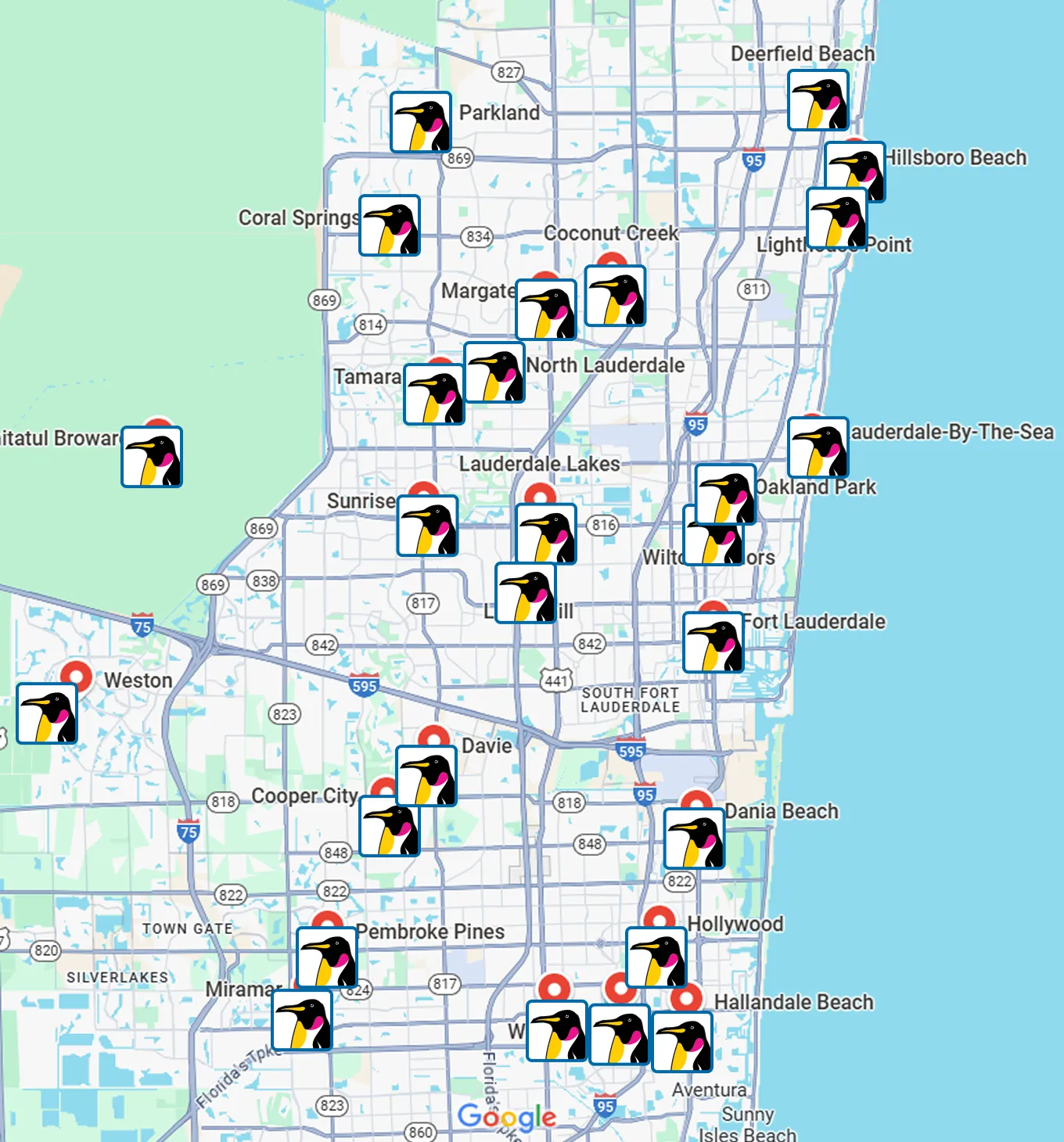
SERVICE AREAS