


Refrigeration Tune-Up in Sunrise, FL

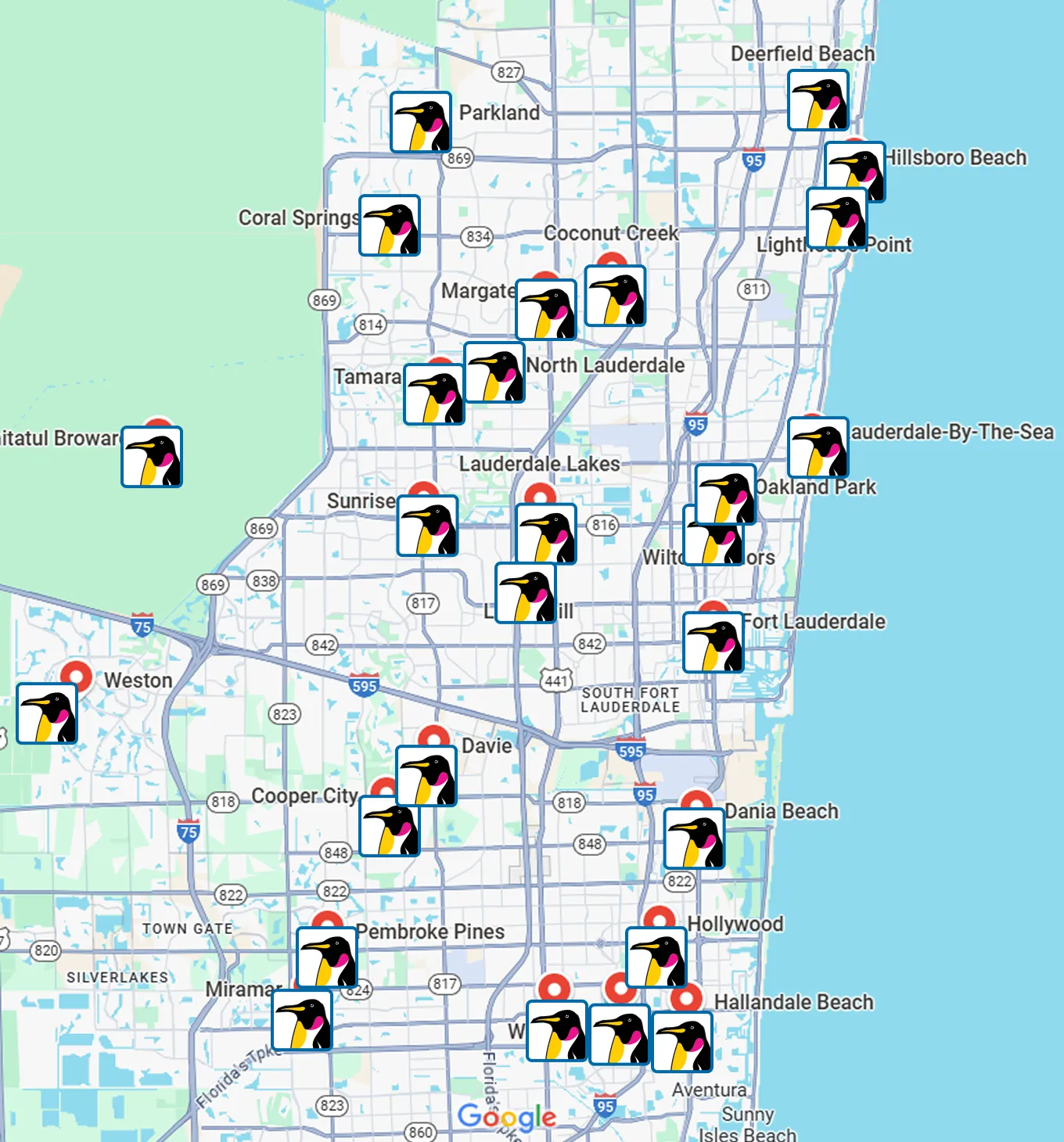
Keeping commercial and light industrial refrigeration systems running reliably in Sunrise, FL requires more than occasional repairs. With year-round heat, high humidity, and coastal conditions that accelerate corrosion, preventive refrigeration tune-ups are essential to protect product quality, control energy costs, and avoid emergency breakdowns. Koolflow Air provides thorough seasonal and preventive refrigeration tune-ups designed for the unique demands of Sunrise businesses — from restaurants and supermarkets to convenience stores and healthcare facilities.
.jpeg)
Why preventive refrigeration tune-ups matter in Sunrise, FL
Sunrise homes and businesses face environmental and operational challenges that increase refrigeration wear:
- High ambient temperatures increase compressor runtime and stress components.
- Humidity promotes icing on evaporator coils and bacterial growth in drain systems.
- Proximity to the coast can accelerate corrosion on condensers, mounting hardware, and electrical contacts.
- Restaurant and grocery operations require continuous, precise temperature control to meet food safety standards.
A refrigeration tune-up addresses these factors proactively. Rather than waiting for an emergency failure that risks product loss and expensive rush repairs, a professional tune-up identifies emerging problems, restores efficiency, and documents system condition for ongoing maintenance planning.
What a Koolflow Air refrigeration tune-up covers
Each tune-up follows a systematic inspection and service checklist. Our technicians follow a consistent, documented process so you can evaluate system condition and cost benefits over time. Typical tune-up tasks include:
- System walkthrough and operational review: verify system type, model, and historical issues; observe operating conditions during normal load.
- Electrical inspection and testing: check voltage, amperage, contactors, relays, fuses, and wiring for wear or overheating.
- Refrigerant system check: measure pressures, perform superheat and subcooling readings, inspect for visible leaks, and verify charge when indicated.
- Evaporator and condenser inspection: assess coil cleanliness, airflow, and corrosion; verify defrost system operation and timing.
- Fans, belts, and motors: inspect fan blade condition, motor bearings, belt tension and alignment, and fan operation at load.
- Door seals and cabinet integrity: inspect gaskets, hinges, and condensation control to maintain temperature tightness.
- Drain and condensate cleaning: clean condensate pans and lines to prevent backups, odors, and microbial growth.
- Control and thermostat validation: calibrate temperature controls and verify accurate thermostats and sensors.
- Safety devices and alarms: test high/low pressure cutouts, temperature alarms, and emergency shutoffs.
- Cleaning procedures: coil cleaning, cabinet interior cleaning, filter replacement, and drying as needed.
- Documentation: provide a written report with test data, recommended repairs, and suggested maintenance frequency.
Each of these tasks has specific checkpoints. Below are detailed, step-by-step inspection and cleaning items typically performed during a full refrigeration tune-up.
Step-by-step inspection checklist
H3 Electrical system
- Visually inspect electrical panels and junctions for corrosion, loose connections, or heat discoloration.
- Test line voltage and motor amp draw against nameplate ratings to detect inefficient motors or failing compressors.
- Inspect and test contactors and relays for pitting or sticking; replace worn contacts.
- Verify control wiring and sensor integrity; confirm all wiring is secured and strain-relieved.
H3 Refrigerant system and charge
- Record high-side and low-side pressures with the system at a stable operating point.
- Measure subcooling and superheat; compare to manufacturer specifications to confirm correct charge and expansion device operation.
- Inspect for oil traces or visible refrigerant leaks at joints, access ports, and fittings.
- If low charge indicators are present, perform a leak detection sweep and recommend repair before recharging.
H3 Evaporator coil and defrost systems
- Inspect evaporator coils for frost patterns, corrosion, or blocked fins.
- Test defrost cycle (electric, hot gas, or off-cycle) to ensure proper termination and timing.
- Verify drain pan condition and slope; clear clogs and sanitize pan to prevent odor or microbial growth.
H3 Condenser coil and airflow
- Clean condenser coil fins of dust, grease, and salt buildup using low-pressure coil cleaning methods to preserve fin integrity.
- Inspect condenser fan blades for damage and balance; test fan motor bearings and lubrication points.
- Confirm adequate condenser airflow clearance and verify condenser placement relative to exhausts and heat sources.
H3 Fans, belts, and drive systems
- Inspect belt tension and condition; adjust or replace belts showing glazing or cracking.
- Lubricate fan and motor bearings where serviceable.
- Check fan motors for unusual noise, vibration, or overheating.
H3 Door seals, insulation, and cabinet integrity
- Inspect gasket sealing surfaces for gaps, tears, or compression set; measure door closing and latch performance.
- Examine cabinet insulation near doors and penetrations to identify heat leaks.
- Look for cold air leakage and correct by reconditioning or replacing seals.
H3 Controls, thermostats, and safety devices
- Calibrate thermostats and temperature probes; verify that setpoints match recorded cabinet temperatures.
- Test alarms, high/low limit switches, and automatic shutoffs for proper operation.
- Confirm control logic and timers are appropriate for application (for example, night setback in convenience stores).
H3 Cleaning and sanitation procedures
- Remove loose debris and product from inside cabinets; clean interior surfaces with food-safe cleaners as required.
- Use coil cleaner and gentle brushing to remove grime from evaporator and condenser coils; rinse and dry thoroughly.
- Flush condensate lines with appropriate cleaner and verify free flow.
- Replace or clean filters and screen guards to restore optimal airflow.
Performance diagnostics and data technicians collect
A tune-up includes objective measurements that indicate system health and efficiency:
- Temperature differentials across evaporator (delta T).
- Superheat and subcooling values to assess charge and metering device performance.
- Compressor amp draw to detect motor stress or mechanical problems.
- Condenser and evaporator pressures and saturation temperatures.
- Airflow measurements and static pressure when applicable.
- Visual and photographic documentation for condition reporting.
These metrics let Koolflow Air quantify improvements after cleaning or repairs and provide data-driven recommendations for repairs and replacement planning.
Cleaning procedures in detail
Proper cleaning extends equipment life and restores heat transfer efficiency:
- Dry brush to remove loose debris from coils, then apply an appropriate coil cleaner that targets grease and salt deposits commonly found in Sunrise.
- Allow cleaner to dwell per product instructions, then gently rinse with low-pressure water to avoid fin damage.
- Straighten bent fins with a fin comb where necessary to restore airflow.
- Clean fan blades and motor housings, removing accumulated dust and grease that can cause imbalance.
- Sanitize evaporator pan and drain to prevent odors and microbial growth, especially important in humid Sunrise climates.
- Reinstall protective guards and confirm condensate flow.
Recommended frequency for tune-ups in Sunrise, FL
Frequency depends on equipment type and operational demands. Recommended intervals tailored to Sunrise conditions:
- High-use restaurant and commercial kitchens: quarterly tune-ups. Kitchens create grease and heat loads that accelerate coil fouling and stress components.
- Grocery stores and supermarkets: quarterly to bi-monthly for critical display cases and walk-ins; high inventory value warrants more frequent checks.
- Convenience stores and delis: biannual to quarterly depending on load, hours of operation, and ambient exposure.
- Light commercial and low-usage refrigeration: annual or biannual tune-ups for storage-only units or backup systems.
- After major weather events or power outages: immediate inspection recommended to detect damage and ensure safe operation.
Regular seasonal tune-ups before peak demand periods are especially important in Sunrise. Schedule preventive service prior to summer and before hurricane season to reduce failure risk when equipment will be under maximum stress.
How tune-ups reduce emergency breakdowns
Proactive tune-ups lower the risk of sudden failures in several ways:
- Early detection of small leaks or electrical issues prevents total loss of refrigerant or motor burnout.
- Cleaning coils and filters reduces compressor run time and heat stress, lowering the likelihood of compressor failure.
- Calibrated controls and functioning safety devices prevent systems from running outside safe limits.
- Replacing worn belts and bearings during scheduled service prevents catastrophic failures that occur when components seize.
- Addressing gasket and insulation issues maintains consistent operating conditions and reduces the chance of cycling-related wear.
For Sunrise businesses where product loss can be financially devastating and health code violations are an ever-present risk, the reliability benefits of scheduled tune-ups are especially valuable.
Energy and cost benefits
A well-maintained refrigeration system operates more efficiently:
- Restored coil cleanliness and correct refrigerant charge reduce compressor runtime, trimming energy consumption.
- Motors and fans running within proper amperage avoid inefficient operation that drives up utility bills.
- Preventive repairs are typically far less expensive than emergency compressor replacements or refrigerant recovery after large leaks.
- Reduced temperature fluctuations minimize product spoilage and inventory loss.
Typical efficiency gains after a complete tune-up vary by condition, but many units see 10 to 25 percent improvement in energy use when coils are cleaned, airflow is restored, and refrigerant charge is corrected. For Sunrise operations with high cooling loads, these savings compound quickly over time.
Common refrigeration problems in Sunrise and how tune-ups address them
- Corroded condenser components: Coastal salt and humid air accelerate corrosion. A tune-up includes corrosion inspection and protective measures to slow deterioration.
- Clogged condensate lines and microbial growth: High humidity increases condensation; tune-ups clear and sanitize drain systems.
- Low refrigerant due to small, undetected leaks: Routine pressure checks and leak detection during tune-ups catch these early.
- Frozen evaporator coils caused by airflow restriction: Clean coils and properly tensioned belts fix airflow and eliminate freeze-ups.
- Overstressed compressors from high ambient temperatures: Monitoring amp draw and pressures identifies components under stress before failure.
- Door gasket failure and heat infiltration: Replacing or reconditioning seals prevents continuous overwork and product temperature excursions.
What to expect during a professional tune-up from Koolflow Air
- A scheduled technician arrival with the appropriate tools and safety equipment.
- A systematic inspection following the checklist above, including operational testing.
- Real-time measurements and photographic documentation of key components.
- Immediate minor adjustments and cleaning performed on-site.
- A written service report detailing findings, measured values, recommended repairs, and suggested maintenance frequency.
- Discussion of system health and prioritization of repairs based on risk to product and business continuity.
Koolflow Air technicians bring industry experience and local knowledge of Sunrise environmental impacts, ensuring tune-ups address both mechanical needs and site-specific challenges.
Parts, repairs, and replacement considerations
During a tune-up, technicians may recommend replacing commonly worn items to avoid near-term failure:
- Contactors, relays, capacitors, and start kit components for motors and compressors.
- Fan motors and blade replacements where imbalance or bearing failure is detected.
- Door gaskets and hinges that compromise cabinet integrity.
- Condensate pumps or trap assemblies that are failing or undersized.
- Coil treatments or replacement in cases of advanced corrosion or fin damage.
When replacement is recommended, a clear rationale and urgency level should be provided so you can plan repairs without surprises.
Regulatory and safety considerations
Refrigeration service must conform to environmental and safety standards. Proper refrigerant handling, recovery, and disposal are part of responsible tune-up work. Electrical safety, proper lockout/tagout procedures, and adherence to manufacturer specifications protect both technicians and equipment.
Koolflow Air integrates these compliance practices into each tune-up, documenting actions taken and measurements recorded to support compliance audits and insurance requirements.
Maintenance agreements and seasonal planning
For Sunrise businesses, a planned maintenance agreement aligns service frequency with operational risk. Typical plans include scheduled tune-ups, priority scheduling after storms, and seasonal pre-checks before summer and hurricane season. Regular service intervals reduce cumulative wear, improve energy performance, and support predictable operating costs.
Koolflow Air can document each visit with a standardized report that helps you budget for replacements, demonstrate due diligence for food safety programs, and track cost savings over time.
Final benefits summary
A professional refrigeration tune-up in Sunrise, FL delivers:
- Increased equipment reliability and reduced emergency failures.
- Lower energy consumption and better temperature stability.
- Extended equipment life and delayed capital replacement costs.
- Improved food safety and compliance with storage temperature requirements.
- Reduced odor and microbial issues from clean condensate systems.
- Localized expertise that considers Sunrise climate, coastal corrosion risk, and business-specific needs.
A systematic approach to preventive maintenance protects product, prevents disruption, and optimizes total cost of ownership for refrigeration assets.
FAQs
Q: How long does a typical refrigeration tune-up take?
A: Most tune-ups take between 60 and 180 minutes depending on system size, number of units, and condition; larger stores or multiple walk-ins require proportionally more time.
Q: How often should my walk-in cooler be serviced in Sunrise, FL?
A: For a high-use walk-in cooler in Sunrise, quarterly tune-ups are recommended; lower-use storage coolers can be serviced biannually, but plan additional checks before peak summer months.
Q: Will a tune-up include refrigerant top-off if levels are low?
A: Technicians will diagnose low refrigerant causes; a refrigerant top-off may be done only after locating and repairing leaks since adding refrigerant without fixing leaks is a temporary measure and not best practice.
Q: What specific tests do technicians run to check system performance?
A: Common tests include measuring suction and discharge pressures, superheat and subcooling, compressor amp draw, temperature differentials, and airflow checks across coils and cabinets.
Q: Are coil cleaning methods safe for older equipment?
A: Yes, cleaners and techniques are chosen to match coil construction; low-pressure rinsing and appropriate chemical selection protect fin integrity while restoring heat transfer.
Q: Can tune-ups reduce my energy bills?
A: Yes. By improving heat transfer, restoring airflow, and ensuring correct refrigerant charge, tune-ups can reduce compressor runtime and often lower energy use by double-digit percentages depending on initial system condition.
Q: What should I look for after a tune-up to confirm it was effective?
A: Look for stabilized cabinet temperatures, reduced run times on compressors, quieter operation, no odors from condensate, and a clear service report noting measurements before and after service.
Q: Is there a difference between a seasonal tune-up and a standard preventive tune-up?
A: Seasonal tune-ups are timed before high-demand periods (summer and hurricane season in Sunrise) and may focus on immediate readiness; preventive tune-ups are routine checks that include comprehensive inspection and minor adjustments to prevent failure.
Q: Do tune-ups include sanitation of food-contact surfaces inside refrigeration units?
A: Tune-ups typically include cleaning interior surfaces and condensate pans; full sanitation of food-contact surfaces may be performed according to client requirements and food safety practices.
Q: What common issues do Sunrise businesses face that a tune-up can fix?
A: Common Sunrise-specific issues include salt-corrosion on condenser components, clogged condensate lines from humidity, frozen evaporator coils from airflow restriction, and increased compressor stress during high ambient temperatures; a tune-up addresses these proactively.


Hear what our satisfied
clients have to say

SERVICE AREAS