


AC Installation in Miramar, FL

Installing a new air conditioning system is one of the most significant investments you will make for comfort and energy efficiency in your Miramar, FL home. At Koolflow Air we focus on a careful, code-compliant installation process that starts with an accurate site assessment and load calculation and finishes with post-installation testing, warranty registration, and a recommended maintenance plan.
Why a professional AC installation matters in Miramar, FL
Miramar experiences long, hot, humid summers, frequent afternoon storms, and a hurricane season that affects system selection and installation practices. Improperly sized or poorly installed systems will run inefficiently, struggle to control indoor humidity, and can fail prematurely in coastal and humid conditions. A professional installation from Koolflow Air ensures:
- Correct unit sizing to match Miramar climate and home construction
- Compliance with Florida Building Code and local Broward County permit requirements
- Proper refrigerant charge, airflow balance, and duct sealing to control humidity
- Corrosion-resistant mounting and placement for coastal exposure
- Warranty validity through manufacturer-approved installation practices
Koolflow Air brings experienced technicians and licensed professionals who understand the specific challenges of Miramar homes and neighborhoods.
Common AC installation types for Miramar homes
- Split-system central air conditioners
- Most common choice for single-family homes and larger townhomes
- Indoor air handler or furnace with outdoor condensing unit
- Heat pumps
- Efficient for year-round comfort and may qualify for incentive programs
- Modern variable-speed heat pumps handle Miramar humidity well
- Ductless mini-split systems
- Ideal for retrofits, additions, or rooms without ductwork
- Provide zoned control and high efficiency
- Packaged rooftop or through-the-wall systems
- Used in multi-family buildings or where interior equipment space is limited
Selecting the right system type depends on your home layout, existing ductwork condition, energy goals, and budget. Koolflow Air evaluates each home to recommend the best fit.
Step 1 – Initial site assessment and load calculations
A professional installation begins with a thorough on-site assessment. We perform a detailed inspection of your home to gather the data needed for an accurate Manual J load calculation and to evaluate the distribution system.
What we inspect and measure:
- Square footage and room-by-room layout
- Orientation and window sizes; solar gains
- Insulation levels in walls and attic
- Existing ductwork condition, size, and leakage
- Ceiling heights, occupancy, and major heat-producing appliances
- Building envelope tightness and air infiltration
- Local shading, roofing color, and landscaping effects
Manual J load calculations produce a room-by-room cooling load. This ensures the system is sized to remove heat and control humidity without short-cycling. In Miramar’s hot, humid climate, correct load calculations are essential to prevent oversized equipment that cools quickly but leaves high humidity and uncomfortable air.
Step 2 – Unit sizing and model selection
After the load calculation, we match equipment to your home’s needs. Considerations for Miramar installations include:
- Efficient SEER and HSPF ratings appropriate for Florida energy standards
- Variable-speed or two-stage compressors to improve humidity control and comfort
- Corrosion-resistant coatings and high-efficiency coils to resist coastal salt air
- Sound ratings and compressor placement for neighborhood and HOA considerations
- Manufacturer warranty terms and local serviceability
We review model options and features without sales pressure, focusing on long-term reliability and cost-to-own. For many Miramar homes, a high-efficiency system with variable-speed technology reduces runtime swings and keeps indoor humidity within comfortable levels.
Step 3 – Permits and code compliance
AC installations in Miramar must meet Florida Building Code requirements and local Broward County regulations. Typical permit and compliance steps include:
- Pulling HVAC permits before work begins to ensure inspections and legal compliance
- Following Florida Building Code mechanical and energy provisions
- Installing electrical work to code, including proper disconnects and circuit protection
- Securing wind resistance and mounting requirements for outdoor equipment
- Completing required inspections by local building officials
A licensed contractor handles permit submissions, scheduling inspections, and ensuring installations meet all current codes so your warranty and system performance are protected.
Step 4 – Professional installation procedures
Proper installation is a sequence of tightly coordinated steps. Our technicians follow manufacturer installation guidelines and industry best practices.
Typical installation workflow:
Site preparation
- Verify placement for outdoor condensing unit with adequate clearance, level pad or slab, and airflow considerations
- Protect landscaping and neighboring property
Removal of old equipment
- Recover refrigerant per EPA regulations
- Disconnect and remove existing equipment safely
Ductwork evaluation and necessary upgrades
- Seal and insulate ducts, add return paths where needed, adjust sizing for airflow targets
- Replace or install properly sized supply registers and returns for balanced distribution
Refrigerant line and electrical routing
- Install appropriately sized copper lines with proper insulation
- Run electrical conduit, install disconnect and overcurrent protection to code
Condensate management
- Size and install primary and secondary drain lines with traps, cleanouts, and approved materials
- Consider condensate safety switches for equipment installed in finished spaces
Mounting and anchoring
- Secure outdoor unit on a concrete or composite pad above flood levels and to resist winds
- Use corrosion-resistant fasteners and vibration isolation
System start-up and charge
- Evacuate and test vacuum on refrigerant lines
- Charge refrigerant to manufacturer-specified levels for current ambient conditions
Airflow and performance adjustments
- Test and adjust static pressures, blower speeds, and airflow per manufacturer guidance
Commissioning and homeowner orientation
- Demonstrate thermostat operation, zoning functions, and maintenance access
- Provide paperwork for warranties and care instructions
Each of these steps is verified and documented to ensure system longevity and efficiency in Miramar’s climate.
Step 5 – Post-installation testing and verification
Post-install testing proves the installation was done correctly and the system performs as expected. Critical tests include:
- Refrigerant charge verification at anticipated operating conditions
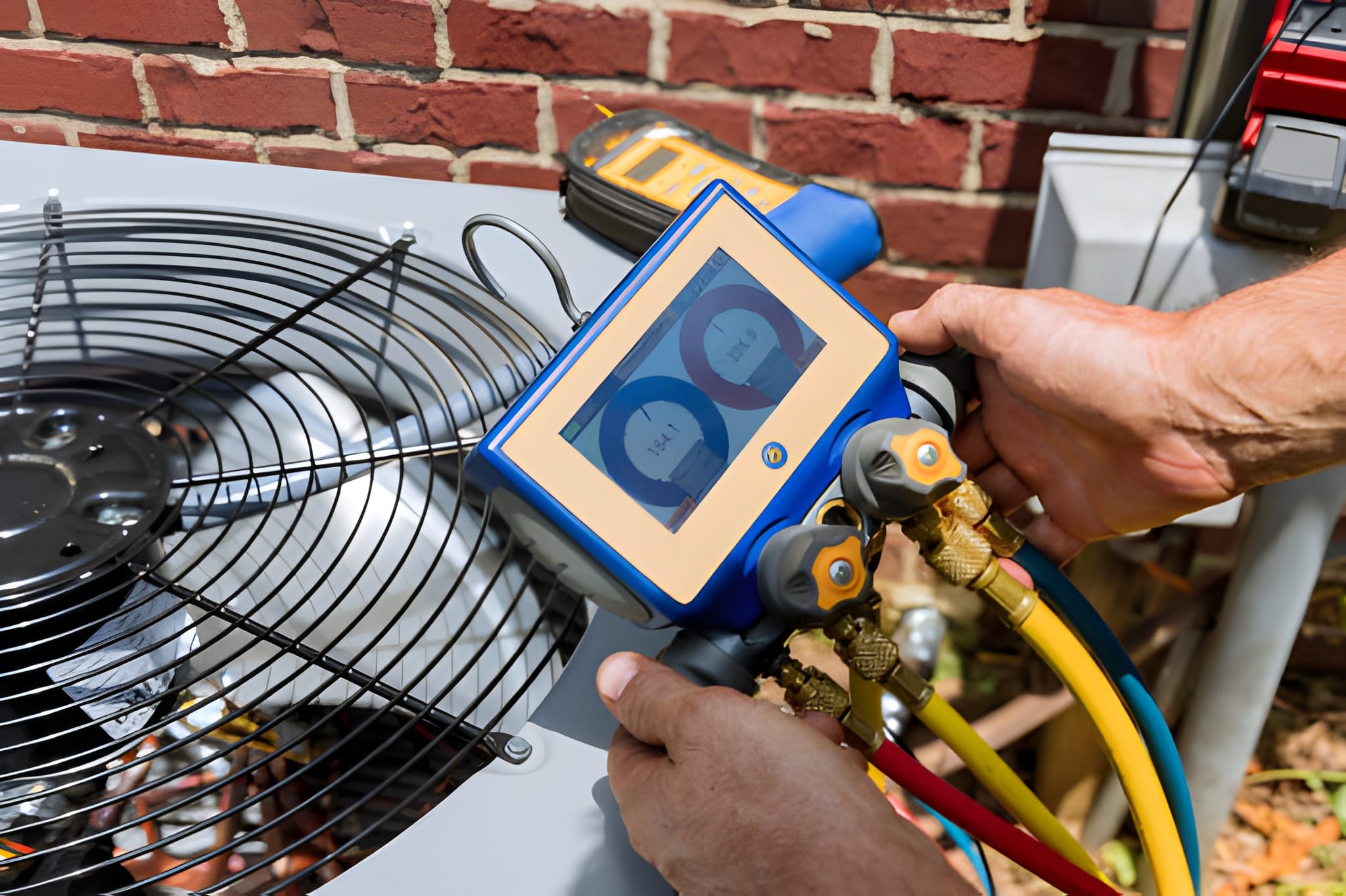
- Superheat and subcooling measurements for proper charge
- Temperature split checks across the evaporator coil
- Airflow measurements and static pressure checks in duct system
- Electrical load testing and safety device verification
- Thermostat calibration and system cycling tests
- Condensate flow verification and emergency safety switch functionality
We record test results and leave a report showing system performance values so homeowners understand how the new system operates and what to expect.
Warranty, registration, and maintenance plan recommendations
Manufacturer warranties are valuable but often contingent on proper installation and timely registration. We help Miramar homeowners:
- Understand parts and compressor warranty terms
- Complete warranty registration with manufacturers
- Keep documentation for labor or installation-related warranty coverage
- Recommend maintenance plans tailored to South Florida conditions
Recommended maintenance items for Miramar homes:
- Biannual tune-ups: spring and fall inspections to optimize cooling and prepare for seasonal needs
- Coil cleaning and refrigerant leak checks to prevent efficiency loss
- Duct inspections and sealing every 3 to 5 years, more often if leakage is detected
- Condensate drain cleaning and overflow protection checks
- Air filter updates every 1 to 3 months based on use and indoor air quality needs
Regular maintenance preserves efficiency, extends equipment life, helps control humidity, and maintains warranty compliance.
Financing options and incentives
AC installations are a significant expense, and Miramar homeowners have options to manage costs. Typical financing and incentive paths include:
- Contractor-arranged financing and payment plans
- Short-term and long-term loan options through third-party lenders
- Flexible monthly payment structures and deferred-payment offers available through certain programs
- Energy-efficient rebates and incentives
- Local utility programs and statewide incentives often reward high-efficiency equipment and qualifying heat pump installations
- Some manufacturers offer promotional financing or rebates for specific models
- Tax credits and energy upgrade incentives
- Federal and state programs may include credits or deductions for qualifying energy-efficient systems; program availability changes over time
When planning a new installation we review available financing options and potential incentives to help you evaluate total cost of ownership and payback through energy savings. We also provide a clear breakdown of installation steps and expected timeline so you can make an informed financial decision.
Common AC installation issues in Miramar and how we prevent them
- Oversized systems
- Problem: Short cycling, poor humidity control, higher operating costs
- Prevention: Accurate Manual J load calculations and right-sized equipment selection
- Undersized or improperly ducted systems
- Problem: Inadequate cooling, uneven temperatures, excessive wear
- Prevention: Duct testing, static pressure measurement, and correct equipment pairing
- Poor refrigerant charging
- Problem: Reduced performance, compressor stress, warranty voids
- Prevention: Charge by manufacturer specifications with proper ambient conditions and charging methods
- Corrosion and premature outdoor unit failure
- Problem: Salt air and humidity can corrode coils and fasteners
- Prevention: Corrosion-resistant materials, coated coils, elevated and ventilated mounting
- Inadequate permitting or noncompliant installations
- Problem: Failed inspections, potential liability, and warranty issues
- Prevention: Licensed installation with permit handling and adherence to Florida Building Code
Addressing these issues during planning and execution ensures a reliable system tailored for Miramar’s climate and home construction types.
Energy efficiency, indoor air quality, and comfort considerations
Miramar homeowners benefit from systems that manage both temperature and humidity. Key considerations:
- Variable-speed compressors and ECM blowers improve dehumidification and comfort by running longer at lower speeds
- Properly sized systems with balanced airflow prevent cold spots and reduce humidity load
- High-efficiency filters and optional UV or electronic air cleaners improve indoor air quality in areas with high pollen and humidity-related contaminants
- Zoned systems or programmable thermostats enhance comfort and energy savings by conditioning occupied areas more precisely
Selecting equipment with the right mix of efficiency, capacity, and controls ensures comfortable indoor environments year-round in Miramar.
What to expect on installation day
On a scheduled installation day, expect a professional, organized process:
- Arrival of a licensed, uniformed installation crew with properly labeled equipment
- A short walkthrough to confirm placement, access, and safety measures
- Containment of work area and protection of floors, landscaping, and finishes
- Regular updates during work and a final walk-through documenting test results and operating instructions
- Delivery of warranty paperwork, maintenance plan recommendations, and system documentation
Installations are performed with attention to minimizing disruption while meeting code and manufacturer requirements.
Long-term benefits of a proper AC installation in Miramar
- Lower energy bills through efficient operation and proper system sizing
- Better indoor humidity control for improved comfort and reduced mold risk
- Extended equipment life and fewer premature failures
- Validated warranties and easier future servicing through manufacturer-approved installation
- Increased home value and better resale appeal with documented professional installation
Koolflow Air approaches each AC installation with these long-term outcomes in mind, aligning equipment selection, installation quality, and maintenance planning to deliver reliable cooling for Miramar homes.
Frequently asked questions
Q: How do you determine the right size AC for my Miramar home?
A: We perform a room-by-room Manual J load calculation that factors in square footage, insulation, attic conditions, window orientation and shading, occupancy, and internal heat gains. This produces an accurate cooling load used to select properly sized equipment that controls temperature and humidity without short-cycling.
Q: Do Miramar installations require permits and inspections?
A: Yes. AC installations must comply with the Florida Building Code and local Broward County requirements. We handle permit submission, coordinate inspections, and ensure the installation meets all applicable codes.
Q: What efficiency rating should I look for in South Florida?
A: Look for higher SEER ratings and, where appropriate, variable-speed or two-stage compressors for better humidity control and efficiency. Specific recommendations depend on your home and budget, and we evaluate the best options for long-term savings and comfort.
Q: How do you protect outdoor units from Miramar weather and salt air?
A: We recommend elevated, level pads, mounting orientation for airflow and drainage, corrosion-resistant materials and fasteners, and location choices that limit direct salt exposure. For coastal properties, we select equipment with protective coatings and follow manufacturer guidance for longevity.


Hear what our satisfied
clients have to say

SERVICE AREAS