


Heating Installation in Coconut Creek, FL

Heating installation in Coconut Creek, FL requires a different approach than installations in colder climates. With mild winters, high humidity, coastal salt exposure, and specific Florida building codes, selecting and installing the right heating system is about comfort, efficiency, durability, and indoor air quality. Koolflow Air brings experienced, island-aware HVAC insight to every project, handling everything from site evaluation and load calculations to permitting and post-installation testing so your home gets the right system for long-term performance.
Why a purpose-built heating installation matters in Coconut Creek, FL
Many South Florida homeowners assume heating is a low-priority item because temperatures rarely drop below freezing. That misconception can lead to systems that are oversized, poorly balanced, or chosen without considering local concerns. Proper heating installation in Coconut Creek, FL focuses on:
- Right-sizing for mild winter loads so equipment cycles correctly and avoids short cycling.
- Prioritizing heat pumps and mini-split systems that provide both efficient heating and cooling.
- Managing humidity and indoor air quality during shoulder seasons when outdoor humidity remains high.
- Using corrosion-resistant components and proper outdoor unit placement to withstand coastal salt air.
- Meeting Florida Building Code and Broward County permitting and inspection requirements.
Koolflow Air integrates these regional factors into every installation, ensuring comfort, efficiency, and long-term reliability.
Common heating system types for Coconut Creek homes
Choosing the right equipment is the foundation of a successful installation. In Coconut Creek, typical options include:
- Heat pumps (split system): The most common choice for South Florida. Heat pumps provide both heating and cooling, deliver high efficiency in mild climates, and reduce the need for separate furnace equipment.
- Ductless mini-split heat pumps: Ideal for additions, retrofits, multi-zone needs, or homes without existing ductwork. They offer precise zoning and minimal invasive installation.
- Packaged units: For homes with rooftop or limited mechanical room space, packaged heat pump units combine heating and cooling in one cabinet.
- Electric resistance heaters: Occasionally used as auxiliary heat in split systems or in small rooms, but not recommended as primary heating due to cost.
- Gas furnaces: Rarely the best choice in Coconut Creek; furnaces are typically reserved for homes with existing natural gas infrastructure and specific heating needs.
Koolflow Air recommends heat pumps or ductless solutions for most Coconut Creek installations because they match local climate demands and offer year-round efficiency.
Site evaluation and load calculations: the foundation of a correct installation
A thorough site evaluation and accurate load calculation separate a long-lasting, comfortable system from one that underperforms. Koolflow Air follows industry best practices to size systems based on your home, not guesswork.
Key steps in the evaluation:
- Home inspection: Assess building envelope, insulation levels, window types and orientations, shading, air infiltration points, and attic ventilation.
- Occupancy and usage patterns: Consider number of occupants, typical thermostat settings, and occupancy schedules.
- Equipment inventory: Note existing ductwork condition, thermostat type, and any existing ventilation or air-cleaning devices.
- Manual J load calculation: A room-by-room heating and cooling load calculation is performed to determine sensible and latent loads. This ensures the selected unit matches actual needs rather than square footage alone.
- Manual D duct design (if needed): When replacing or installing new ductwork, Koolflow Air uses industry-standard duct design methods to size trunk and branch ducts for adequate airflow and balanced distribution.
Right-sizing reduces energy waste, improves comfort, extends equipment life, and minimizes repair frequency.
Equipment selection: furnaces, heat pumps, and performance criteria
Selecting equipment involves matching system type and capacity to the calculated load while considering long-term operating costs and durability. In Coconut Creek, the following performance criteria guide selection:
- Efficiency ratings: For heat pumps, look at HSPF (Heating Seasonal Performance Factor) and SEER (Seasonal Energy Efficiency Ratio). Higher HSPF and SEER values mean better efficiency and lower operating costs. Energy-efficient equipment pays off quickly in South Florida where cooling dominates annual energy use but efficient heating still matters.
- Capacity and staging: Choose properly sized capacity with single-stage, two-stage, or variable-speed compressors. Variable-speed systems provide superior dehumidification, more precise temperature control, and quieter operation.
- Corrosion protection: Outdoor units should include coatings or materials resistant to salt air corrosion common in coastal Broward County.
- Refrigerant type: Modern systems use long-life refrigerants with good performance characteristics. Koolflow Air ensures proper refrigerant selection and environmentally responsible handling.
- Controls and compatibility: Smart thermostats, zoning controls, and communication-ready equipment enhance long-term performance and allow for future upgrades.
Koolflow Air helps homeowners weigh these factors and recommends systems optimized for Coconut Creek homes, focusing on multi-season comfort and energy savings.
Ductwork and ventilation considerations for South Florida homes
Ductwork and ventilation play an outsized role in comfort and efficiency when heating is a secondary but necessary function. Key ductwork and ventilation considerations include:
- Duct condition and layout: Inspect for leaks, crushed or undersized runs, and poor insulation. Leaky ducts can waste up to 30 percent of conditioned air. Koolflow Air tests and repairs or replaces ductwork to meet designed airflow goals.
- Insulation values: In the attic, high duct insulation (R-6 or greater where required) is essential to prevent heat gain or loss, especially since attics can exceed outdoor temperatures in summer.
- Return air balance: Sufficient return paths prevent pressure imbalances that can draw in humid outdoor air or distribute contaminants.
- Supply register sizing and placement: Proper placement ensures even heat distribution and avoids cold spots.
- Ventilation and fresh air: Mechanical ventilation strategies and appropriate filtration improve indoor air quality without adding humidity. In many Coconut Creek homes, controlled fresh air with heat recovery ventilators is less common due to humidity, so balanced ventilation and dehumidification strategies are used.
- Condensate management: In cooling-dominant climates, correct condensate drainage and secondary safeguards prevent water damage during operation.
Ductless mini-split options bypass ductwork concerns and are often a strong choice for retrofits or zone control.
Permitting and code compliance in Coconut Creek and Broward County
Heating installation must comply with Florida Building Code and local Broward County regulations. Koolflow Air handles permitting and code compliance so installations pass inspections without surprises.
Typical permitting and compliance steps:
- Permit submission: Provide required system specifications, load calculations, and mechanical plans to local permitting authorities.
- Equipment compliance: Ensure equipment meets Florida energy efficiency requirements and manufacturer installation guidelines.
- Wind load and hurricane considerations: In some installations, mounting methods and outdoor unit anchoring must meet wind-resistance standards.
- Refrigerant handling and EPA requirements: Certified technicians manage refrigerant installation and documentation per federal and state rules.
- Inspections: Coordinate required inspections, provide documentation, and address any code correction items.
Adhering to local codes protects homeowners, preserves manufacturer warranties, and avoids costly rework.
Professional installation steps: what to expect
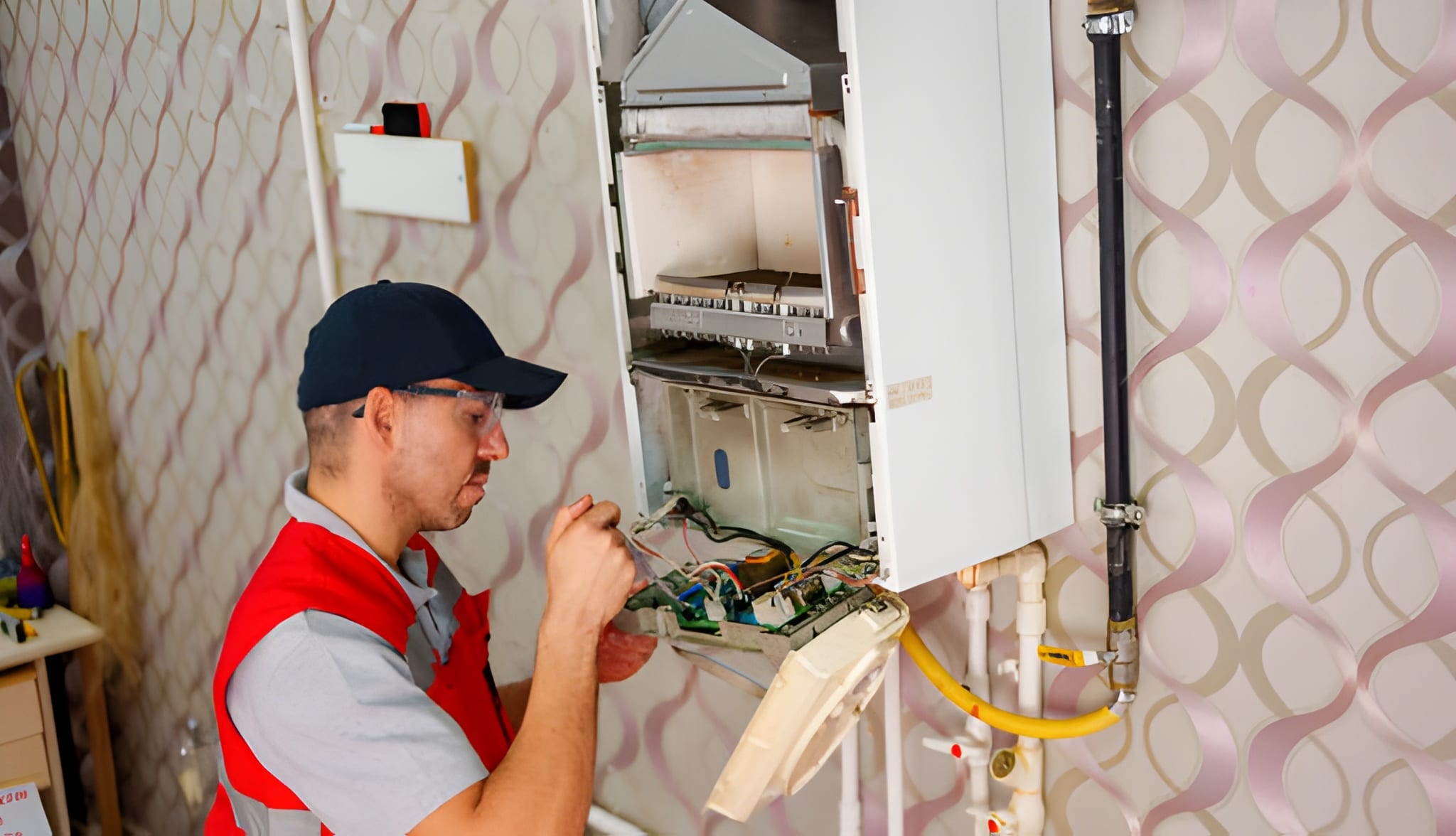
A professional heating installation follows a clear sequence of tasks to ensure safety, efficiency, and longevity. Koolflow Air adheres to structured installation procedures optimized for Coconut Creek homes:
Preparation and safety checks
- Verify load calculations, equipment specifications, and installation plan.
- Ensure job site access, clear work area, and confirm structural supports for outdoor units or rooftop installations.
Old system removal and site prep
- Safely recover refrigerant from old equipment when applicable.
- Disconnect and remove existing equipment and temporarily seal openings to prevent dust migration.
Mechanical installation
- Set the new outdoor unit on corrosion-resistant pads or brackets with proper clearance for airflow and maintenance.
- Install indoor air handler, furnace, or ductless heads according to manufacturer specifications.
- Run refrigerant lines, ensuring proper insulation and sloping for condensate flow.
- Complete duct connections, transitions, and sealing with mastic or UL-approved tape.
Electrical work
- Install dedicated circuits, disconnects, surge protection, and wiring sized per equipment requirements.
- Program and wire thermostats or control systems; test communication between components.
Condensate and drainage
- Install drains with slope and trap arrangements to prevent sewer gases, and add secondary drains and float switches where code requires.
Refrigerant charging and pressures
- Recover or evacuate as necessary, then charge the system to the manufacturer-specified refrigerant level using precise measurement techniques, not guesswork.
Commissioning and calibration
- Test airflow, static pressure, thermostat calibration, and safety controls.
- Verify heating mode operation, proper defrost cycles for heat pumps, and consistent temperature rise across coils.
Each step includes documentation and quality checks to confirm the system performs as designed.
Start-up and performance testing: validating results
A thorough start-up and performance testing phase confirms that your new heating system delivers comfort and efficiency. Koolflow Air performs a suite of tests and adjustments before finalizing an installation:
- Airflow measurement: Verify CFM at supply and return registers and confirm total airflow matches design.
- Static pressure readings: Measure system external static pressure to ensure the fan operates within specifications.
- Refrigerant charge verification: Use superheat and subcooling measurements when appropriate to confirm correct refrigerant charge.
- Electrical checks: Verify amperage draw, voltage, and secure electrical connections to prevent premature failures.
- Temperature rise and differential: Check temperature increase across the coil to validate heating performance.
- Defrost cycle validation: For heat pumps, ensure defrost cycles operate properly without causing indoor comfort issues.
- Noise and vibration: Confirm the outdoor unit and air handler are installed to minimize vibration and sound transmission.
- Indoor humidity performance: Assess how the system handles latent loads during shoulder seasons and adjust controls if necessary.
Comprehensive testing reduces callbacks and ensures the system meets both manufacturer and Koolflow Air performance standards.
Post-installation walkthroughs, documentation, and warranties
After the system passes performance tests, Koolflow Air delivers a clear, educational walkthrough and provides essential documentation to homeowners.
What the post-installation process includes:
- System walkthrough: Review the operation of thermostats, system modes, and control features. Explain recommended thermostat settings for seasonal comfort and efficiency.
- Maintenance education: Demonstrate filter access and replacement, condensate line care, and simple homeowner checks to avoid issues.
- Documentation package: Provide copies of equipment specifications, wiring diagrams, load calculation summaries, and inspection certificates required by local authorities.
- Warranty registration and explanation: Explain manufacturer warranties, labor warranties, and how warranty claims are handled. Provide recommendations for routine maintenance plans that protect warranties and extend equipment life.
- Performance baseline: Leave a record of initial operating parameters so future service technicians can compare performance over time.
Clear documentation and education empower homeowners to manage their systems and maintain peak performance.
Maintenance, efficiency tips, and seasonal considerations for Coconut Creek
Even with a correct installation, regular maintenance keeps systems efficient and reliable. In Coconut Creek, routine attention should emphasize humidity control and corrosion prevention.
Maintenance and efficiency tips:
- Replace or clean filters regularly to maintain airflow and indoor air quality.
- Schedule biannual tune-ups: spring for cooling season and fall for the brief heating season to catch issues early.
- Keep outdoor units clear of vegetation, debris, and salt accumulation. Rinse units carefully if exposed to heavy salt spray.
- Inspect condensate lines and traps annually and install overflow protection where required.
- Consider variable-speed equipment or zoning to improve dehumidification and reduce cycling in mixed-use or multi-zone homes.
- Use programmable or smart thermostats to reduce runtime during unoccupied periods while preventing excessive cycling.
- For homes with high indoor humidity, coordinate the heating system with dedicated dehumidification strategies rather than relying on heating to control moisture.
Routine care reduces energy bills, prevents premature failures, and keeps warranties valid.
Common issues and how a professional installation prevents them
Many heating system problems are traceable to improper design, incorrect sizing, or poor installation. Typical issues in Coconut Creek include:
- Short cycling: Caused by oversized equipment or incorrect thermostat placement. Leads to inadequate dehumidification and higher wear.
- Poor dehumidification: Result of undersized or single-speed equipment in high humidity regions. Variable-speed and proper airflow balance resolve this.
- Corrosion of outdoor unit: Salt air and coastal conditions accelerate corrosion when protective coatings are not used.
- Uneven heating: Incorrect duct design, poor zoning, or insufficient return air.
- Refrigerant leaks and undercharging: Improper installation or lack of pressure testing during commissioning.
A professional installation by Koolflow Air prevents these issues through accurate load calculations, proper equipment selection, correct refrigerant practices, and careful ductwork and airflow management.
Why professional installation matters for long-term value
Heating installation in Coconut Creek, FL is more than placing equipment and walking away. A professionally planned and executed installation safeguards comfort and cost-effectiveness. Benefits of a high-quality installation include:
- Longer equipment life and reliable performance.
- Lower long-term energy costs due to right-sizing and efficient equipment choices.
- Better indoor air quality and humidity control tuned for South Florida conditions.
- Reduced frequency of repairs and emergency service calls.
- Proper permits and code compliance for home resale value and safety.
- Clear documentation that protects warranties and provides a baseline for future service.
Koolflow Air combines regional expertise, meticulous processes, and manufacturer-aligned practices to deliver installations aligned with Coconut Creek homeowner expectations.
Final considerations before you commit to a new heating installation
Before finalizing an installation plan, consider the following practical items:
- Ask for a detailed scope of work that includes equipment model numbers, expected efficiencies, and a clear description of ductwork or structural changes.
- Request to see load calculation summaries and duct design documents that justify system sizing.
- Ensure warranty terms are documented, including what is covered by manufacturer and what is covered by the installing contractor.
- Confirm permitting and inspection responsibilities and ask for copies of final inspection approvals.
- Discuss ongoing maintenance options and seasonal tune-up schedules to preserve performance and warranty coverage.
Thorough preparation and clear expectations make the installation process predictable and successful.
Q: How long does a typical heating installation take in Coconut Creek, FL?
A: Timeline varies by project scope. A straight swap of like-for-like equipment usually completes in one to two days. Installations requiring new ductwork, structural work, or permitting can take several days to a few weeks depending on permit turnaround and complexity.
Q: Which heating system is best for Coconut Creek homes?
A: For Coconut Creek, heat pumps and ductless mini-splits are typically the best choices because they provide efficient heating and cooling in mild climates while delivering good humidity control and energy savings.
Q: Do heat pumps work well in South Florida winters?
A: Yes. Modern heat pumps are designed for mild climates and deliver efficient heating for South Florida winters. Their ability to provide both heating and cooling makes them ideal for Coconut Creek homes.
Q: Are permits required for heating system installations in Coconut Creek?
A: Yes. Most mechanical installations require permits and inspections under Florida Building Code and Broward County regulations. Professional installers handle permit submission and coordination with inspectors.
Q: How often should heating systems be serviced?
A: Biannual maintenance is recommended: one service before cooling season and one before heating season. Regular filter changes and annual inspections help maintain efficiency and avoid breakdowns.
Q: What warranty coverage should I expect after installation?
A: Expect manufacturer equipment warranties and installer labor warranties. Warranty lengths vary by model and manufacturer. Ensure warranties are registered and documented at final walkthrough.
Q: Can I upgrade my existing duct system if it is undersized?
A: Yes. Koolflow Air evaluates duct condition during the site assessment and can repair, resize, or replace ducts to meet design requirements, improving system performance and comfort.
Q: Will the installed system help with humidity control?
A: Properly sized and commissioned systems, especially variable-speed heat pumps and multi-stage equipment, improve dehumidification. Additional dehumidification strategies may be recommended for homes with persistent humidity issues.
Q: How does coastal salt air affect my heating system?
A: Salt air can accelerate corrosion of outdoor units and metal components. Selecting corrosion-resistant equipment, appropriate placement, and regular rinsing reduces the risk of premature failure.


Hear what our satisfied
clients have to say

SERVICE AREAS