


Heating Tune-Up in Coconut Creek, FL

Keeping your heating system ready and reliable is important, even in Coconut Creek where winters are mild and heat is used intermittently. A professional heating tune-up reduces the risk of breakdowns on unexpectedly cool nights, improves efficiency during short heating runs, and identifies safety issues before they become costly emergencies. Koolflow Air provides a thorough, HVAC-industry standard heating tune-up tailored to South Florida homes, focusing on the equipment types most common in the area—heat pumps, split systems with electric backup, and gas furnaces where present. Discover how exactly what a comprehensive tune-up includes, common local issues, expected outcomes, recommended follow-up repairs, and smart seasonal scheduling advice for Coconut Creek residents.
Why a Heating Tune-Up Matters in Coconut Creek, FL
Coconut Creek’s subtropical climate means furnaces see limited use, but the systems still require regular maintenance. Intermittent operation can hide developing problems until the first chilly night, and coastal proximity increases exposure to humidity and corrosive salt air that can accelerate wear on outdoor components. Keeping your heating system tuned improves reliability during cold snaps, maintains comfort, preserves warranty eligibility, lowers energy costs, and ensures gas systems operate safely. For heat pumps, a tune-up optimizes reverse cycle operation and defrost performance, which are crucial for efficient heating in transitional seasons.
Common Heating Problems in Coconut Creek Homes
South Florida heating needs bring a distinct set of common issues. During a tune-up, technicians look for these frequent causes of poor heating performance or unexpected failures:
- Reduced airflow from clogged filters, dirty coils, or failing blower motors that cause uneven or weak heating.
- Refrigerant loss or incorrect charge in heat pumps, producing long run-times and poor heat output.
- Corrosion and salt-related degradation on outdoor fan motors, coil fins, and electrical connections.
- Sticking or uncalibrated thermostats causing short cycling or late starts.
- Worn belts, bearings, and lubrication needs leading to noisy operation and premature component failure.
- Dirty burners, cracked heat exchangers, or blocked flues on gas appliances creating efficiency loss and safety risks.
- Condensate drain clogs leading to water damage or safety switches that shut the system down.
- Faulty defrost controls or reversing valves in heat pumps that degrade winter performance.
Understanding these local tendencies helps prioritize checks that prevent the most common failures in Coconut Creek homes.
The Complete Heating Tune-Up Checklist
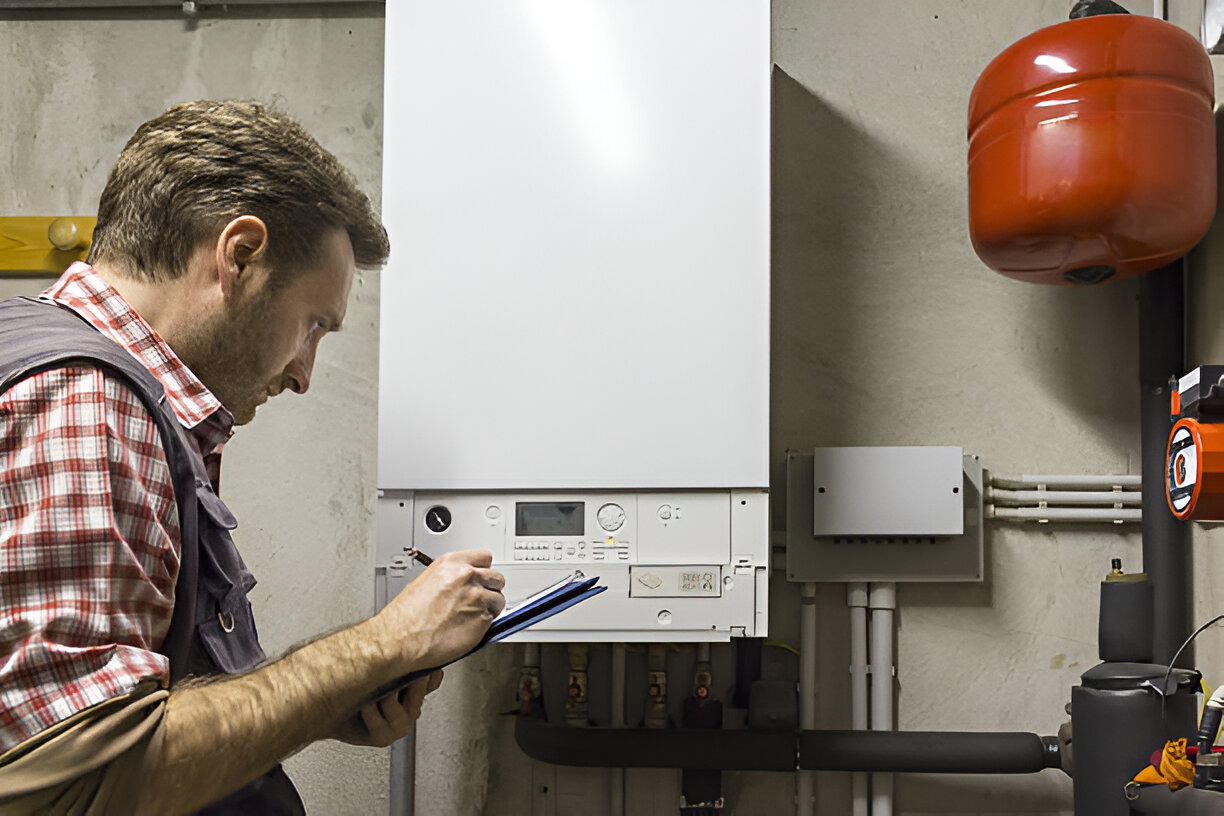
A professional heating tune-up from Koolflow Air follows a systematic, documented checklist that covers inspection, cleaning, calibration, and safety testing. Each tune-up is adapted to the specific equipment type, whether a heat pump, electric furnace, or gas furnace. The core elements include:
- System history review and visual inspection
- Review system age, previous repairs, and any recurring issues.
- Visually inspect indoor and outdoor units, wiring, disconnects, and mounting hardware for corrosion, wear, and rodent damage.
- Airflow and indoor diagnostics
- Check and record supply and return air temperature differentials.
- Inspect air filter condition and advise on replacement type and frequency.
- Examine duct registers and accessible ductwork for leaks, blockages, or disconnected runs.
- Outdoor unit and coils
- Clean outdoor coil fins and remove debris, leaves, and salt buildup.
- Straighten bent fin rows where possible to restore airflow.
- Inspect and test outdoor fan motor and blades for wear or imbalance.
- Burner and heat exchanger cleaning (for gas systems)
- Remove and clean burners and pilot assemblies.
- Inspect the heat exchanger for cracks or signs of stress that can lead to unsafe combustion byproducts.
- Examine flue and venting for blockages, corrosion, or improper slope.
- Combustion and efficiency testing (gas systems)
- Perform combustion analysis to verify proper fuel-air ratio, measure CO and CO2 levels, and check flue temperature.
- Confirm safe venting and measure draft to minimize carbon monoxide risk.
- Electrical inspection and safety checks
- Tighten electrical connections, inspect contactors and relays, and test capacitors and motor amperage.
- Test safety controls, limit switches, and pressure switches for proper operation.
- Verify thermostat wiring integrity and compatibility.
- Refrigerant and heat pump-specific checks
- Measure refrigerant pressures and temperatures to verify charge and system balance.
- Inspect for refrigerant leaks using electronic detectors where required.
- Check reversing valve operation, defrost cycle, and defrost thermostat or sensor performance.
- Lubrication and mechanical adjustments
- Lubricate bearings and motors that require serviceable lubrication points.
- Adjust belts and pulleys, check blower wheel balance, and address mounting hardware.
- Thermostat calibration and control verification
- Calibrate thermostat to ensure accurate temperature readings and verify proper cycling.
- Test programmable features, zoning controls, or smart thermostat integration where applicable.
- Condensate system maintenance
- Clean condensate drain lines and trap, inspect pump operation where installed, and test float switches.
- Recommend alkaline or enzymatic treatments where appropriate to minimize biofilm buildup.
- Document findings and recommendations
- Provide a written report of tests performed, readings, and prioritized recommendations for repairs or replacements.
Each step reduces the chance of failure and supports efficient, safe operation, with technicians explaining findings in plain language and recording data for future comparisons.
What to Expect During the Service Visit
During a heating tune-up, a qualified Koolflow Air technician will arrive prepared with diagnostic tools and replacement filters or minor parts if on-hand. The visit typically follows this flow:
- Initial walk-through to confirm system type, thermostat settings, and homeowner concerns.
- Power down and safe access to equipment, followed by cleaning and inspection tasks.
- Diagnostic testing while the system runs in heating mode to capture live performance data.
- Review of any detected failures or safety issues and written documentation of recommended follow-up work.
- Advice on simple homeowner maintenance actions, such as filter replacement schedule and thermostat settings for Coconut Creek’s climate.
Technicians prioritize transparency and education so homeowners understand the condition of their systems and why certain repairs may be recommended.
Expected Outcomes After a Complete Tune-Up
A properly performed heating tune-up produces measurable and practical benefits:
- Improved reliability and fewer unexpected failures, especially during the few cold snaps Coconut Creek experiences.
- Enhanced energy efficiency leading to lower operational costs during heating cycles and less strain on the system.
- Restored airflow and more consistent comfort across living spaces.
- Extended equipment life through early detection and correction of wear and imbalance.
- Confirmed safe operation for gas systems via combustion and CO testing.
- Clean condensate paths and fewer water-related service calls.
- Documented baseline performance data for trend tracking and warranty compliance.
Homeowners should receive a summary report listing tests performed, readings taken, and suggested repairs prioritized by safety and efficiency impact.
Recommended Follow-Up Repairs and When They Matter
A tune-up will often surface components that need repair or replacement to restore full performance. Common recommendations and why they matter:
- Air filter replacement and duct cleaning
- Importance: Restores airflow, reduces dust, and improves indoor air quality.
- Refrigerant recharge and leak repair for heat pumps
- Importance: Correct charge is essential for efficient heat transfer and to prevent compressor damage.
- Replacing capacitors, contactors, or blower motors
- Importance: Prevents sudden motor failures and noisy operation that can cause more extensive damage.
- Heat exchanger repair or replacement (gas systems)
- Importance: A cracked heat exchanger is a critical safety risk and requires prompt action.
- Condensate pump replacement or drain rework
- Importance: Prevents water damage and system shutdowns due to clogged drains or failed pumps.
- Replacing aging thermostats or upgrading to more precise controls
- Importance: Improves temperature control and reduces unnecessary cycling in mild climates.
Prioritization typically places safety items first (heat exchanger, combustion issues, CO detection), followed by failure-prevention parts (motors, capacitors), then efficiency or comfort improvements.
Seasonal Scheduling Tips for Coconut Creek Residents
Because heating use in Coconut Creek is seasonal and often limited, timing your tune-up strategically saves money and avoids inconvenience:
- Schedule tune-ups in early fall before any seasonal cool spells and well before local HVAC companies become busy in late fall or fuel unexpected demand.
- For heat pumps, an annual dual-mode tune-up (cooling and heating) is ideal—perform once in spring for cooling and verify heating readiness in early fall. This helps catch refrigerant leaks or reversing valve issues before the heating season.
- If your system is older than 10 years, consider semi-annual inspections to monitor aging components and prevent midwinter failures.
- After hurricane season, inspect outdoor equipment for salt, corrosion, and mechanical damage; proactively clean coils and electrical contacts to avoid deferred failures.
- Maintain a regular air filter schedule (every 1 to 3 months depending on filter type and household conditions) to minimize strain on the blower and heat exchange surfaces.
Consistent seasonal maintenance tailored to Coconut Creek’s climate keeps systems efficient and avoids last-minute service calls during rare cold periods.
Maintenance Tips Homeowners Can Do Between Tune-Ups
There are simple steps homeowners can take to keep their heating system running well between professional services:
- Replace disposable air filters regularly and use a filter rated for your system’s airflow.
- Keep outdoor units free from debris, vegetation, and salt spray accumulation; rinse coils gently if corroded material is visible.
- Check and clear vents and registers inside the home to maintain balanced airflow.
- Verify thermostat batteries and settings seasonally; avoid large setpoint swings that cause short cycling.
- Monitor for unusual sounds, odors, or condensation and note run-time patterns—documenting these helps technicians diagnose issues faster.
- Keep the area around indoor units clear for airflow and technician access.
These low-cost actions reduce strain and help maintain the gains from professional tune-ups.
Safety and Warranty Considerations
Professional tune-ups are often required to keep manufacturer warranties valid and to ensure appliances operate safely. A qualified technician performs combustion analysis, heat exchanger inspection, and CO testing on gas systems to reduce serious safety risks. Documented tune-ups also create a performance history that supports warranty claims and resale value. For homeowners in Coconut Creek, keeping a maintenance log and retaining tune-up reports helps demonstrate regular care in a coastal environment where corrosion and humidity accelerate wear.
Why Trust Professional Heating Tune-Up Services
Heating systems are integrated assemblies of electrical, mechanical, and fuel-handling components that require diagnostic equipment and trained technicians. A professional tune-up provides objective measurements, proper calibration, and safe handling of fuel and refrigerant. For homes in Coconut Creek, technicians experienced with local climate impacts can spot subtleties like salt-induced corrosion, improper outdoor unit clearance, or thermostatic adjustments that are particularly relevant to South Florida living. Technicians also carry the specialized tools needed for combustion testing, refrigerant measurement, and electrical diagnostics that go beyond basic homeowner maintenance.
Koolflow Air brings experienced technicians who document findings, explain results in plain language, and prioritize safety and efficiency. Regular tune-ups create a baseline for performance, which can prevent unexpected failures and reduce long-term operating costs by keeping equipment running as designed.
Final Notes on Long-Term Value
A well-maintained heating system in Coconut Creek saves money over time. Even though heating runs are short and infrequent, the consequences of neglect—reduced efficiency, early compressor or motor failure, and potential safety hazards—are significant. Investing in annual tune-ups and timely follow-up repairs protects comfort during cool nights, reduces repair costs over the life of the equipment, and preserves indoor air quality and safety.
Regular maintenance also supports predictable operation of dual-mode systems (heat pumps), which are the norm in South Florida. By catching refrigerant leaks, ensuring defrost control accuracy, and maintaining clean coils and airflow, tune-ups preserve both heating and cooling performance year-round and improve overall system resilience against the local climate.
Frequently Asked Questions
Q: How often should I schedule a heating tune-up in Coconut Creek, FL?
A: Schedule a professional heating tune-up annually, with an ideal timing in early fall. For heat pumps or older systems, consider a dual-mode tune-up and semi-annual checks to cover both cooling and heating seasons.
Q: Will a tune-up find a cracked heat exchanger or carbon monoxide issues?
A: Yes. A comprehensive tune-up includes heat exchanger inspection and combustion/CO testing for gas systems to identify cracks or unsafe combustion conditions that require immediate attention.
Q: Do heat pumps need different tune-up items than gas furnaces?
A: Yes. Heat pump tune-ups focus on refrigerant charge, reversing valve operation, defrost cycle performance, and coil condition, while gas furnace tune-ups emphasize burner cleaning, heat exchanger inspection, and flue drafting.
Q: Can a tune-up improve energy bills in Coconut Creek if heating runs are minimal?
A: Even with limited heating use, tune-ups restore efficient operation, prevent excessive run-times, and reduce wasted energy during loads. They also help ensure the cooling mode remains efficient, since many components overlap.
Q: How long does a typical heating tune-up take?
A: Most comprehensive tune-ups take approximately one to two hours depending on system complexity and whether additional diagnostic testing or minor adjustments are needed.
Q: Are there signs I need a tune-up right away?
A: Yes. Signs include unusual noises during heating, weak or uneven heat, increased runtime, frequent short cycling, visible corrosion, water leaks, and thermostat inaccuracies. Any of these warrant a prompt inspection.
Q: Will tune-ups affect my equipment warranty?
A: Regular documented maintenance often supports warranty requirements. Keep records of tune-up reports and service dates to meet manufacturer or extended warranty conditions.
Q: What should I do to prepare for a technician’s visit?
A: Clear access to indoor and outdoor units, note any recent performance issues, and have utility bills or maintenance history available if possible. This helps the technician diagnose and compare system performance.
Q: How do salt air and humidity in Coconut Creek affect heating systems?
A: Salt air accelerates corrosion on outdoor coils, motors, and electrical connections, while humidity encourages biological growth in condensate lines. Both effects make regular cleaning and inspections more important in coastal South Florida.
Q: What are the most common follow-up repairs after a tune-up?
A: Frequently recommended repairs include refrigerant leak repair, capacitor or motor replacement, heat exchanger or burner servicing for gas appliances, condensate pump replacement, and thermostat upgrades.


Hear what our satisfied
clients have to say

SERVICE AREAS