


Heating Installation in Lighthouse Point, FL

Installing a heating system in Lighthouse Point, FL requires more than simply choosing a unit that produces heat. Coastal South Florida homes face unique conditions: warm, humid summers, mild winters, salty air, and building envelopes designed for cooling rather than heating. At Koolflow Air, we design and install heating systems with local conditions, energy efficiency, and long-term reliability in mind. Discover how the complete heating installation process you can expect, from initial load calculations and site assessment to equipment selection, ductwork and system integration, professional installation steps, commissioning and testing, warranty registration, and ongoing maintenance and support options tailored to Lighthouse Point homes.
Why professional heating installation matters in Lighthouse Point, FL
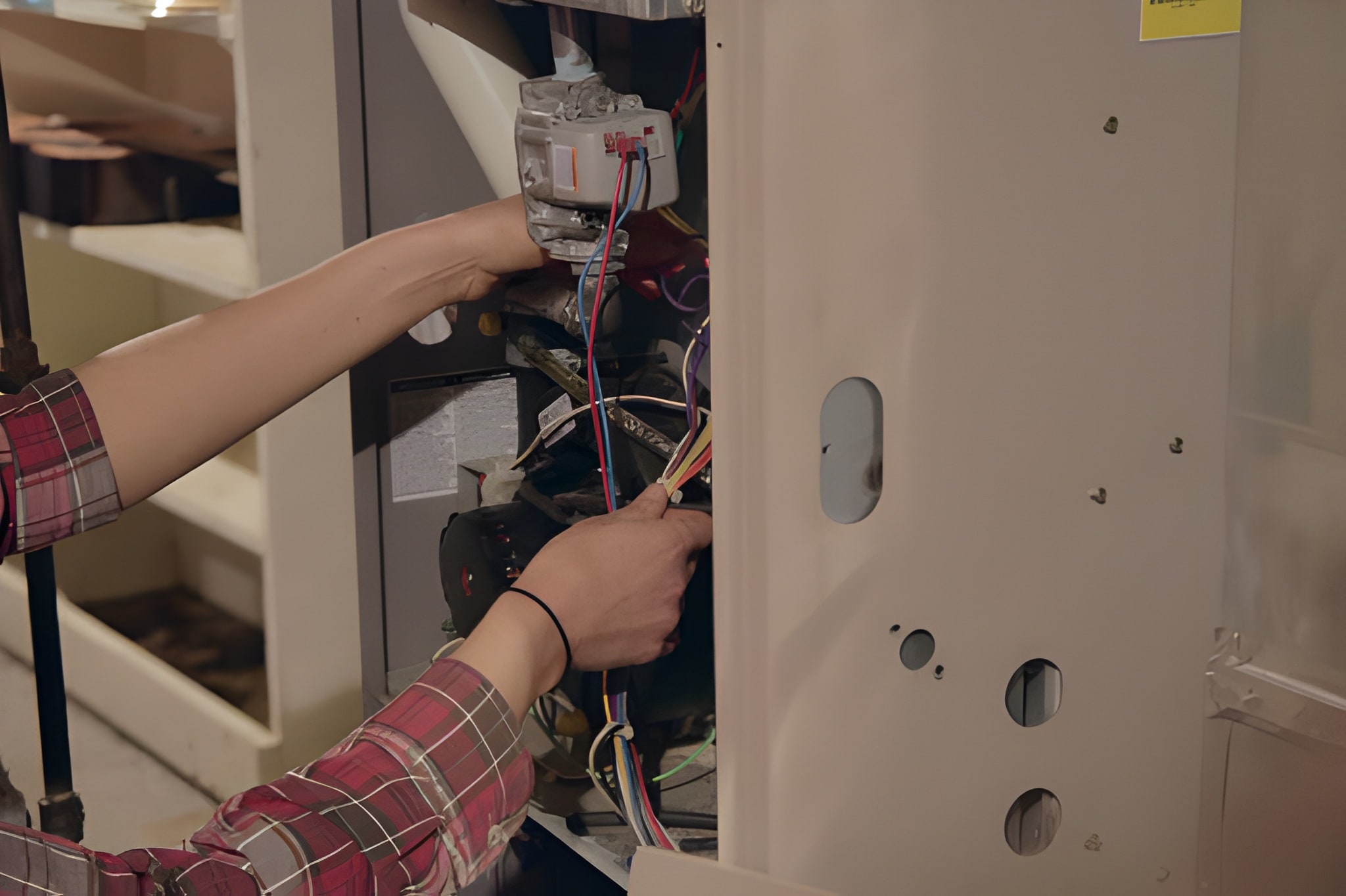
Many homeowners in Lighthouse Point underestimate the role of properly sized and configured heating systems here. Improper sizing or poor installation can lead to short cycling, uneven comfort, higher energy bills, more frequent repairs, and premature equipment failure—issues that are costly in both time and money. Coastal conditions increase the risk of corrosion and airborne particulates entering outdoor equipment. Proper installation plus preventive support are essential to protect your investment and maintain indoor comfort all year.
Common heating system options for Lighthouse Point homes
In South Florida, certain heating solutions are more practical and efficient given the climate and typical home construction:
- Heat pumps (air source heat pumps)
- Most common choice for Lighthouse Point. Heat pumps provide both heating and cooling in one package and are efficient in mild winter climates.
- Available in variable-speed and two-stage models for better humidity control and comfort.
- Mini-split heat pump systems
- Ideal for homes without ductwork or for room additions and sunrooms that need zoned heating.
- Offer high efficiency and minimal invasion during installation.
- Hybrid systems (heat pump combined with gas furnace)
- Less common but useful in homes with existing gas lines that prefer gas backup during colder nights.
- Allows the system to switch to the most efficient energy source based on outdoor conditions.
- High-efficiency furnaces
- Rare in Lighthouse Point but still an option when converting older systems or where gas is already installed and preferred.
Choosing the right system depends on building layout, existing HVAC infrastructure, homeowner priorities on efficiency and comfort, and local environmental factors like salt exposure and humidity.
Common heating installation and comfort problems in Lighthouse Point
- Short cycling due to oversized equipment
- Uneven heating across rooms because of poor zoning or undersized ductwork
- Corrosion of outdoor components from salt air leading to reduced lifespan
- Poor humidity control resulting in clammy or stuffy indoor air during transitional seasons
- Inefficient operations from older thermostats or lack of airflow balancing
- Inadequate ventilation or filtration that worsens indoor air quality
A proper installation process prevents these problems and sets up the system for reliable, efficient operation.
Comprehensive site assessment and load calculation
A professional heating installation begins with a detailed site assessment. Koolflow Air performs industry-standard calculations and inspections to determine the correct equipment size and system layout.
Key steps in assessment and load calculation:
Detailed building load calculation (Manual J)
- We perform a Manual J load calculation to quantify heating and cooling needs room by room. This factors in square footage, orientation, insulation levels, window types, occupancy, and internal heat gains.
- Manual J prevents oversizing or undersizing, both of which reduce comfort and efficiency.
Duct evaluation (Manual D and airflow analysis)
- Inspect existing ductwork for leaks, insulation, sizing, and balancing. Manual D helps determine proper duct sizing and layout when new ducts are required.
- Measure static pressure and airflow to determine if existing components will support the new equipment.
Envelope and ventilation review
- Assess insulation, window performance, infiltration points, and current ventilation. This helps identify opportunities to reduce load and improve system performance.
Equipment location and service access planning
- Evaluate outdoor unit placement for airflow, salt exposure, noise considerations, and code compliance. Ensure easy access for future service.
Local code and permitting review
- Determine local permit requirements and any Lighthouse Point or Broward County regulations that affect installation, such as equipment elevation in flood zones or specific anchoring requirements.
This comprehensive assessment ensures the installed system meets your comfort needs and performs reliably in the Lighthouse Point environment.
Equipment selection: models, efficiency, and sizing
Selecting the right equipment is a mix of accurate sizing, attention to efficiency ratings, and choosing durable components suited to coastal conditions.
What we consider for equipment selection:
- Correct capacity sizing
- We use the Manual J results to choose a system capacity that matches your home load. Heat pumps are sized for continuous operation, not peak-only output, to maintain efficiency and humidity control.
- Efficiency ratings
- For heat pumps, pay attention to HSPF (Heating Seasonal Performance Factor) and SEER ratings. Higher HSPF delivers better seasonal heating efficiency in mild climates.
- Variable-speed compressors and multi-stage units provide superior comfort and humidity control by running longer at lower speeds.
- Corrosion-resistant components
- Coastal-grade coatings, stainless steel or epoxy-coated coils, and corrosion-resistant fasteners significantly extend outdoor unit life in salt air environments.
- Compatibility with air quality and ventilation accessories
- Consider integrated or add-on humidifiers, dehumidifiers, high-efficiency filtration, and UV air treatment to address indoor air concerns common in high-humidity climates.
- Controls and zoning
- Smart thermostats, zoning dampers, and multi-zone mini-splits allow precise control in different areas of the home, reducing wasted energy and improving occupant comfort.
Koolflow Air uses trusted manufacturer lines with proven coastal performance and provides clear comparisons so homeowners can select the best match for efficiency, budget, and long-term reliability.
Ductwork and system integration
Proper ductwork and system integration are essential for delivering the heating output where it is needed without leaks, noise, or pressure imbalances.
Ductwork services we provide as part of heating installation:
- Duct inspection and repair
- Seal and insulate existing ductwork to reduce losses. Fix disconnected or crushed sections and replace severely deteriorated runs.
- Duct design and installation
- When new ducts are needed, we design to Manual D standards and build ducts to minimize resistance and noise while ensuring adequate airflow for the selected equipment.
- Transition and coil integration
- Correctly sized coil matches ensure evaporator coils and condenser units pair properly, avoiding performance and warranty issues.
- Vent distribution and balancing
- Placement and size of supply and return grilles is optimized for consistent comfort. We perform airflow balancing to ensure each room receives the correct cfm.
- Zoning integration
- For homes with multiple living areas or differing comfort needs, we integrate zoning systems with dampers and multiple thermostats for individualized control.
Correct ductwork and system integration increase efficiency, lower operating costs, and improve comfort, particularly in homes where ductwork was designed primarily for cooling.
Professional installation steps
A professional installation follows a disciplined, documented process. Typical steps you will see on-site include:
Pre-install preparation
- Confirm permit approvals and final equipment specifications. Verify delivery and staging locations. Protect interior surfaces and landscaping.
Removal of old equipment (if applicable)
- Safely remove and dispose of the existing system per local environmental regulations.
Site preparation
- Prepare the mounting pad or platform for outdoor units, install vibration isolation, and ensure proper clearance for airflow and service access.
Mechanical installation
- Set outdoor unit and indoor component placement. Install refrigerant lines, electrical connections, condensate drains, and interior coil or air handler components.
Ductwork modifications or new duct installation
- Integrate new or repaired ducts, ensure proper insulation in unconditioned spaces, and install return pathways as needed.
Control wiring and thermostat installation
- Connect controls and thermostats, configure communication wiring for zoning, and ensure user-friendly placement.
Electrical and safety checks
- Verify proper electrical breaker sizing, disconnects, grounding, and compliance with NEC and local codes.
Refrigerant charging and leak checks
- Evacuate lines, perform vacuum testing, charge to manufacturer specifications, and check for leaks with electronic detectors.
System startup and initial programming
- Configure control settings, temperature differentials, fan curves, and staging logic for optimal performance.
- Provide system documentation, explain thermostat operation, and review manufacturer warranties and maintenance recommendations.
Each step is performed methodically to protect equipment longevity, warranty coverage, and occupant safety.
Testing, commissioning, and performance verification
Testing and commissioning are critical to ensure the system performs to specifications and that your home achieves the expected comfort and efficiency.
Commissioning tasks include:
- System verification checklist
- Confirm unit model and serial numbers, system charge, airflow rates, and electrical parameters.
- Airflow and static pressure testing
- Measure airflow at supply and return to confirm cfm targets. Verify static pressure is within acceptable ranges.
- Temperature split and delta-T testing
- Check supply and return temperatures to confirm heat transfer efficiency.
- Dehumidification and humidity control verification
- In heat pump installations, validate that the system maintains humidity control during transitional seasons.
- Refrigerant and leak testing
- Recheck charge after run-in period and inspect all connections.
- Noise and vibration assessment
- Ensure the outdoor and indoor units operate quietly and vibration mounts are effective.
- Final code compliance and inspection readiness
- Prepare system for municipal inspection where required and ensure all documentation is ready for permit sign-off.
Commissioning provides assurance that the system is installed correctly and will deliver the comfort and efficiency you expect.
Warranty registration and documentation
Proper warranty registration preserves your rights and keeps manufacturer protections valid. We assist with:
- Manufacturer warranty registration
- We register equipment with the manufacturer and provide copies of warranty terms for both condenser and indoor components.
- Installer workmanship warranty
- In addition to manufacturer warranties, professional installers typically provide a workmanship warranty covering installation-related issues for a defined period.
- Service and maintenance documentation
- We supply a detailed record of installation settings, refrigerant charge, and system performance metrics that are useful for future service visits.
- Permit and inspection records
- Maintain copies of local permits and inspection approvals to ensure compliance and help with future property transactions.
Documenting and registering warranties at installation prevents surprises and ensures you have the correct coverage for parts and labor when needed.
Post-installation support and maintenance options
After installation, ongoing care keeps systems running efficiently and extends service life. Koolflow Air offers tailored support plans for Lighthouse Point homeowners.
Maintenance and support services include:
- Annual tune-up and preventive maintenance
- Seasonal inspection of electrical connections, refrigerant levels, airflow, condensate drainage, and safety controls. Cleaning coils and changing filters improves efficiency and indoor air quality.
- Priority service and preferred scheduling
- Maintenance plan members receive priority scheduling for repairs and seasonal tune-ups to minimize downtime.
- Filter and consumable management
- Reminder programs and optional filter delivery services ensure filters are changed as needed to protect equipment and maintain indoor air quality.
- Diagnostic visits and system optimization
- If comfort issues arise, diagnostic visits identify performance problems and implement corrective measures such as airflow balancing, thermostat calibration, or refrigerant adjustments.
- Emergency response and 24-hour support
- For systems that fail unexpectedly, emergency support options reduce exposure to uncomfortable conditions during cooler nights or transitional seasons.
- Seasonal performance reviews
- Annual check-ins to review system performance, energy usage, and potential upgrades such as improved thermostats or zoning.
Regular preventive maintenance reduces unplanned repairs, preserves warranty validity, and keeps systems operating at peak efficiency, especially important in the coastal climate of Lighthouse Point.
Why proper installation saves money and increases comfort
Investing in a professional heating installation yields measurable benefits:
- Lower operating costs
- Correct sizing, efficient equipment, and well-sealed ducts reduce wasted energy and lower utility costs.
- Greater comfort and consistent temperatures
- Proper airflow distribution and zoning eliminate hot and cold spots and maintain steady indoor temperatures.
- Longer equipment life
- Reduced cycling and correct refrigerant charge extend compressor and component life.
- Fewer unexpected repairs
- Quality installation and regular maintenance identify issues early, avoiding costly emergency repairs.
- Improved indoor air quality
- Proper filtration, balanced ventilation, and humidity control reduce dust, mold risk, and allergens.
These advantages are amplified in Lighthouse Point because coastal conditions place extra demands on equipment resilience and indoor air control.
Local considerations for Lighthouse Point, FL installations
Heating installations in Lighthouse Point must account for several local factors:
- Salt air and corrosion
- Use of corrosion-resistant components and protective coatings on outdoor equipment is recommended to combat accelerated wear.
- Humidity and moisture control
- Systems should be sized and configured to manage humidity during cooler months and transitional seasons to prevent mold growth and maintain comfort.
- Hurricane and high-wind considerations
- Outdoor units should be mounted and anchored per local codes and manufacturer guidance to withstand severe weather events.
- Permitting and inspections
- Coordinate with Lighthouse Point building department and Broward County requirements to secure the right permits and pass inspections.
- Energy efficiency incentives
- Local and state incentive programs sometimes reward high-efficiency systems. We provide documentation needed for incentive applications while avoiding specific program claims.
Understanding and addressing these local factors ensures reliable operation and protects your investment over the long term.
Typical timeline and what to expect during installation
While every project is unique, a typical residential heating installation timeline looks like this:
- Initial consultation and site assessment: 1 to 3 days for scheduling and on-site evaluation
- Final equipment selection and permit submission: 3 to 7 business days depending on permit office
- Delivery and staging of equipment: 1 to 3 days after permit approval
- On-site installation: 1 to 4 days depending on system complexity (simple heat pump swap is faster; ductwork replacement or multi-zone systems take longer)
- Commissioning and customer walkthrough: same day as installation completion
- Final inspection and paperwork: varies by municipality; often scheduled within a few days to a couple of weeks after installation
We provide a clear project schedule and keep documentation updated so you know what to expect at every step.
Financing and long-term value considerations
High-efficiency heating systems offer long-term savings through lower operating costs and increased resale value. While this content does not include pricing, it is worth considering:
- Lifecycle cost analysis
- Evaluate up-front cost against expected efficiency gains and anticipated energy savings over the system lifespan.
- Upgrade opportunities
- Consider smart controls, zoning, or humidity control accessories that reduce overall energy use and increase comfort.
- Resale and property value
- Professionally installed, well-documented HVAC systems can be an asset at resale, showing buyers that the home was properly maintained and upgraded.
Selecting the right balance of efficiency, durability, and features provides the most value over time for Lighthouse Point homeowners.
Q and A
Q: How important is proper sizing for a heat pump in Lighthouse Point, FL?
A: Proper sizing is critical. Oversized equipment cycles frequently causing poor humidity control and increased wear. Undersized equipment cannot maintain comfort. A Manual J load calculation ensures the correct size for your home.
Q: Are heat pumps the best choice for Lighthouse Point homes?
A: Heat pumps are typically the best choice for Lighthouse Point due to mild winter temperatures and their combined heating and cooling capabilities. They offer efficient year-round performance and better humidity control than many other options.
Q: Will salt air corrode my outdoor unit faster here?
A: Salt air can accelerate corrosion. Choosing coastal-grade coatings and corrosion-resistant components, and scheduling regular maintenance, helps protect outdoor units and extend lifespan.
Q: What does commissioning involve and why is it necessary?
A: Commissioning verifies that the system is installed correctly and runs per manufacturer and design specifications. It includes airflow testing, refrigerant verification, safety checks, and performance measurements to ensure long-term reliability and efficiency.
Q: Do I need a permit for heating installation in Lighthouse Point?
A: Most heating installations require permits and inspections to ensure code compliance. Permit processes vary, so a professional install typically includes handling permit applications and coordinating inspections.
Q: How often should I schedule maintenance after installation?
A: Annual preventive maintenance is recommended for most systems. In coastal or high-humidity environments, semi-annual checks can be beneficial to manage corrosion and ensure optimal performance.
Q: What warranty documentation will I receive?
A: You will receive manufacturer warranty registration, installer workmanship warranty details, and a complete service and installation report that documents settings, charge, and operation.
Q: Can I add zoning or smart controls to a new installation?
A: Yes. Zoning and smart thermostats are commonly integrated during installation to improve comfort and energy savings. They should be specified during equipment selection to ensure compatibility.
Q: How long does a professional heating installation usually take?
A: Simple equipment replacements can often be completed in one day. More complex installations with new ductwork, zoning, or mini-splits typically take multiple days. Timeline depends on permit approval and project scope.
Q: What maintenance tasks can I expect to perform between professional visits?
A: Homeowners should replace filters regularly, keep outdoor units clear of debris, and monitor thermostat settings and condensate drains. Regular filter changes help protect equipment and maintain indoor air quality.
Final note: A professional, locally informed installation performed with attention to correct sizing, corrosion protection, and thorough commissioning provides the most reliable, efficient, and comfortable heating solution for Lighthouse Point homes. Koolflow Air focuses on precise assessments, quality equipment selection, and documented workmanship to ensure your system performs well today and for years to come.


Hear what our satisfied
clients have to say

SERVICE AREAS