


Heating Repair in Lighthouse Point, FL

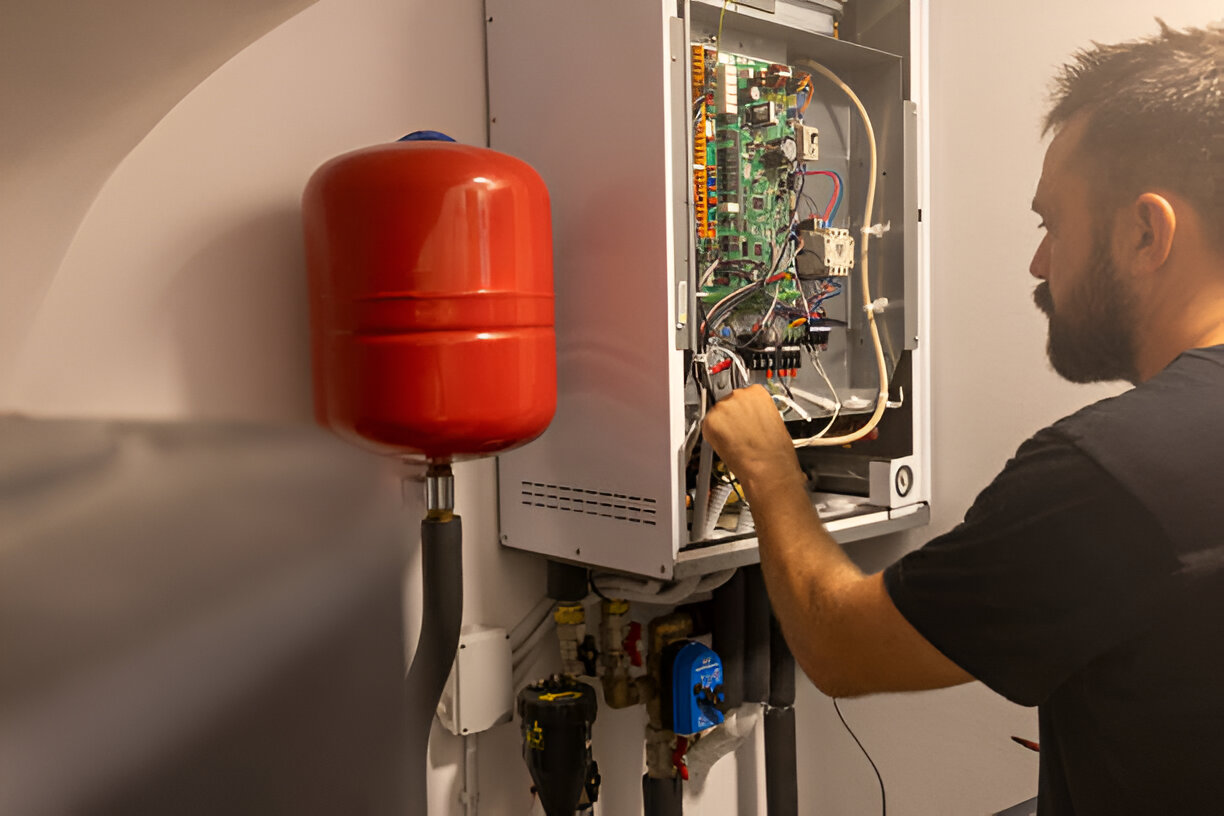
Heating repair in Lighthouse Point, FL is a targeted service that keeps your home comfortable, safe, and energy efficient during the cooler months and transitional seasons. Even though South Florida winters are mild compared with northern climates, heating problems still disrupt households — especially when heat pump systems are stressed by humidity, salt air exposure, or extended run cycles. Koolflow Air provides diagnostic-driven heating repair tailored to Lighthouse Point homes, focusing on rapid fault identification, on-site troubleshooting, component replacement, safety verification, and durable performance checks.
Why heating repair matters in Lighthouse Point
- Many Lighthouse Point homes rely on heat pumps or ducted mini-split systems for both cooling and heating. When the heating mode fails, indoor comfort and humidity control suffer.
- Coastal conditions accelerate corrosion on outdoor components, increasing failure risk in condensing units, reversing valves, and electrical contacts.
- During seasonal shifts, systems that were used heavily for cooling may show hidden issues only when switched to heating mode.
- Prompt, diagnostic-driven repairs restore efficiency, reduce energy waste, and extend equipment life, preventing minor faults from becoming major system failures.
Common heating problems in Lighthouse Point homesBelow are the typical faults our technicians see during winter and shoulder seasons in this area:
- Heat pump not producing warm air: often caused by low refrigerant, compressor issues, or reversing valve failure.
- System short-cycling: frequent on/off cycles due to thermostat malfunctions, electrical faults, or improper refrigerant charge.
- Weak airflow or uneven heating: dirty air filters, failing blower motors, obstructed ducts, or undersized ductwork.
- Outdoor unit noisy or not starting: motor failure, capacitor problems, or corrosion-related electrical shorts.
- Error codes or system lockouts: control board faults, sensor failures, or safety switches triggered by airflow or pressure problems.
- Frozen coils in heating mode: often due to low refrigerant, poor airflow, or outdoor coil corrosion affecting heat exchange.
Types of heating repair services we perform
- Diagnostic assessments: thorough evaluation of the entire HVAC system to pinpoint the root cause rather than only treating symptoms.
- Refrigerant diagnosis and leak detection: identifying leaks, pressure testing, and targeted repairs to restore proper charge.
- Electrical troubleshooting and repairs: diagnosing capacitors, contactors, relays, breakers, and wiring corrosion common in salt-air environments.
- Compressor and reversing valve service: component-level repairs and replacements specific to heat pump systems.
- Blower motor and fan repairs: restoring airflow by servicing or replacing motors, belts, and fan assemblies.
- Control board and thermostat repairs: ensuring accurate temperature control and reliable system communication.
- Duct and airflow tuning: adjusting dampers, sealing leaks, and clearing obstructions to restore even heating.
- Safety device replacement: pressure switches, limit switches, and sensors that must function reliably for safe operation.
Our diagnostic-first approachKoolflow Air emphasizes a diagnostic-first workflow to ensure each repair is effective and long lasting. Typical diagnostic steps include:
On-site troubleshooting and repair process
- Arrival and initial triage: technicians arrive with a pre-stocked truck and a prioritized checklist based on symptoms reported for efficient troubleshooting.
- Isolate safety hazards: before any repair, we verify electrical disconnects, check for refrigerant safety, and ensure no gas or carbon monoxide risks exist if supplemental heaters are present.
- Pinpoint diagnosis: rather than replacing multiple parts at once, we test individual components to isolate the failing element.
- Immediate fixes when possible: some repairs such as thermostat recalibration, control resets, or capacitor swaps can restore operation during the first visit.
- Planned replacements: when parts need ordering, we provide a transparent explanation of the failed components and the recommended replacement plan, including expected parts lead time for Lighthouse Point area.
- Final verification: after repair, we run the system through multiple cycles to verify stable temperatures, proper pressures, and clean, consistent airflow.
Component replacement details and what to expectCommon components replaced during heating repairs include compressors, reversing valves, capacitors, contactors, blower motors, fan blades, thermostats, control boards, pressure switches, and sensors. For Lighthouse Point homes, technicians often recommend corrosion-resistant hardware and marine-grade electrical connections for outdoor units.
When replacing components we:
- Use manufacturer-approved parts where possible to maintain compatibility and warranty relationships.
- Inspect related components for wear to prevent immediate follow-on failures.
- Protect refrigerant lines and electrical connections from salt exposure and provide guidance for future corrosion prevention.
- Reconfigure or reprogram controls to match new hardware and optimal heating strategies for local climate conditions.
Safety and performance checks after repairSafety is primary. Every completed repair includes a standardized safety and performance checklist:
- Electrical safety: verify proper grounding, breaker sizing, and safe wiring practices.
- Refrigerant safety: vacuuming, leak testing, and ensuring proper charge levels where applicable.
- Combustion safety: for homes with supplemental gas or oil heating, confirm safe combustion and venting (if applicable).
- Airflow and temperature validation: measure return and supply temperatures, confirm correct temperature split, and verify even heat distribution.
- System startup/shutdown behavior: check defrost cycles, reversing valve function, and thermostat response.
- Documentation: record serial numbers, part replacements, measured pressures, and final readings for the homeowner file.
Typical repair timelines for Lighthouse Point repairsRepair timelines vary depending on complexity and parts availability. Typical scenarios include:
- Same-day repairs: simple fixes such as thermostat replacement, capacitor swaps, or blown fuse replacement can often be completed within a single visit.
- 24 to 72 hour repairs: component-level replacements like blower motor swaps or fan motor replacements typically require more labor but can be completed within a few days depending on parts availability.
- Multi-day jobs: compressor or major refrigerant system work, or when refrigerant must be reclaimed and new parts are back-ordered, may span several days.
- Seasonal delays: during peak transition seasons or after tropical storms and hurricanes, parts and scheduling may take longer due to higher regional demand.
Factors that affect how quickly a repair is completed
- Parts availability in the Lighthouse Point area or lead time from suppliers.
- Extent of corrosion or hidden damage revealed during disassembly.
- Need for refrigerant reclamation and municipal permitting for system replacement in some condominium or HOA communities.
- Accessibility of unit location, such as rooftop or narrow mechanical closets.
- Weather impacts and emergency work loads after severe weather events.
Pricing factors and transparent cost considerationsWhile this content does not include specific price figures, homeowners should expect repair costs to be determined by:
- Labor hours required based on diagnostic complexity and repair difficulty.
- Cost of replacement components and whether OEM parts are used.
- System age and whether additional work is recommended to ensure long-term reliability.
- Accessibility factors and any special materials needed to combat coastal corrosion.
- Local codes or HOA requirements that affect replacement procedures.
Koolflow Air provides clear estimates with itemized parts and labor breakdowns so homeowners in Lighthouse Point understand the scope and rationale for recommended repairs.
24/7 emergency response optionsHeating failures can occur outside normal business hours, and they often coincide with weather events or system stress points. Koolflow Air maintains emergency readiness to address:
- Complete system shutdowns during cold snaps or rapidly changing weather.
- Electrical shorts and sparking that pose immediate safety risks.
- Heating failures in homes with residents who depend on regulated indoor temperatures for health reasons.
Emergency response is structured to prioritize safety: technicians perform rapid triage to stabilize systems, implement temporary measures to restore safe operation where possible, and schedule definitive repairs once parts and resources are confirmed.
Warranty and parts informationKoolflow Air supports repairs with clear warranty terms that vary by part and service type. Key warranty practices include:
- Warranty on labor for a specified period following the repair, documented with the service report.
- Parts warranty per the component manufacturer, honored when OEM parts are used.
- Documentation of serial numbers and replaced parts to support manufacturer claims.
- Guidance on how warranty coverage interacts with existing equipment manufacturer warranties, and steps needed to preserve coverage such as professional installation and documented service records.
How scheduling a fast service visit typically worksTo ensure efficient and appropriate service visits, homeowners should expect the following standard process:
- Pre-visit intake: a brief triage to collect symptoms, equipment age, brand, and any relevant history so technicians arrive prepared.
- Estimated arrival window: an agreed time window for the technician, with status updates if travel or weather affects timing.
- On-site assessment and estimate: technicians perform diagnostics and provide a clear, itemized repair plan and timeline before beginning work.
- Parts logistics: if parts are required, the technician describe expected lead times and whether any interim measures will restore operation.
- Follow-up documentation: after repair, homeowners receive a service summary including readings, replaced parts, and maintenance recommendations.
No-pressure information and decision supportKoolflow Air focuses on educating homeowners to make confident decisions. During the diagnostic process, technicians explain:
- Root cause of failure and why the proposed repair addresses it.
- Longevity expectations after repair given system age and environmental exposure in Lighthouse Point.
- Alternatives such as preventive upgrades, corrosion mitigation measures for outdoor units, or full system replacement when repairs are less economical.
- Energy implications and potential efficiency improvements after repair, including thermostat programming and airflow optimization.
When repair is the right choice versus replacementRepair is often the best option when:
- The failure is isolated to a single component and the rest of the system is in good condition.
- The equipment is relatively new and otherwise under warranty.
- The homeowner prefers to extend the service life of a well-maintained system.
Replacement is typically recommended when:
- Multiple major components are failing or compressor replacement would exceed the remaining value of the unit.
- The system is older and inefficient compared with modern heat pump or multi-stage systems.
- Frequent repairs indicate systemic wear that will lead to ongoing downtime.
- There are opportunities to improve efficiency and resiliency with newer equipment more suited to Lighthouse Point’s coastal climate.
Maintenance tips to reduce future heating repairsProactive maintenance reduces breakdown risk and preserves efficiency. Key maintenance tips for Lighthouse Point homes include:
- Regular filter changes: at least every 1 to 3 months depending on usage to maintain airflow and indoor air quality.
- Annual professional tune-ups: seasonal inspections that include electrical checks, refrigerant verification, and coil cleaning.
- Outdoor unit care: rinse salt residue periodically and ensure the area around the condenser is clear of debris to reduce corrosion and airflow restriction.
- Thermostat calibration: verify setpoints and schedules to avoid unnecessary runtime and wear.
- Duct inspection: seal leaks and insulate ducts to protect performance and reduce energy loss.
- Pre-storm preparation: secure outdoor units and have a certified tech inspect systems after major weather events.
Why Lighthouse Point homeowners trust diagnostic-driven heating repair
- Local climate knowledge: understanding how coastal humidity, salt air, and seasonal patterns affect system performance.
- Diagnostic-first philosophy: prioritizing accurate root cause analysis over quick fixes to avoid repeat visits and unnecessary parts replacement.
- Safety-first procedures: ensuring electrical and refrigerant systems are handled to code and to manufacturer standards.
- Clear documentation and warranty transparency: homeowners receive the information needed to maintain warranties and track service history.
Koolflow Air brings experienced technicians to every visit, emphasizing reliability, local expertise, and system longevity tailored to Lighthouse Point homes. Whether the issue is a noisy outdoor unit, weak heat in one zone, or a system that will not switch to heating mode, the focus is on restoring safe operation and maximizing efficiency with durable parts and proven repair methods.
Frequently Asked Questions
Q: How long will a typical heating repair visit take?
A: Most diagnostic visits last between 45 minutes and two hours depending on access and symptom complexity. Simple on-site repairs can be completed the same day. Larger component replacements or refrigerant work may require additional time or separate scheduling for parts.
Q: Do you work on heat pumps and ductless systems commonly used in South Florida?
A: Yes. Koolflow Air technicians are experienced with heat pumps, ducted systems, and ductless mini-splits that are common in Lighthouse Point homes, including refrigerant diagnosis, reversing valve service, and defrost controls.
Q: Are replacement parts covered by a warranty?
A: Parts are covered by the manufacturer warranty and labor is covered under our service warranty terms. Specific durations depend on the part and manufacturer, and documentation is provided after each repair.
Q: How do coastal conditions in Lighthouse Point affect heating systems?
A: Coastal salt air accelerates corrosion of outdoor coils, electrical contacts, and fasteners. High humidity increases runtime in heating mode for dehumidification control, which can stress components. Regular maintenance and corrosion mitigation extend equipment life.
Q: What should I do if my system trips breakers or makes a burning smell?
A: Those are safety issues. A technician will perform immediate electrical isolation and diagnostics to eliminate hazards before proceeding with repairs. Avoid resetting breakers repeatedly or continuing to operate a system that emits unusual smells.
Q: Can repairs be done during hurricane season or after a storm?
A: Yes, but availability may be affected by high regional demand. Technicians also focus on safety checks post-storm, such as inspecting flood-damaged equipment, electrical hazards, and debris-clogged airflow.
Q: How do you decide whether to repair or replace a failing heating component?
A: Decisions are based on system age, extent of failure, cost-effectiveness of repair versus replacement, and expected future reliability. Technicians provide transparent comparisons to help homeowners choose the best long-term option.
Q: Will repair improve my system efficiency?
A: Proper repairs restore design performance and can significantly improve efficiency, especially when issues like refrigerant leaks, poor airflow, or faulty controls are corrected. Technicians also recommend efficiency-focused upgrades where beneficial.
Q: What documentation do I receive after service?
A: You receive a service summary that includes diagnostic findings, replaced parts and serial numbers, final test readings, and maintenance recommendations to preserve warranty and support future service planning.

Hear what our satisfied
clients have to say

SERVICE AREAS