


Heating Installation in Pembroke Pines, FL

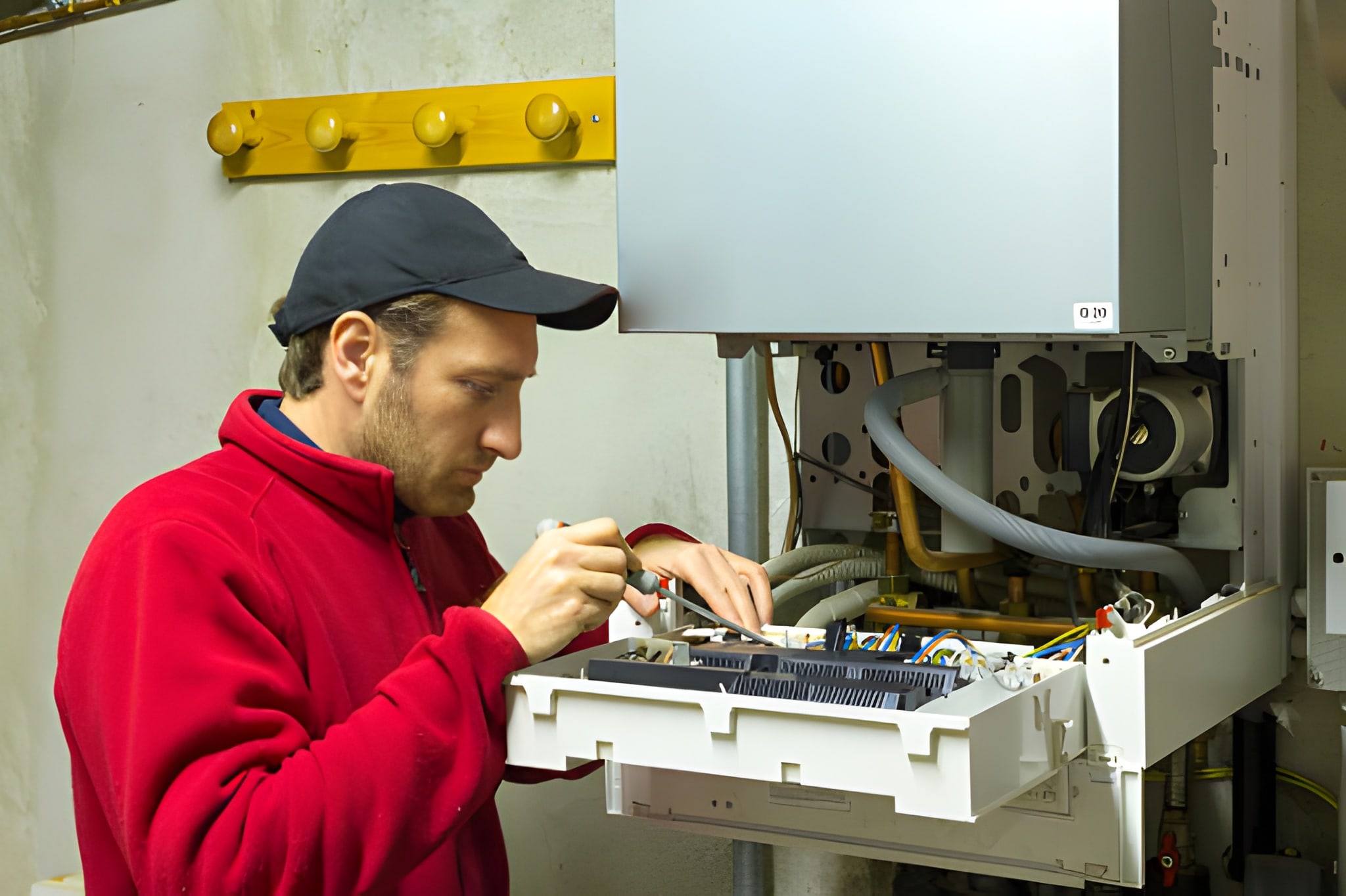
Pembroke Pines heating installation involves professional planning, precise load calculations, and code-compliant permitting to ensure reliable comfort and energy efficiency for residential and commercial spaces. Our approach emphasizes properly sized equipment, efficient ductwork, and meticulous commissioning. We recommend heat pumps for year-round efficiency, with alternatives like gas furnaces, packaged rooftop units, and hydronic systems when appropriate. The process includes site assessment, system sizing, equipment selection, duct sealing, permits, installation, and post-installation testing to deliver lasting performance.
Heating Installation in Pembroke Pines, FL
Installing a reliable heating system in Pembroke Pines, FL may not be as urgent as in northern states, but the right installation matters for comfort, indoor air quality, and energy cost control during cooler months and for commercial spaces with specific temperature needs. Whether you manage a restaurant, office, retail store, or a single-family home, a professionally planned and executed heating installation in Pembroke Pines, FL prevents common problems like uneven temperatures, high energy use, and moisture-related issues that are amplified by South Florida humidity.
Why professional heating installation matters in Pembroke Pines
- South Florida’s mild winters still require dependable heating for early mornings, commercial kitchens, childcare facilities, and any space with sensitive equipment or occupants.
- High humidity and coastal proximity increase the importance of proper duct sealing and ventilation to avoid condensation, mold, and degraded indoor air quality.
- Correct sizing and equipment selection keep energy bills lower and extend system life. Oversized or undersized systems cycle inefficiently and cause wear.
Common heating installation types and issues in Pembroke Pines
Residential and commercial properties typically choose from several heating approaches depending on building type and usage:
- Heat pumps (most common in South Florida) for year-round heating and cooling efficiency.
- Ducted gas furnaces for commercial or mixed-use buildings where gas is available and higher output is needed.
- Packaged rooftop units for many commercial buildings and strip malls.
- Hydronic heating or electric resistance in niche residential or small commercial applications.
Common issues we see in Pembroke Pines installations:
- Improperly sized equipment resulting in short-cycling or insufficient heat
- Poor ductwork design, leaks, or inadequate insulation causing uneven heating and humidity problems
- Incomplete permitting or code gaps that cause delays at inspection
- Mismatched components (outdoor condensing unit vs indoor coil) reducing efficiency and warranty compliance
The heating installation process — what to expect
A professional heating installation follows a clear, documented workflow so your system performs reliably from day one.
Initial consultation and site assessment
- We start with a detailed walkthrough of the property: footprint, ceiling heights, insulation levels, window orientation, occupancy patterns, and existing mechanical systems.
- For commercial jobs, we account for operating hours, zoning needs, equipment loads, and any special ventilation or process heating requirements.
Load calculations and system sizing
- Accurate sizing using industry-standard load calculations (Manual J for residential, equivalent commercial methods) determines the heat output required for consistent comfort without wasted energy.
- We factor in Pembroke Pines-specific considerations like humidity, single-story roof exposure, and typical construction practices in the area.
Equipment selection
- Recommendations include the type and capacity of heat pump units, packaged systems, or furnaces best suited to the property.
- Selection criteria balance upfront cost, efficiency ratings (SEER/HSPF or AFUE where applicable), long-term operating cost, noise levels, and warranty coverage.
- For commercial properties, we consider modular or multi-zone setups to match varying occupancy and operational needs.
Ductwork coordination and sealing
- Proper duct design (Manual D principles) ensures balanced airflow. For retrofits, we inspect existing ducts for sizing, routing, insulation, and condition.
- Duct sealing and insulation are essential in Pembroke Pines to prevent energy loss and minimize condensation in humid weather. Sealing also improves indoor air quality by reducing infiltration of outdoor pollutants.
- Where needed, we recommend or perform duct replacement, re-routing, or the addition of balancing dampers and zoning to optimize comfort.
Permitting and inspections
- Installations must comply with Florida Building Code and local Pembroke Pines / Broward County permitting requirements. A professional installer prepares permit documents, submits plans, and coordinates inspections.
- Proper permitting protects warranties and ensures the installation meets safety and energy code standards.
Professional installation steps
- Removal of old equipment (if applicable) with safe disposal practices.
- Precise placement of new equipment for service access, ventilation needs, and structural considerations for rooftop or outdoor units.
- Refrigerant line sets, gas lines, electrical connections, condensate routing, and combustion venting (if applicable) are installed to code.
- Controls integration: thermostats, zoning panels, and building automation interfaces for commercial systems.
Post-installation testing and commissioning
- System start-up with performance testing: airflow measurements, temperature split checks, refrigerant charge verification, and safety control tests.
- Commissioning includes verifying duct airflow, thermostat calibration, and balanced zoning.
- We produce a run-through report showing measured performance versus design expectations and explain operating tips for building staff or homeowners.
Tips for choosing the right heating system in Pembroke Pines
- Prefer heat pumps for combined heating and cooling efficiency unless specific process heating or gas requirements dictate otherwise.
- Choose equipment with higher efficiency ratings and reputable manufacturer warranties to offset installation and operating costs over time.
- Prioritize proper duct sealing and insulation to prevent humidity problems and improve comfort during occasional cool periods.
- For commercial properties, design for zoning and flexible controls to avoid heating unoccupied areas.
- Verify that the installer conducts load calculations and provides documentation of permitting and testing.
Long-term benefits and maintenance advice
A correctly installed system delivers:
- Consistent comfort with fewer repairs
- Lower operating costs through efficient year-round performance
- Reduced humidity issues and improved indoor air quality
- Extended equipment life and preserved warranty coverage
Maintenance tips to preserve performance:
- Schedule annual tune-ups before the heating season (for heat pumps, before fall/winter transition).
- Replace filters regularly and keep outdoor units free from debris and vegetation.
- Monitor for unusual cycling, reduced airflow, or condensation issues and address them early.
A thorough heating installation in Pembroke Pines, FL that includes proper load calculations, code-compliant permitting, careful ductwork coordination and sealing, professional installation, and rigorous testing is the foundation of lasting comfort and efficiency for both residential and commercial properties.


Hear what our satisfied
clients have to say

SERVICE AREAS