


Heating Maintenance in Pembroke Pines, FL

Heating maintenance in Pembroke Pines, FL is essential for reliability, efficiency, and indoor air quality. Expert tips for what a professional tune-up covers, including safety checks, filter care, blower and electrical inspections, refrigerant monitoring, coil cleaning, condensate drainage, thermostat calibration, and combustion testing for gas systems. It highlights regional challenges from humidity and coastal salt, recommends semi-annual to annual service schedules, and explains when repairs become replacements. The guidance helps homeowners and businesses plan budgets and minimize unexpected cold-weather outages.
Heating Maintenance in Pembroke Pines, FL
Keeping your heating system well maintained matters in South Florida even though winters are mild. Proper heating maintenance in Pembroke Pines, FL prevents unexpected failures during the occasional cold snap, improves year-round system efficiency for heat pumps and mini-splits used as both heaters and coolers, and protects indoor air quality in homes and businesses. Discover how what a professional heating tune-up covers, common local issues, recommended schedules and maintenance plans, and typical repairs or replacement indicators so you can make informed decisions.
Why routine heating maintenance matters in Pembroke Pines, FL
- Reduced risk of breakdowns during cooler nights and early mornings when demand spikes for a short time.
- Improved energy efficiency for systems that run year-round, which lowers utility costs in a humid climate where dehumidification and temperature control are important.
- Safer operation for fossil-fuel equipment through combustion testing and carbon monoxide checks.
- Longer equipment life through early detection of wear, corrosion, or refrigerant leaks common in coastal South Florida.
- Better indoor air quality by preventing mold growth in condensate drains and removing dust and pollen buildup from filters and coils.
Common heating systems and typical issues in Pembroke Pines
- Heat pumps and ducted split systems: Most local homes and businesses rely on heat pumps or mini-splits. Common issues include low refrigerant, reduced airflow from dirty coils and filters, refrigerant leaks, and electrical component wear.
- Mini-splits and ductless systems: Outdoor unit exposure to humidity, pollen, and salt can accelerate corrosion; indoor heads can accumulate mold if drainage is poor.
- Electric furnaces and strip heaters: These are less common but can suffer from element failure and control issues.
- Gas-fired furnaces and rooftop units in commercial properties: Combustion-related problems such as cracked heat exchangers, faulty burners, or improper venting require immediate safety inspection.
Regional challenges to watch for:
- High humidity encourages moisture-related problems such as clogged condensate drains, microbial growth, and coil corrosion.
- Salt-air corrosion in properties closer to the coast affects outdoor coils and electrical connections.
- Landscaping debris, airborne pollen and construction dust in developing areas can accelerate filter and coil clogging.
- Summer storm-related power surges can damage controls and capacitors, showing up later as intermittent heating failures.
What a professional heating maintenance visit includes
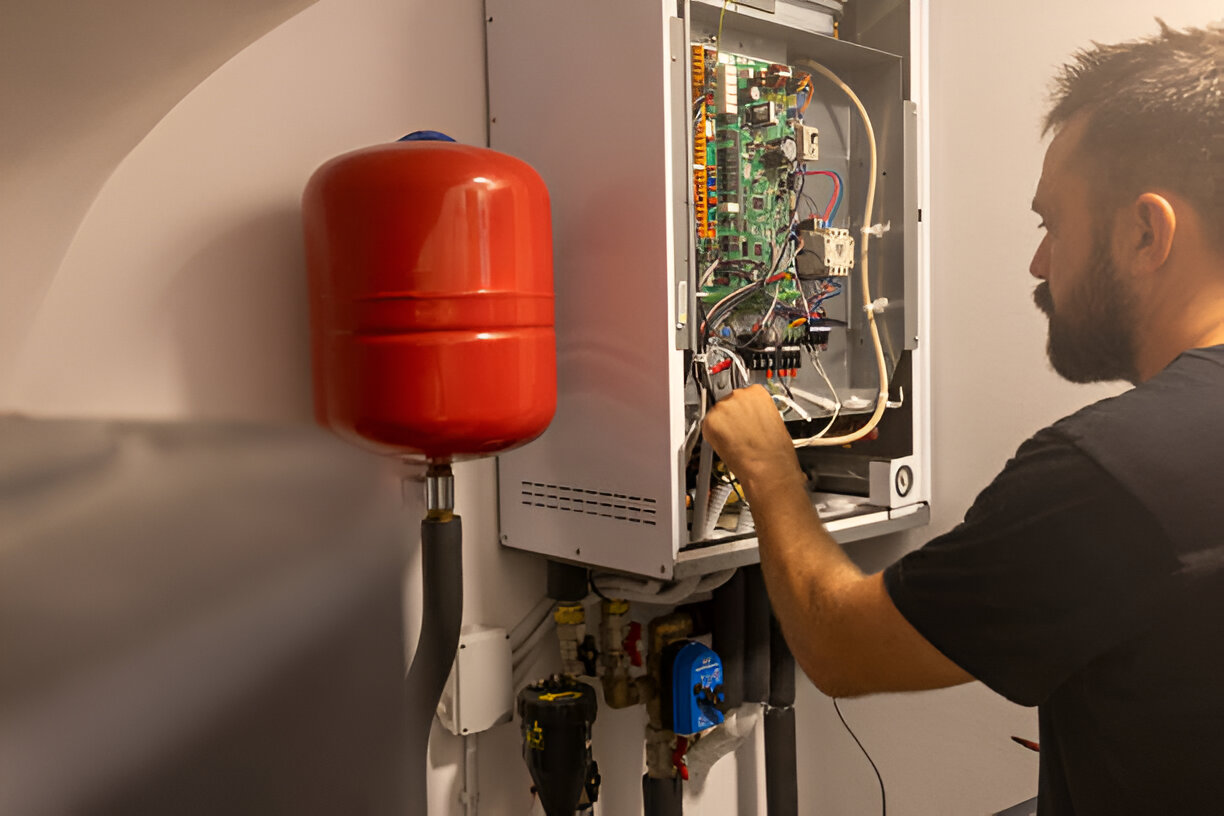
A comprehensive heating tune-up focuses on safety, reliability, and efficiency. Typical maintenance tasks include:
- Visual and operational inspection of the entire heating system and controls.
- Filter check and replacement or guidance on correct filter type and change frequency.
- Blower assembly inspection, cleaning, and lubrication where applicable to restore proper airflow.
- Electrical connection tightening and voltage checks to prevent shorts and motor failures.
- Refrigerant pressure check and leak detection for heat pumps and refrigerant-based systems.
- Coil cleaning to restore heat transfer efficiency and prevent frozen or underperforming coils.
- Condensate drain clearing and sanitizing to prevent backups, odors, and mold.
- Thermostat calibration and system performance testing to confirm setpoints and cycle times.
- Combustion analysis and carbon monoxide testing for gas-fired equipment to ensure safe combustion and proper venting.
- Inspection of outdoor unit condition for corrosion, bent fins, and debris that restrict airflow.
- Documentation of findings, recommended repairs, and any efficiency or safety concerns.
Technicians use industry tools such as refrigerant gauges, combustion analyzers, multimeters, and leak detectors, explained in plain terms so you understand the health of your system.
Maintenance plans and recommended schedules
- Heat pumps and split systems: Two visits per year are recommended—spring (cooling tune-up) and fall (heating tune-up). This ensures both heating and cooling modes run efficiently and catches seasonal issues.
- Gas furnaces and rooftop commercial units: Annual pre-winter safety and performance inspections are essential.
- Mini-splits: Annual maintenance for each indoor head and the outdoor condenser; units in dusty or coastal locations may need semi-annual checks.
- Commercial properties and high-use systems: Quarterly or biannual service can prevent downtime and maintain performance for occupants and customers.
- Filters: Check every month during heavy use; replace every 1 to 3 months depending on type, occupancy, and indoor air quality needs.Maintenance plans typically include scheduled visits, prioritized service, and a record of work performed to support warranty requirements and budgeting for future repairs or replacement.
Common repairs and signs you may need replacement instead
Common repairs discovered during maintenance:
- Refrigerant recharge plus leak repair when low charge reduces heating capacity.
- Capacitor, contactor, or motor replacements to restore starting and running reliability.
- Thermostat replacement or recalibration to correct inaccurate cycles and comfort complaints.
- Drain or condensate pump replacement when recurring backups cause water damage or microbial growth.
- Igniter, flame sensor, or burner cleaning/replacement on gas equipment.
When repair gives way to replacement:
- Repeated major failures such as compressor burnout or ongoing refrigerant leaks.
- Equipment age: many heat pumps and air handlers older than 12 to 15 years operate far less efficiently and may justify replacement.
- Frequent breakdowns with escalating repair costs that exceed the value of a newer, more efficient system.
- Safety failures such as a cracked heat exchanger in a gas furnace require replacement for occupant safety.
Practical tips to protect your heating system between service visits
- Change or check filters monthly during periods of use; a clogged filter is the most common cause of poor performance.
- Keep outdoor units clear of plants, debris, and lawn clippings; allow at least 2 feet of clearance for airflow.
- Maintain consistent programmed thermostat settings rather than large swings that cause short cycling.
- Ensure vents and returns are unobstructed and that attic or crawlspace insulation and ventilation are not restricting airflow.
- Protect outdoor electrical components from direct water intrusion after storms and report any erratic performance promptly.
ConclusionProactive heating maintenance in Pembroke Pines, FL adds reliability, improves comfort, and reduces operating costs for both residences and businesses. Regular inspections, seasonal tune-ups, and a clear maintenance schedule tailored to the local climate and system type are the most effective ways to extend equipment life and avoid emergency repairs when cooler conditions arrive.

Hear what our satisfied
clients have to say

SERVICE AREAS