


Heating Installation in Sunrise, FL

When you need a new heating system installed in Sunrise, FL, a careful, code-compliant installation tailored to local conditions makes the difference between a comfortable winter and recurring problems that cost time and money. Even in South Florida, reliable heating matters during cooler months and on chilly nights, and choosing the right system and installer helps protect indoor comfort, energy bills, and equipment life. Koolflow Air provides professional new heating system installation services in Sunrise, FL that include load calculation and proper unit sizing, selection of high-efficiency equipment, professional installation procedures, permit and code compliance, thorough post-installation testing and commissioning, and a range of financing choices to fit different budgets.
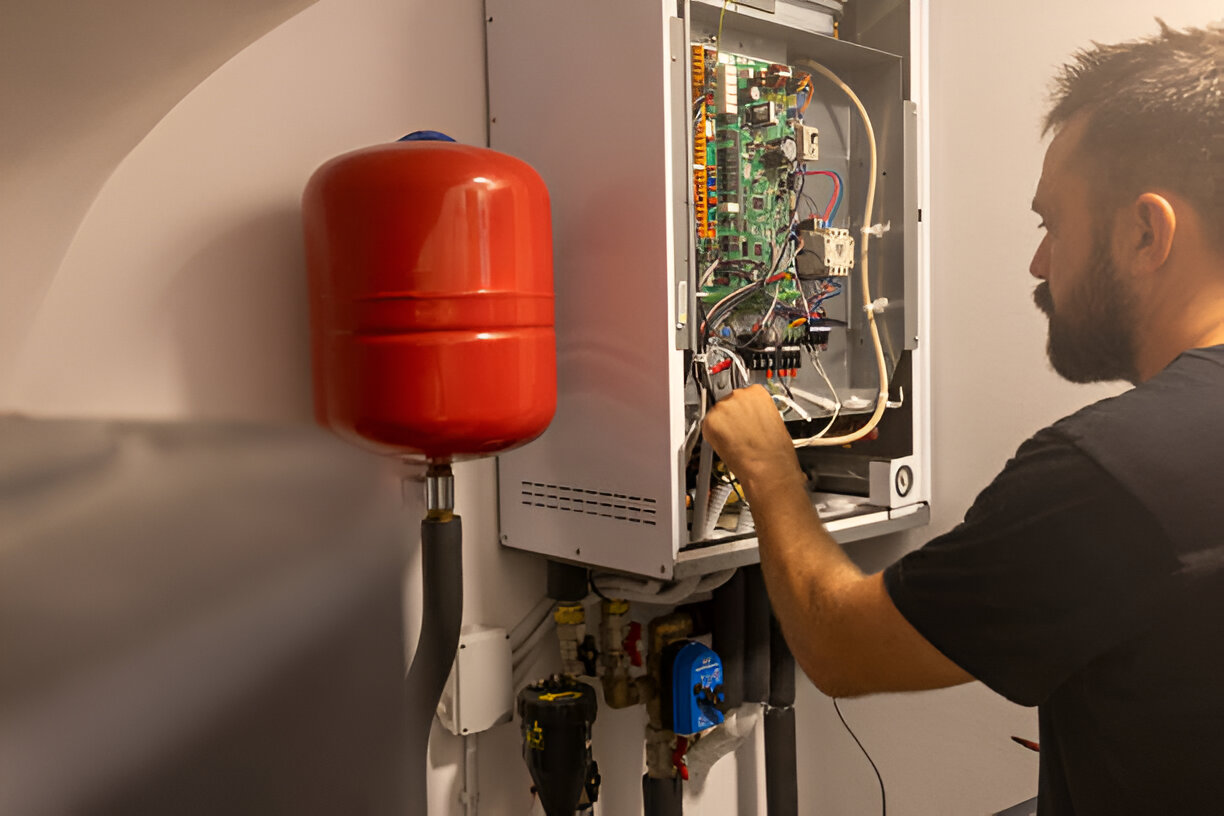
Why proper heating installation matters in Sunrise, FLSunrise homes face a unique set of conditions. Winters are mild compared with northern climates, yet cold snaps and overnight lows in the 40s or 50s create demand for dependable heating. At the same time, high humidity, coastal salt exposure, and homes designed primarily for cooling influence system selection and installation details. A heat pump or multi-split system sized and commissioned for Sunrise climate conditions can deliver year-round comfort and better efficiency than an oversized furnace or poorly matched components.
Common homeowner pain points in Sunrise, FL
- Inconsistent indoor temperatures between rooms and floors.
- High utility bills during shoulder seasons when heating and cooling overlap.
- Systems that short cycle or fail to maintain setpoint on cold nights.
- Corrosion or premature failure from coastal salt exposure.
- Confusion over system options: heat pump versus electric resistance versus dual-fuel.
Addressing these issues starts with a detailed pre-install assessment and a heating installation plan specific to your Sunrise home.
Types of heating systems commonly installed in Sunrise, FL
- Air-source heat pumps (single-stage, two-stage, or variable-speed) - Most common in South Florida due to efficiency for both heating and cooling. Modern inverter-driven heat pumps work well in mild winter conditions and provide efficient dehumidification year-round.
- Mini-split ductless heat pump systems - Ideal for room additions, sunrooms, or homes without ductwork. Offer zoned comfort and high efficiency.
- Electric resistance heating - Simple, low-first-cost option for small spaces or supplemental heat, but less efficient for whole-house use.
- Dual-fuel systems - Combine a heat pump with a gas furnace for efficiency across a wider temperature range; may be suitable where natural gas service exists.
- Hydronic systems - Less common in Sunrise but an option for specific remodeling projects or radiant floor heating in well-insulated spaces.
Selecting the right system depends on home construction, existing ductwork, fuel availability, budget, and long-term efficiency goals. Koolflow Air helps homeowners in Sunrise understand the tradeoffs and pick equipment that matches local needs.
Load calculation and proper unit sizingProper sizing is the foundation of a successful installation. Oversized or undersized equipment reduces comfort, increases energy cost, and shortens equipment life. For precise sizing, a licensed HVAC contractor should perform an ACCA Manual J load calculation. At minimum, load calculation in Sunrise includes:
- Accurate conditioned floor area and layout.
- Ceiling heights and room-by-room breakout.
- Insulation levels in walls, ceilings, and floors.
- Window types, glazing, orientation, and shading.
- Building envelope tightness and infiltration estimates.
- Internal heat gains from occupants, appliances, and lighting.
- Local climate data for Sunrise, FL including design temperatures and humidity considerations.
- Ductwork location (conditioned vs unconditioned spaces) and expected duct leakage.
The result is a clear recommendation for required heating capacity in BTU per hour, and selection guidance that uses ACCA Manual S principles to match equipment performance to the calculated load. Proper sizing avoids frequent short cycling, ensures humidity control, and improves overall efficiency.
Choosing high-efficiency systems for Sunrise homesEfficiency and equipment features to consider for Sunrise installations include:
- HSPF and SEER ratings - For heat pumps, higher HSPF (heating seasonal performance factor) improves winter efficiency. SEER remains relevant because systems operate year-round.
- Inverter-driven compressors - Variable-speed compressor technology adjusts capacity to match load, reducing cycling and improving comfort in mild Florida winters.
- Matched system components - Ensuring outdoor unit, indoor coil, and controls are matched avoids performance losses and supports warranty compliance.
- Corrosion-resistant coatings - Coastal and near-coastal homes in Sunrise benefit from protective coatings on outdoor coils and hardware to resist salt-induced corrosion.
- Thermostat compatibility - Smart and programmable thermostats that support variable-speed equipment and zoning enhance comfort and savings.
- Indoor air quality features - MERV-rated filtration, UV germicidal options, and dehumidification strategies help manage Florida humidity and airborne contaminants.
Selecting high-efficiency equipment sized to the home, and installed correctly, reduces operating costs and improves occupant comfort throughout seasonal changes.
Professional installation proceduresA professional, code-compliant heating installation follows a repeatable process to protect system performance and safety. Typical installation stages include:
Pre-install inspection and planning
- Site visit to confirm load calculation details, evaluate existing ductwork, electrical service, clearance and mounting locations, and any obstacles to installation.
- Document existing conditions and revise the installation plan as needed for structural supports, penetrations, or condensate routing.
Equipment staging and preparation
- Verify model numbers, serials, and right-hand or left-hand configurations before beginning.
- Prepare mounting pads or curb adapters, vibration isolation, and secure outdoor unit placement to minimize noise and ensure drainage.
Ductwork assessment and modifications
- Inspect existing ducts for leakage, insulation, sizing, and balance.
- Seal and insulate ducts located in unconditioned spaces.
- Modify or add return and supply runs to meet airflow requirements and maintain pressure balance.
Refrigerant circuits and electrical work
- Carefully evacuate, charge, and verify refrigerant charge per manufacturer specifications, accounting for line length and elevation.
- Properly size and install electrical disconnects, circuit protection, and grounding as required by the National Electrical Code and local amendments.
Combustion safety and venting (if applicable)
- For gas-fired equipment, ensure proper gas piping sizing, leak testing, combustion air, venting, and carbon monoxide safety devices are installed and verified.
Condensate management and drainage
- Provide reliable condensate routing and traps, with secondary safety measures where required to protect ceilings and living spaces.
Thermostat and controls setup
- Install and program thermostat settings appropriate to the equipment type, zoning needs, and homeowner preferences.
Final cleanup and documentation
- Remove debris, label service valves and switches, and provide equipment documentation and maintenance instructions to the homeowner.
Permit and code compliance in Sunrise, FLPermits and inspections protect homeowners and ensure installations meet safety and efficiency standards. Heating installations in Sunrise must comply with the Florida Building Code and local Broward County or Sunrise municipal requirements. Key compliance items include:
- Building permits for equipment replacement or significant system changes.
- Mechanical permits for HVAC installations and duct modifications.
- Electrical permits for new circuits, disconnects, or service upgrades.
- Conformance with manufacturer installation instructions to maintain warranty.
- Proper refrigerant handling by EPA-certified technicians (Section 608).
- Inspection and approval by local building officials where required.
- Documentation of load calculations, equipment specifications, and inspection results for records and potential future transactions.
Koolflow Air handles permit submission and coordinates inspections as part of the professional installation process to reduce homeowner burden and ensure legal compliance.
Post-installation testing and commissioningA thorough commissioning process confirms that the new heating system performs as intended, meets the load calculation goals, and operates safely and efficiently. Post-installation testing and commissioning steps include:
- Refrigerant charge verification using superheat/subcooling methods or manufacturer electronic charge procedures.
- Airflow testing at supply and return registers to verify target CFM and proper static pressure.
- Temperature lift and split measurements to confirm heat transfer performance.
- Electrical startup checks including amperage draw, voltage stability, and verification of proper compressor and fan operation.
- Safety control testing including high and low pressure cutouts, condensate safety pans and switches, and thermostat interlocks.
- Combustion analysis and carbon monoxide measurement for combustion appliances.
- Zoning and control verification to ensure each zone achieves setpoint and transitions correctly.
- System balancing to address uneven airflow or temperature differences.
- Owner walkthrough with explanation of controls, maintenance items, and warranty registration documents.
Documenting commissioning data provides a baseline for future maintenance and verifies that the system will deliver the expected comfort and efficiency in Sunrise climate conditions.
Common heating installation issues and how we prevent them
- Oversized equipment - Prevented by performing a Manual J load calculation and using variable-speed equipment when appropriate.
- Poor airflow and duct design - Avoided through duct inspection, sealing, and right-sizing returns and supplies.
- Incorrect refrigerant charge - Eliminated by charging to manufacturer specifications and testing under operating conditions.
- Improper electrical sizing or connections - Addressed by licensed electricians and verification of electrical loads and protection.
- Inadequate condensate handling - Solved with properly sized drain lines, traps, and overflow protection.
- Lack of permit and inspection - Managed by pulling required permits and coordinating inspections with local authorities.
Addressing these problems at installation reduces callbacks, improves efficiency, and extends equipment lifespan.
Financing choices and long-term valueNew heating system installation is a long-term investment in home comfort and energy savings. Many homeowners in Sunrise, FL finance a new system to spread cost and prioritize efficiency. Common financing options include:
- Manufacturer financing programs that offer low interest or promotional terms for qualifying applicants.
- Local bank or credit union HVAC loans with fixed rates and defined repayment terms.
- Home improvement loans that consolidate equipment investment into longer-term financing.
- Property Assessed Clean Energy (PACE) style programs where available, which can finance energy-efficient upgrades through property tax assessments.
- Utility rebates and incentives that reduce upfront cost for qualifying high-efficiency equipment.
- Tax credits or incentive programs that may apply to specific efficiency upgrades.
- Energy savings estimates that show expected payback periods when comparing equipment choices.
When evaluating options, consider total life cycle cost, efficiency ratings, expected annual energy savings, and local incentives. Financing enables selecting higher-efficiency equipment that lowers operating cost and increases home value over time.
Maintenance and best practices after installationA correctly installed heating system still needs routine care to maintain performance. Recommended maintenance for Sunrise homes includes:
- Annual tune-up and inspection before the heating season to verify refrigerant levels, electrical connections, and airflow.
- Regular air filter replacement every 1 to 3 months depending on filter type and household conditions.
- Duct sealing and periodic cleaning to prevent dust and maintain airflow.
- Monitoring for corrosion or salt buildup on outdoor coils in coastal or near-coastal homes; rinse and treat as needed.
- Checking condensate drains for clogs and ensuring proper drainage.
- Programming thermostats for setback schedules and energy-efficient operation while away.
- Keeping outdoor unit clear of debris, vegetation, and items that restrict airflow.
- Keeping documentation, including load calculation, commissioning data, and warranty registration, in a safe place for future service or sale.
Regular maintenance preserves efficiency, prevents unexpected failures, and helps maintain warranty coverage.
Why thorough installation increases long-term comfort and savingsA professional installation that follows industry best practices and local codes delivers multiple long-term benefits:
- Improved comfort with stable indoor temperature and humidity control.
- Lower energy bills through right-sized, high-efficiency equipment and proper airflow.
- Fewer repairs and longer equipment life resulting from correct refrigerant charge, balanced airflow, and sealed ducts.
- Better indoor air quality when filtration and humidity control are integrated.
- Warranty protection when manufacturer guidelines and permitting requirements are followed.
- Increased home value through documented performance and modern equipment.
Koolflow Air brings 20 years of industry experience and a family-owned approach to ensure Sunrise homeowners receive carefully planned and executed heating installations that perform in the local climate.
Local considerations for Sunrise, FL that affect installation choices
- Mild winters mean heat pump technology often provides the most efficient year-round solution, reducing the need for separate heating appliances.
- High humidity and variable shoulder-season conditions make dehumidification and corrosion protection important factors in equipment selection.
- Many Sunrise neighborhoods have homes with ductwork located in attics or unconditioned spaces; duct insulation and sealing are essential to maintain efficiency.
- Electrical capacity and service panels in older homes may require upgrades to handle modern variable-speed equipment safely.
- Local building code and permit timelines influence project scheduling; planning for permit approval reduces surprises during installation.
Factoring these local conditions into system selection and installation practices yields better outcomes for Sunrise households.
Paperwork, warranties, and long-term recordsProfessional installations include documentation that protects homeowners. Typical documents provided at project completion include:
- Load calculation report and equipment sizing rationale.
- Manufacturer warranty registration and equipment serial numbers.
- Commissioning checklist with measured performance values.
- Permits, inspection approvals, and certificates as required by local authorities.
- Maintenance recommendations and service intervals tailored to the installed equipment and Sunrise climate.
Maintaining these records is valuable for warranty claims, future service, and when selling the property.
FAQs
Q: How does Koolflow Air determine the right heating capacity for my Sunrise home?
A: We perform a Manual J load calculation that accounts for square footage, insulation, window area, occupancy, duct configuration, and Sunrise climate data to recommend properly sized equipment that avoids oversizing or undersizing.
Q: Is a heat pump the best option for Sunrise, FL?
A: In most Sunrise homes a modern air-source heat pump provides the best combination of heating efficiency and year-round cooling, but the final recommendation depends on your home layout, existing ductwork, fuel availability, and comfort priorities.
Q: Will my installation need a permit and inspection?
A: Yes. Heating installations typically require mechanical and possibly electrical permits and inspections to comply with the Florida Building Code and local Sunrise or Broward County requirements. We handle permit submission and coordination.
Q: How long does a typical heating installation take?
A: Installation times vary by system type and complexity. A straightforward replacement may be completed in a day or two. New system installations that involve duct modifications, electrical upgrades, or permitting can take longer. We provide a project timeline during planning.
Q: What financing options are available for a new heating system?
A: Financing options include manufacturer programs, local lender loans, home improvement loans, and utility rebates where available. We discuss financing alternatives and provide information to help homeowners compare terms and expected energy savings.
Q: What maintenance does a new heating system need in Sunrise?
A: Annual tune-ups, quarterly or monthly filter changes depending on filter type, periodic duct sealing and inspection, condensate drain checks, and keeping outdoor units clear of debris are standard maintenance items to preserve efficiency and performance.
Q: Does the coastal environment in Sunrise affect my equipment choice?
A: Yes. Coastal and near-coastal locations benefit from corrosion-resistant coatings, appropriate unit placement, and proactive maintenance to reduce salt exposure. These considerations are included in our recommendations for Sunrise homes.
Q: How do you verify the system is operating correctly after installation?
A: We commission each system with refrigerant charge verification, airflow and temperature measurements, electrical checks, safety control testing, and a documented commissioning report that we provide to the homeowner.
Q: Will installing a higher-efficiency system lower my energy bills in Sunrise?
A: Properly sized high-efficiency systems generally reduce energy consumption and operating cost compared with older, less efficient units. Savings depend on system efficiency, home envelope, thermostat settings, and local energy rates.
Q: What should homeowners expect in terms of warranties and documentation?
A: Homeowners receive equipment warranty registrations, the commissioning checklist, proof of permits and inspections, and recommended maintenance schedules. Keeping these records helps with future service and protects warranty coverage.
Final considerationsA successful heating installation in Sunrise, FL starts with a site-specific load calculation and finishes with thorough commissioning, code compliance, and documented maintenance guidance. Attention to local climate, coastal exposure, and home-specific factors ensures the new system delivers predictable comfort, efficient operation, and long-term reliability. Koolflow Air applies proven installation practices and local knowledge to design and install heating systems that perform in Sunrise conditions while keeping your home comfortable and energy conscious.


Hear what our satisfied
clients have to say

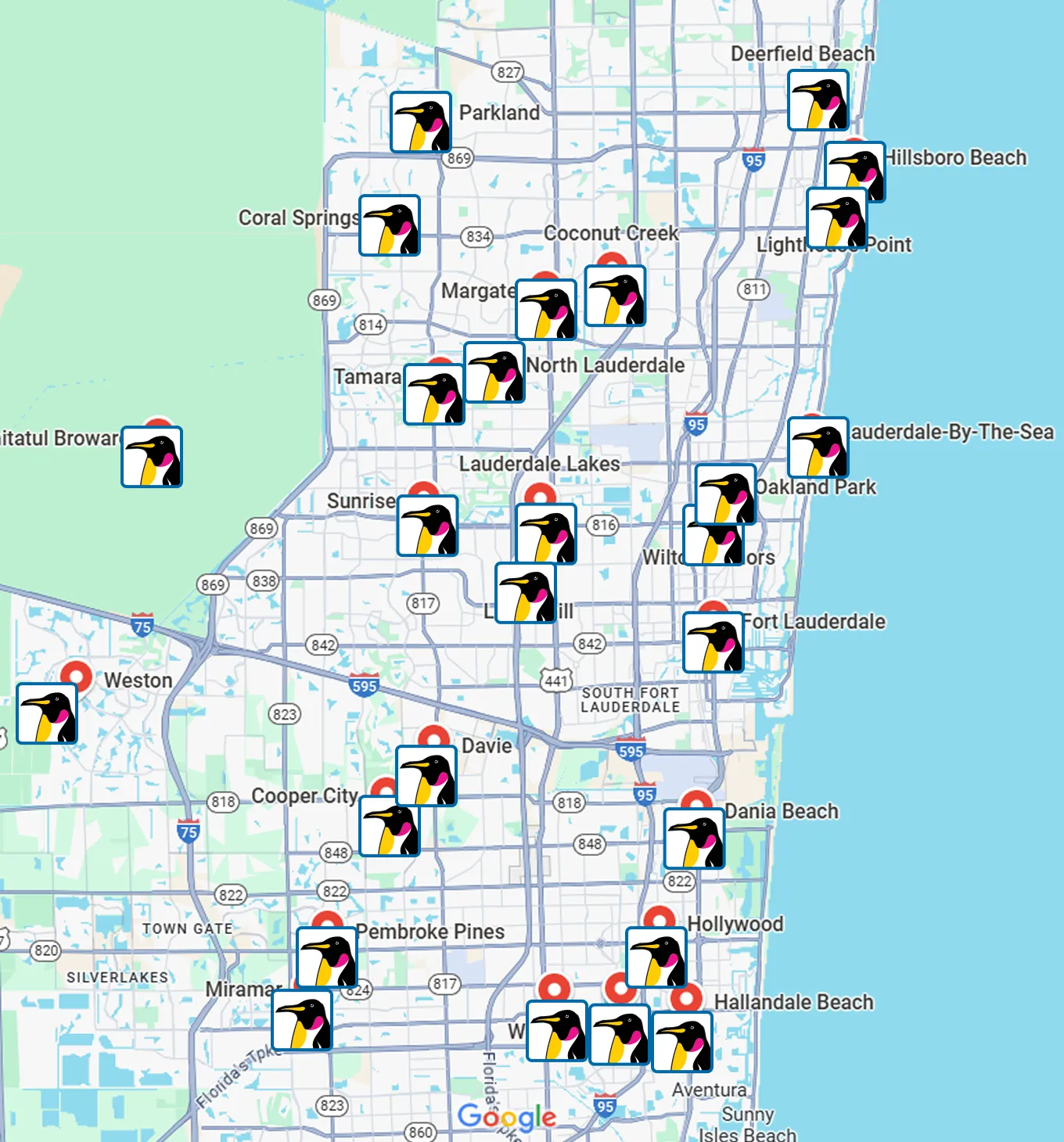
SERVICE AREAS