


Heating Repair in Sunrise, FL

When your heating system underperforms or stops working, comfort and safety in your Sunrise, FL home can be affected even during mild winters and sudden cold snaps. Koolflow Air provides professional heating repair in Sunrise, FL that focuses on fast diagnostics, reliable fixes, and clear information so you can make the right decision for your household. Discover how the types of heating systems common in Sunrise homes, the typical problems we diagnose, the repair process you can expect, emergency response availability, parts and warranty considerations, estimated timelines, and how to schedule a repair.
.jpeg)
Why heating repair matters in Sunrise, FLSunrise is in South Florida where heating usage is limited compared with northern climates, but reliable heating still matters for several reasons:
- Occasional cold fronts and overnight temperature drops can expose older or marginal systems, leaving vulnerable occupants uncomfortable or at risk.
- Many local homes use heat pumps that serve both cooling and heating roles; when the heating mode fails, it often signals an issue that also affects year-round comfort and energy efficiency.
- Coastal humidity and salt air can accelerate wear on exterior components, making timely repairs important to avoid more extensive damage.
- Mechanical failures that are ignored can shorten equipment life and increase utility costs when the system runs inefficiently.
Koolflow Air applies local experience so heating repair in Sunrise, FL addresses climate factors, system types in the area, and occupant comfort needs while minimizing disruption.
Common heating systems you will find in Sunrise homesUnderstanding the type of equipment in your home helps clarify likely problems and repair approaches. In Sunrise and neighboring communities, the most common systems include:
- Heat pumps (air-source): Widely used because they provide both cooling and heating. Common brands and configurations include split systems and packaged units.
- Mini-split systems: Ductless heat pumps used in additions, condos, or homes without ductwork.
- Gas-fired furnaces: Less common in South Florida but present in some newer or renovated homes.
- Electric furnaces and electric-resistance heat strips: Often part of heat pump systems as supplemental heat.
- Hybrid systems: A combination of heat pump and gas furnace for efficiency across seasons.
Common heating problems in Sunrise, FL homesBelow are the issues technicians most often see during heating repair calls in Sunrise:
- No heat at all: Could be caused by thermostat settings, power issues, failed controls, or refrigerant problems in heat pumps.
- Weak or inconsistent airflow: Blocked filters, failing blower motors, duct leaks, or stuck vents reduce heat delivery.
- Short cycling: System turns on and off frequently, indicating thermostat issues, refrigerant imbalance, or safety limits being tripped.
- Unusual noises: Rattles, squeals, or bangs can point to loose components, failing motors, or compressor problems.
- Heat pump reversing valve failure: Heat pumps may stay in cooling or heating mode if the valve or control fails.
- Defrost cycle failure: In heating mode, heat pumps should defrost; a malfunctioning defrost control or sensor can reduce heat output.
- Ignition or pilot problems in gas furnaces: Intermittent ignition, gas valve failures, or blocked vents can prevent reliable operation.
- Corrosion and degraded outdoor components: Coastal exposure accelerates wear on coils, contactors, and electrical connections.
- High energy use and poor performance: Often caused by low refrigerant, failing components, or poor airflow.
Diagnostic procedures we useKoolflow Air follows systematic diagnostics so the repair is accurate and cost-effective. Our approach focuses on identifying root causes rather than chasing symptoms.
- Initial triage: Confirm the reported problem, check thermostat settings, and verify power to the system at the breaker and disconnects.
- Visual inspection: Evaluate indoor and outdoor units for obvious damage, corrosion, leaks, or disconnected components.
- Filter and airflow check: Inspect and test airflow, return vents, and ductwork for restrictions or damage.
- Electrical evaluation: Test fuses, breakers, relays, capacitors, and motor current draw to detect failing electrical components.
- Refrigerant assessment: For heat pumps, check refrigerant charge and look for signs of leaks using approved leak detection tools.
- Mechanical checks: Inspect compressors, reversing valves, motors, belts (if present), and blower assemblies for wear or failure.
- Heat exchange and combustion safety: For fuel-burning systems, perform combustion analysis, inspect heat exchanger integrity, and check venting to ensure safe operation.
- Control and sensor testing: Verify thermostats, sensors, and control boards for correct signals and operation.
- System performance measurement: Measure supply and return temperatures, pressure, and run-times to confirm the system meets manufacturer performance expectations.
Diagnosing heating problems in Sunrise homes also includes considering external conditions such as outdoor temperature, humidity, and recent storms that might have affected the unit.
Repair options and what they meanAfter diagnosis, a technician will explain the repair options, each with their implications for reliability and cost. Typical repairs include:
- Simple component replacement: Replacing worn parts like filters, capacitors, contactors, belts, or relays often restores normal operation quickly.
- Refrigerant repairs: Locating and repairing leaks and recharging to manufacturer specifications. Because refrigerant loss is a symptom of a leak, repairing the leak is a priority before recharging.
- Motor and blower repairs: Replacing or rebuilding blower motors, bearings, or assemblies to restore airflow and efficiency.
- Ignition and gas valve repairs: Replacing failing gas valves, igniters, or flame sensors for safe, reliable ignition in gas systems.
- Reversing valve or defrost system repairs: Fixing heat pump-specific components to restore heating performance in colder conditions.
- Control board and thermostat updates: Replacing damaged controls or upgrading thermostats for better accuracy and diagnostic data.
- Coil and condensate line service: Cleaning or replacing corroded coils and servicing condensate lines to prevent moisture-related failures.
- Major component replacement: When compressors or heat exchangers fail, replacement of the component or entire system may be recommended depending on age and cost-effectiveness.
Parts replacement and parts selectionParts selection matters for reliability and warranty coverage. Koolflow Air uses a mix of options depending on the customer’s needs and manufacturer recommendations:
- Manufacturer OEM parts: Offer compatibility and often preserve the original system warranty; preferred for critical components when available.
- High-quality aftermarket parts: Used when OEM parts are unavailable; selected for reliability and performance compatibility.
- New unit components: In cases where the system is obsolete or repeatedly failing, replacing major assemblies or the entire unit may provide better long-term value.
All replacement parts should be documented with model and serial numbers so warranty claims and future service are straightforward.
Estimated timelines for heating repairTimelines vary by the nature of the problem and parts availability. Typical timeframes we observe in Sunrise, FL:
- Diagnostic visit: Most diagnostics take between 30 and 90 minutes depending on system complexity and accessibility.
- Minor repairs on-site: Simple fixes such as filter replacement, electrical repairs, or thermostat recalibration can often be completed during the initial visit.
- Parts-replacement repairs: If a standard replacement part is carried on the truck, repairs are frequently completed the same day. If a part needs to be ordered, typical lead times depend on availability and manufacturer shipping; many common parts are available within 1 to a few business days.
- Major component replacement or system replacement: Scheduling and installing larger components or full-system replacements may take several days to a few weeks, factoring in permitting, equipment lead times, and coordinating installation crews.
- Emergency situations: For safety-critical failures or no-heat emergencies, priority dispatch procedures aim to restore safe operation as quickly as possible, with temporary measures applied if full repairs require parts or additional time.
Pricing approach and what influences costInstead of quoting flat prices without context, heating repair pricing is influenced by several transparent factors:
- Nature of the problem: Simple adjustments and component swaps cost less than major mechanical or refrigerant system repairs.
- Parts required: OEM parts, specialty components, and discontinued items can affect final cost.
- Labor required: Repairs that are completed in an hour differ from those that need multiple technicians and extended work time.
- Accessibility and complexity: Units in tight attic or closet spaces, or complex duct systems, can increase labor time.
- Safety and code requirements: Gas system work, combustion testing, or permitting may add required steps and documentation.
When repair work is recommended, technicians provide an itemized explanation of the required parts and labor so you understand how the cost is allocated. For larger projects or replacements, multiple options and the projected long-term value of repair versus replace are reviewed.
Emergency 24/7 heating repair response in SunriseKoolflow Air provides emergency heating repair services 24 hours a day, 7 days a week for safety-related failures and no-heat situations. Emergency response includes:
- Rapid triage: A trained dispatcher gathers information about symptoms and potential safety concerns so an appropriate technician and equipment are dispatched.
- Safety-first protocols: For gas leaks, electrical hazards, or suspected carbon monoxide issues, technicians follow strict safety procedures to secure the property before proceeding with repair.
- Temporary measures: If full repair requires parts or replacement, temporary safe measures may be implemented to restore minimal heating until permanent fixes are completed.
- Follow-up service: Emergency visits are documented and followed by recommended permanent repairs or scheduled return visits for more extensive work.
Safety inspections for combustion systems and CO risk are prioritized during emergency calls, particularly for homes with occupants who are elderly, young children, or have health conditions.
What to expect during a service visitA professional heating repair visit in Sunrise typically follows a predictable flow so homeowners know what to expect:
- Arrival window and identification: Technicians arrive within the scheduled window and present credentials.
- Initial assessment and explanation: A clear description of the findings, potential causes, and recommended next steps is provided before work begins.
- Written or verbal estimate: For repairs that require parts or extended labor, an estimate is provided outlining parts and labor and expected timelines.
- Repair and verification: After repairs, system operation is tested across modes to ensure correct performance and safety.
- Documentation: Technicians leave a work order or report describing repairs performed, parts installed, and recommended next steps or maintenance.
- Warranty information: Any part or labor warranties are documented so homeowners have the necessary information for future claims.
Warranty coverage and repair guaranteesWarranty coverage is a critical part of repair work. Typical warranty structure includes:
- Manufacturer parts warranties: Many parts carry manufacturer warranties that vary by part and manufacturer; retaining receipts and part numbers facilitates warranty claims.
- Service warranty for labor: Koolflow Air provides a limited labor warranty on repairs performed. Documentation of the specific labor warranty, its duration, and exclusions is provided at the time of service.
- Extended warranty options: In some cases, extended parts or labor coverage may be available through manufacturers or third-party programs; these are explained when relevant.
Warranty claims often require proof of regular maintenance, so keeping service records and following recommended maintenance schedules helps protect warranty eligibility.
Maintenance recommendations to prevent future heating repairsPreventive maintenance is the most effective way to extend equipment life and reduce emergency repair frequency. Recommended practices for Sunrise homes include:
- Seasonal tune-ups: Annual or biannual inspections and cleaning before the heating or cooling seasons help identify minor issues early.
- Regular filter changes: Replace filters on recommended schedules to preserve airflow and reduce system strain.
- Clear outdoor unit area: Keep outdoor units free of debris, vegetation, and clutter to ensure proper airflow and reduce corrosion risk.
- Check condensate lines: Ensure drain lines are clear and condensation can discharge properly to prevent water damage and microbial growth.
- Monitor system performance: Note any changes in operation, noises, or efficiency and schedule inspections if performance drops.
When to repair versus replaceDeciding between repair and replacement depends on:
- Age of the system: Older systems are more likely to have multiple failing components; repeated repairs can be less cost-effective than replacement.
- Cost of the repair relative to replacement: If repair costs approach or exceed the value of a new, more efficient system, replacement is often the better long-term choice.
- Energy performance gains: New equipment may significantly lower energy use and improve comfort compared with an inefficient existing unit.
- Reliability needs: For homes where dependable heating is essential, replacement can provide peace of mind and modern controls.
Technicians will provide an objective assessment comparing repair costs, expected remaining life, and efficiency implications to support an informed decision.
How scheduling and service coordination typically workScheduling a heating repair in Sunrise generally follows these standard steps:
- Triage and appointment setting: A short intake captures the symptom profile and any safety concerns so an appropriately equipped technician is assigned.
- Appointment confirmation: You receive an appointment window and information on what to expect during the visit.
- Technician visit and diagnostics: The technician performs a full diagnostic and presents repair options with timelines and documentation.
- Authorization and scheduling for parts or longer repairs: For repairs requiring parts or scheduled replacements, the work is scheduled at a mutually convenient time and documented.
- Post-service documentation: After work is completed, you receive details on what was repaired, parts used, and any warranty information.
This process is designed to be transparent and to minimize the time your household is without reliable heating.
Common questions and decision points we help withDuring repairs, homeowners often ask about:
- Safety concerns for gas systems and CO: Safety checks and combustion testing are standard on all gas-fired equipment.
- Energy impacts: Technicians explain how a failing part or low refrigerant affects efficiency and what upgrades can yield savings.
- Parts authenticity and longevity: We explain OEM versus aftermarket options and their trade-offs.
- Preventive maintenance schedules: Clear guidance is provided so maintenance aligns with equipment needs and local climate realities.
Q: How quickly can a technician diagnose a heating problem?
A: Most diagnostics are completed within 30 to 90 minutes, depending on system complexity and the need to access hard-to-reach components.
Q: Do heat pumps need repair in Sunrise, FL given the warm climate?
A: Yes. Heat pumps operate year-round in Sunrise and can develop issues such as reversing valve failures, refrigerant leaks, defrost control problems, or blower issues that affect both heating and cooling performance.
Q: Are manufacturer warranties affected by repair parts selection?
A: Using OEM parts typically helps maintain manufacturer warranty coverage. If aftermarket parts are used, warranty implications vary by manufacturer and should be documented before installation.
Q: What should I do if I suspect a gas leak or carbon monoxide problem?
A: Leave the property if you suspect a gas leak or carbon monoxide issue, follow local safety guidance, and ensure trained technicians perform combustion and ventilation safety checks before resuming operation.
Q: How can I reduce the need for emergency heating repairs?
A: Regular maintenance, timely filter changes, keeping outdoor units clear of debris, and scheduling seasonal tune-ups reduce emergency repair frequency and extend equipment life.
Q: Will a technician provide documentation after repairs?
A: Yes. Standard practice includes a written or electronic report detailing diagnosis, repairs performed, parts installed, and any warranty information.
Koolflow Air experience and local perspectiveKoolflow Air brings a combination of hands-on experience and local knowledge to every heating repair in Sunrise, FL. Understanding how South Florida climate, humidity, and coastal conditions affect HVAC equipment informs repairs that are durable and appropriate for local homes. Service records and maintenance histories are used to inform long-term recommendations to optimize comfort, safety, and efficiency.
Final notes on reliability and informed decisionsHeating repair in Sunrise, FL requires attention to safety, clear diagnostics, and practical recommendations. Whether the issue is a heat pump defrost failure, weakened airflow, ignition problems, or a failing compressor, the goal is to restore reliable operation with transparency about timelines, parts, and warranty coverage. Professional diagnostics and well-documented repairs reduce the chance of repeat failures and help homeowners make cost-effective decisions about repair or replacement.

Hear what our satisfied
clients have to say

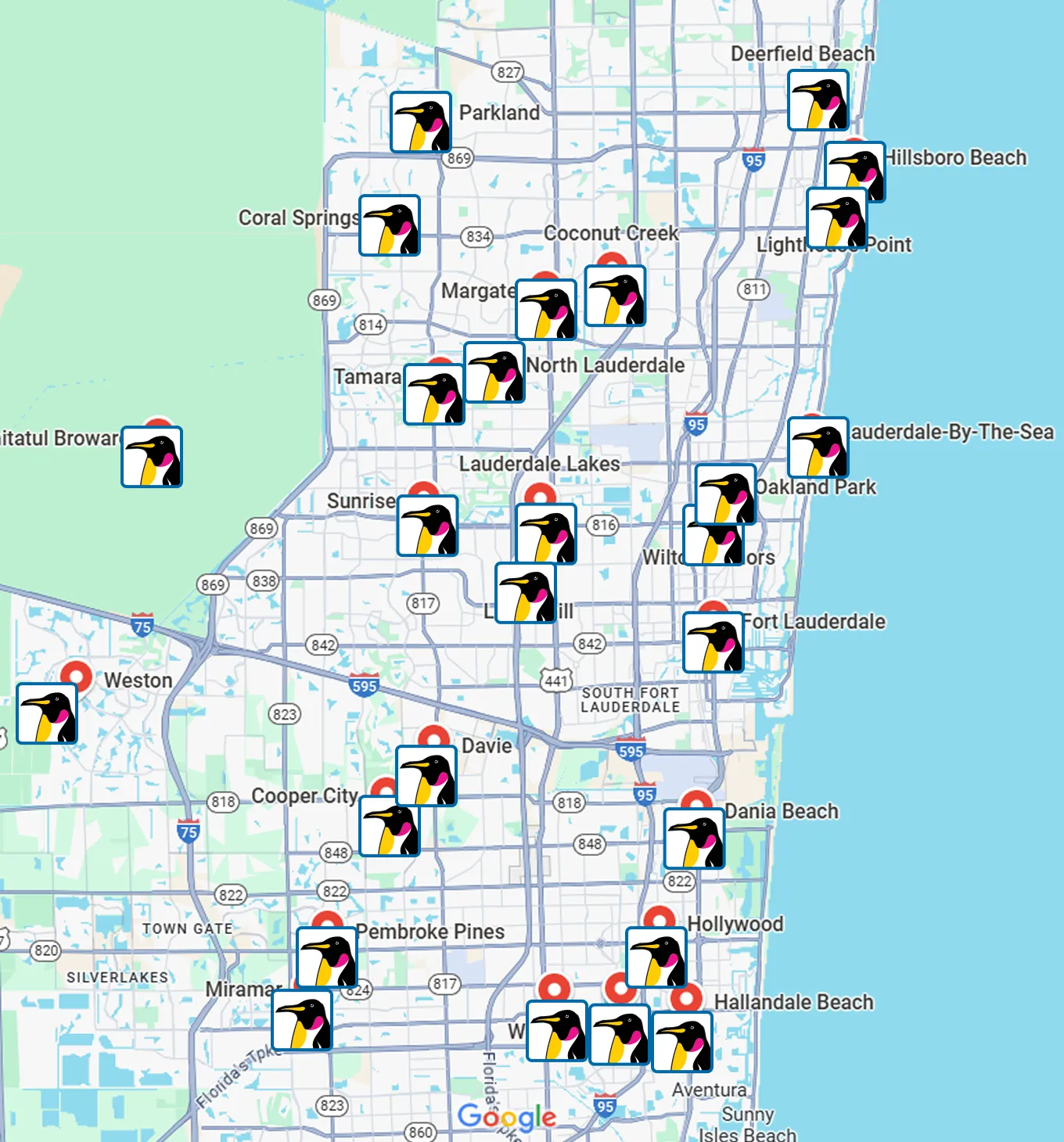
SERVICE AREAS