


Heating Installation in Tamarac, FL

When you are ready to replace an aging heater or install a new heating system, a well-executed heating installation in Tamarac, FL means comfortable, reliable warmth when you need it most and better overall HVAC performance year round. Koolflow Air Describes the full new heating system installation process so you know what to expect: from the initial site evaluation and accurate system sizing to ductwork and ventilation adjustments, permit handling, safety checks, startup testing and commissioning, and the manufacturer warranties and financing options available in our area.
Why a professional heating installation matters in Tamarac, FL
Tamarac and the surrounding Broward County region are known for hot, humid summers and generally mild winters. That climate influences the way heating systems should be selected and installed. Although heating runs fewer months than cooling, the right system improves indoor air quality, controls humidity, and reduces strain on your overall HVAC split system. Improper sizing, poor ductwork, or substandard installation can lead to inadequate winter comfort, higher energy use during shoulder seasons, and voided warranties. A professional installation ensures safety, code compliance, and long term performance for your home.
Common heating needs and problems in Tamarac homes
- Intermittent heating comfort during cooler nights, especially in older homes with poor insulation.
- Excess humidity combined with lower indoor temperatures that cause clammy or stuffy conditions.
- Uneven heating caused by undersized or leaky ductwork.
- Corrosion and component exposure in coastal and salt air environments.
- Systems that run inefficiently because of improper sizing or lack of modern controls.
- Older furnaces, heat pumps, or packaged units reaching end of life and needing replacement.
Understanding these challenges helps select the most appropriate system and scope of work during a heating installation in Tamarac, FL.
Types of heating systems commonly installed in Tamarac
- Heat pumps (air source and high-efficiency models): Best fit for South Florida where heating demand is moderate. Modern heat pumps provide efficient heating and cooling in one package and are especially effective when paired with proper ductwork and airflow.
- Mini-split heat pumps: Ideal for room additions, older homes without ductwork, or targeted comfort zones. These reduce the need for invasive ductwork retrofits.
- Electric resistance heaters or electric furnace coils: Used as supplemental heat in systems or in locations without gas. They are simple but less efficient for sustained heating.
- Packaged rooftop units: Typical for multi-family or commercial buildings in the region. Combine heating and cooling in one outdoor unit.
- Hybrid systems: Combine a heat pump with a gas furnace in some areas where homeowners prefer a fossil fuel backup during cold snaps. In Tamarac, heat pumps are most common due to the mild winters and electrical infrastructure.
Choosing the right system depends on your home layout, insulation, budget, existing ductwork, and long-term energy goals.
Site evaluation and accurate system sizing
A successful heating installation starts with a detailed site evaluation. Koolflow Air technicians perform a load calculation to determine the correct system capacity rather than relying on rule-of-thumb sizing. Proper sizing considers:
- Square footage and ceiling heights.
- Building envelope quality: insulation levels, window types and orientation.
- Air infiltration levels and attic ventilation.
- Number of occupants and heat-generating appliances.
- Local climate patterns and exposure to coastal conditions.
An accurately sized system runs more efficiently, cycles less, and provides more consistent temperature and humidity control. Oversizing can lead to short cycling and poor dehumidification, while undersizing results in inadequate comfort and increased runtime.
Ductwork and ventilation considerations
Ductwork condition is a critical factor in new heating installations. Many heating performance issues in Tamarac trace back to leaky, undersized, or poorly insulated ducts. A professional installation evaluates:
- Duct leakage and the need for sealing with UL-approved materials.
- Duct sizing and airflow balance for each room based on calculated cubic feet per minute (CFM) targets.
- Accessibility for repairs and insulation, especially in attics and crawlspaces typical to South Florida homes.
- Vent placement and return air pathways to avoid pressure imbalances and ensure even airflow.
- Compatibility with new equipment, including static pressure requirements for variable-speed blowers.
Where ducts are compromised, options include duct repair and sealing, adding supply or return runs, installing a new trunk-and-branch system, or switching to ductless mini-splits for problem rooms.
Professional installation process: what to expect
A heating installation in Tamarac, FL typically follows a structured process to ensure safety and long-term reliability. The major steps include:
Pre-install inspection and site prep
- Confirm load calculation and final system selection.
- Inspect existing equipment, ductwork, and electrical capacity.
- Identify any structural concerns, access points, or special requirements for rooftops, patios, or tight mechanical closets.
Removal of old equipment
- Safe disconnect and proper disposal of old systems per local codes.
- Recover refrigerant following EPA regulations when applicable.
- Clean and prepare the installation area for new equipment.
Equipment placement and mounting
- Position outdoor condensing units for airflow and corrosion protection (consider elevated pads in flood-prone areas).
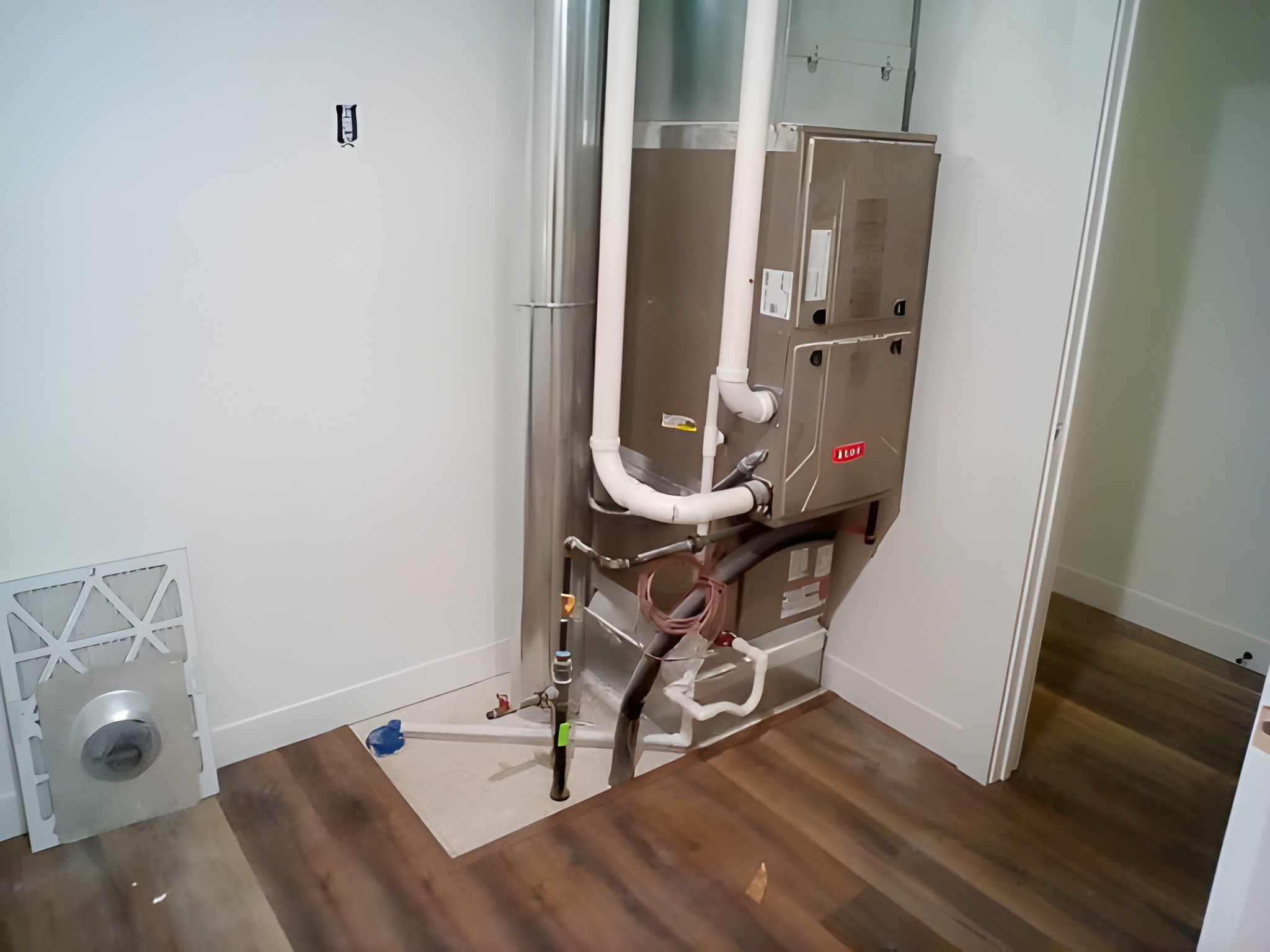
- Install indoor units with correct clearances and service access.
- Securely mount line sets, electrical connections, and condensate drainage.
Ductwork modifications and balancing
- Repair, seal, or replace duct sections as required.
- Install new plenums or transition pieces to match the new equipment.
- Perform initial airflow balancing and register adjustment.
Electrical and control wiring
- Verify adequate electrical service and circuit protection.
- Install thermostats and controls, including zoning devices if applicable.
- Configure system settings for efficient operation and occupant comfort.
Refrigerant charging and system commissioning
- Proper refrigerant charge and leak testing.
- Verify pressures, superheat, and subcooling within manufacturer specifications.
- Conduct safety and operational checks.
Each of these steps includes documented safety checks to protect your home and ensure the system operates within manufacturer and code requirements.
Permit handling and code compliance in Tamarac
Heating system installations in Tamarac require adherence to Florida Building Code and local Broward County permitting rules. Required permits and inspections protect homeowners by ensuring installations meet structural, electrical, and mechanical safety standards. Professional installers typically manage this process on your behalf, including:
- Pulling the necessary mechanical and electrical permits.
- Scheduling inspections with the City of Tamarac or Broward County building department.
- Documenting compliance with code sections that cover ventilation, combustion air (if applicable), and equipment clearances.
- Submitting engineering or product data where required.
Working with a contractor who handles permit filing and inspection coordination reduces the risk of failed inspections, delays, or future resale complications.
Safety checks and best practices
Safety is a core component of any heating installation. Technicians carry out multiple checks to protect occupants and property:
- Electrical safety: Verify correct breaker sizing, proper grounding, and secure wiring.
- Combustion safety for fossil fuel equipment: Test flue draft, check for proper venting, and measure carbon monoxide levels where applicable.
- Condensate management: Ensure proper drain routing and traps to prevent backflow and microbial growth.
- Refrigerant safety: Leak testing and compliance with environmental handling standards.
- Structural and clearance safety: Confirm that outdoor units, furnace cabinets, and rooftop equipment meet manufacturer clearance and support requirements.
These checks are documented during commissioning so homeowners have a clear record of safety verification.
Startup testing and commissioning
Commissioning validates that the new heating system performs as intended in real-world conditions. The startup process includes:
- Running the system through multiple operating modes (heat, fan, part load).
- Measuring airflow and static pressures to ensure balanced distribution.
- Verifying thermostat calibration and control logic for zoning or scheduling.
- Checking temperature rise across heat exchangers or coil performance to meet manufacturer specifications.
- Observing system behavior over a burn-in period to detect any vibration, unusual noise, or cycling issues.
A properly commissioned system delivers predictable comfort, quieter operation, and optimal energy use. Commissioning documentation provides a baseline for future maintenance and warranty compliance.
Manufacturer warranties and keeping coverage valid
Most modern heating systems include manufacturer warranties that cover key components for a defined period. Typical warranty elements include:
- Limited parts warranty: Often covers major components for 5 to 10 years when registered.
- Extended warranties: May be available for compressors, heat exchangers, or other core parts with additional registration or professional maintenance requirements.
- Conditional clauses: Warranties can require factory registration, documented professional installation, and regular maintenance to remain valid.
Koolflow Air recommends that homeowners register new equipment with the manufacturer and keep service records for annual maintenance. Regular preventive service not only preserves comfort and efficiency but also satisfies warranty conditions that may otherwise be voided.
Financing and budgeting for a new heating installation
Investing in a new heating system is a long-term decision. Financing options can make higher-efficiency equipment more accessible without sacrificing quality. Common financing considerations include:
- Flexible payment plans that spread the initial investment over time.
- Incentives for high-efficiency equipment that lower operating costs and can offset upfront costs over the life of the system.
- Evaluating life cycle cost rather than upfront price to choose equipment that reduces monthly energy bills.
- Considering the value of improved comfort, reduced repair frequency, and potential home resale benefits when comparing options.
Koolflow Air works with homeowners to present financing choices and equipment options so you can select the install that aligns with your budget and performance goals.
Post-installation maintenance and performance tips
After installation, routine maintenance keeps your system running smoothly and extends service life. Recommended practices for Tamarac homeowners:
- Schedule annual professional tune-ups for heating and cooling components to verify efficiency and detect wear.
- Change or clean air filters regularly, with frequency adjusted for occupancy and pet levels.
- Keep outdoor units clear of vegetation and debris to prevent airflow restriction and corrosion.
- Ensure attic and duct insulation remain intact, especially in older homes where thermal losses reduce system efficiency.
- Use programmable or smart thermostats to reduce unnecessary runtime during unoccupied hours.
- Address small abnormalities early: unusual sounds, odd odors, or inconsistent temperatures should prompt a professional inspection.
Proper maintenance also supports warranty conditions and reduces the likelihood of emergency repairs during colder nights.
Typical timeline and what homeowners should prepare for
A residential heating installation timeline varies depending on complexity:
- Simple replacement with existing ductwork: 1 day to 2 days.
- Replacement requiring significant duct modifications or electrical upgrades: 2 to 4 days.
- Whole-home retrofits, zoning, or conversions from non-duct systems: 3 days to 1 week or more.
Homeowners should prepare by clearing access to mechanical closets and outdoor unit sites, making space for equipment removal, and understanding that inspectors may visit during and after the installation. Advance communication about timing helps minimize disruption.
Common issues discovered during installations and practical solutions
- Undersized electrical service: Coordinate with licensed electricians to upgrade circuits or panels as needed.
- Inaccessible duct runs: Consider ductless mini-splits or relocating equipment to reduce invasive demolition.
- Moisture problems in attics: Improve ventilation and insulation to protect ducts and equipment.
- Corroded outdoor units due to salt air: Specify corrosion-resistant coatings and elevated mounts to extend life.
- Poor thermostat locations: Relocate or add sensors to better represent whole-house conditions and avoid inaccurate cycling.
Identifying these issues during site evaluation helps the installation proceed without surprises and ensures the chosen solution is durable in Tamarac conditions.
Long-term benefits of a professional installation
A well-executed heating installation delivers benefits beyond immediate comfort:
- Consistent, even heating and improved indoor air quality.
- Lower long-term energy costs due to correct sizing and modern controls.
- Reduced repair frequency and longer equipment life through proper installation and maintenance.
- Compliance with local codes and documentation that protects property value.
- Peace of mind that safety checks and licensing were observed during installation.
These outcomes make professional installation a sound long-term investment in home comfort and asset protection.
Q: How long does a typical heating installation take in a single-family home in Tamarac, FL?
A: For a straightforward replacement that uses existing ductwork, most residential installations are completed in 1 to 2 days. If duct modifications, electrical upgrades, or additional zoning are required, the process can take 2 to 7 days depending on scope and permitting timelines.
Q: Do I need a permit to install a new heating system in Tamarac?
A: Yes. HVAC installations in Tamarac typically require mechanical and possibly electrical permits through the city or Broward County. Permits ensure the work meets Florida Building Code and safety standards. Professional installers often handle permit submission and inspection coordination.
Q: What heating system is recommended for Tamarac homes?
A: Heat pumps are generally the recommended solution in Tamarac due to their efficiency for South Florida s mild winters and combined heating and cooling capability. Mini-splits are a great option for homes without ductwork or for targeted comfort. The best choice depends on your home s layout, existing infrastructure, and efficiency goals.
Q: How can I protect my new system from coastal salt air and humidity?
A: Protective measures include elevated outdoor unit mounts, corrosion-resistant coatings, routine rinsing of outdoor coils, properly sealed and insulated ducts, and scheduling more frequent maintenance checks in coastal environments to catch corrosion or component degradation early.
Q: Will a new heating system reduce my energy bills?
A: When properly sized and installed, a modern high-efficiency system can reduce operating costs compared with older, inefficient equipment. Correct airflow, sealed ductwork, and smart controls further optimize performance and contribute to lower energy use.
Q: What warranties are typical, and how do I keep them valid?
A: Most manufacturers offer limited parts warranties that can range from several years to a decade for major components. Warranties often require professional installation, equipment registration, and documented annual maintenance. Keeping service records and following manufacturer guidelines helps maintain warranty coverage.
Q: Is financing available for heating system installations?
A: Financing options are commonly available to help spread the cost of a new heating system. Homeowners should evaluate monthly payment plans, energy savings, and long-term value when choosing equipment and payment terms.
Q: What should I watch for during the first weeks after installation?
A: Monitor for unusual noises, uneven temperatures, or persistent odors. Check that thermostats respond correctly and that airflow at registers is steady. Report any concerns to your installer promptly so minor adjustments can be made during the warranty period.
Koolflow Air provides expert guidance and professional installation practices tailored to Tamarac, FL homes. A carefully planned heating installation delivers dependable comfort, efficient operation, and protection under manufacturer warranties when installed and maintained to code.


Hear what our satisfied
clients have to say

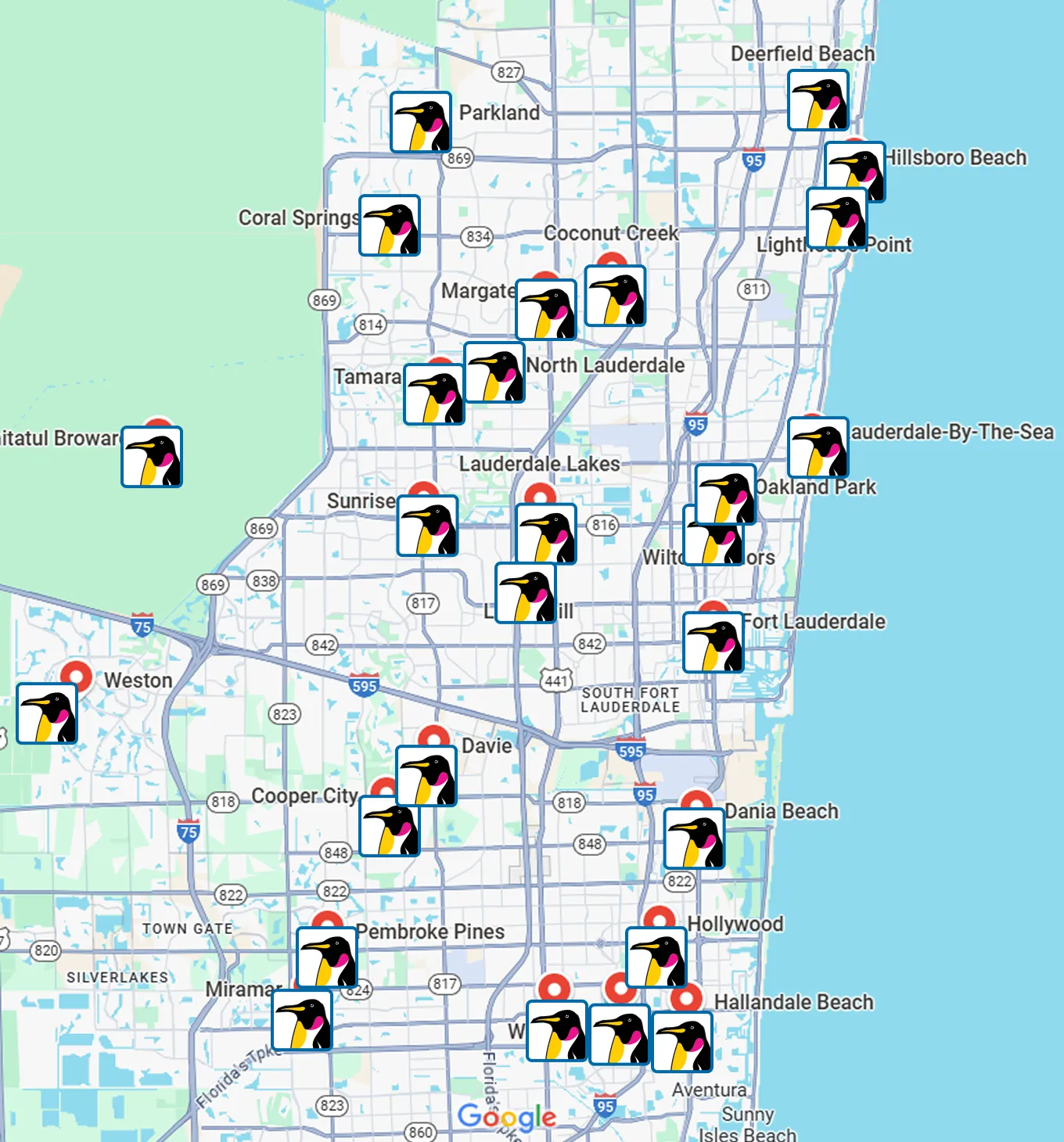
SERVICE AREAS