


Heating Tune-Up in Tamarac, FL

Your heating system may not be the first thing on your mind in Tamarac, FL, but when a cold front arrives or overnight temperatures dip, a reliable heater matters. A professional heating tune-up keeps your system running safely, efficiently, and reliably when you need it. Koolflow Air provides a comprehensive heating tune-up designed for the unique needs of Tamarac homes and heat systems commonly found across Broward County. Discover how what a full heating tune-up includes, why it matters here, the common problems we see, and how routine maintenance protects comfort, safety, and equipment value.
Why a Heating Tune-Up Matters in Tamarac, FL
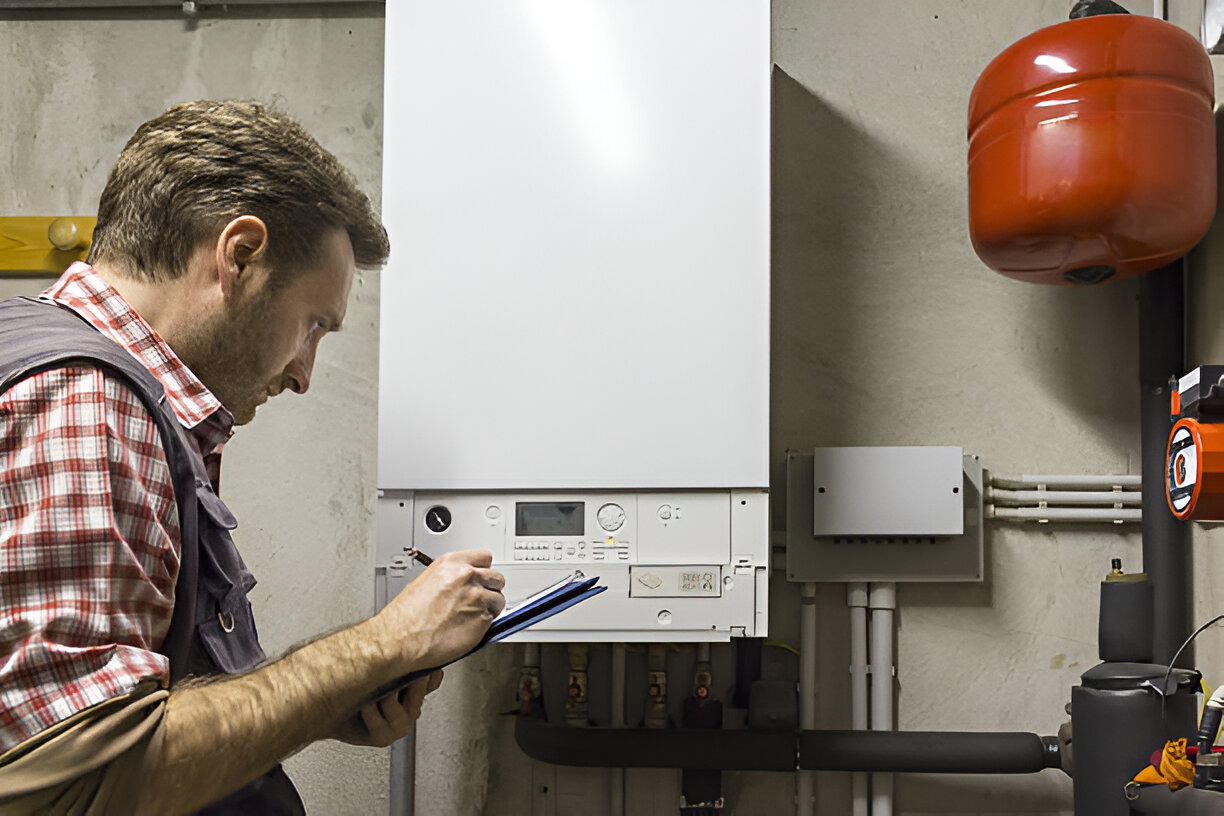
Even though South Florida winters are short and mild compared with northern climates, a tune-up is still critical. Tamarac experiences occasional cold snaps and long-term humidity, and many homes use heat pumps that perform both heating and cooling duties. Neglecting seasonal maintenance can lead to inefficient operation, premature failure, higher energy costs, and safety risks.
Local conditions that influence heating system performance:
- High humidity and coastal air can accelerate corrosion of outdoor coils and electrical connections.
- Systems that operate primarily for cooling during most of the year often get less attention for heating components, allowing wear or issues to go unnoticed.
- Occasional cold weather places sudden demand on systems, revealing clogged filters, weak blowers, or failing controls when you least expect it.
- Salt in the air in coastal areas may affect outdoor units, fasteners, and wiring, increasing the importance of inspections and protective cleaning.
A preventive heating tune-up addresses these local stressors and helps ensure dependable performance when temperatures drop.
Common Heating System Types in Tamarac Homes
Understanding the type of heating equipment in your home helps tailor the tune-up. In Tamarac, the most common systems are:
- Heat pumps (reverse-cycle systems) that provide both cooling and heating. They are the predominant choice for energy efficiency in mild climates.
- Gas furnaces in older or higher-efficiency installations. These systems require combustion safety checks.
- Electric resistance heaters or electric furnaces for specific applications or properties without gas lines.
Koolflow Air technicians tune both heat pumps and furnaces. A full service covers components unique to each system along with shared subsystems such as air flow, controls, and safety devices.
Common Heating Problems in Tamarac, FL Homes
Homeowners in Tamarac commonly report these heating issues:
- Reduced heating capacity after seasons of heavy cooling use, often caused by dirty coils or low refrigerant in heat pumps.
- Uneven temperature or weak airflow caused by clogged filters, obstructed ductwork, or failing blower motors.
- Intermittent heating or no heat due to faulty thermostats, loose electrical connections, or control board failures.
- Corrosion-related problems on outdoor units or electrical terminals from humidity and coastal salt air.
- Pilot or ignition failures, dirty burners, or cracked heat exchangers in gas-fired units.
- Higher-than-expected energy bills from inefficient combustion, worn components, or poor system calibration.
- Water or condensate issues on heat pumps and high-efficiency furnaces from clogged drains or pans.
A professional heating tune-up is focused on identifying these issues early and fixing underlying causes before they become costly repairs.
The Koolflow Air Heating Tune-Up Checklist
A thorough tune-up follows a systematic checklist that verifies safety, restores efficiency, and documents performance. The list below shows the items included in a full heating tune-up in Tamarac, FL. Each item includes a simple explanation of why it matters and what the technician will do.
Preliminary inspection and record review
- Verify make, model, age, and maintenance history of the heating system.
- Review any homeowner concerns or recent performance patterns.
- Note visible signs of wear, corrosion, or leaks for follow-up.
Safety controls and electrical inspection
- Inspect all electrical connections for tightness and corrosion.
- Test safety controls, limit switches, and emergency shutoffs to ensure proper operation.
- Measure voltage and amperage on motors to identify electrical stress.Why: Loose or corroded electrical connections cause failures and pose fire risk. Correct testing preserves longevity and safety.
Burner and heat exchanger inspection (gas furnaces)
- Clean burners and remove deposits that affect combustion.
- Inspect the heat exchanger for cracks, corrosion, or signs of flue gas leaks.
- Verify proper venting and check flue and vent connectors for blockages or deterioration.Why: A cracked heat exchanger can allow combustion gases to enter living spaces. Burner cleaning restores efficient combustion.
Ignition and pilot testing (gas and hybrid systems)
- Test electronic ignitors, pilot assemblies, flame sensors, and safety interlocks.
- Replace or recommend replacement of failing ignitors or dirty flame sensors.Why: Reliable ignition is essential for consistent heating and to avoid repeated lockouts or gas wastage.
Combustion analysis and carbon monoxide testing (gas furnaces)
- Perform combustion testing to measure fuel-to-air ratios and flue temperatures.
- Test for carbon monoxide at the appliance and in adjacent spaces as required.Why: Ensures safe and efficient combustion and protection against carbon monoxide hazards.
Heat pump specific checks
- Inspect outdoor coil and condenser for debris, corrosion, and airflow restrictions.
- Check refrigerant charge and adjust if necessary to manufacturer specifications.
- Test reversing valve operation and defrost cycle for reliable winter performance.
- Check compressor operation and measure starting currents.Why: Heat pumps rely on correct refrigerant charge and reversing components to heat effectively. Outdoor coil cleanliness and corrosion control are vital in coastal climates.
Thermostat calibration and control verification
- Verify thermostat placement, calibration, and control wiring.
- Test system response and temperature differentials to confirm accurate operation.Why: A miscalibrated thermostat leads to inefficient operation and uneven comfort despite a well-functioning system.
Airflow and distribution inspection
- Inspect and measure airflow through the system and across the evaporator coil.
- Check return and supply registers for obstructions and measure temperature drop.
- Examine ductwork where accessible for leaks, disconnections, or excessive insulation gaps.Why: Proper airflow is essential for comfort, efficiency, and preventing freeze-ups in heat pumps.
Cleaning of critical components
- Replace or clean air filters and recommend appropriate filter types for the home.
- Clean blower wheel and motor compartment to remove dust buildup.
- Clean evaporator and condenser coils to improve heat transfer and efficiency.Why: Clean components reduce energy use, extend equipment life, and improve indoor air quality.
Blower motor and drive system service
- Inspect motor, belts, and bearings; lubricate where applicable.
- Check blower motor capacitors and replace if failing or out of tolerance.Why: A weak blower reduces system capacity and increases stress on other components.
Condensate and drainage inspection
- Clear condensate drains and pans, check for leaks and proper slope.
- Verify trap and safety float operations on high-efficiency units.Why: Blocked drains lead to water damage and can cause system shutdowns.
Filter and indoor air quality check
- Recommend appropriate filter MERV ratings based on system compatibility and homeowner needs.
- Inspect for signs of mold, dust accumulation, and humidity issues.Why: Proper filtration protects equipment and indoor air quality, especially in humid climates.
Performance testing and system balancing
- Measure temperature rise or heat pump temperature split to confirm proper heating output.
- Record static pressures and balance adjustments if necessary.
- Compare current performance metrics to manufacturer specifications and pre-service baselines.Why: Objective testing verifies the tune-up restored expected performance and helps detect hidden problems.
Documentation and recommendations
- Provide a written report of findings, adjustments made, and any recommended repairs.
- Note immediate safety concerns and items to monitor between services.Why: Clear documentation helps homeowners understand system condition and plan for future needs.
How Koolflow Air Diagnoses Problems During a Tune-Up
A professional tune-up is more than cleaning and replacing filters. Diagnostic testing confirms root causes, not just symptoms. Typical diagnostic steps we use include:
- Visual and auditory inspection to identify abnormal noises, leaks, or corrosion.
- Electrical diagnostics to check voltage stability and current draw on motors and compressors.
- Refrigerant and pressure testing on heat pumps to identify leaks and suboptimal charge.
- Combustion analysis on gas furnaces to measure efficiency and safe operation.
- Airflow measurement across coils and at registers to ensure the system moves the right volume of air.
- Thermostat and control sequence testing to verify proper cycling and sequencing.These diagnostic steps allow Koolflow Air technicians to pinpoint faults accurately and recommend targeted repairs rather than guessing.
Recommended Frequency for Heating Tune-Ups
For most Tamarac homes, the recommended frequency is:
- Annual tune-up for heat pumps and gas furnaces, performed ahead of the heating season or early fall.
- Twice-yearly service for homes with older systems, high humidity concerns, or with occupants who have health vulnerabilities.
- Immediate inspection after unusual events such as power surges, lightning strikes, lightning-induced corrosion, or after experiencing loss of heating.Regular annual maintenance prevents small problems from becoming major repairs and can extend equipment life by several years.
Benefits of a Professional Heating Tune-Up in Tamarac, FL
Investing in a professional heating tune-up yields several practical benefits:
- Safety: Finds and mitigates combustion issues, carbon monoxide risks, electrical faults, and blocked vents.
- Reliability: Reduces the risk of breakdowns during cold nights and prevents sudden loss of heat.
- Efficiency: Clean components and calibrated controls reduce energy use and can lower utility bills.
- Comfort: Ensures even temperature distribution and restores expected heating capacity.
- Longevity: Routine maintenance reduces wear and tear and can extend equipment lifespan.
- Documentation: A professional report helps track equipment condition and supports warranty requirements or future decisions.
What to Expect During a Tune-Up Appointment
A typical heating tune-up appointment includes:
- Arrival and brief confirmation of homeowner concerns and system history.
- System shutdown and safe procedures to access internal components.
- Step-by-step inspection and servicing according to the checklist above.
- Real-time testing of combustion, airflow, electrical parameters, and thermostat performance.
- Cleaning of accessible components and replacement of basic consumables such as air filters if applicable.
- Written documentation of findings and actionable recommendations for any needed repairs.Duration varies depending on system type and complexity, but most complete tune-ups take between one and three hours. The complexity increases for systems with heavy corrosion, restricted access, or multiple zones and ductwork.
Red Flags That Mean You Should Book a Tune-Up Sooner
Watch for these warning signs that indicate your system needs professional attention:
- Strange smells, especially combustion or musty odors.
- Increased utility bills without a clear cause.
- Uneven heating or rooms that never reach set temperature.
- Frequent short-cycling or erratic on/off behavior.
- Persistent noise such as banging, rattling, or loud humming.
- Visible rust, corrosion, or water leaks around indoor or outdoor units.
- Yellow or unstable pilot light on gas appliances, which can indicate combustion problems.
Addressing these issues quickly mitigates safety risks and avoids more costly repairs later.
Heat Pump vs Gas Furnace Tune-Up: Key Differences
Heat pumps and gas furnaces both provide heat but require different tune-up steps:
- Heat pump focus: refrigerant charge, reversing valve, defrost operation, outdoor coil cleaning, and compressor health. Heat pumps require attention to both heating and cooling functions since they serve both seasons.
- Gas furnace focus: burner cleaning, heat exchanger inspection, proper venting, ignition system testing, and combustion analysis. Gas furnaces need strict combustion safety verification.Koolflow Air technicians are trained to service both types and will adjust the checklist to match the equipment in your Tamarac home.
Seasonal Considerations for Tamarac, FL
Timing matters. For residents of Tamarac, the ideal time to perform a heating tune-up is late fall or just before the first expected cold front. Because heat pumps operate year-round for cooling and heating, a spring or early fall service often doubles as both cooling and heating maintenance. In coastal and high-humidity areas, scheduling annual maintenance after the rainy season helps address corrosion and debris buildup on outdoor units.
Documentation and Follow-Up
After the tune-up, expect a clear summary including:
- Components inspected and cleaned.
- Performance metrics recorded and how they compare to standards.
- Any repairs performed or parts replaced.
- Recommended follow-up items and suggested timelines.Good documentation helps homeowners plan repairs and keep warranty requirements in order.
Frequently Asked Questions
Q: How long does a heating tune-up typically take?
A: Most heating tune-ups take between one and three hours depending on system type, age, and condition. Complex systems with multi-zone ductwork or significant corrosion may take longer.
Q: How often should I have my heater tuned up in Tamarac?
A: For most homes, once a year before the heating season is sufficient. Homes with older equipment, health-sensitive residents, or known moisture issues should consider twice-yearly checks.
Q: Will a tune-up fix my heating if it is currently broken?
A: A tune-up is designed to identify and correct routine problems and restore optimal operation. If the issue requires replacement parts or extensive repairs, the technician will document findings and recommend specific repairs.
Q: Do heat pumps need a different tune-up than gas furnaces?
A: Yes. Heat pumps require refrigerant checks, defrost cycle inspection, and outdoor coil care. Gas furnaces need burner, ignition, and heat exchanger inspections along with combustion testing.
Q: Can a tune-up prevent carbon monoxide problems?
A: A thorough tune-up includes combustion analysis and carbon monoxide testing for gas appliances, which helps detect and address potential CO risks. It is an essential safety step for gas systems.
Q: Will a tune-up lower my energy bills?
A: Properly performed maintenance improves system efficiency by ensuring clean coils, correct refrigerant charge, calibrated controls, and proper airflow. This typically results in lower energy consumption and can reduce bills.
Q: Is it worth servicing a system that is 15 years old?
A: Regular maintenance can extend equipment life and delay replacement, but older systems may still have diminishing efficiency and higher repair frequency. A tune-up gives a clear assessment to help determine when replacement becomes more economical.
Final Notes on Heating Care in Tamarac, FL
Heating tune-ups are an important part of year-round HVAC care in Tamarac. Local humidity, coastal air, and the predominance of heat pumps make proactive maintenance especially valuable. A professional tune-up protects safety, ensures dependable comfort during cold snaps, and preserves equipment efficiency and value. Koolflow Air integrates thorough diagnostics, safety inspections, and performance testing into every heating tune-up so homeowners in Tamarac have a clear picture of system condition and peace of mind about their heating performance. Regular maintenance is an investment that pays back in comfort, safety, and lower long-term operational costs.


Hear what our satisfied
clients have to say

SERVICE AREAS