


Heating Maintenance in Pembroke Park, FL

Keeping your heating system running reliably and efficiently in Pembroke Park, FL requires a maintenance plan built for South Florida realities. Even though winters here are mild compared with northern climates, heating systems still need seasonal attention to protect comfort, safety, and efficiency. Koolflow Air provides preventative heating maintenance services designed to extend equipment life, lower energy use, prevent emergency repairs, and ensure your home heats safely when you need it.
Why heating maintenance matters in Pembroke Park
Homes in Pembroke Park face unique factors that influence heating system performance:
- Mild but occasionally chilly winters mean heat pumps and electric heaters cycle on and off seasonally. Systems stored for months without use can develop problems that show only when temperatures drop.
- High humidity and coastal proximity accelerate corrosion on outdoor components, electrical contacts, and metal housings.
- Salt-laden air near the coast increases the risk of rust and shortened component life on outdoor units and exposed ductwork.
- Many area homes rely on heat pumps or ductless mini-splits rather than gas furnaces, so refrigerant charge, reversing valve operation, and compressor health are primary concerns.
- Energy costs fluctuate. A maintained system runs more efficiently and reduces monthly utility bills.
Routine, professional maintenance addresses these local stresses and keeps your system ready for any cold snap.
What a comprehensive heating maintenance program includes
A full preventative maintenance program for heating in Pembroke Park should be systematic and repeatable. Typical program elements include:
- Seasonal tune-up checklist for fall and pre-winter inspections
- Safety inspections for electrical systems, heat exchangers, and carbon monoxide where applicable
- Filter inspection and replacement schedule depending on filter type and household needs
- Component checks and replacement recommendations for capacitors, contactors, belts, motors, and sensors
- Refrigerant and heat pump performance testing
- Airflow and duct diagnostics, including static pressure and leak assessment
- Combustion testing and venting inspections for gas systems
- Cleaning of coils, burners, blower assemblies, and condensate drain lines
- System diagnostics and performance reporting with baseline metrics for tracking
- Options for service agreements, seasonal reminders, and priority scheduling
Koolflow Air organizes these elements into clear maintenance visits so your system receives the exact care it needs based on its equipment type and age.
Common heating systems in Pembroke Park and typical maintenance needs
Understanding the type of equipment in your home helps prioritize maintenance actions:
- Heat pumps (most common): Require refrigerant charge verification, reversing valve inspection, outdoor coil cleaning, compressor amp draw testing, and defrost cycle checks.
- Electric furnace / electric strip heat: Focus on electrical connections, contactor condition, element integrity, and thermostat calibration.
- Ductless mini-splits: Need filter cleaning, indoor coil inspection, drain line clearing, and refrigerant performance checks.
- Gas furnaces (less common in South Florida): Demand heat exchanger inspection, combustion analysis, gas pressure and burner adjustment, venting checks, and carbon monoxide testing.
- Hybrid systems and packaged units: Combine the items above; technicians inspect both heating and cooling components since many units double as both.
Each system has distinct wear patterns; a tailored maintenance plan from Koolflow Air prevents minor issues from becoming major failures.
Seasonal tune-up checklist (what a typical visit covers)
A professional seasonal tune-up is the core of any maintenance program. The checklist below highlights the specific tasks completed during a single heating maintenance visit.
Pre-visit preparation
- Review prior service history and system documentation
- Confirm make, model, age, and any manufacturer maintenance requirements
Outdoor unit inspection (heat pumps, packaged units)
- Visual inspection of condenser coil and cabinet for corrosion or debris
- Clean coils and fin straightening as needed
- Check fan motor operation and blade condition
- Inspect electrical connections and contactors for signs of overheating
- Measure compressor amp draw and compare to manufacturer specs
Indoor unit inspection
- Inspect and clean blower wheel and assembly
- Test blower motor amps and speeds
- Replace or recommend filter change based on type and condition
- Check thermostat placement, calibration, and battery condition
- Inspect heat exchanger on gas furnaces for cracks, corrosion, or soot
- Test safety controls such as limit switches and rollout sensors
Performance testing
- Measure temperature rise across the system or temperature split for heat pumps
- Check refrigerant pressures and superheat/subcooling on heat pumps
- Measure static pressure in duct system and evaluate airflow
- Verify proper defrost cycles on heat pumps
Safety and combustion testing (for gas equipment)
- Perform combustion analysis to confirm safe and efficient burner operation
- Test for carbon monoxide levels at system discharge and in serviceable areas
- Inspect flues and vents for blockages or corrosion
Ductwork and indoor air quality
- Inspect accessible ductwork for leaks, disconnected joints, and insulation issues
- Recommend and document air filter type and replacement schedule
- Clean condensate lines and check for proper drainage to prevent microbial growth
Documentation and recommendations
- Provide a performance report with baseline metrics for future visits
- List prioritized repairs and component replacements for consideration
- Discuss seasonal reminders and service agreement options
This checklist ensures the system is safe, efficient, and documented for trend tracking.
Filter and component replacement schedules
Filters and small components are inexpensive to replace but critical to system health. Typical schedules used by professionals:
- Standard 1-inch fiberglass or pleated filter: Inspect monthly during use; replace every 30 to 90 days depending on dust loads, pets, and occupancy.
- High-efficiency MERV 8 to MERV 11 filters: Inspect monthly; replace every 60 to 120 days or per manufacturer guidance.
- Washable filters: Clean monthly; allow to dry completely before reinstalling.
- Capacitors and contactors: Inspect annually; replace proactively between 5 and 8 years on systems older than 10 years or when showing early signs of failure.
- Belt-driven blower belts: Inspect every maintenance visit; replace when cracks, fraying, or glazing is present.
- Thermostats and sensors: Calibrate annually; replace batteries yearly.
- Refrigerant leaks: Repair immediately and recharge to manufacturer specifications. Leaks often indicate failing brazed joints or corrosion on outdoor coils in coastal areas.
- Drain pans and condensate pumps: Inspect each visit; clean and replace pumps that show intermittent operation.
Following these schedules prevents airflow loss, electrical stress, and premature compressor or motor failure.
Performance testing and metrics that matter
A professional maintenance visit should measure and record specific metrics so you know your system is performing properly. Common measurements include:
- Temperature rise for furnaces: Confirms proper heat transfer across the heat exchanger.
- Delta T for heat pumps: The temperature difference between supply and return air indicates heating efficiency.
- Refrigerant pressures and superheat/subcooling: Ensure correct refrigerant charge and heat transfer for heat pumps.
- Blower motor amps and line amps: Detect overloading or motor wear before failure.
- Static pressure: High static pressure indicates restricted airflow or duct issues and causes inefficiency and noise.
- CFM (cubic feet per minute): Airflow numbers help size and verify ductwork and blower function.
- Combustion efficiency and CO readings for gas equipment: Protects health and confirms safe combustion.
Koolflow Air includes these tests in maintenance visits and uses them to set benchmarks for future comparisons.
Common heating problems in Pembroke Park and how maintenance prevents them
Preventative maintenance addresses many problems before they become emergencies. Common issues seen locally include:
- Reduced heating capacity: Often caused by dirty coils, clogged filters, or low refrigerant. Cleaning and charge checks restore output.
- Short cycling: Can be caused by thermostat problems, improper refrigerant charge, or airflow constraints. Tuning and component checks correct cycling behavior.
- Corroded electrical contacts and wiring: Salt and humidity accelerate corrosion. Regular inspections and protective measures reduce risk of electrical failure.
- Frozen coils on heat pumps: Restricted airflow or low refrigerant commonly to blame. Timely cleaning and charge verification prevent coil freeze.
- Noisy operation: Loose panels, failing bearings, or worn blower wheels produce noise. Maintenance tightens and replaces worn parts.
- Carbon monoxide risk in combustion systems: A cracked heat exchanger or poor venting can lead to dangerous CO leaks. Annual combustion testing and visual inspections protect occupants.
- Condensate backups and microbial growth: Stagnant water in condensate lines or pans leads to odors and health risks. Regular cleaning prevents buildup.
Addressing these issues in advance preserves comfort and reduces unexpected repair costs.
Service agreements and reminder options
A formal maintenance agreement is ideal for homeowners who want predictable care and priority handling. Typical agreement features include:
- Scheduled seasonal tune-ups with documented reports
- Priority scheduling for breakdowns and after-hours requests
- Discounted labor or parts on repairs during agreement period
- Automatic reminders via phone, email, or text before each scheduled visit
- Annual maintenance logs retained for warranty compliance and resale documentation
- Flexible plans for single-system homes, multi-system properties, and rental portfolios
Agreements reduce hassle and ensure maintenance happens on time. Koolflow Air structures agreements to match equipment type and homeowner needs, including timing optimized for Pembroke Park climate patterns.
Long-term benefits of routine heating maintenance
Investing in routine maintenance produces measurable benefits over time:
- Lower energy bills: Properly tuned systems run more efficiently and use less electricity when heating is required.
- Extended equipment life: Regular lubrication, cleaning, and minor parts replacement reduces wear and prevents early failure.
- Fewer emergency repairs: Detecting issues early avoids breakdowns on cold nights and reduces repair costs.
- Safer operation: Combustion testing and safety control checks reduce risk of carbon monoxide exposure and electrical hazards.
- Better comfort: Consistent airflow, accurate controls, and balanced ducts maintain even temperatures throughout the home.
- Warranty protection: Many manufacturers require documented maintenance to keep warranties valid.
- Increased resale value: Maintenance records show prospective buyers the system was cared for, which supports home value.
For Pembroke Park homeowners, these benefits are amplified by the local environment. Preventing corrosion and refrigerant loss is particularly important for coastal systems.
Practical tips for homeowners between professional visits
Routine homeowner habits complement professional maintenance and keep systems in good condition:
- Replace or clean filters according to the recommended schedule and immediately if you notice reduced airflow.
- Keep outdoor units clear of plants, debris, and salt spray buildup. Rinse coils gently with water monthly if located near the coast.
- Keep thermostat setpoints stable and avoid rapid setpoint changes that cause short cycling.
- Ensure vents are not obstructed by furniture or carpets and close unused registers only when ductwork is balanced.
- Monitor for unusual noises, smells, or performance changes and document when they started to relay accurate information to technicians.
- For homes with gas appliances, install a digital carbon monoxide detector and test it monthly.
- Maintain attic insulation and radiant barriers to reduce heating load and improve system efficiency.
Small, consistent actions between tune-ups prevent many common issues and keep maintenance costs lower.
Documentation and transparency
A professional maintenance visit should leave you with clear records. Useful documentation includes:
- Date of service and technician name
- Equipment make, model, and serial numbers
- Measurements taken during the visit and baseline values
- Filters or parts replaced
- Photo documentation of any corrosion, leaks, or safety concerns
- Prioritized recommendations with explanation of consequences of delayed repair
Keeping these records is helpful for warranty claims, insurance, and future troubleshooting.
Why choose a local provider for heating maintenance in Pembroke Park
Local providers understand regional challenges and can tailor service accordingly:
- Technicians familiar with Pembroke Park know how coastal salt and humidity impact equipment and apply protective measures.
- Local scheduling aligns with seasonal demand patterns, ensuring tune-ups occur before the first cool periods.
- Knowledge of common regional equipment choices allows precise diagnostic routines for heat pumps and ductless systems often found in South Florida homes.
- Local providers can document maintenance to satisfy local code requirements or insurance expectations where applicable.
Koolflow Air brings local experience and a structured maintenance approach to Pembroke Park homes so systems remain reliable and efficient.
Q: How often should I schedule heating maintenance for a heat pump in Pembroke Park, FL?
A: Heat pumps should receive a professional inspection and tune-up at least once per year, ideally in fall before the cooler season. Homes with heavy indoor air pollutants, pets, or high dust should consider semiannual visits. Annual maintenance should include refrigerant checks, defrost cycle testing, and airflow verification.
Q: My home mostly uses air conditioning. Is heating maintenance still necessary?
A: Yes. Heat pumps and dual-function units often sit unused for months and may develop issues that appear only when switched to heating mode. A pre-winter tune-up prevents surprises, restores efficient operation, and checks components that suffer from seasonal inactivity.
Q: What filter type and replacement schedule do you recommend for coastal homes?
A: For most Pembroke Park homes, a pleated MERV 8 to MERV 11 filter balances filtration and airflow. Inspect monthly during periods of heavy use and replace every 60 to 120 days depending on pet and dust levels. Homes with severe allergies may use higher MERV filters but should verify airflow compatibility with a technician.
Q: Are there specific corrosion protection measures for outdoor units near the coast?
A: Yes. Technicians can apply protective coatings to vulnerable components, ensure proper drainage to avoid trapped moisture, rinse units periodically to remove salt buildup, and recommend sacrificial anodes or stainless hardware where applicable to slow corrosion.
Q: Will regular maintenance reduce my energy bills?
A: Yes. Cleaning coils, optimizing refrigerant charge, ensuring proper airflow, and tuning controls typically improves system efficiency and reduces energy consumption. The exact savings vary by system age and condition, but maintained systems consistently use less energy than neglected ones.
Q: What safety tests are performed during a heating maintenance visit?
A: For combustion systems, technicians perform combustion efficiency testing and carbon monoxide measurements, inspect the heat exchanger, and verify venting. For electric systems, they inspect wiring, contactors, and safety switches. All systems receive checks of safety controls and operating limits.
Q: How does maintenance affect warranty coverage?
A: Many manufacturers require documented annual maintenance to keep warranties valid. Maintenance records demonstrating timely tune-ups by a qualified technician help ensure warranty claims are honored and maintain resale value.
Q: Do you check ductwork during a heating maintenance visit?
A: Yes. Technicians inspect accessible ductwork for leaks, disconnected joints, insulation integrity, and obstructions. They measure static pressure and recommend targeted duct sealing or insulation upgrades if issues are found.
Q: What should I do if my heating system starts short cycling after a maintenance visit?
A: Short cycling can have several causes. Note any changes in thermostat settings, check for high static pressure from closed vents, and report the symptom. If short cycling persists, schedule a diagnostic visit so a technician can check refrigerant charge, thermostat calibration, and safety controls.
Q: Can maintenance prevent refrigerant leaks?
A: Maintenance identifies early signs of refrigerant loss such as reduced capacity, frost on coils, or abnormal pressures. While maintenance cannot prevent all leaks caused by corrosion or mechanical failure, early detection allows repair before compressors are damaged and efficiency drops significantly.


Hear what our satisfied
clients have to say

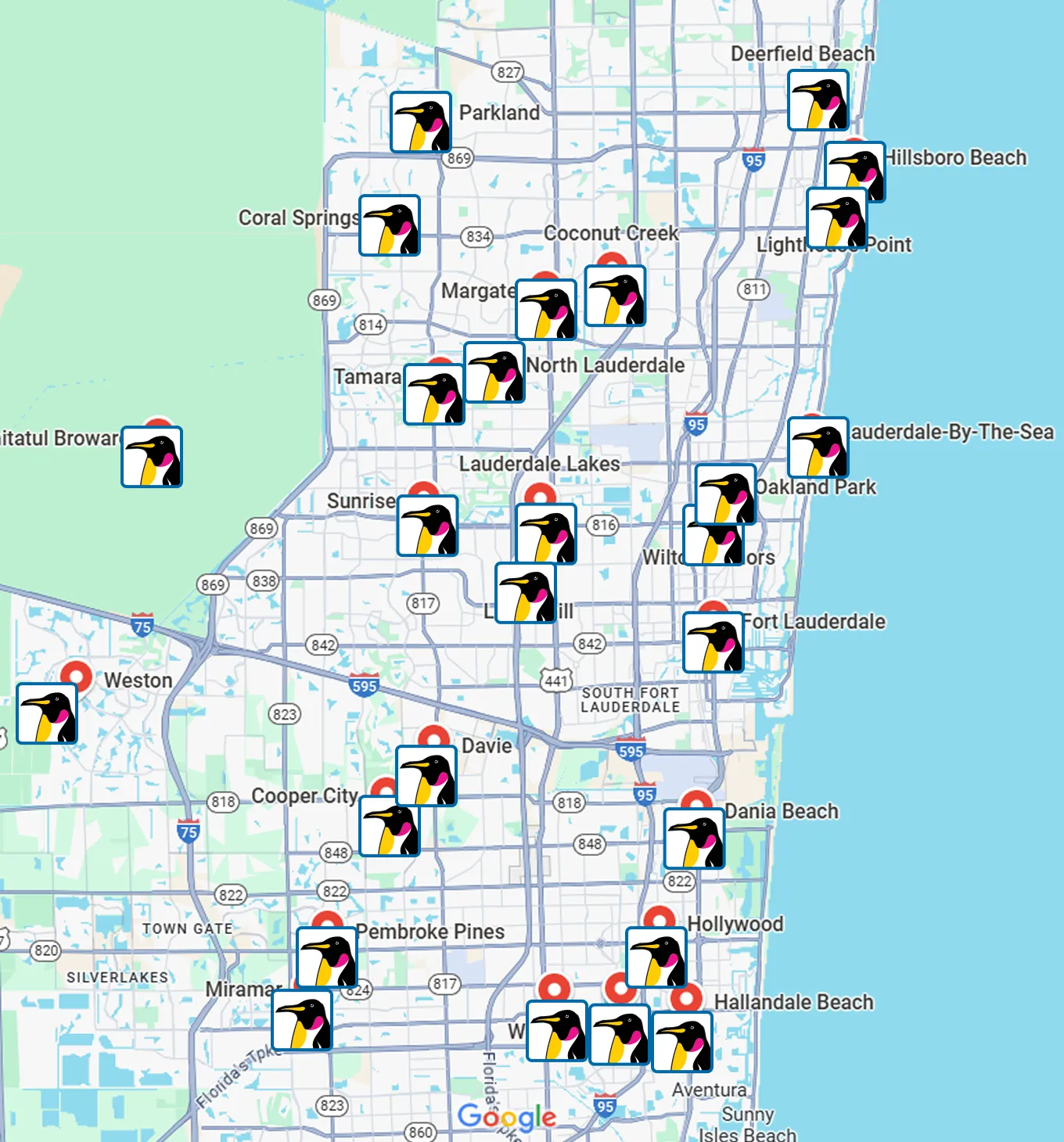
SERVICE AREAS