


Heating Tune-Up in Pembroke Park, FL

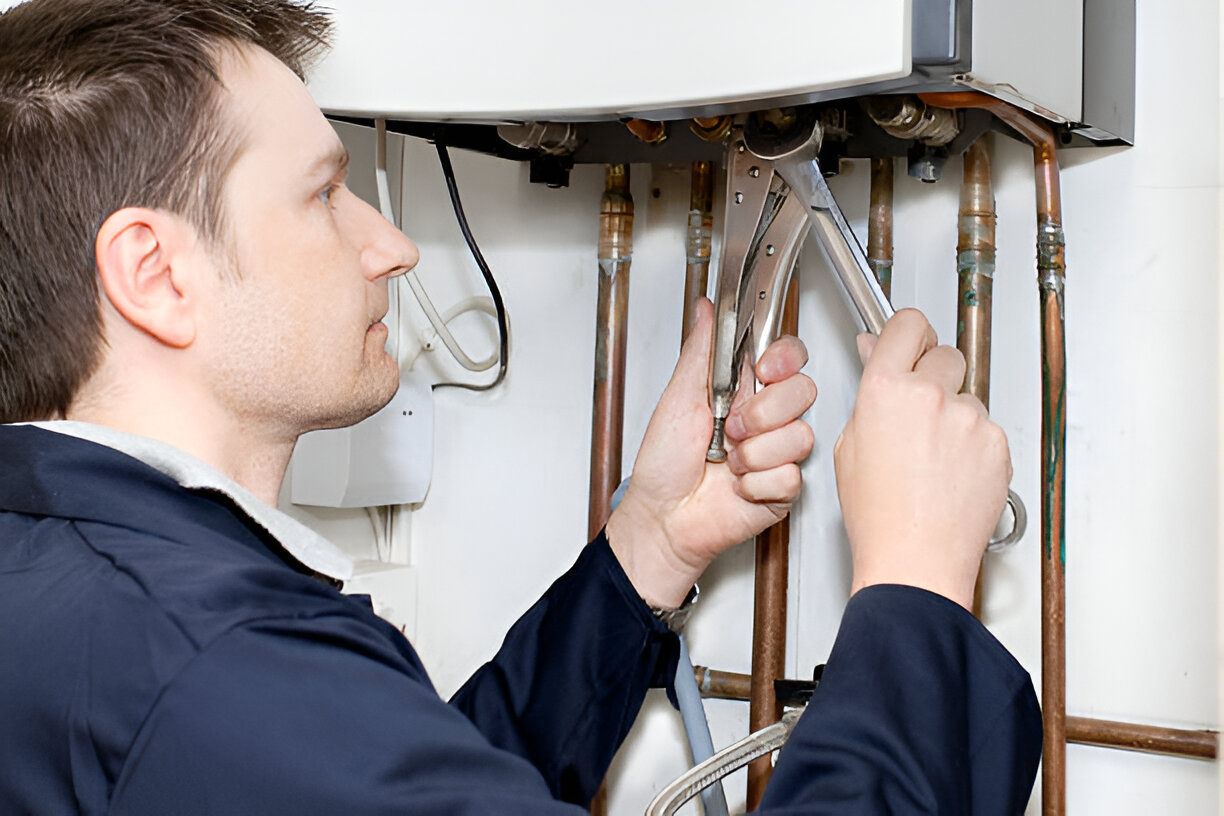
A professional heating tune-up is the best way to keep your home comfortable, safe, and energy efficient when temperatures dip in Pembroke Park, FL. Even though South Florida winters are mild compared with northern states, local homes still rely on heating components in heat pumps, furnaces, and dual fuel systems. Regular tune-ups catch small problems before they become costly failures, restore system efficiency, and help prolong equipment life. Koolflow Air provides thorough, expert heating tune-ups tailored to the climate and building styles common to Pembroke Park, ensuring dependable performance when you need it.
Why a heating tune-up matters in Pembroke Park, FL
- Mild winters do not eliminate the need for maintenance. Heat pump systems and secondary heating components still cycle through use, and components wear with time.
- High humidity and proximity to the coast increase risk of corrosion and duct moisture. Salt air and humid conditions can accelerate surface corrosion and create conditions that affect electrical connections and metal components.
- Energy efficiency matters. Even small gains in heating efficiency translate to visible reductions in energy use over the year, especially when systems are older or poorly maintained.
- Indoor air quality and safety are local concerns. Moisture, dust, and improperly functioning safety controls can reduce indoor air quality and in rare cases create safety hazards that a tune-up is designed to detect.
What a comprehensive heating tune-up includesA full heating tune-up is an inspection, testing, adjustment, and cleaning routine that covers the primary components of your heating system. Koolflow Air follows a systematic checklist that includes the following items, explained in plain terms so you know exactly what technicians do and why it matters.
Pre-Inspection and safety checks
- Visual system assessment: Inspect the outdoor and indoor units for physical damage, debris, leaks, or corrosion from salt and humidity.
- Safety precautions: Confirm all safety interlocks, disconnects, and access panels are secure before working on the system.
Combustion and ignition system checks (for gas or oil burners)
- Burner inspection: Clean and inspect burners to ensure proper flame pattern and combustion stability.
- Ignition and pilot components: Test electronic ignition, pilot assemblies, and flame sensors so the system starts reliably.
- Combustion analysis: Measure combustion characteristics and flue conditions when applicable to verify safe exhaust and efficient fuel use.
Heat pump specific tasks
- Reversing valve and defrost cycle test: Confirm the heat pump switches modes properly and defrosts when needed.
- Refrigerant check: Inspect refrigerant levels for signs of leaks or undercharge that reduce heating performance.
Thermostat calibration and control verification
- Thermostat accuracy: Check and recalibrate thermostats so the set temperature reflects actual indoor conditions.
- Control logic test: Verify system cycles on and off correctly and that any programmable or smart thermostat settings operate as intended.
Airflow and ductwork evaluation
- Return and supply airflow: Measure airflow to detect blockages, dirty coils, or fan issues that reduce heated air delivery.
- Duct inspection: Visually inspect accessible ductwork for gaps, disconnected joints, insulation issues, and signs of moisture or mold growth common in humid climates.
- Filter check and replacement: Inspect, recommend, and replace filters as needed. Clean filters improve airflow and indoor air quality.
Electrical system and lubrication
- Electrical connections: Tighten/check all electrical connections, capacitors, and contactors to prevent failures caused by loose or corroded wiring.
- Motor lubrication and bearings: Lubricate fan and blower motors where applicable to reduce friction and extend motor life.
Heat exchanger and coil cleaning
- Indoor coil and heat exchanger inspection: Look for cracks, corrosion, or buildup that can reduce efficiency or cause safety issues. Clean coils to restore heat transfer efficiency.
Safety controls and sensors
- Limit switches and safety sensors: Test emergency limit switches, pressure switches, and carbon monoxide detection where applicable to ensure occupant safety.
- Vapor pressure and high/low pressure protection tests: For systems with pressure controls, ensure cutouts and safeties operate correctly.
Performance testing and reporting
- System performance metrics: Record temperature splits, pressure readings, amperage draw, and operating cycles to benchmark system health.
- Service report: Provide a clear report of findings, recommended repairs, and parts that may need replacement now or soon.
Inspection and diagnostic process explainedA heating tune-up is a methodical sequence aimed at finding root causes rather than applying temporary fixes. Technicians begin with noninvasive inspections and move to targeted tests. The goal is to identify components that are marginal before they fail and to provide measurable performance improvements.
Step-by-step diagnostic approach
Common problems uncovered during tune-ups and what solutions look likeThe majority of tune-up findings fall into predictable categories. Addressing these during a tune-up prevents emergency breakdowns and large repair bills.
Dirty or clogged air filters
- Problem: Reduced airflow, increased run times, and higher energy use.
- Solution: Replace filters with the correct size and MERV rating. Recommend an appropriate replacement interval for Pembroke Park conditions, where higher airborne debris and humidity can shorten filter life.
Restricted airflow or duct issues
- Problem: Uneven heating, poor comfort, and stress on blower motors.
- Solution: Clean accessible ducts, seal visible gaps, and recommend sealing or insulating exposed duct runs. Suggest further whole-house duct cleaning or repair when severe.
Weak ignition or burner problems
- Problem: Intermittent heating, noisy ignition, or incomplete combustion.
- Solution: Clean or replace ignition components and burners, test combustion to ensure safe operation.
Low refrigerant or refrigerant leaks (heat pumps)
- Problem: Reduced heating capacity and higher energy demand.
- Solution: Locate and repair leaks, evacuate and recharge refrigerant to proper levels, and test system performance after repair.
Electrical wear and failing capacitors or contactors
- Problem: Hard starts, overheating components, and sudden shutdowns.
- Solution: Replace worn electrical components and tighten connections to prevent further damage.
Corroded or damaged heat exchanger
- Problem: Inefficient heat transfer and potential safety hazard.
- Solution: If minor issues are present, clean and monitor; if cracks or severe corrosion are found, replacement may be necessary to maintain safety.
Thermostat miscalibration
- Problem: Temperature discrepancies and inefficient cycling.
- Solution: Calibrate or replace thermostat, and provide guidance on ideal settings and placement to avoid false readings from drafts or direct sunlight.
Expected outcomes after a professional heating tune-upA heating tune-up restores and verifies proper operation. Homeowners can expect measurable improvements and peace of mind.
Key outcomes
- Improved energy efficiency: Properly maintained systems run fewer cycles, draw less power, and maintain set temperatures with less effort.
- Increased reliability and fewer emergency repairs: Detecting worn components and correcting small issues prevents sudden breakdowns.
- Longer equipment life: Routine maintenance reduces stress on moving parts and electrical systems, which helps extend service life.
- Safer operation: Testing combustion, venting, and safety controls reduces the risk of hazardous conditions.
- Better indoor air quality: Clean filters, coils, and ducts help reduce dust and allergen circulation, important in humid Pembroke Park homes.
- Documentation for warranties and resale: Service records often satisfy manufacturer warranty requirements and add value when selling a home.
Recommended tune-up frequency and timing for Pembroke Park homes
- Annual heating tune-up: For most systems, one annual heating tune-up is appropriate, ideally scheduled in late fall or early winter before any sustained cooler weather. This ensures the system is ready for the season and any issues can be corrected before they become urgent.
- Dual maintenance for HVAC split systems: Homes with both cooling and heating seasons longer than typical or dual fuel setups should consider two annual visits: a cooling tune-up in spring and a heating tune-up in fall. For Pembroke Park, a spring AC tune-up remains critical, and a fall heating tune-up ensures heat pump and emergency heating functions remain reliable.
- Older systems or high-use systems: If your heat pump or furnace is older than 10 years, or if it runs frequently, consider semiannual checks or a detailed assessment during each season change.
- New installations: Follow manufacturer recommendations for initial maintenance windows to keep warranties valid. Documented tune-ups by a certified technician like those at Koolflow Air help maintain warranty coverage.
Pricing and how costs are determinedUnderstanding how pricing works helps you make informed decisions. Heating tune-up pricing is influenced by several factors; the focus is on transparency rather than flat numbers. Typical tune-ups bundle inspection, cleaning of accessible components, safety tests, and minor adjustments. When additional repairs or parts are needed, technicians provide a clear estimate before work proceeds.
Factors that influence tune-up cost
- System type and complexity: Heat pumps, gas furnaces, and packaged systems require different checks and tools. Heat pump refrigerant checks or combustion analysis for gas systems add to labor and equipment needs.
- System age and condition: Older systems often require more time to access components, may have seized parts, or will need part replacements.
- Accessibility: Rooftop units or equipment in tight mechanical closets take longer to service because of the extra access time and safety precautions.
- Required parts or repairs: Replacing filters is common and inexpensive. Replacing a capacitor, contactor, ignition module, or motor increases costs. Technicians will present parts pricing and labor estimates for approval.
- Diagnostic time and testing equipment: When detailed diagnostics are required, such as combustion analysis or refrigerant leak detection, additional specialized equipment and time are required.
- Local labor and market factors: Labor rates vary by region and season. Pembroke Park’s proximity to Miami metropolitan area influences pricing relative to neighboring markets.
Common pricing models and what to expect
- Basic tune-up package: Typically covers inspection, cleaning of accessible components, filter replacement (if included), safety checks, and a standard performance report. This package is designed to identify immediate concerns and perform routine maintenance.
- Tune-up with minor repairs: If the technician identifies common small issues that can be resolved quickly, such as replacing a filter, tightening connections, or replacing a thermostat, those are added to the invoice with parts itemized.
- Diagnosis plus repair: When problems require further diagnosis, testing, or part fabrication, technicians will provide a detailed estimate with separate line items for parts and labor.
Estimated price ranges
- Because conditions vary, technicians provide on-site pricing. Typical heating tune-up engagements in South Florida commonly fall within a range that reflects the factors above. A comprehensive on-site inspection is the best way to provide an accurate price.
How scheduling and appointments work with Koolflow AirKoolflow Air structures service appointments to match customer needs while ensuring technicians arrive prepared.
What to expect when arranging an appointment
- Service intake: When scheduling, the customer provides address, system type, model information if available, and any specific issues they have noticed such as unusual noises or poor heating performance.
- Appointment windows: Appointments are scheduled during standard service hours, with technicians assigned based on service area and system specialization.
- Pre-visit preparation: The technician reviews the system history if available, prepares the necessary tools and common replacement parts, and plans the route to Pembroke Park locations to minimize delays.
- On arrival: The technician conducts the pre-inspection conversation, identifies immediate safety concerns, performs the tune-up checklist, and communicates findings in plain language.
- Documentation: Customers receive a service report summarizing work performed, test results, and recommended next steps or repairs if any items were flagged.
Maintenance tips between professional tune-upsSimple homeowner practices help preserve the benefits of a professional tune-up and reduce wear between service visits.
Seasonal and monthly maintenance checklist
- Replace or clean filters monthly to quarterly depending on filter type and indoor conditions. In humid, coastal Pembroke Park homes, more frequent changes may be needed.
- Keep outdoor units clear of debris and vegetation to maintain airflow and prevent corrosion from trapped moisture.
- Ensure vents and returns are not blocked by furniture, rugs, or storage to maintain balanced airflow.
- Monitor thermostat batteries and settings. Use setback settings responsibly to avoid unnecessary cycling.
- Watch for minor signs of trouble: higher energy bills, inconsistent heating, unusual noises, or increased cycling. Document when these begin to help technicians diagnose issues quickly.
Why choose routine professional tune-upsRegular professional maintenance blends preventive care with expert diagnostics. Technicians have the tools and testing protocols to find hidden problems and the training to recommend durable solutions. For Pembroke Park homes where humidity, salt air, and intermittent heating use influence equipment health, a professional tune-up is an investment in safety, efficiency, and long term comfort. Koolflow Air integrates local climate knowledge into each inspection so recommendations reflect the realities of South Florida equipment performance and durability.
FAQs
Q: How long does a typical heating tune-up take?
A: A standard heating tune-up generally takes between one and two hours depending on system type and condition. Systems that require extra diagnostic testing or additional repairs will take longer and will be itemized in the service report.
Q: How often should I schedule a heating tune-up in Pembroke Park?
A: For most homes, an annual heating tune-up in the fall is recommended. Homes with older systems or dual fuel setups may benefit from semiannual maintenance and a spring cooling tune-up as well.
Q: Will a tune-up improve my energy bills?
A: Yes. A professional tune-up restores efficiency by improving airflow, ensuring proper calibration, and correcting small issues that cause the system to run longer. Typical savings vary based on system condition and how overdue maintenance was.
Q: What should I do before the technician arrives?
A: Clear access to vents, the indoor unit, and the outdoor unit. Make sure the technician can reach the system and provide any recent service history or notes about observed issues. This helps shorten diagnostic time and ensures a thorough inspection.
Q: Do I need to replace my system if it fails any part of the tune-up inspection?
A: Not necessarily. Many issues can be repaired or components replaced. If the heat exchanger or a major component is unsafe or beyond reasonable repair, replacement may be recommended. The technician will present repair options and an estimate to help you decide.
Q: Are tune-ups required to keep my warranty valid?
A: Many manufacturers require routine maintenance to maintain warranty coverage. A documented professional tune-up by a licensed service provider like Koolflow Air often satisfies these requirements. Always check your equipment warranty language for specifics.
Q: How are parts and repairs priced if something needs replacement?
A: Parts and repairs are typically priced separately from the tune-up. Technicians provide a clear estimate before proceeding with any additional work. Prices depend on the part type, system accessibility, and labor required.
Q: Can tune-ups reduce the chance of emergency breakdowns?
A: Yes. Tune-ups identify marginal components and correct small problems before they lead to failure, making emergency breakdowns far less likely.
Q: Do you check for carbon monoxide or other safety hazards?
A: Yes. For combustion heating systems, technicians test combustion efficiency and venting. Safety controls and carbon monoxide concerns are part of a comprehensive safety inspection.
Q: What makes a local technician different from a national chain?
A: Local technicians bring neighborhood knowledge such as humidity effects, salt exposure, and common building practices in Pembroke Park. They also often provide more personalized service and continuity of care with documented service records for your home.
Koolflow Air tailors each heating tune-up to the needs of Pembroke Park homes, combining thorough inspections, clear explanations, and maintenance plans that match local climate realities. Regular tune-ups protect comfort, safety, and equipment value while delivering reliable performance when heating is needed.


Hear what our satisfied
clients have to say

SERVICE AREAS