


Heating Tune-Up in Lauderdale Lakes, FL

A professional heating tune-up keeps your system reliable, efficient, and safe when South Florida temperatures dip. Even though Lauderdale Lakes has mild winters, your heating system and heat pump work harder during shoulder seasons and occasional cold snaps. Regular maintenance prevents surprises, reduces energy use, and improves indoor comfort. Koolflow Air brings local experience and a methodical inspection and cleaning process specifically designed for heating systems in Lauderdale Lakes homes and businesses.
Why a Heating Tune-Up Matters in Lauderdale Lakes, FL
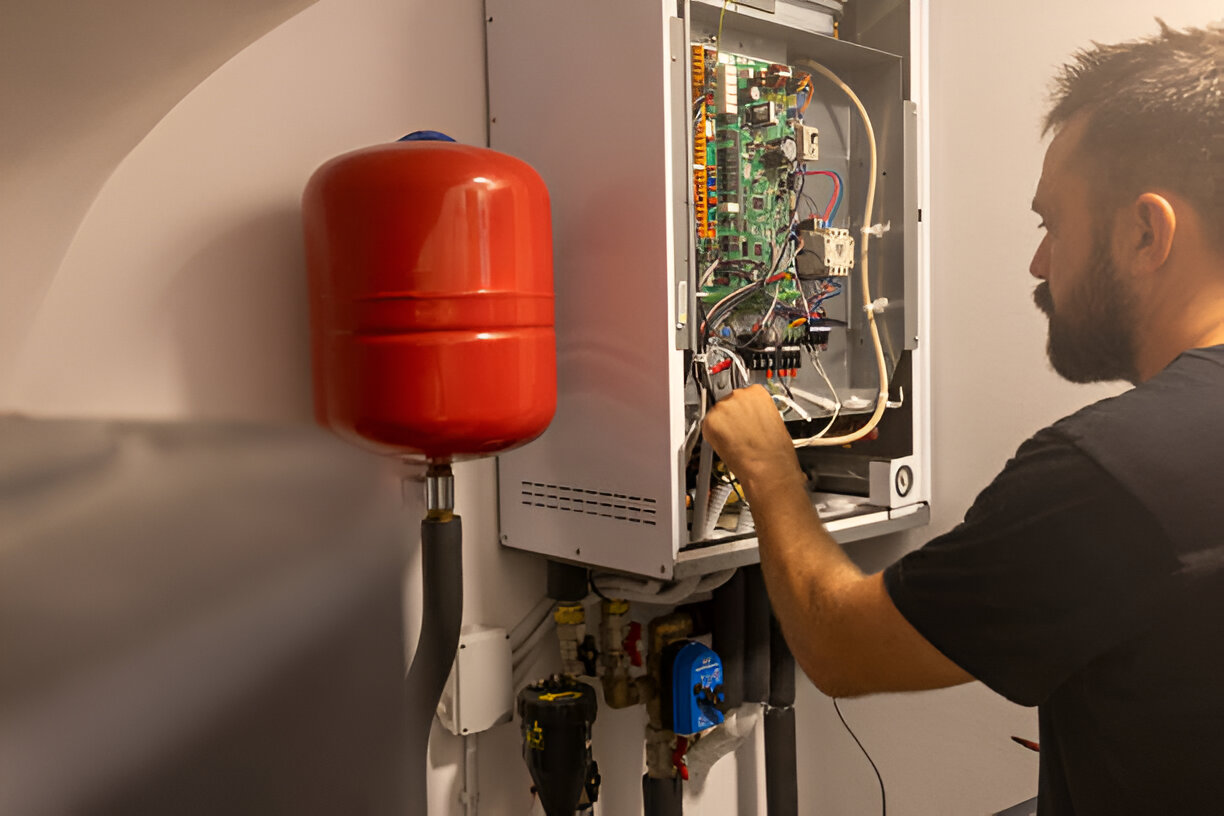
Lauderdale Lakes sits in a humid subtropical climate where heating demand is lower than in northern states but still meaningful. Heat pumps are common here because they handle both cooling and heating. That mix of heavy summer cooling and seasonal heating creates unique wear patterns. High humidity encourages corrosion and biological growth in drip pans and ducts, while brief cold periods can expose issues with ignition, reversing valves, or insulation. A tune-up ensures your system is prepared, efficient, and safe year round.
Standard Inspection Checklist
A thorough heating tune-up follows a checklist that confirms safe operation and identifies opportunities to improve efficiency. Typical items on the inspection checklist include:
- Thermostat calibration and control checks
- Verify setpoints and accuracy, test programmability and sensors, and ensure the thermostat communicates properly with the system.
- Burner and ignition checks
- Inspect burners for correct flame pattern, clean burner ports, test electronic ignitors, and verify proper ignition timing and reliability.
- Pilot light and flame sensor (where applicable)
- Inspect and clean pilot assemblies and flame sensors to prevent intermittent ignition or shutdowns.
- Safety controls and limit switches
- Test high-limit switches, pressure switches, rollout sensors, and other safety interlocks to ensure they respond appropriately.
- Heat exchanger and combustion area inspection
- Visually inspect the heat exchanger for cracks, corrosion, or soot buildup that can indicate combustion issues or risk of carbon monoxide.
- Airflow and duct checks
- Measure blower performance, inspect air filter condition, check supply and return grilles, and look for disconnected or leaky ducts.
- Electrical connections and component checks
- Tighten electrical terminals, inspect capacitors, check motors and relays, and verify proper voltage and amperage to motors.
- Gas pressure and venting (for gas furnaces)
- Verify correct gas pressure and inspect flue and venting for blockages or corrosion.
- Refrigerant and heat pump operation (for heat pumps)
- Check refrigerant charge, examine reversing valve operation, test defrost cycle, and verify compressor and outdoor coil condition.
- Condensate system and drain inspection
- Clear condensate lines, inspect drain pans, and ensure proper drainage to prevent overflows and mold growth.
Cleaning Tasks Included
Cleaning is a central part of a tune-up because dirt and debris reduce efficiency and cause premature failure. Standard cleaning tasks typically performed during a tune-up:
- Replace or clean air filters
- Fresh filters restore airflow and reduce strain on the blower.
- Clean burners and burner compartments
- Remove soot and debris for consistent combustion and reduced carbon buildup.
- Clean flame sensors and ignition assemblies
- A clean sensor ensures a stable flame and reduces nuisance shutdowns.
- Vacuum or brush the blower wheel and housing
- Dirt on the blower reduces airflow and efficiency.
- Clean outdoor coil (heat pump) and condenser fins
- Removing debris and buildup improves heat transfer and reduces run times.
- Clean indoor evaporator coil (when accessible)
- A clean coil reduces frosting, improves efficiency, and helps humidity control.
- Clear condensate drains and pans
- Prevents clogs, overflow, and mold growth in humid environments.
- Remove dust and debris from vents and registers
- Improves indoor air quality and airflow balance.
Diagnostics and the Tune-Up Process
A professional tune-up combines visual inspection, cleaning, and performance testing to diagnose issues before they become failures. The typical step-by-step process:
Initial visual inspection
- Technician examines the unit, cabinet, filters, and visible ducts for signs of wear, corrosion, or damage.
System power-up and safety checks
- Verify electrical safety, test safety switches, and observe startup behavior.
Thermostat and control verification
- Confirm thermostat calibration and run system through a cycle to observe performance.
Combustion and ignition testing (gas systems)
- Inspect burner flame quality and test ignition reliability.
Airflow measurement and blower evaluation
- Check static pressure, ensure proper blower speed, and look for blockages or dirty components.
Refrigerant and heat pump checks (if applicable)
- Measure pressures and temperatures to determine correct charge and cycle performance.
Component testing
- Test capacitors, contactors, motors, and limit switches for proper function.
Report and recommendations
- Document findings, note immediate safety issues, and recommend repairs or upgrades that improve efficiency or reliability.
Technicians may use handheld diagnostic tools such as thermometers, manometers, and electrical testers. When combustion is present, a combustion analyzer helps confirm proper fuel-to-air ratios and safe venting.
Performance Optimization Steps to Reduce Energy Use
A tune-up is also an opportunity to optimize system settings and components to lower energy use. Common energy-saving measures performed or recommended during a tune-up:
- Thermostat optimization
- Calibrate the thermostat and adjust setback or scheduling strategies to avoid unnecessary heating. Recommend programmable or smart thermostats when appropriate.
- Improve airflow and filter maintenance
- Replace filters and recommend a filter schedule, balance supply and return airflow, and verify blower speed for efficiency.
- Seal and insulate ducts
- Identify and seal major duct leaks with mastic or specialized tapes and recommend insulation for ducts in unconditioned spaces.
- Clean heat exchange and coils for better transfer
- Cleaner heat exchangers, evaporator, and condenser coils move heat more efficiently and shorten run times.
- Verify refrigerant charge and heat pump cycle
- Proper refrigerant levels and correct defrost operation keep heat pumps operating at peak efficiency.
- Upgrade or repair worn electrical components
- Replacing failing capacitors and worn bearings reduces motor strain and energy draw.
- Recommend zoning or variable-speed options
- Where appropriate, suggest variable-speed blower motors or zoning to reduce runtime and improve comfort.
When these optimizations are combined with routine tune-ups, many systems see measurable reductions in energy use and more consistent indoor temperatures. In practice, properly maintained systems in similar climates often use 10 to 25 percent less energy than poorly maintained ones, depending on the age and condition of equipment.
Recommended Frequency for Tune-Ups
General guidance on frequency tailored for Lauderdale Lakes:
- Annual professional tune-up for gas furnaces and unit heaters
- Schedule once per year, ideally in early fall before potential cold snaps.
- Twice-yearly service for heat pump systems
- Heat pumps handle both cooling and heating; a spring check for cooling season and a fall check for heating/shoulder seasons is recommended.
- More frequent checks for older equipment or units with chronic issues
- If your system is 10 years or older, schedule inspections more regularly to catch age-related problems early.
Because Lauderdale Lakes experiences heavy cooling demand during hot months, a spring tune-up focused on cooling and a fall tune-up focused on heating and humidity control helps keep both sides of the system optimized.
Common Heating Problems in Lauderdale Lakes Homes
Regular tune-ups help identify and correct common problems that show up in local homes:
- Short cycling or frequent on/off behavior
- Often caused by airflow restriction, a clogged filter, or improper thermostat placement.
- Weak airflow or uneven heating
- Dirty blower, restricted ducts, or closed registers reduce output to rooms.
- Noisy operation
- Loose panels, failing motors, or worn bearings produce rattling, screeching, or banging.
- Higher than expected energy bills
- Dirty coils, worn parts, or leaks in ducts increase runtime and energy consumption.
- Frozen coils on heat pumps
- Caused by restricted airflow, refrigerant problems, or failed defrost controls; more likely in systems that alternate heavy cooling and heating seasons.
- Corrosion and biological growth
- High humidity can cause corrosion in external units and promote mold or mildew in drains and ducts.
- Ignition failures or pilot issues
- Older gas systems with pilot lights or dirty flame sensors can fail to light reliably.
- Cracked heat exchangers
- A serious safety concern that needs immediate attention when suspected.
Typical Repairs and Solutions Identified During Tune-Ups
When a tune-up reveals issues, common solutions that restore performance and safety include:
- Filter replacement and ongoing filter program
- Immediate fix for airflow restriction and the simplest way to protect system components.
- Cleaning coils and burners
- Restores heat transfer and ensures consistent combustion.
- Replacing capacitors, contactors, or worn motors
- Electrical component replacement prevents unexpected failures and reduces motor strain.
- Sealing and repairing ducts
- Improves comfort, reduces energy loss, and protects indoor air quality.
- Repairing or replacing ignition assemblies and flame sensors
- Eliminates unreliable startup and nuisance lockouts.
- Addressing refrigerant leaks and recharging systems
- Restores efficiency in heat pumps and prevents compressor damage.
- Replacing or repairing condensate pumps and lines
- Prevents water damage, mold growth, and system shutdowns.
- Heat exchanger repair or replacement (when necessary)
- Treated as a priority safety repair if damage is found.
Safety and Indoor Air Quality Benefits
A heating tune-up does more than improve comfort and efficiency. It also protects your household:
- Reduced risk of carbon monoxide exposure
- Proper combustion tuning and heat exchanger inspections reduce CO risk.
- Lower fire risk from faulty electrical components or clogged combustion areas
- Tightening electrical connections and cleaning combustion areas reduces hazards.
- Improved indoor air quality
- Clean filters, balanced airflow, and clear condensate drains reduce dust, mold, and allergens.
- Fewer emergency failures
- Proactive service catches failing parts before they cause breakdowns during cold spells.
How a Tune-Up Extends Equipment Life and Lowers Utility Bills
Routine maintenance reduces stress on moving parts, prevents corrosion and buildup, and keeps refrigerant and combustion systems operating within manufacturer specifications. Benefits include:
- Longer equipment life
- Systems that receive regular care typically last longer because small issues are corrected before major damage occurs.
- Fewer breakdowns and emergency repairs
- Wear items are serviced or replaced proactively.
- Lower operational costs
- Better combustion, clean coils, and proper airflow mean shorter run times and lower energy bills.
- More consistent, comfortable temperatures
- Properly functioning systems maintain setpoints with fewer fluctuations.
What to Expect During Your Service Visit
During a professional tune-up with Koolflow Air, you can expect a structured, transparent process:
- Technician arrival and initial assessment
- The technician conducts a visual inspection and Describes the planned steps in plain language.
- System operation and diagnostic testing
- The unit is run through a full cycle while components and controls are tested.
- Cleaning and component servicing
- Filters are changed, coils and burners are cleaned when accessible, and minor adjustments are made.
- Safety checks and documentation
- Safety controls are tested, and the technician documents notable findings and recommended follow-up repairs or upgrades.
- Clear explanation of findings
- You receive an easy-to-understand report of what was done, what was found, and what improvements will deliver the best reliability and efficiency.
Basic Maintenance You Can Do Between Tune-Ups
Between professional visits, simple homeowner actions help systems run better:
- Replace or clean the air filter every 1 to 3 months depending on use and filter type.
- Keep outdoor unit area clear of vegetation, debris, and pet waste.
- Ensure vents and registers are open and not blocked by furniture.
- Run a humidity control strategy during shoulder seasons to limit mold and corrosion risk.
- Check visible drain lines for clogs and clear debris from drain pans.
- Note unusual noises, smells, or performance changes and have them inspected promptly.
FAQs
Q: How often should I schedule a heating tune-up for my Lauderdale Lakes home?
A: Annual tune-ups for gas furnaces and unit heaters are recommended, with heat pumps serviced twice yearly to cover cooling and heating seasons. In Lauderdale Lakes, plan a fall check for heating readiness and a spring check for cooling efficiency.
Q: Will a tune-up reduce my energy bills?
A: Yes. A thorough tune-up restores airflow, optimizes combustion or refrigerant charge, and addresses worn components. These improvements typically reduce energy use; many systems see efficiency gains in the range of 10 to 25 percent depending on the system condition.
Q: Do heat pumps need the same tune-up checklist as gas furnaces?
A: The core inspection items overlap, such as airflow, electrical checks, and safety controls. Heat pump-specific checks include refrigerant charge, reversing valve operation, outdoor coil cleaning, and defrost cycle testing. Because heat pumps handle both cooling and heating, they benefit from biannual checks.
Q: How long does a professional heating tune-up take?
A: Most comprehensive tune-ups take about 60 to 90 minutes depending on system complexity and accessibility. If additional repairs or parts are needed, the technician will document them and discuss what should be scheduled next.
Q: Can a tune-up prevent dangerous problems like carbon monoxide leaks?
A: Regular inspections, heat exchanger checks, and combustion tuning reduce the risk of carbon monoxide by identifying cracks, improper venting, or poor combustion before they become hazardous.
Q: My home rarely uses heat. Is a tune-up still necessary?
A: Yes. Even limited use can allow corrosion, dust buildup, or electrical issues to develop. A fall tune-up verifies readiness for cold snaps and keeps heat pump components optimized for year-round efficiency.
Q: What signs indicate I need a tune-up sooner than scheduled?
A: Unusual noises, reduced airflow, uneven heating, frequent cycling, higher than normal energy bills, or visible rust or water leaks are signs you should have your system inspected promptly.
Q: Are duct leaks a common cause of poor heating performance?
A: Yes. Leaky or poorly insulated ducts can lose significant conditioned air, causing higher energy bills and uneven room temperatures. A tune-up includes a basic duct inspection and recommendations for sealing or insulation where needed.
Koolflow Air provides local expertise tailored to Lauderdale Lakes system needs, focusing on reliability, efficiency, safety, and indoor comfort. Regular tune-ups reduce the likelihood of emergency breakdowns, lower operational costs, and keep your equipment functioning as intended by the manufacturer.


Hear what our satisfied
clients have to say

SERVICE AREAS