


Heating Replacement in Lauderdale Lakes, FL

Replacing a heating system in Lauderdale Lakes, FL is a different decision than in colder climates. Winters are mild, but high humidity and year-round demand for comfortable indoor conditions make system efficiency, humidity control, and reliability critical. Koolflow Air brings experienced, code-aware heating replacement services designed specifically for Broward County homes and businesses. Discover how the full replacement process from evaluation to warranty, compares equipment options and expected energy savings, and Expert tips for permit coordination, disposal, financing pathways, and timelines so you can make an informed decision backed by practical details.
Why replace your heating system in Lauderdale Lakes
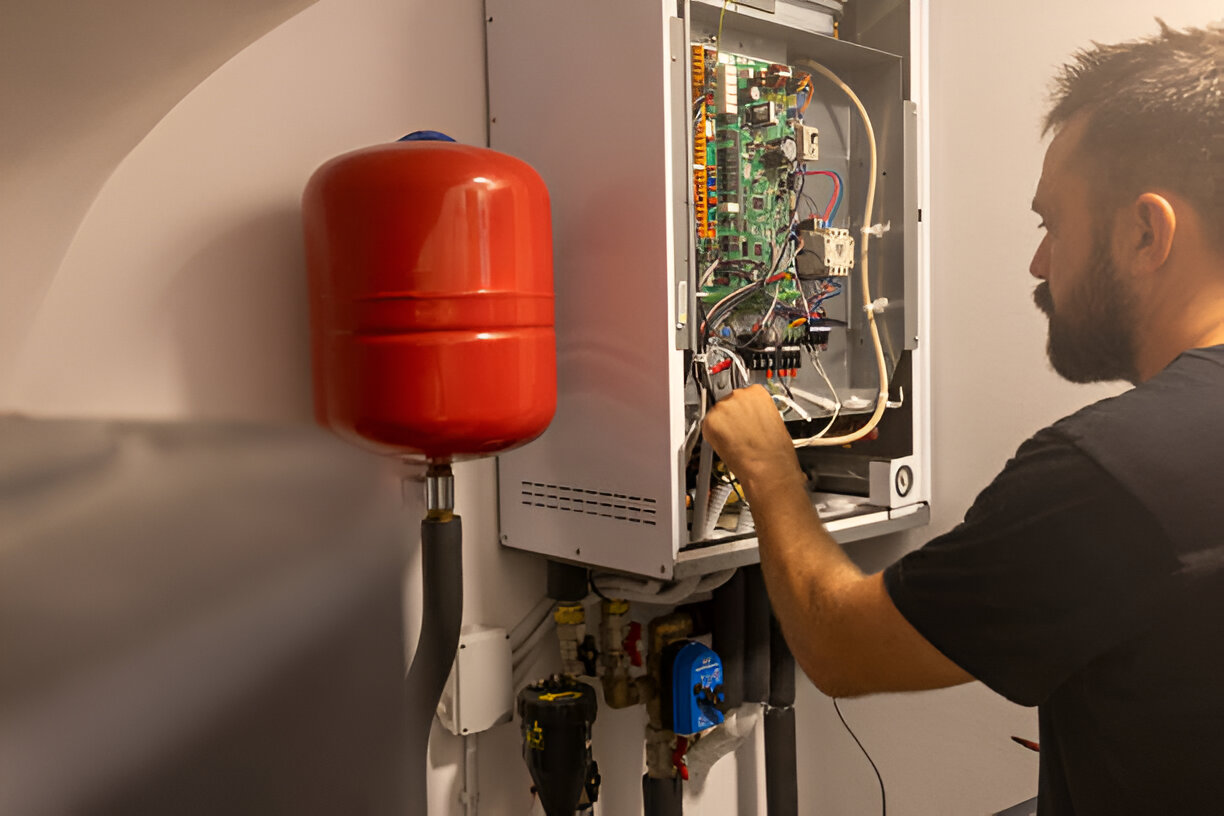
- Older or failing systems create uneven comfort during cool nights and shoulder seasons, and they can increase energy bills during peak cooling seasons because aging components strain the whole HVAC system.
- Many local homes use heat pumps as the primary heating source. An inefficient or failing heat pump affects both heating and cooling performance and can degrade indoor humidity levels.
- Replacing an end-of-life heating system is an opportunity to improve year-round comfort, reduce operating costs, and qualify for modern efficiency incentives and warranties.
Koolflow Air understands local conditions: high humidity, salt air influences in coastal Broward County, and the need for systems that balance cooling efficiency with dependable supplemental heating. Our approach emphasizes correct sizing, modern equipment tailored to Florida climates, and code-compliant installation.
Common heating systems in Lauderdale Lakes homes
- Heat pumps (air source): Most common in South Florida. Provide both heating and cooling and are optimized for mild winter climates.
- Mini-split ductless heat pumps: Ideal for additions, multi-family units, or spaces without existing ductwork.
- Gas furnaces: Less common near Lauderdale Lakes but present in some homes; require proper venting and safety checks.
- Electric strip heating / baseboard: Found in older or specialized installations; often inefficient and a candidate for replacement with heat pump systems.
Signs your heating system needs replacement
- System age: Equipment older than 12 to 15 years is often approaching end of life; reliability drops and refrigerant types may be phased out.
- Frequent repairs: Repeated compressor failures, capacitor issues, or evaporator coil leaks indicate diminishing returns on repairs.
- Rising energy bills: If bills increase while usage patterns are similar, reduced efficiency is likely.
- Inadequate comfort: Cold spots, persistent humidity problems in winter, or long run times without reaching setpoints.
- Noisy operation or visible corrosion: Salt air and humidity in Broward County accelerate corrosion on outdoor units and components.
- Safety concerns with gas systems: Cracking heat exchangers, pilot problems, or venting issues.
System evaluation and end-of-life assessment
Koolflow Air conducts a thorough replacement assessment before recommending a full system replacement. Key steps include:
- Visual inspection: Age, corrosion, refrigerant line condition, venting, and cabinet integrity.
- Operational diagnostics: Compressor health, refrigerant charge check, airflow measurement, and electrical load tests.
- Duct system evaluation: Duct leakage, insulation, and airflow balance. Poor ductwork often reduces the value of a new system if not addressed.
- Load calculation: Manual J sizing to determine the correct capacity for comfort and efficiency that accounts for local climate, insulation, windows, occupancy, and orientation.
- Cost/benefit comparison: Compare repair costs versus expected remaining life, efficiency gains from replacement, and potential utility incentives.
- Safety checks: For gas systems, carbon monoxide and combustion safety evaluation.
The assessment determines whether repair, partial component replacement, or full system replacement delivers the best long-term value.
Equipment selection and energy-efficiency comparisons
Choosing the right equipment for Lauderdale Lakes means balancing efficiency, humidity control, and lifecycle costs. Key performance metrics and considerations:
- SEER and SEER2: Seasonal Energy Efficiency Ratio measures cooling efficiency. Higher SEER values reduce cooling costs—important in South Florida where cooling dominates energy use.
- HSPF and HSPF2: Heating Seasonal Performance Factor measures heat pump heating efficiency. Higher HSPF improves electricity use for heating.
- AFUE: Applicable to gas furnaces to show combustion heating efficiency.
- Inverter-driven variable-speed compressors: Provide more precise temperature control, improved humidity management, and reduced short cycling compared with single-speed compressors.
- Two-stage and variable-speed air handlers: Improve comfort and dehumidification in humid climates by running longer at lower speeds.
- Corrosion-resistant coatings and coated coils: Important near coastal areas to extend outdoor unit life.
- Matched systems: Choosing matched indoor and outdoor components ensures warranty eligibility and best performance.
Typical equipment options for Lauderdale Lakes:
- High-efficiency air-source heat pump: Best for year-round performance and energy savings in mild winters. Modern systems with variable-speed compressors and high SEER/HSPF ratings deliver the best humidity control.
- Ductless mini-split heat pumps: Good for rooms without ducts or for targeted comfort with high efficiency.
- Gas furnace replacement (if present): Consider converting to a heat pump when gas hookups, venting constraints, or long-term operating costs favor electric heat pumps.
Energy-efficiency comparison example (indicative):
- Replacing an older 10 SEER heat pump with a 16 SEER inverter heat pump can reduce cooling energy use by roughly 30 percent under comparable conditions.
- Upgrading from an older HSPF of 7 to an HSPF of 9 can reduce heating energy use by around 20 to 30 percent, though heating load in Lauderdale Lakes is modest compared with cooling.
Actual savings depend on electricity rates, thermostat settings, insulation, and system sizing. Koolflow Air factors these elements into equipment selection for realistic expectations.
Removal and disposal of old units
Proper removal of an old system is essential for safety, environmental compliance, and preparing the installation site. Steps we follow:
- Refrigerant recovery: EPA-compliant recovery of refrigerants using certified recovery equipment. Refrigerant types and regulations have changed, so proper handling prevents illegal venting and future compliance issues.
- Safe disconnection: Disconnect electrical, gas, and refrigerant lines following code. Inspect for any concealed damage to structure or ductwork.
- Disposal and recycling: Metal components, copper, and refrigerant-containing parts are recycled following local and federal regulations. Hazardous components are handled per environmental requirements.
- Site cleanup: Remove old pad, clear debris, and ensure the area is ready for the new unit installation.
Disposal also includes documenting recovered refrigerant and disposal paths to provide transparency and support potential rebate applications.
Permit coordination and code compliance
Heating replacement in Lauderdale Lakes requires adherence to Broward County and local municipal codes. Koolflow Air coordinates permitting and inspections to ensure compliant installations.
- Permit application: Submit required mechanical, electrical, and plumbing permits where applicable. Permits document the work and protect homeowners by ensuring inspections.
- Code compliance: Verify venting, combustion air (for gas), electrical service capacity, disconnects, and accessible equipment placement meet current codes.
- Inspections: Coordinate municipal inspections as required, from rough-in to final inspection, to ensure systems are installed per code and manufacturer specifications.
- Documentation: Maintain permit and inspection records for homeowner files and warranty validation.
Proper permitting reduces risk, ensures safety, and prevents potential insurance or resale complications.
Typical installation timeline
Timeline varies by system type and site conditions, but typical schedules are:
- Pre-installation evaluation and equipment selection: 1 to 7 business days for assessment, sizing, and ordering equipment.
- Delivery and staging: 1 to 5 business days depending on equipment availability.
- Installation day(s):
- Standard split system or heat pump swap: 1 to 2 days for most single-family homes when ductwork is in good condition.
- Mini-split installations: 1 day per head plus time for preparation; multi-head systems may take 1 to 2 days.
- Complex replacements involving duct modifications, new gas lines, or structural changes: 2 to 5 days.
- Final inspection and commissioning: Usually completed the same day as installation or within 1 to 2 business days, depending on inspector schedules.
- Follow-up: Post-installation performance verification and a recommended tune-up at 6 to 12 months.
These estimates assume reasonable access, no asbestos or unforeseen structural issues, and timely permit approvals. Koolflow Air incorporates realistic scheduling that accounts for local permitting timelines and supply chain variations.
Financing options and rebates
Heating replacement can be financed through several pathways, and replacing an older, inefficient system often makes projects eligible for rebates or tax incentives. Typical options include:
- Manufacturer financing programs: Many HVAC manufacturers offer installment or no-interest financing options through approved contractors.
- Local lender or home improvement loans: Banks and credit unions frequently provide loans designed for home energy upgrades.
- Utility rebates: Local utilities and energy providers may offer rebates for high-efficiency heat pumps, air-source systems, and qualifying equipment. In Broward County, programs frequently promote systems that reduce peak demand and improve overall efficiency.
- Federal and state incentives: Energy efficiency tax credits and incentives have been evolving; certain heat pumps and high-efficiency systems can qualify under federal tax incentive programs.
- Energy-saving calculations: We provide estimates of payback periods and operating cost reductions to evaluate the financial impact of different equipment choices.
Koolflow Air presents financing and rebate options transparently so homeowners can evaluate lifetime cost, monthly payment implications, and total savings.
Warranty details and what to expect
Warranties protect your investment but vary by manufacturer and contractor. Typical components include:
- Manufacturer warranty: Covers major components such as compressors and heat exchangers. Compressor warranties often range from 5 to 10 years or longer for specific lines when registered.
- Limited parts warranty: Manufacturers provide varying terms for parts. Registration and professional installation are commonly required.
- Labor warranty: Contractor labor warranties typically range from 1 to 5 years depending on the company policy and the installation scope.
- Extended warranty options: Available through manufacturers or third-party providers for longer coverage on parts and labor.
- Warranty validation requirements: Proper installation, product registration, and documented maintenance are usually required to keep warranties valid.
Koolflow Air documents all warranty terms, clarifies owner responsibilities for maintenance, and provides the necessary paperwork to support claims should issues arise.
Expected energy savings after replacement
Estimating energy savings depends on the existing system, new equipment efficiency, home envelope, and usage patterns. For Lauderdale Lakes homeowners, the largest gains typically come from cooling season improvements because cooling represents the bulk of HVAC energy use.
Typical savings scenarios:
- Replacing a 10 SEER heat pump with a 16+ SEER inverter-driven heat pump: Cooling energy use reductions of 25 to 40 percent in many cases.
- Upgrading to a higher HSPF heat pump from an older model: Heating energy savings of 15 to 30 percent, depending on winter usage.
- Switching from electric resistance or older electric strip heating to a modern heat pump: Large decreases in heating energy, often 40 to 60 percent, though heating loads are relatively small in Lauderdale Lakes.
- Addressing duct leakage and adding proper air sealing/insulation: Can further reduce energy use by 10 to 30 percent depending on the initial condition of the ductwork and building envelope.
Illustrative example:
- If a household’s combined HVAC energy use for cooling and heating was previously 1,200 kWh per month during peak months, a 30 percent reduction after replacement could reduce HVAC use by about 360 kWh per month for those months. Actual dollar savings depend on local electricity rates and seasonal usage patterns.
Koolflow Air provides site-specific estimates during the evaluation so you can compare expected savings across equipment choices and calculate likely payback periods.
Installation quality and durability in South Florida conditions
Lauderdale Lakes presents challenges such as high humidity, frequent storms, and proximity to salt-laden air. Durable installation practices include:
- Elevated pad placement to minimize flood risk.
- Corrosion-resistant outdoor unit coatings and stainless or coated hardware.
- Proper drainage and condensate management to prevent moisture intrusion.
- Wind-strapping and anchoring for outdoor units in hurricane-prone regions.
- Proper attic insulation and ventilation to reduce system stress during summer months.
These measures extend system life, reduce maintenance needs, and maintain performance in humid subtropical climates.
Post-replacement maintenance and tips to extend system life
A new system delivers best value when maintained properly. Recommended actions:
- Annual tune-ups: Professional preventive maintenance once per year for heat pumps, ideally before peak cooling season.
- Regular filter changes: Replace or clean filters every 1 to 3 months depending on occupancy and filter type.
- Keep outdoor units clear: Maintain 2 to 3 feet of clearance around outdoor units and remove debris and vegetation.
- Duct sealing and insulation: Address leaks and improve insulation to protect efficiency gains.
- Smart thermostat use: Programmable or learned thermostat strategies optimize run times and reduce unnecessary cycling.
- Monitor refrigerant levels and airflow: Prompt attention to odd sounds, less airflow, or reduced heating and cooling output prevents larger failures.
Consistent maintenance preserves warranty coverage and maximizes energy savings.
Benefits of replacing on an informed schedule
- Improved comfort and humidity control that suit Lauderdale Lakes climate.
- Lower long-term operating costs through higher efficiency equipment.
- Reduced repair frequency and fewer emergency breakdowns during peak seasons.
- Environmental benefits from reduced energy consumption and proper refrigerant handling.
- Enhanced home value with modern, documented HVAC upgrades and valid permits.
Koolflow Air’s approach emphasizes correct sizing, matched equipment, and installation practices that prioritize long-term performance in South Florida conditions.
Frequently Asked Questions
Q: How do I know if I need a full heating replacement rather than repairs?
A: If your system is over 12 to 15 years old, requires frequent major repairs, operates inefficiently, struggles to maintain comfort, or has compressors and coils showing signs of failure, a full replacement often provides better long-term value than ongoing repairs. A professional diagnostic and cost-benefit comparison will clarify the best path.
Q: What type of heating system is best for Lauderdale Lakes homes?
A: For most Lauderdale Lakes homes, a modern air-source heat pump with inverter technology and a high SEER/HSPF rating is the best fit because it handles both cooling and heating efficiently and provides improved humidity control. Ductless mini-splits are good for specific zones or additions.
Q: How long does a typical heating replacement take?
A: Most straightforward heat pump replacements are completed in 1 to 2 days. More complex projects involving ductwork changes, gas line work, or structural access can take several days. Pre-installation scheduling and permit timelines can extend the overall project duration.
Q: Will I need a permit for replacement in Lauderdale Lakes?
A: Yes. Mechanical, electrical, and sometimes plumbing permits are required for heating system replacement in Broward County and Lauderdale Lakes. Licensed contractors coordinate permit submission and inspections to ensure code compliance.
Q: Are there rebates or incentives available for upgrading to a high-efficiency heat pump?
A: Many high-efficiency systems qualify for manufacturer promotions, utility rebates, and federal incentives. Availability changes over time and can depend on equipment efficiency ratings and contractor participation. Documenting permits and professional installation is usually required to claim incentives.
Q: How much can I expect to save on energy bills after replacement?
A: Savings vary by the efficiency difference between old and new systems, local electricity rates, insulation levels, thermostat settings, and usage. Typical reductions in cooling energy can range from 20 to 40 percent when upgrading from older low-SEER systems to modern high-SEER, inverter-driven heat pumps.
Q: What happens to my old unit after removal?
A: Old units are dismantled, refrigerant is recovered by certified technicians, and recyclable materials are processed per environmental regulations. Hazardous materials are handled in compliance with federal and local rules, and disposal is documented.
Q: What warranties should I expect with a new heating system?
A: Expect a manufacturer warranty for major components such as compressors and coils, varying from 5 to 10 years or more for selected models, plus parts warranties and contractor labor warranties that commonly range from 1 to 5 years. Proper installation and routine maintenance are typically required to keep warranties valid.
Q: Can upgrading my heating system improve indoor humidity control?
A: Yes. Modern heat pumps with variable-speed compressors and properly sized air handlers run longer at lower speeds, removing more moisture from the air and improving humidity control compared with older single-speed systems.
Q: Will replacing my heating system also improve my cooling?
A: Absolutely. For most Lauderdale Lakes homes, heating and cooling are integrated in a heat pump system. Replacing an inefficient or failing heat pump improves cooling efficiency, comfort, and dehumidification as well as heating performance.
Koolflow Air approaches heating replacement with local knowledge, professional evaluation, and a focus on long-term performance and compliance. Our assessments clearly outline options, expected savings, installation scope, permitting, and warranty coverage so homeowners and property managers in Lauderdale Lakes can choose a solution that balances comfort, durability, and cost over the lifecycle of the system.

Hear what our satisfied
clients have to say

SERVICE AREAS