


Heating Maintenance in Fort Lauderdale, FL

Keeping your home comfortable year round in Fort Lauderdale requires more than solving problems as they appear. Routine heating maintenance is the difference between an efficient, reliable system and surprise breakdowns, higher utility bills, and premature equipment replacement. Koolflow Air provides clear, expert guidance on preventative heating maintenance plans tailored to Fort Lauderdale homes, where coastal conditions, humidity, and seasonal temperature swings create unique demands on heating equipment.
Why heating maintenance matters in Fort Lauderdale
Fort Lauderdale winters are mild compared with northern climates, yet heating systems still run during cool nights and occasional cold fronts. Most homes in this region rely on heat pumps or ductless systems rather than traditional high-usage gas furnaces. These systems perform double duty for heating and cooling, so neglect affects both comfort and efficiency across seasons.
Local factors that make regular maintenance essential:
- Coastal salt air accelerates corrosion on outdoor components like condenser coils, fan motors, and electrical connections.
- High humidity increases stress on heat pump defrost cycles, condensate systems, and ductwork, contributing to mold, reduced airflow, and indoor air quality problems.
- Sudden cold fronts place extra load on heat pumps and auxiliary heating elements, so systems need to be inspected and ready before the season begins.
- Frequent storms and occasional power surges can damage controls, capacitors, and compressors if protections and inspections are not in place.
Planned maintenance reduces these risks, improves energy efficiency, and extends equipment life so your system performs when you need it.
Common heating system types and issues in Fort Lauderdale homes
Most heating maintenance work in Fort Lauderdale focuses on heat pumps and ductless mini-splits, with some service for packaged systems and gas furnaces. Common issues we see include:
- Refrigerant leaks or improper charge causing poor heating performance
- Corroded outdoor coils and electrical terminals from salt air exposure
- Frozen evaporator coils caused by low airflow or refrigerant issues
- Short cycling due to thermostat faults, control board problems, or electrical issues
- Worn blower motors or belts reducing airflow and efficiency
- Clogged condensate drains leading to water damage or system shutdown
- Dirty filters and restrictive ductwork lowering performance and indoor air quality
- Failing defrost controls on heat pumps leading to ice buildup and inefficiency
- Ignition or venting problems on gas furnaces (less common but critical for safety)
- Uncalibrated thermostats or misconfigured settings causing comfort inconsistencies
Understanding the typical failure modes helps prioritize inspections and preventative tasks during maintenance visits.
What a routine heating maintenance tune-up includes
A comprehensive seasonal tune-up is the foundation of any maintenance plan. For Fort Lauderdale systems, a typical heating maintenance visit includes a multi-point inspection and service checklist:
- Visual inspection of indoor and outdoor equipment for corrosion, physical damage, and rodent activity
- Replace or clean air filters; recommend correct MERV rating for the home
- Check and clean evaporator and condenser coils to restore heat transfer efficiency
- Inspect and clean blower assembly and motor; lubricate bearings where applicable
- Measure airflow and static pressure to verify duct system performance
- Check refrigerant charge and look for leaks; repair or recommend repairs if leaks are found
- Confirm proper operation of reversing valve and defrost cycle on heat pumps
- Inspect electrical connections, capacitors, contactors, and controls; tighten and test components
- Test thermostat accuracy and recalibrate or replace batteries if needed
- Test safety controls and limit switches; verify safe operation of gas ignition systems and venting where present
- Inspect and clear condensate drain lines and pans to prevent backups and microbial growth
- Test system performance under load and document operating temperatures and pressures
- Inspect ductwork for visible leaks, insulation gaps, and mold or pest contamination
- Discuss indoor air quality observations and recommended filter upgrades or UV/ventilation options
A full tune-up usually takes 60 to 90 minutes, depending on system complexity. The goal is to identify small problems before they become major repairs and to restore peak efficiency for both heating and cooling seasons.
Heat pump specific care — the Fort Lauderdale focus
Because heat pumps are the predominant heating technology here, several maintenance tasks are particularly important:
- Defrost cycle and reversing valve checks: Salt and humidity can affect components; failing defrost systems allow ice buildup and reduced heat output.
- Refrigerant and compressor health: Low refrigerant reduces capacity and may cause the compressor to overwork, especially during rare cold snaps.
- Outdoor coil corrosion protection: Regular coil cleaning and inspection can prevent performance loss caused by salt deposits and corrosion.
- Backup heat strip inspection: Many local homes rely on electric backup heat during very cold nights; those elements should be tested for continuity and correct operation.
- Electrical surge and control inspections: Coastal power fluctuations and storms can cause control board damage; preventative inspection reduces failure risk.
Tailoring maintenance to heat pump needs improves reliability across Fort Lauderdale seasons.
Recommended maintenance schedule for Fort Lauderdale homes
Frequency and timing matter. Because HVAC equipment handles both heating and cooling in South Florida, a dual-season approach is most effective:
- Spring inspection (March to May): Full AC-focused service after heavy cooling season use; check refrigerant levels, clean outdoor coil, inspect compressor and electrical components, and address any wear from continuous summer operation.
- Fall inspection (September to November): Pre-heating season tune-up focusing on heat pump performance, defrost controls, backup heat, and thermostat calibration. This ensures readiness for occasional cold nights.
- Filter changes: Inspect filters monthly and replace every 1 to 3 months depending on filter type, occupancy, pets, and indoor air quality needs.
- Duct and ventilation check: At least annually, more often for older ducts or homes prone to moisture issues.
- Post-storm inspection: After major storms or power events, have equipment checked for damage, debris, or electrical issues.
For homes with heavy usage, sensitive occupants, or older systems, consider biannual professional service plus more frequent filter maintenance.
Maintenance agreements and what to expect
Maintenance agreements provide predictable care and peace of mind. A well-structured heating maintenance plan for Fort Lauderdale should include:
- Scheduled seasonal tune-ups with documented checklists and performance reports
- Priority scheduling for service calls during busy seasons and after storms
- Discounted diagnostic or repair labor rates and parts pricing
- Reminder notifications timed to local seasonal needs (for example, fall heat pump check before cold fronts)
- Comprehensive inspection reports that track your system history and recommended next steps
- Optional add-ons such as surge protection, UV lights for microbial control, advanced filtration, or duct sealing services
These agreements create a proactive path to maximizing system life and lowering total cost of ownership. For homes near the coast, add-on corrosion mitigation recommendations and more frequent outdoor component checks can be part of an enhanced plan.
Benefits of regular heating maintenance
Investing in routine maintenance delivers measurable benefits across comfort, safety, and cost:
- Improved energy efficiency: Regular cleaning, refrigerant adjustments, and airflow optimization typically cut energy use by 10 to 25 percent compared with neglected systems.
- Longer equipment life: Preventative maintenance can extend service life by several years by avoiding premature failures of compressors, motors, and control components.
- Fewer emergency repairs: Identifying worn parts and impending failures in routine visits reduces the likelihood of unexpected breakdowns during cold snaps or storms.
- Better indoor air quality: Clean filters, properly draining condensate systems, and sealed ducts reduce dust, mold, and allergens that are more problematic in humid climates.
- Safer operation: Testing safety controls, gas ignition components, and carbon monoxide risks reduces health and liability concerns.
- Predictable budgeting: A maintenance plan helps households avoid large, unplanned repair expenses and makes replacement decisions more strategic.
These benefits compound over time, making routine maintenance a cost-effective strategy for Fort Lauderdale homeowners.
Diagnostic process: what technicians check and why
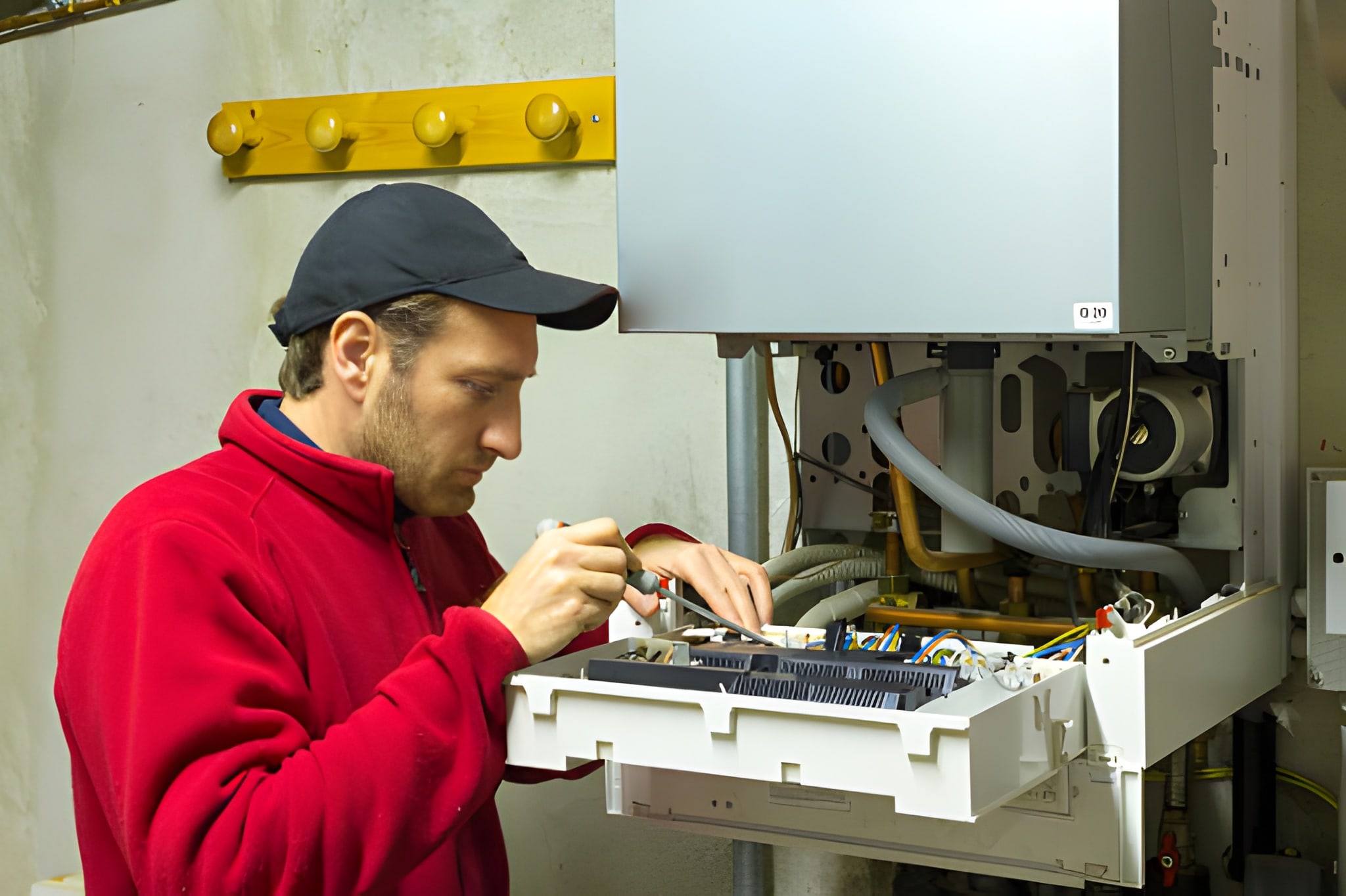
A technician performing a heating maintenance check follows data-driven diagnostics to find root causes rather than symptoms. The process includes:
This structured approach reduces guesswork and targets repairs that deliver the highest value for system longevity.
Common repairs discovered during maintenance and general remedies
During routine inspections, technicians frequently identify issues that are best addressed promptly:
- Refrigerant leaks: Locate and repair leaks, then recharge with the correct refrigerant to restore capacity and prevent compressor damage.
- Corroded electrical connections: Clean and tighten terminals, replace corroded parts, and apply protective coatings to limit future corrosion.
- Dirty or damaged coils: Professional coil cleaning restores heat transfer efficiency; severely corroded coils may require replacement.
- Faulty capacitors or contactors: Replace degraded electrical components that cause hard starting or intermittent operation.
- Blower motor wear or imbalance: Lubricate bearings, tighten fan blades, or replace motors to restore airflow.
- Clogged condensate drains and pans: Clear obstructions and treat drain lines to prevent overflow and microbial growth.
- Thermostat miscalibration: Reprogram, recalibrate, or replace thermostats for accurate control and comfort.
- Duct leaks or insulation gaps: Seal leaks and add insulation to reduce energy losses and improve distribution.
Addressing these items during planned maintenance minimizes downtime and improves system performance.
Homeowner maintenance steps between professional visits
Homeowners can take several simple actions to preserve heating performance between professional tune-ups:
- Check and replace filters regularly, more often with pets, smokers, or high dust environments.
- Keep outdoor units clear of debris, plants, and corrosive sprays. Rinse accumulated salt deposits with fresh water periodically.
- Keep vents and returns unobstructed by furniture or curtains to maintain proper airflow.
- Monitor system behavior for early signs like reduced output, unusual noises, increased cycle frequency, or moisture where it should not be present.
- Maintain a comfortable thermostat schedule and avoid extreme setpoint swings that increase system wear.
- If you have a gas furnace, ensure flues and vents remain free of obstructions and vents are secure.
These low-effort steps complement professional service and improve long-term outcomes for your system.
Preparing your system for hurricane season and storm events
Fort Lauderdale homeowners should treat storm season as part of their maintenance planning:
- Inspect and secure outdoor units against debris and wind-borne objects. Remove loose items from the vicinity prior to storms.
- Consider surge protection on systems to safeguard control boards and compressors against power spikes caused by outages.
- After a storm, have a technician inspect systems for water intrusion, debris, or structural damage. Saltwater exposure near storm surge requires immediate attention to minimize corrosion.
- Ensure condensate drains and overflow protection devices are clear to handle heavy indoor humidity swings after a storm.
Planning these steps into your maintenance agreement reduces risk and speeds recovery after severe weather events.
How maintenance improves sustainability and reduces operating costs
Well-maintained systems use less energy and generate fewer emissions by operating at designed efficiency. In practical terms:
- Cleaner coils and properly charged refrigerant improve the system's coefficient of performance, meaning more heating delivered per unit of electricity.
- Properly sealed ducts reduce distribution losses that can waste 10 percent or more of conditioned air.
- Preventive repairs avoid the efficiency penalties associated with failing components such as compressors or motors.
- Predictable maintenance enables more efficient replacement planning when systems reach end of life, allowing selection of high-efficiency models timed for optimal cost-effectiveness.
These efficiency gains translate to lower monthly utility bills and reduced environmental impact over the life of the equipment.
Investing in longevity: what you can expect
A well-executed maintenance strategy delivers measurable durability benefits:
- Reduced frequency of major repairs and emergency calls
- Improved seasonal performance for both heating and cooling modes
- Potential extension of equipment life by several years when compared with neglected systems
- Better resale value for homes with documented service history
Documented maintenance records are also valuable when evaluating system performance or transferring ownership.
Q: How often should I schedule heating maintenance in Fort Lauderdale, FL?
A: Annual professional inspections timed for spring and fall are recommended, with seasonal filter changes every 1 to 3 months. Homes with heat pumps or coastal exposure may benefit from twice yearly professional service.
Q: Are heat pumps different from gas furnaces when it comes to maintenance?
A: Yes. Heat pumps require refrigerant checks, defrost cycle testing, and more attention to outdoor coil condition. Gas furnaces need combustion and venting safety checks, which are less common in Fort Lauderdale but still important where present.
Q: Can maintenance really reduce my energy bills?
A: Proper maintenance restores efficient airflow, correct refrigerant charge, and clean heat exchange surfaces, which commonly reduces energy use by 10 to 25 percent compared to poorly maintained systems.
Q: What signs mean I should call for service right away?
A: Significant loss of heating output, unusual noises, frequent short cycling, water leaks, or any smell of gas or accumulation of carbon monoxide symptoms warrant immediate professional inspection.
Q: Does coastal salt air require special maintenance steps?
A: Yes. Outdoors components are more prone to corrosion, so regular coil inspections, protective coatings, and more frequent cleaning are advisable to prevent premature failure.
Q: What should I expect during a professional tune-up?
A: A thorough inspection including filter checks, coil cleaning, electrical tests, refrigerant assessment, airflow measurement, safety control testing, and a written report with recommended actions.
Q: Are maintenance agreements worth it?
A: For most Fort Lauderdale homes, maintenance agreements provide scheduled care, priority service during storms or busy seasons, and potential discounts on repairs, which together reduce unexpected costs and downtime.
Koolflow Air offers informed, location-specific maintenance guidance designed to keep Fort Lauderdale homes comfortable, safe, and efficient. Regular heating maintenance tailored to local climate challenges protects your investment and ensures dependable performance whether the season calls for heating or cooling.


Hear what our satisfied
clients have to say

SERVICE AREAS