


Heating Repair in Fort Lauderdale, FL

Heating repair in Fort Lauderdale, FL requires a practical, experienced approach that accounts for mild winters, high humidity, coastal salt exposure, and the specific heating systems commonly found in South Florida homes. Koolflow Air provides professional heating repair services that focus on fast diagnostics, reliable parts replacement, transparent estimates, qualified technicians, and comprehensive warranty coverage. Discover how what to expect from a professional heating repair visit, common failure causes in Fort Lauderdale homes, step-by-step troubleshooting and repair processes, and guidance on preserving comfort and efficiency year after year.
Why heating repair matters in Fort Lauderdale homes
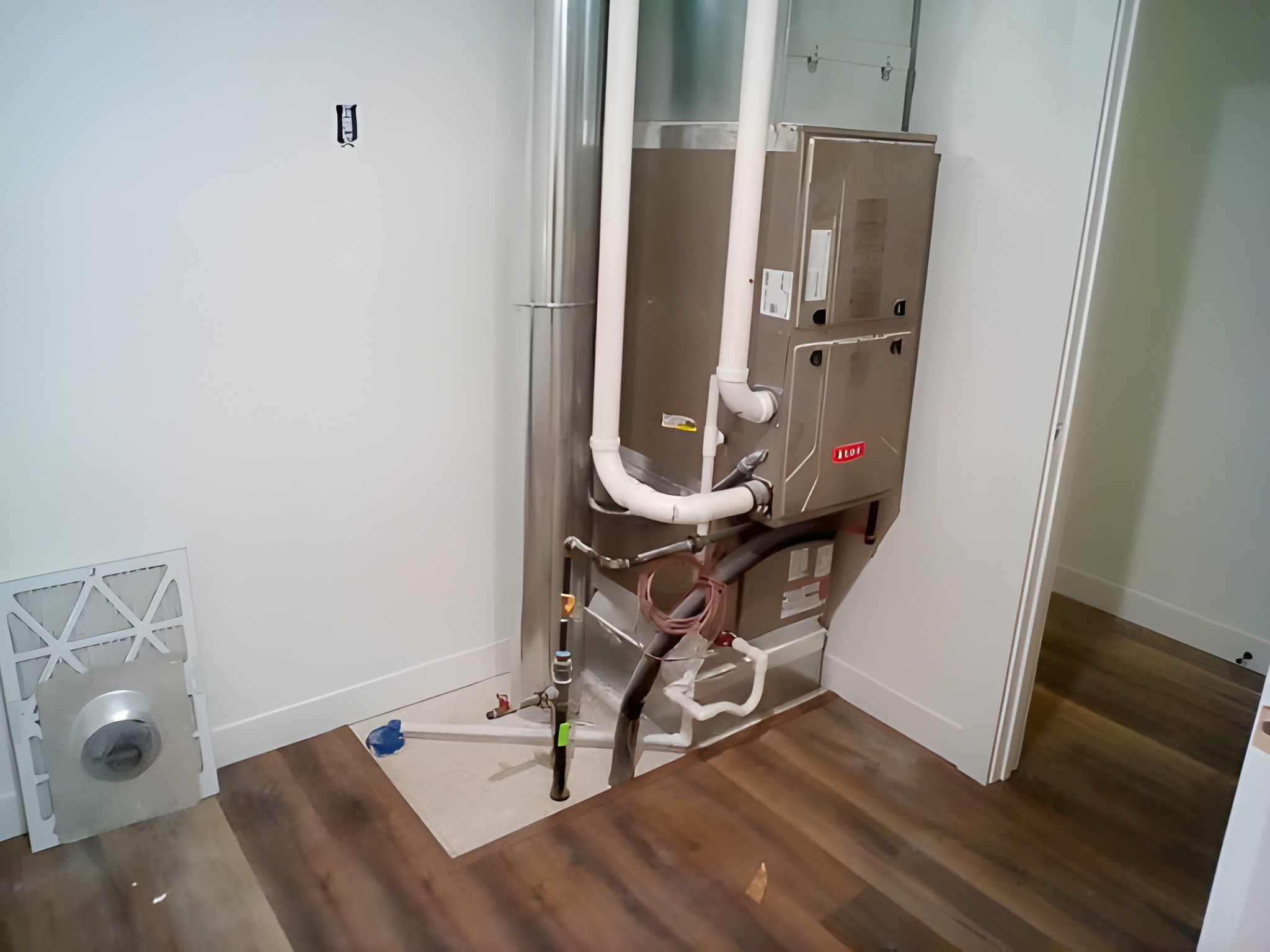
Even though Fort Lauderdale has relatively mild winters, heating systems remain important for nighttime comfort, humidity control, and protecting pipes and sensitive equipment. Many local homes use heat pumps, integrated HVAC systems, or supplemental electric heating, and those systems face unique stresses in coastal South Florida: prolonged humidity promotes corrosion and electrical issues, and salty air accelerates wear on outdoor components. Small malfunctions left unaddressed can reduce system efficiency, increase energy costs, and lead to avoidable breakdowns during cooler nights.
Koolflow Air understands these regional factors and tailors heating repair work to minimize future failures, improve system longevity, and stabilize indoor comfort without unnecessary expense. Timely repair in Fort Lauderdale also helps prevent moisture-related problems that can affect indoor air quality and building materials.
Common heating repair issues in Fort Lauderdale, FL
Most heating problems in Fort Lauderdale are predictable and fall into several categories. Knowing these common issues helps homeowners understand symptoms and the likely repairs required.
- Faulty thermostat or control board problems
- Symptoms: inconsistent temperatures, system not turning on, frequent short cycling.
- Common causes: age, humidity damage, improper calibration, wiring issues.
- Refrigerant or heat pump performance loss
- Symptoms: insufficient warmth, long run times, ice forming on coils.
- Common causes: refrigerant leaks, compressor wear, reversing valve or expansion device faults.
- Defective compressors or motors
- Symptoms: loud noises, vibration, complete failure to produce heat.
- Common causes: electrical failure, corrosion from salt air, mechanical wear.
- Ignition and gas supply problems in gas furnaces
- Symptoms: no heat, delayed ignition, smell of gas (safety concern).
- Common causes: faulty igniters, blocked burners, pilot issues, gas valve failure.
- Electrical issues and safety device trips
- Symptoms: intermittent operation, breaker trips, blown fuses.
- Common causes: loose connections, capacitor failure, worn relays, corrosion.
- Airflow restrictions and duct problems
- Symptoms: uneven heating, overheating on short cycles, high energy bills.
- Common causes: clogged filters, blocked vents, damaged ductwork, failing blower motors.
- Condensate and drainage issues (common on heat pumps and packaged units)
- Symptoms: water leaks, condensate overflow switches tripping, moisture stains.
- Common causes: clogged drain lines, degraded pans, improper slope or installation.
- Corrosion and wear to outdoor components
- Symptoms: reduced performance, visible rust, electrical faults.
- Common causes: salt air exposure, coastal humidity, inadequate protective coatings.
Diagnostic process: how a pro isolates the problem
A reliable heating repair starts with a logical, documented diagnostic process. Koolflow Air technicians follow a step-by-step sequence to identify the root cause and recommend the most cost-effective repair path.
Preliminary information and symptom review
- Technician records homeowner observations: when problem started, recent weather, any unusual sounds or smells, and prior service history.
Safety checks
- Verify gas valves, fuel supply, and electrical disconnects are in safe states. Test for gas leaks and confirm system power and grounding.
Visual inspection
- Examine indoor and outdoor equipment for visible damage, corrosion, rodent activity, or water pooling.
Thermostat and control testing
- Confirm thermostat settings, battery condition, wiring integrity, and control board operation under load.
Electrical system evaluation
- Use meters to check voltages, capacitor health, motor windings, and current draw on compressors and blowers.
Refrigerant and pressure checks (for heat pumps and mini-splits)
- Measure refrigerant pressures, subcooling, and superheat to detect leaks or metering device problems without overcharging the system.
Combustion and safety device checks (for gas-fired systems)
- Inspect burners, heat exchangers, flue integrity, and safety interlocks such as flame sensors and limit switches.
Airflow and duct diagnostics
- Check filters, blower speeds, return and supply temperatures, and measure static pressure if needed.
Condensate and drainage inspection
- Verify drain line flow, trap condition, and float switches.
- Technicians document findings, show evidence of faults where appropriate, and present a clear list of repair options with parts and labor considerations.
This structured diagnostic approach minimizes guesswork, reduces unnecessary part replacements, and helps homeowners make confident decisions.
Common repairs and parts replacement explained
Heating repairs can range from simple thermostat replacements to major component swaps. Below are common repairs explained in accessible terms so you understand what is involved and why each repair matters.
- Thermostat replacement and calibration
- Replacing an old or malfunctioning thermostat restores accurate temperature control and prevents short cycling. Thermostat recalibration ensures the system follows homeowner preferences and runs efficiently.
- Capacitor and relay replacement
- Capacitors help motors start and run. A failing capacitor or relay can cause the compressor or blower to stall. Replacement is relatively quick and often resolves intermittent startup failures.
- Compressor repair or replacement
- The compressor is the heart of a heat pump. When it fails or is electrically damaged, replacement is usually required. Technicians verify matching specifications and ensure the new compressor is installed with proper refrigeration practices.
- Refrigerant leak repair and recharge
- Leaks are detected and patched, with the system evacuated and recharged to manufacturer specifications. Proper leak repair prevents repeated performance loss and protects the compressor from low-pressure damage.
- Heat exchanger and burner service (for gas systems)
- Burst or cracked heat exchangers are safety hazards that require careful evaluation. Burner cleaning, ignitor and flame sensor replacement restore reliable, efficient combustion.
- Fan motor and blower assembly repairs
- Replacing worn blower motors or balancing assemblies resolves airflow issues and restores distribution of heated air throughout the home.
- Control board and sensor replacement
- Modern systems rely on sensitive control boards and sensors. Replacing a faulty control board or temperature sensor often eliminates erratic behavior and restores system reliability.
- Drain line cleaning and condensate pump replacement
- Clearing clogs and replacing failing pumps prevents water damage and keeps safety switches from shutting down the system.
- Corrosion mitigation and protective measures
- For coastal homes, replacing corroded components and applying protective coatings prolongs outdoor unit life. Using stainless steel fasteners, protective covers, and periodic rinses can reduce future corrosion.
Each repair is performed with documented steps, safety checks, and post-repair testing to ensure the system is running within manufacturer tolerances.
Emergency 24/7 response and what to expect
Heating failures can occur at inconvenient times. In Fort Lauderdale, quick response matters when a failing heat pump or furnace threatens comfort and indoor humidity control. Koolflow Air provides emergency response capabilities to stabilize systems and implement safe, temporary solutions until permanent repairs are completed.
Emergency response typically focuses on:
- Confirming safety and eliminating immediate hazards such as gas leaks or electrical shorts.
- Restoring temporary heat or safe operation through bypasses or temporary parts when feasible.
- Isolating the fault to prevent further damage while scheduling comprehensive repairs.
- Providing a clear, documented assessment and repair estimate for the homeowner to consider.
Emergency work emphasizes safety first and transparency second. Emergency visits often include temporary measures followed by a scheduled return to complete permanent repairs using manufacturer parts and thorough testing.
Technician qualifications and standards
Effective heating repair requires trained, licensed technicians who adhere to industry best practices and safety regulations. Koolflow Air technicians are trained in the following areas:
- State licensing and code compliance for HVAC service and gas work
- Manufacturer-specific training for common heat pump, furnace, and packaged system brands
- Electrical diagnostics and safe lockout procedures
- Refrigerant handling certifications and environmental safety practices
- Combustion analysis and flue safety testing for gas appliances
- Corrosion mitigation and coastal environment best practices
- Formal training in customer-facing documentation and explanation of repair options
Technicians document every step of the repair, including voltage readings, pressure measurements, and safety device function. Work includes updated service records that help predict future maintenance needs and extend system life.
Transparent pricing and upfront estimates
Cost transparency is critical at the decision stage. Homeowners in Fort Lauderdale should expect clear, itemized estimates that separate diagnostics, parts, labor, and warranty details. Estimates should explain:
- The diagnosed cause and why a specific repair is recommended
- Parts to be replaced with make and model or specification
- Labor hours and a description of the work to be completed
- Any temporary measures applied during emergency visits
- Warranty coverage for parts and workmanship
Providing documented, upfront estimates helps homeowners in Fort Lauderdale compare options such as repair versus controlled replacement, and understand the long-term impact on energy use, reliability, and indoor comfort.
Warranty and guarantee information
Reliable heating repair includes clear, written warranty terms. Typical warranty elements include:
- Parts warranty: coverage for manufacturer defects on replaced components for a stated period
- Workmanship guarantee: assurance that installation and repairs were completed correctly and meet local codes
- Conditional warranty details: what actions or environmental factors might void the warranty, such as lack of routine maintenance or unauthorized modifications
- Transferability and record keeping: how warranties apply to future owners and what documentation is required for claims
A professional heating repair provider documents warranty terms on the estimate and the final invoice. This ensures homeowners in Fort Lauderdale know what is covered and for how long, especially given the coastal environment that can influence component longevity.
Post-repair testing and verification
After repairs are completed, technicians perform a comprehensive verification process to ensure safety, efficiency, and owner peace of mind. Post-repair checks include:
- Running the system through full cycles to verify consistent operation
- Measuring supply and return temperatures to confirm proper heat delivery
- Checking electrical loads and motor currents to ensure components operate within expected ranges
- Verifying that condensate drains flow freely and safety switches are functional
- Confirming thermostat calibration and control responsiveness
Documentation of test results is provided so homeowners can see the measurable improvements and keep accurate service records.
Preventive maintenance and seasonal readiness
Preventive maintenance is the most cost-effective way to prolong heating system life and avoid unexpected failures. In Fort Lauderdale, maintenance routines should address coastal-specific concerns and humidity control. Recommended maintenance items include:
- Twice-annual inspections for heat pumps and HVAC systems to align with the mild winter and warm season needs
- Replacing or cleaning filters regularly to improve airflow and indoor air quality
- Inspecting outdoor units for corrosion, debris, and salt buildup; rinsing and cleaning as appropriate
- Checking electrical connections and tightening terminals exposed to humid conditions
- Testing safety devices and flue integrity on gas appliances
- Verifying refrigerant charge and inspecting for leaks at line sets and fittings
- Cleaning condensate drains and checking traps to prevent water backup
Regular maintenance reduces emergency repairs, optimizes energy usage, and provides an opportunity to discover minor issues before they become major expenses.
How proper heating repair improves comfort and lowers costs
Repairing heating systems correctly produces immediate and long-term benefits for Fort Lauderdale homeowners. Quality repairs restore consistent indoor temperatures, reduce run times and energy consumption, and prevent moisture-related building issues. Well-repaired systems also avoid repeated emergency calls and minimize the risk of compressor or heat exchanger failure, which are costly to replace.
From an efficiency perspective, fixing refrigerant leaks, replacing faulty capacitors, and restoring proper airflow directly reduces energy draw. For homes with integrated HVAC systems, balancing ducts and ensuring the heating portion is operating correctly helps maintain overall system efficiency year-round.
Documentation and aftercare
Professional heating repair includes clear documentation that homeowners can reference later. Typical aftercare documentation covers:
- Detailed description of the problem found and the root cause
- Parts used with serial numbers and manufacturer details
- Measured values before and after repair (voltages, pressures, temperatures)
- Warranty documents and recommended follow-up schedule
- Maintenance tips specific to the homeowner’s system and Fort Lauderdale environment
This documentation provides peace of mind and helps maintain resale value for the property.
Final overview: reliable heating repair built for Fort Lauderdale
Heating repair in Fort Lauderdale, FL demands a mix of technical skill, coastal experience, and transparent communication. Whether the issue is a temperamental thermostat, a leaking refrigerant line in a heat pump, a failing blower motor, or a combustion safety concern in a gas furnace, professional repair focuses on diagnosing the root cause, recommending durable solutions, and protecting the homeowner from repeated failures.
Koolflow Air brings regional insight into every repair, addressing humidity and salt air impacts, ensuring safety, and documenting work with clear estimates and warranty coverage. The goal is to restore comfort reliably, preserve system efficiency, and provide homeowners with straightforward, evidence-based repair options and maintenance guidance.
Q: What types of heating systems do you repair in Fort Lauderdale, FL?
A: We repair heat pumps, packaged systems, ductless mini-splits, electric furnaces, and gas furnaces, with procedures tailored to the coastal environment and each system type.
Q: How quickly can emergency heating issues be stabilized?
A: Emergency response focuses on immediate safety and temporary stabilization, followed by a documented plan for permanent repairs; timing depends on the specific fault and availability of parts.
Q: Will I get an upfront written estimate before repairs begin?
A: Yes, detailed, itemized estimates are provided that explain the diagnosis, parts to be used, labor involved, and warranty terms before any non-emergency repairs proceed.
Q: Do your technicians have certifications for refrigerant handling and gas work?
A: Technicians hold refrigerant handling certifications and are trained for safe gas appliance work, including combustion testing and code-compliant procedures.
Q: What kind of warranty coverage comes with repairs?
A: Warranty coverage typically includes parts warranty from manufacturers and a workmanship guarantee for a stated period; specific terms are provided in writing with the estimate and invoice.
Q: How does coastal salt air affect my heating system and what can be done?
A: Salt air accelerates corrosion of outdoor components and electrical connections; mitigation includes periodic rinsing, protective coatings, stainless hardware, and timely replacement of corroded parts.
Q: Can you repair heat pumps that freeze or develop refrigerant leaks?
A: Yes, diagnostics include pressure and leak testing, repairing leaks where feasible, evacuating and recharging to manufacturer specifications, and testing system operation to prevent future issues.
Q: Are temporary repairs common during emergency calls?
A: Temporary fixes can be necessary to ensure safety and restore limited operation; they are always documented and followed by recommendations for permanent, code-compliant repairs.
Q: How often should heating equipment be inspected in Fort Lauderdale?
A: For coastal Florida, semiannual inspections are recommended to align with seasonal needs and to address corrosion and humidity-related wear before failures occur.
Q: What documentation will I receive after the repair?
A: You will receive a detailed report that lists the diagnosed problem, parts replaced with specifications, pre- and post-repair measurements, warranty information, and recommended maintenance steps.

Hear what our satisfied
clients have to say

SERVICE AREAS