


Heating Tune-Up in Fort Lauderdale, FL

A professional heating tune-up is the single most effective preventive step to keep your home warm, safe, and energy efficient during Fort Lauderdale cool spells. Even though winters here are milder than inland areas, heating systems still face unique stresses from coastal humidity, salt air corrosion, and long idle periods between seasons. A thorough tune-up restores combustion efficiency, verifies safety systems, and uncovers small issues before they become costly breakdowns. Koolflow Air provides a complete, technician-led inspection and maintenance process tailored to the demands of Fort Lauderdale homes and climate.
Why a heating tune-up matters in Fort Lauderdale
Many Fort Lauderdale residences do not use their heating system daily, which increases the chance that minor problems go unnoticed until the first cold snap. Coastal factors compound that risk:
- High humidity can accelerate corrosion of metal components and lead to moisture in combustion and ventilation systems.
- Salt air can speed up surface corrosion on exterior components, electrical connections, and vent terminations.
- Mild winters mean heaters sit idle for months; ignition systems, gas valves, and burners can degrade from inactivity.
- HVAC systems serve dual roles for many homes, contributing to indoor air quality concerns when the heater is activated after a long idle period.
Scheduling seasonal tune-ups reduces emergency repairs, improves indoor comfort on cool nights, and keeps your system operating more efficiently throughout the occasional Fort Lauderdale cold fronts.
Common heating problems in Fort Lauderdale homes
Homeowners in coastal South Florida most often encounter these heating issues:
- Failure to ignite or intermittent ignition after long idle periods.
- Yellow or irregular burner flames indicating combustion problems.
- Reduced airflow caused by clogged filters, dirty blower wheels, or restricted ductwork.
- Excessive cycling or short cycles triggered by poor thermostat calibration or control faults.
- Strange odors or moisture-related corrosion in heat exchangers and vents.
- Elevated carbon monoxide risk due to blocked vents, cracked heat exchangers, or faulty combustion.
- Unexpected electrical faults from corroded terminals or degraded wiring insulation.
A tune-up addresses these common issues through inspection, cleaning, testing, and adjustment.
What a full heating tune-up includes
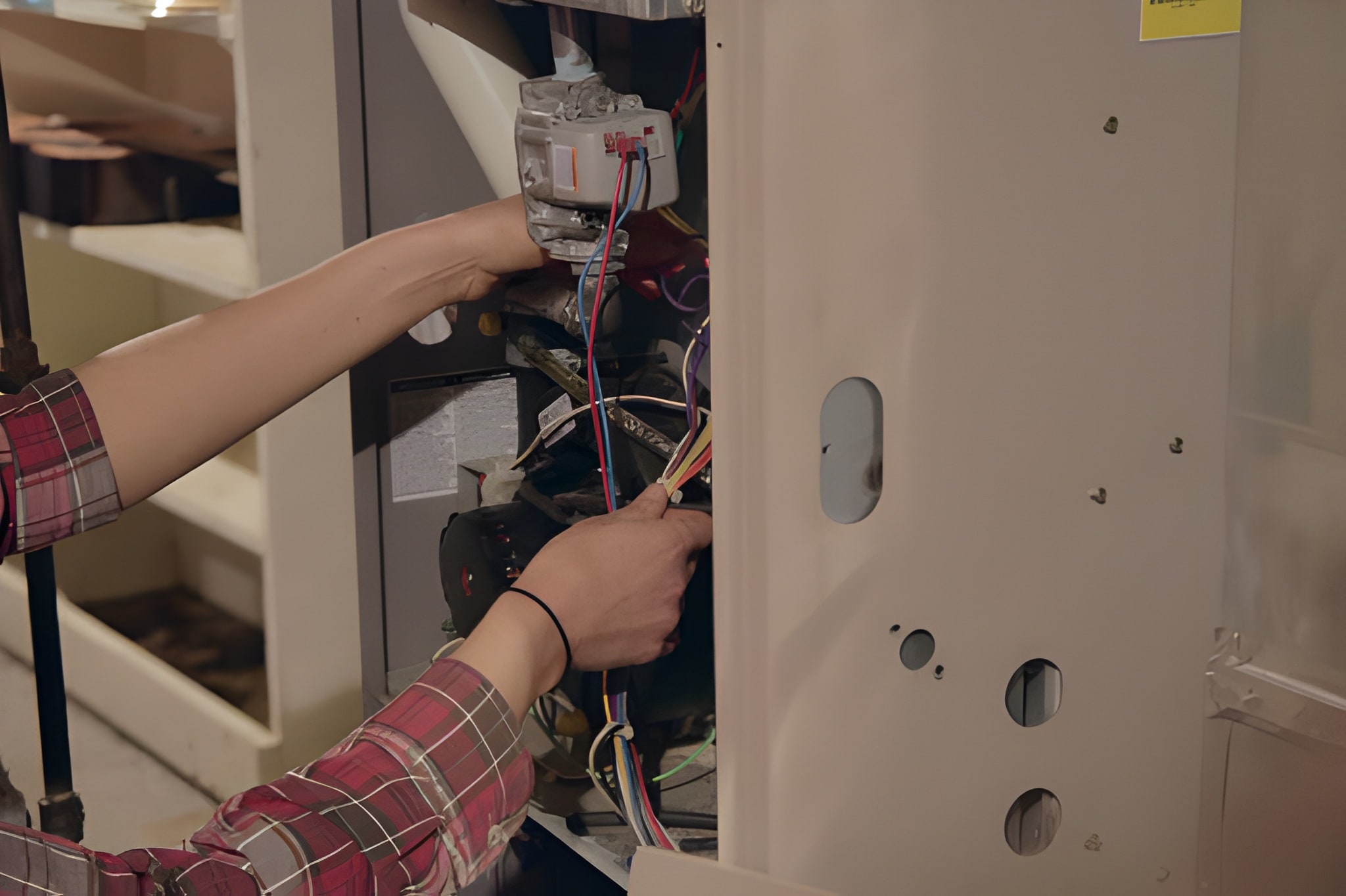
A professional tune-up is methodical. The following diagnostic inspection checklist outlines the standard components and tests included in most complete heating tune-ups:
- Visual inspection of the furnace or heating unit exterior for corrosion, leaks, or animal ingress.
- Verification of proper airflow and return pathways; filter inspection and replacement option.
- Burner and ignition system cleaning and adjustment.
- Heat exchanger visual and, where required, pressure or combustion analysis to detect cracks or leaks.
- Thermostat calibration and control sequence verification.
- Safety control testing including limit switches, rollout switches, and flame sensors.
- Pilot assembly or electronic ignition testing and cleaning.
- Draft and venting inspection to confirm correct flue flow and termination clearances.
- Carbon monoxide testing at the appliance and ambient indoor air checks when applicable.
- Electrical system inspection: wiring, connections, capacitors, relays, and fuses.
- Blower motor and wheel cleaning and lubrication where accessible.
- Gas valve and manifold pressure checks for proper fuel delivery (gas systems).
- Condensate drainage and trap inspection on high-efficiency units.
- System performance baseline report with measured temperatures, pressures, and combustion readings if required.
Each item is documented so you have a clear record of system health and any recommended follow-up.
Detailed tune-up process explained in plain terms
Below is how trained technicians approach each core area during a tune-up, described without technical jargon.
Burners and ignition
- Clean burners to remove soot and debris that reduce efficiency.
- Inspect ignition systems: pilot assembly or electronic ignition. Clean or replace the flame sensor if it is soiled to prevent shutdowns.
- Adjust air-to-fuel ratio where possible to achieve a steady, blue flame that indicates good combustion.
Thermostat calibration and controls
- Verify thermostat setpoints against measured temperatures. Recalibrate or recommend replacement if temperature control is inconsistent.
- Test control sequences so the system responds correctly to heating calls, fan settings, and safety interrupts.
Safety and carbon monoxide checks
- Perform a combustion test or visual inspection of the heat exchanger for signs of stress or cracks. Even hairline faults can create danger.
- Measure carbon monoxide levels at the appliance exhaust and in the immediate living space when applicable.
- Test safety cutoffs and limit switches to ensure they trip at their rated setpoints.
Airflow and blower system
- Inspect and clean the blower wheel and housing to restore proper air movement.
- Check return and supply paths, confirm panel seals, and evaluate filter condition.
- Measure static pressure if necessary to diagnose duct restrictions or poorly sized filters.
Electrical and components
- Tighten electrical connections, inspect contactors and relays for pitting or burning, and test capacitors and motors.
- Replace or recommend replacement for failing electrical components to prevent intermittent faults.
Venting and flue integrity
- Clear and inspect exhaust and intake vents for blockages, bird nests, or corrosion.
- Confirm proper slope and termination heights to avoid backdrafting.
Ductwork and distribution (inspection and recommendations)
- Visually inspect accessible ducts for disconnections, excessive dust buildup, or insulation gaps.
- Recommend sealing or balancing if noticeable temperature differences persist between rooms.
Documentation and recommendations
- Generate a report summarizing findings, any corrective actions taken, and recommended repairs or efficiency upgrades.
- Provide estimated energy performance improvements you can expect after maintenance.
Efficiency optimization tips specific to Fort Lauderdale
Optimizing heating performance is not just about the furnace. In Fort Lauderdale you can get more reliable comfort with a few targeted measures:
- Keep filters clean year-round. Humidity accelerates particulate build-up; check every 1 to 3 months.
- Ensure exterior vent terminations are free from salt buildup and debris. Coastal exposure reduces effectiveness if left unattended.
- Seal duct leaks in attic and crawl spaces where humid air intrusion causes loss of conditioned air and potential moisture issues.
- Consider programmable or smart thermostats to reduce run-time during mild nights and maintain consistent setpoints during occasional cold snaps.
- Insulate accessible ductwork in unconditioned spaces to reduce thermal losses when heating is active.
- Verify attic and roof insulation levels to reduce heat exchange and limit demand on the heating system, even in South Florida.
- Maintain balanced humidity to avoid condensation on duct surfaces when the heat runs; use ventilation strategies during seasonal transitions.
Small improvements in distribution and controls frequently yield more comfort than increasing furnace output.
Safety and carbon monoxide explained simply
Carbon monoxide is an odorless, colorless gas that can result from incomplete combustion. During a tune-up, safety checks focus on preventing exposure:
- Inspect the heat exchanger for cracks or signs of failure. A compromised exchanger is the most common source of CO entering living spaces.
- Confirm proper venting to ensure combustion products are carried outdoors without leakage.
- Test CO concentrations at the appliance and advise when ambient measurements indicate potential risk.
- Verify that safety devices like flame sensors and limit switches operate correctly to prevent unsafe operation.
A professional tune-up reduces CO risk by restoring proper combustion and venting and by catching early signs of component deterioration.
Estimated duration and what to expect during a service visit
A complete heating tune-up for a single residential system typically takes between 60 and 120 minutes. The exact time depends on system type, accessibility, and whether additional repairs are required. During the visit you can expect:
- Arrival by a trained technician with industry-standard tools and diagnostic meters.
- A brief visual walkthrough to note system location, access constraints, and any homeowner concerns.
- System power-down and safe access to combustion and electrical components.
- Step-by-step inspection, cleaning, adjustment, and testing as outlined in the diagnostic checklist.
- Final operational test to confirm performance and safety.
- A written summary of findings and suggested next steps.
Technicians work to minimize disturbance and leave the workspace clean and safe.
When a tune-up will save you money and headaches
Regular tune-ups prevent many common and expensive problems:
- Improve fuel and energy efficiency, which reduces monthly operating costs during cold nights.
- Identify small repairs before they become major, expensive failures.
- Restore reliable ignition and reduce the likelihood of emergency service calls during the first cold spell.
- Help extend the service life of critical components like burners, control boards, and motors.
- Preserve any applicable manufacturer warranty requirements that mandate scheduled maintenance.
For Fort Lauderdale homes, tune-ups also minimize corrosion-related deterioration by enabling earlier intervention.
Recommended frequency and seasonal timing
- Perform a professional heating tune-up once a year before the start of the cooler season. In Fort Lauderdale the optimal window is late October through early December, before the first prolonged cool period.
- If your system is older than 10 years or has a history of intermittent faults, consider semi-annual inspections.
- High-use hybrid systems or units installed in harsh coastal conditions benefit from more frequent checks.
A consistent maintenance cadence reduces the impact of corrosive salt air and ensures systems are ready when temperature dips occur.
Typical repairs or adjustments uncovered during tune-ups
Common follow-up items identified during a tune-up include:
- Flame sensor cleaning or replacement to eliminate false shutdowns.
- Filter replacement and duct sealing for improved airflow.
- Minor electrical repairs such as tightening connections or replacing corroded terminals.
- Blower motor balancing or capacitor replacement to restore airflow and reduce noise.
- Vent pipe cleaning or replacing corroded sections that compromise draft.
- Thermostat replacement or recalibration for accurate temperature control.
Addressing these items early results in smoother operation and fewer surprises.
Long-term benefits of seasonal tune-ups
Scheduling seasonal heating tune-ups produces measurable benefits:
- Safer operation through verified combustion and venting systems.
- Better indoor comfort with consistent temperature control and airflow.
- Improved energy efficiency that translates into lower operating costs over time.
- Reduced emergency repair frequency during off hours or weather events.
- Longer overall equipment lifespan due to reduced strain and early wear correction.
For coastal Fort Lauderdale homes, the added benefit is targeted attention to corrosion and humidity-related concerns that standard tune-ups elsewhere might overlook.
Signs you need a tune-up sooner than scheduled
Consider requesting service sooner if you notice any of these warning signs:
- System will not ignite or takes multiple attempts to light.
- Unusual odors when the heating first comes on, including rotten or metallic smells.
- Increased cycling or inability to maintain set temperature.
- Sooty or yellow burner flames indicating combustion issues.
- Persistent cold spots in rooms despite the system running.
- Any CO detector alarm activation or unexplained headaches and nausea when the system is operating.
These symptoms suggest immediate attention to prevent unsafe conditions or more extensive damage.
Maintenance plans and record keeping
Keeping a maintenance log helps track system performance and warranty compliance. Recommended elements to record:
- Date of each tune-up and the technician name.
- Key measurements taken during service: temperature rise, combustion readings, and airflow notes.
- Parts cleaned, adjusted, or replaced.
- Any follow-up work scheduled or completed.
A documented history simplifies future diagnostics and provides value if you sell your property.
FAQs
Q: How often should I get a heating tune-up in Fort Lauderdale, FL?
A: Annually is recommended for most residential systems, timed before the cooler season. Homes with older equipment, high corrosion exposure, or frequent use should consider more frequent inspections.
Q: Will a tune-up reduce my energy bills?
A: Yes. Cleaning burners, optimizing combustion, ensuring correct airflow, and calibrating controls can improve efficiency and reduce run-time, which lowers energy use during the times you run your heating.
Q: Is a carbon monoxide check part of a standard tune-up?
A: Yes. Professional tune-ups include combustion and carbon monoxide checks at the appliance and, when appropriate, ambient checks to verify safe operation and venting.
Q: How long does a heating tune-up usually take?
A: A full residential heating tune-up typically takes between 60 and 120 minutes depending on system complexity, accessibility, and any repairs that are required.
Q: My heat rarely runs in Fort Lauderdale. Is a tune-up still necessary?
A: Absolutely. Systems that sit idle are more prone to ignition problems, corrosion, and component sticking. A tune-up ensures reliable operation when you need heat.
Q: What if the technician finds a cracked heat exchanger?
A: A cracked heat exchanger is a serious safety concern due to potential carbon monoxide leakage. The appliance should not be operated until the heat exchanger is repaired or replaced.
Q: Does a tune-up include filter replacement?
A: Tune-up visits include filter inspection. Replacement is available as part of the service when needed, and technicians can recommend the appropriate filter type and schedule.
Q: Can tune-ups help with uneven heating throughout the home?
A: Yes. A tune-up inspects airflow, blower performance, and duct condition. Technicians can identify distribution issues and recommend duct sealing, balancing, or other corrective measures.
Q: Do tune-ups extend the life of my heating system?
A: Regular maintenance reduces wear on key components, helps prevent premature failures, and often extends service life by several years when combined with timely repairs.
Q: Are any special preparations needed for the appointment?
A: Clear access to the furnace or heating unit and thermostat area. Remove any items stored near the system so the technician can work safely and efficiently.
Koolflow Air performs comprehensive heating tune-ups with attention to Fort Lauderdale climate challenges and safety priorities. Proper seasonal maintenance keeps systems safe, efficient, and dependable when you need them most.


Hear what our satisfied
clients have to say

SERVICE AREAS