


Best Practices for Commercial Cooler and Freezer Maintenance

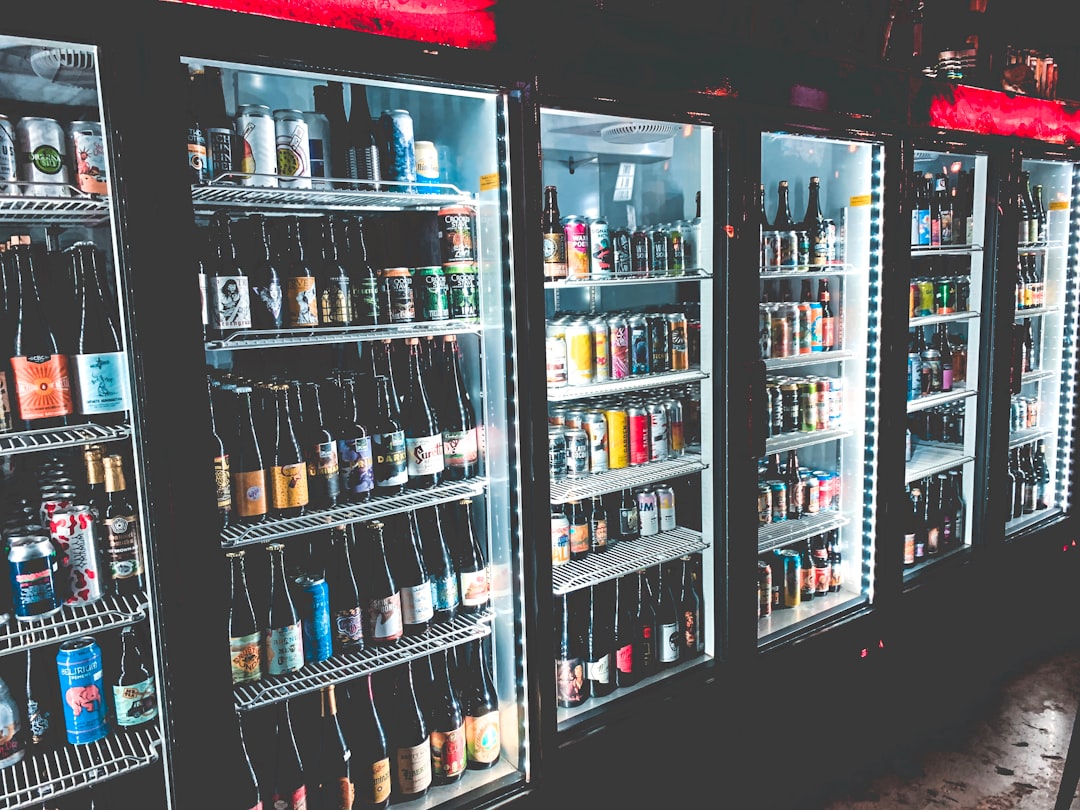
Why Every Food Business Needs a Commercial Refrigeration Maintenance Checklist
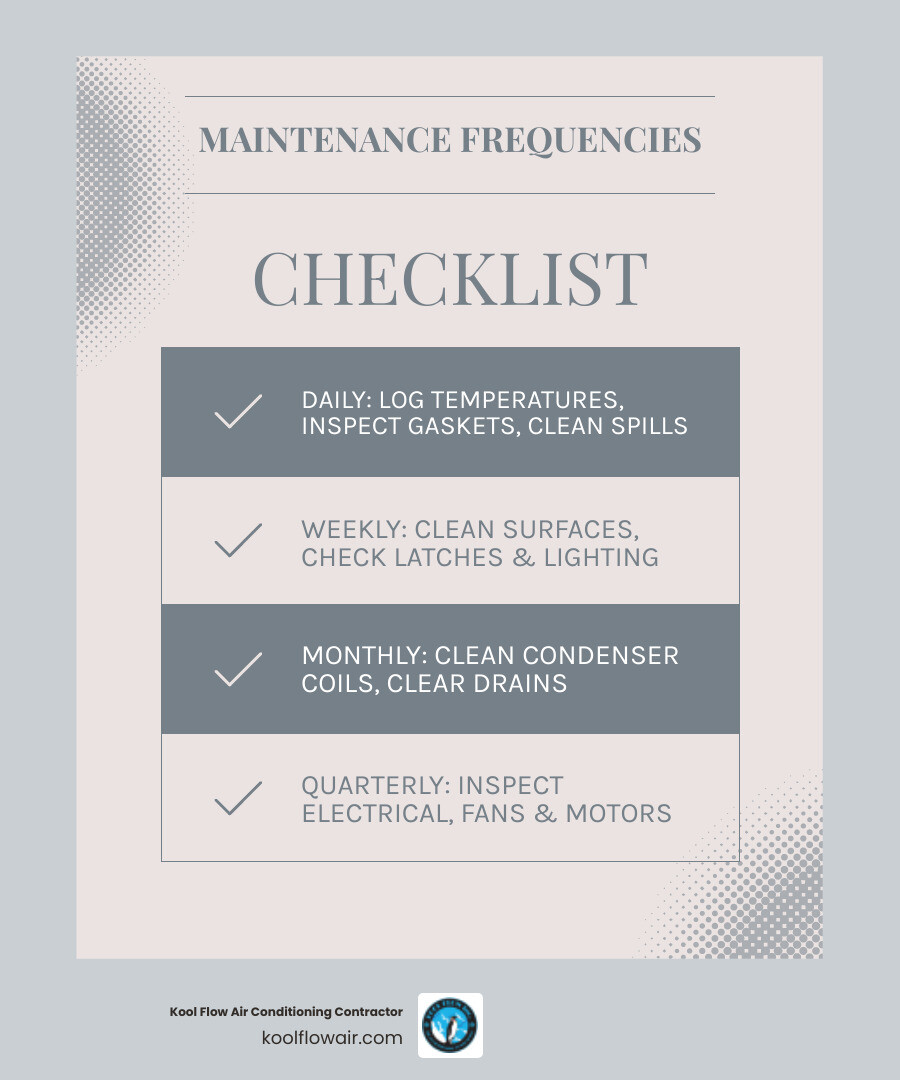
A commercial refrigeration maintenance checklist is the backbone of keeping your coolers and freezers running reliably, your food safe, and your energy bills in check. Here is a quick overview of the core tasks organized by frequency:
Quick-Reference Commercial Refrigeration Maintenance Checklist:
| Frequency | Key Tasks |
|---|---|
| Daily | Log temperatures, inspect door gaskets, clean spills, check for unusual noises |
| Weekly | Clean interior surfaces, inspect evaporator area, check door latches and lighting |
| Monthly | Clean condenser coils, clear drain lines, verify defrost and thermostat settings |
| Quarterly | Inspect electrical connections, check fans and motors, review maintenance logs |
| Semi-Annual | Professional refrigerant check, leak detection, coil deep clean |
| Annual | Full system performance audit, oil sample analysis, component wear assessment |
Picture this: it is the weekend before a major holiday, your store is packed, and you notice the temperature in your refrigeration units slowly climbing. That scenario plays out far too often for businesses that skip routine upkeep. A single failed walk-in cooler can mean thousands of dollars in spoiled product, emergency repair costs, and potential health code violations — all of which a simple, consistent maintenance routine can help you avoid.
Commercial refrigeration systems run continuously, unlike most other kitchen equipment. That non-stop operation means wear builds up fast, and small problems like a dirty condenser coil or a worn door gasket can quietly drain energy and push your system toward failure. According to technical research on refrigeration systems, as little as 0.01 inches of dust buildup on condenser coils can reduce capacity by 5%, and further buildup can cost you up to one fifth of total system efficiency.
The good news is that staying ahead of these issues does not require a huge investment of time or money. A structured checklist, followed consistently by your staff and a qualified technician, is one of the most cost-effective tools a food service business can use.
Why a Commercial Refrigeration Maintenance Checklist is Essential
We have seen it time and again: a business owner ignores their walk-in freezer because "it's working fine," only to face a catastrophic failure during a South Florida heatwave. Implementing a commercial refrigeration maintenance checklist is not just about keeping things cold; it is a comprehensive business strategy.
Preventing Product Spoilage
A single downed walk-in cooler can result in thousands of dollars in spoiled inventory. Beyond the immediate loss of goods, you face the nightmare of foul odors, potential health code violations, and the logistical headache of disposing of ruined stock. Regular maintenance ensures your units maintain the consistent temperatures required to keep food safe and fresh.
EPA Section 608 Compliance
For businesses in areas like Refrigeration Maintenance Broward County FL, staying compliant with environmental regulations is critical. EPA Section 608 regulations have strict rules regarding refrigerant management. Non-compliance or failure to report leaks can result in massive fines—sometimes up to $37,500 per day. A documented maintenance history proves you are taking the necessary steps to prevent leaks and manage ozone-depleting substances responsibly.
Reducing Emergency Breakdowns
Emergency service calls are famously expensive, often costing significantly more than a scheduled tune-up. By catching a frayed belt or a failing motor during a routine check, you avoid the "emergency tax" and the downtime that halts your operations.
Energy Consumption Optimization
Refrigeration is often the largest energy consumer in a commercial kitchen or grocery store. When coils are dirty or gaskets are torn, the compressor has to run longer and harder to maintain temperature. Studies show that regular maintenance can reduce refrigeration energy consumption by up to 15%, often paying for itself in under six months through lower utility bills.
Warranty Protection and Health Codes
Most manufacturers require proof of regular maintenance to honor warranty claims. If a major component fails and you haven't cleaned your coils in a year, you might be footing the bill for a part that should have been covered. Furthermore, inspectors in Refrigeration Maintenance Miami-Dade County FL look for clean, well-maintained units. Mold in a walk-in or a pool of water under a reach-in is a fast track to a failed health inspection.
Daily and Weekly Staff Maintenance Tasks
While some tasks require a pro, your daily kitchen staff are your first line of defense. Training your team to use a commercial refrigeration maintenance checklist daily can save your business from a middle-of-the-night crisis.
Temperature Monitoring and Logging
We recommend checking and recording temperatures at least once per shift. Don't just look at the digital display; occasionally use an independent thermometer placed in the "product zone." If you notice temperatures creeping above 41°F (the FDA threshold for cold-held TCS foods), it is an early warning sign that something is wrong.
Gasket and Seal Inspection
The rubber gaskets on your doors are what keep the cold air in and the South Florida humidity out. Instruct your staff to perform a visual check for tears or brittleness. A quick way to check the seal is to run a finger along the gasket to feel for cold air escaping. If you see condensation or frost forming around the door frame, your seal is likely failing. For businesses looking for Refrigeration Maintenance West Park FL, addressing these small leaks early prevents the compressor from overworking.
Interior Cleaning and Airflow Management
Spills should be cleaned immediately to prevent bacterial growth and odors. Weekly, the interior surfaces should be wiped down with mild soap and warm water. It is also vital to keep the area around the evaporator fans clear. Overstocking or blocking the air intake with boxes forces the unit to work harder and creates "warm spots" where food can spoil.
Door Latch and Hardware Functionality
Check that doors close flush and latches engage properly. In high-traffic environments like Refrigeration Maintenance Hollywood FL, hinges can become loose or misaligned. A door that doesn't close all the way is an open invitation for ice buildup and high energy bills.
Clearing Debris and Organizing Stock
Make sure the floor under and around the units is kept clear of dust, flour, and trash. For bottom-mounted condensers, a dropped bag of flour can be a "compressor killer" if the powder gets sucked into the intake. Ensure all stock is at least six inches off the floor and away from the walls to promote proper ventilation.
Monthly and Quarterly Commercial Refrigeration Maintenance Checklist
As we move into monthly and quarterly tasks, the focus shifts to the mechanical "heart" of the system. While staff can handle some of these, having a professional eye ensures nothing is missed.
Operator vs. Professional Responsibilities
| Task | Who Should Do It? | Why? |
|---|---|---|
| Surface Cleaning | Staff | Hygiene and food safety |
| Gasket Cleaning | Staff | Prevents mold and ensures seal |
| Condenser Coil Vacuuming | Staff/Pro | Maintains airflow and efficiency |
| Refrigerant Level Check | Professional | Requires specialized tools and EPA certification |
| Electrical Tightening | Professional | Safety hazard if done incorrectly |
| Drain Line Clearing | Professional | Prevents "freeze-ups" and water damage |
Monthly Cleaning of Condenser and Evaporator Coils
The condenser coil is usually located near the compressor. Its job is to release the heat removed from the inside of the unit. If it is covered in dust or grease, the heat stays trapped, and the system can't cool. Monthly, you should use a soft brush or vacuum to remove dust. In greasy kitchen environments, you may need a non-acid based coil cleaner. Be careful not to bend the "fins"—if they are bent, use a fin comb to straighten them. Following a Refrigeration Maintenance Pembroke Pines Guide can help you identify where these components are located on different models.
For businesses in Refrigeration Maintenance Miramar FL, humidity can cause evaporator coils inside the unit to ice up. Monthly checks ensure that the defrost cycle is working correctly and that no ice is blocking the fins.
Quarterly Inspection of Electrical and Mechanical Components
Every three months, a more technical deep dive is needed. This includes:
- Fan Motor Lubrication: If your motors are not permanently sealed, they may need a few drops of oil to stay quiet and efficient.
- Wiring Connections: Vibration can loosen electrical terminals over time. For Refrigeration Maintenance Coral Springs FL clients, we check for charred or loose wires that could cause an intermittent failure.
- Defrost Timer Settings: Ensure the unit isn't defrosting too often (wasting energy) or not enough (causing ice buildup).
- Drain Line Clearing: Backed-up drains lead to puddles and ice. We flush these lines to ensure condensate flows freely to the pan. This is a staple of Refrigeration Maintenance Pompano Beach FL service calls to prevent slip-and-fall hazards.
Advanced Semi-Annual and Annual Professional Service
Twice a year, your commercial refrigeration maintenance checklist should involve a "deep dive" by an HVAC/R specialist. This level of service focuses on the chemical and structural integrity of the refrigeration cycle.
Professional Commercial Refrigeration Maintenance Checklist for Leak Detection
Refrigerant leaks are the "silent killers" of refrigeration systems. Because oil travels with the refrigerant, oil seepage around valves or connections is a tell-tale sign of a leak. During a Refrigeration Maintenance Fort Lauderdale FL service visit, we use electronic leak detectors and soap bubble tests to find tiny cracks before they lead to a total system shutdown.
We also verify the "superheat" and "subcooling" levels. This ensures the compressor is receiving cool gas (not liquid, which can destroy it) and that the system is charged to manufacturer specifications. In Refrigeration Maintenance Sunrise FL, where the sun beats down on rooftop condensers, checking suction line insulation is also vital to prevent "heat gain" that wastes energy.
Annual System Performance Audit and Calibration
Once a year, we recommend a "top-to-bottom" audit. This is the time for:
- Oil Sample Analysis: Just like an engine, we can test the compressor oil for acid, moisture, or metal shavings. This tells us if the compressor is wearing out internally.
- Thermistor and Sensor Calibration: We ensure the computer "brain" of your unit actually knows how cold it is.
- Safety Control Testing: We test high and low-pressure switches to ensure the system will shut itself down safely if a major fault occurs.
- Regulatory Documentation: For our Refrigeration Maintenance Palm Beach County FL and Refrigeration Maintenance Weston FL clients, we provide a full report that satisfies EPA and health department record-keeping requirements.
Frequently Asked Questions about Refrigeration Upkeep
How often should condenser coils be cleaned in a commercial kitchen?
In a standard environment, every three months is usually sufficient. However, if your refrigeration is located near a deep fryer or in a bakery with lots of airborne flour, you should clean them every 30 days. Grease and dust create a "mat" on the coils that is very difficult to remove if left too long.
What are the most common signs of a refrigerant leak?
The most obvious sign is a unit that is running constantly but struggling to stay cold. You might also notice ice buildup on the evaporator coil or see oily stains near the refrigerant lines. If you hear a "hissing" sound, that is a major leak that needs immediate attention.
When is it better to repair versus replace a commercial refrigeration unit?
We generally follow the "50% rule." If the cost of the repair is more than 50% of the cost of a new, energy-efficient unit, replacement is often the smarter financial move. Additionally, if the unit is over 10 years old and uses an obsolete refrigerant like R-22, upgrading to a modern system will save you a fortune in energy and future repair costs.
Conclusion
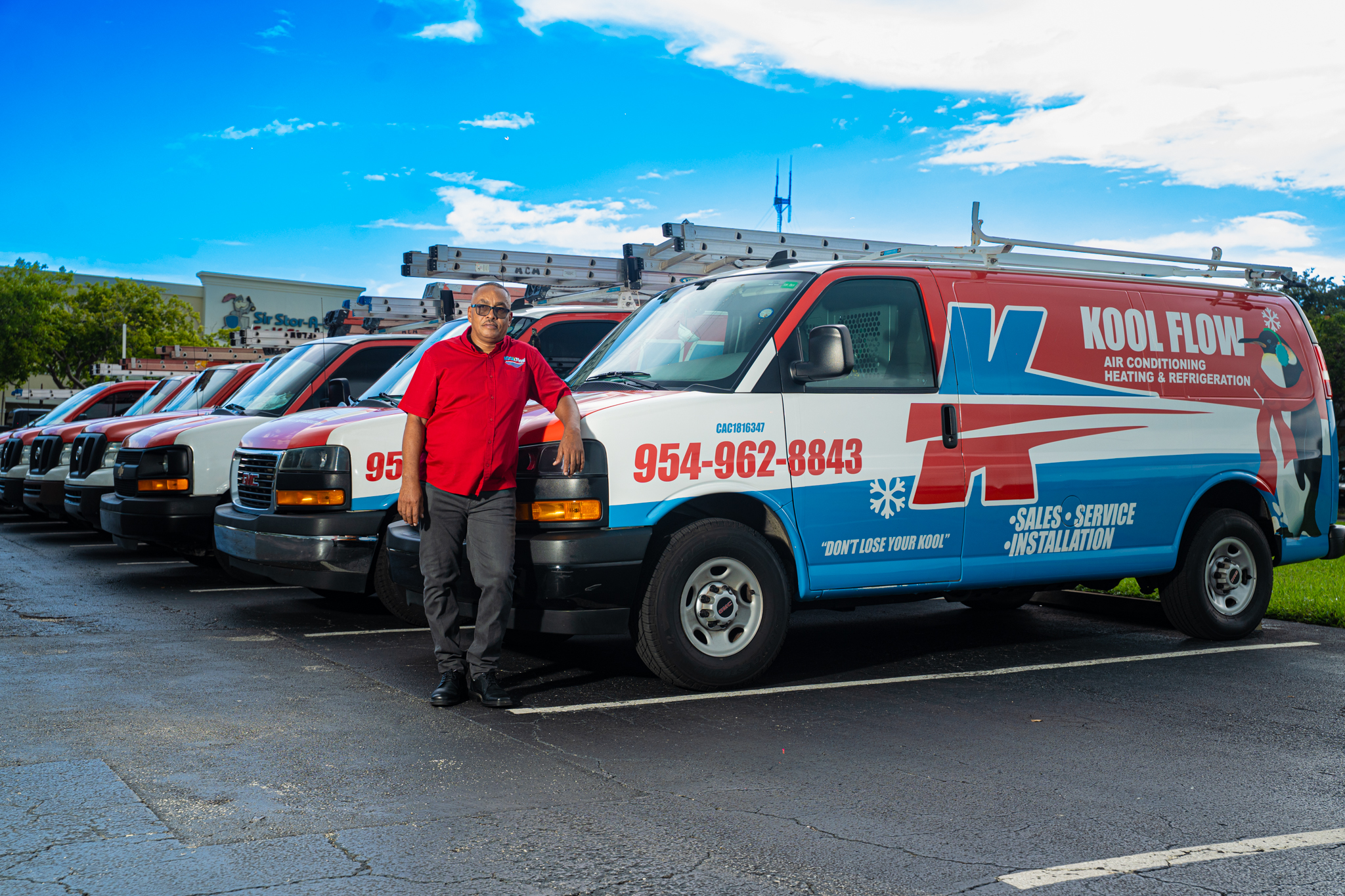
At Kool Flow Air Conditioning Contractor, we know that your refrigeration system is the heart of your business. With over 20 years of experience serving South Florida, our family-owned team understands the unique challenges that our heat and humidity pose to commercial equipment.
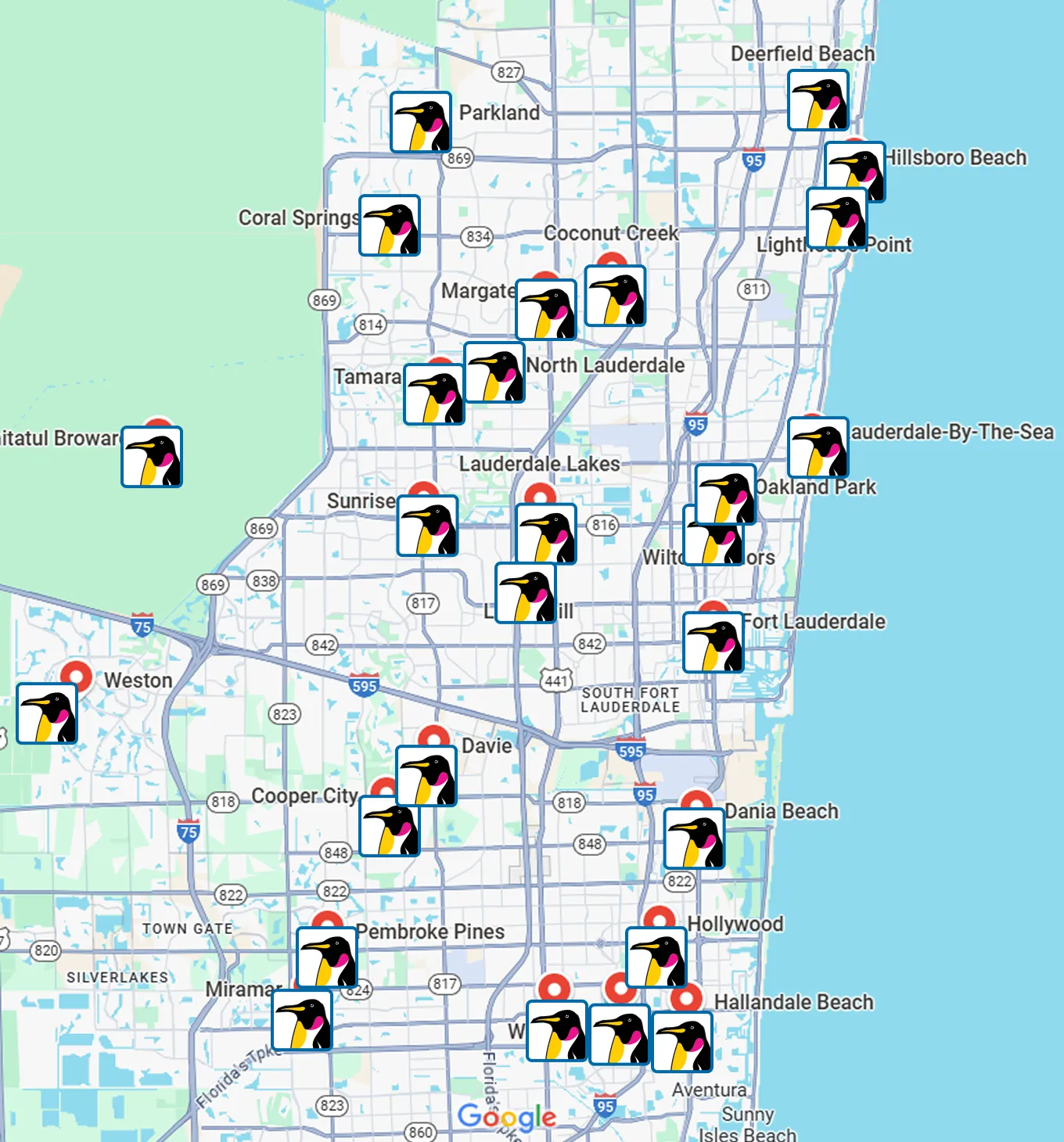
Don't wait for a "warm" morning and a dumpster full of spoiled food to think about your coolers. Our 5-year maintenance plan is designed to take the guesswork out of your commercial refrigeration maintenance checklist, providing you with the peace of mind that comes from professional, reliable service. Whether you are in Broward, Miami-Dade, or Palm Beach County, we are here to ensure your business stays cool and compliant.
Schedule your professional commercial refrigeration service today and let our experts handle the heavy lifting while you focus on running your business.


Hear what our satisfied
clients have to say

SERVICE AREAS