


How to Maintain Your Commercial Food Refrigeration System Without Breaking a Sweat


Why Every Business Owner Needs a Commercial Refrigeration Maintenance Guide
A commercial refrigeration maintenance guide for business owners is one of the most practical tools you can have if your business depends on keeping food cold and safe. Whether you run a restaurant, a grocery store, or a commercial kitchen in South Florida, your refrigeration equipment works around the clock — and neglecting it leads to significant operational challenges.
Here's a quick overview of what a solid maintenance routine looks like:
Core tasks at a glance:
- Daily - Check and log temperatures (target 38°F or below), inspect door seals, clean spills
- Weekly - Wipe down interiors, check gaskets with the dollar bill test, inspect floor drains
- Monthly - Clean condenser coils, flush drain lines, calibrate thermostats
- Quarterly - Schedule a professional service visit for refrigerant checks and electrical inspection
- Annually - Full system performance review, deep cleaning, and part replacements as needed
Commercial refrigeration accounts for a significant portion of a kitchen's total electricity use. Dirty condenser coils alone can push energy consumption up significantly. And when a unit fails without warning, emergency repairs are far more disruptive than a routine service visit — not counting the risk of spoiled inventory.
The good news? The vast majority of refrigeration breakdowns are preventable. A consistent maintenance schedule protects your food, your energy efficiency, and your equipment's lifespan. Most routine tasks can be handled by trained staff, while a few key services require a certified technician.
This guide breaks down exactly what to do, how often to do it, and when to call in a professional.

Why Proactive Maintenance is Essential for Your Operational Success
In the busy corridors of a South Florida kitchen or grocery store, it is easy to treat refrigeration as a "set it and forget it" utility. However, being proactive is the difference between a thriving business and one plagued by unexpected operational challenges.
Commercial refrigeration is often the single largest energy consumer in your facility, accounting for a significant portion of your total electricity consumption. When systems are neglected, they work harder to maintain temperature, leading to a spike in utility usage. By following a consistent Refrigeration Maintenance Guide West Park FL, business owners can realize substantial energy savings.
Beyond the monthly energy usage, there is the matter of equipment longevity. Proper care can significantly extend the lifespan of your units. Considering that the vast majority of mechanical breakdowns are entirely preventable, a small commitment of time today prevents the need for a Commercial Refrigeration Installation Guide West Park FL sooner than necessary.
Perhaps most importantly, maintenance is your first line of defense against foodborne illness. With contaminated food posing a significant risk to public health and business stability, staying compliant with FDA standards isn't just a legal hoop—it's a business protector. Emergency repairs are far more disruptive than a scheduled visit, making prevention the most reliable strategy you can have.
The Ultimate Commercial Refrigeration Maintenance Guide for Business Owners
To build a successful program, you need a structured approach. The goal of this commercial refrigeration maintenance guide for business owners is to turn complex mechanical needs into a repeatable checklist for your team.
Food safety begins with the thermostat. The FDA Food Code requires cold holding at 41°F or below. We recommend a safety buffer of 38°F to account for frequent door openings during peak hours. If a unit begins to trend upward, it is an early warning sign that something is wrong.
Cleaning is the most underrated part of maintenance. You don’t need harsh chemicals; in fact, mild detergents and warm water are best for food-contact surfaces. Avoid undiluted bleach or ammonia, which can damage plastic components and stainless steel.
Proper airflow management is another pillar of efficiency. It is tempting to pack a reach-in to the gills, but overloading prevents cold air from circulating, forcing the compressor to run indefinitely. Even a thin layer of dust on your condenser coils can reduce cooling capacity. For more specific localized advice, check out our Refrigeration Maintenance Pembroke Pines Ultimate Guide to see how regional humidity affects these tasks.
Daily and Weekly Tasks for Your Commercial Refrigeration Maintenance Guide for Business Owners
Consistency is key. Your staff should be your "eyes and ears" on the ground.
- Daily Temperature Monitoring: Log temperatures at the start and end of every shift. This helps you spot "slow leaks" in performance before the food spoils.
- Spill Cleanup: Acidic food spills can corrode the interior lining of your fridge over time. Clean them immediately with mild soap.
- The Dollar Bill Test: This is the gold standard for checking gasket integrity. Close the door on a dollar bill; if it slides out easily, your seal is leaking cold air. You can find more tips on this in our Affordable Refrigeration Maintenance Pembroke Pines Guide.
- Exterior Wiping: Keep the handles and door frames clean to prevent bacteria buildup and ensure the latches close securely.
- Organizing Storage: Ensure there is at least a sufficient gap between products and the interior walls to facilitate airflow.
- Floor Drain Inspection: Check for standing water near the base of your units, which often indicates a clogged drain line. For a deeper dive into these routine steps, refer to our Refrigeration Maintenance Pembroke Pines Guide 733ef.
Monthly Inspections in Your Commercial Refrigeration Maintenance Guide for Business Owners
Once a month, it’s time to look under the hood. These tasks are slightly more involved but still manageable for most business owners.
- Condenser Coil Cleaning: Use a vacuum with a brush attachment or a specialized coil brush to remove dust and grease. This is the single most important task for preventing compressor failure.
- Drain Line Flushing: Pour a mixture of warm water and a mild drain cleaner down the condensate lines to prevent slime and mold from causing a backup.
- Thermostat Calibration: Use an independent, calibrated thermometer to verify that the internal reading matches the actual temperature. If they don't align, you may need a Refrigeration Repair Commercial Fort Lauderdale Guide to help troubleshoot the sensor.
- Lubricating Hinges: A small amount of food-grade lubricant on door hinges prevents wear and ensures the door closes completely every time.
- Ice Machine Descaling: Ice machines are prone to mineral buildup and mold. Monthly descaling ensures your ice stays clear and safe. For more residential-style tips that apply to small office units, see our Home Refrigeration Maintenance Fort Lauderdale Tips.
Maximizing Efficiency Across Different Equipment Types
Not all refrigeration is created equal. Your maintenance approach should vary based on the specific hardware in your facility.
| Equipment Type | Key Maintenance Focus | Airflow Tip |
|---|---|---|
| Reach-In Units | Gasket health and coil cleanliness | Keep 2 inches of space between items |
| Walk-In Coolers | Door heaters and floor drains | Use "loading zones" to keep vents clear |
| Undercounter Units | Ventilation clearance | Ensure the front/back vents aren't blocked by rugs |
| Glass Merchandisers | Lighting and sliding door tracks | Clean tracks weekly to ensure a tight seal |
| Prep Tables | Evaporator coil icing | Keep lids closed when not in active use |
For walk-ins, it is helpful to mark "loading zones" on the floor with tape. This prevents staff from stacking crates directly against the evaporator fans. If you are considering adding new units to your fleet, our Refrigeration Installation West Park FL Guide and the Refrigeration Installation West Park FL Guide 1e5d0 provide excellent frameworks for setting up your space for maximum efficiency.
When to Schedule Professional Technician Services
While your staff can handle the cleaning, some technical aspects require a certified pro. We recommend quarterly professional visits to catch the "invisible" issues that lead to catastrophic failure.
During a professional visit, we perform several critical checks:
- Refrigerant Charge Monitoring: We check for leaks and ensure levels are optimal. Low refrigerant causes the compressor to overheat.
- Electrical Connection Testing: We tighten terminals and check for frayed wires that could cause intermittent power loss or fire hazards.
- Compressor Amp Draw: By measuring how much power the compressor is pulling, we can tell if it's nearing the end of its life.
- Evaporator Coil Deep Cleaning: These coils are often hard to reach and require professional-grade cleaners to remove deep-seated mold.
- Defrost Timer Calibration: If your unit doesn't defrost properly, ice will build up and block all cooling.
Having a pro on-site every few months also protects your manufacturer's warranty, which often requires proof of professional maintenance. If you run into a midnight emergency, our 24hr Refrigeration Repair Fort Lauderdale Guide and Refrigeration Repair West Park Guide are great resources to have bookmarked. And if a unit is truly beyond saving, we can walk you through the Refrigeration Replacement Affordable Guide West Park FL.
Frequently Asked Questions about Refrigeration Upkeep
How often should condenser coils be cleaned?
For most businesses, monthly is the standard. However, if your kitchen has a lot of airborne grease (like a burger joint or pizzeria), you may need to clean them every two weeks. Dirty coils are a leading cause of emergency service calls.
What are the signs that a door gasket needs replacement?
Besides the "dollar bill test," look for visible cracks, brittle rubber, or mold accumulation that won't wipe away. If you see excessive frost near the door frame or notice the temperature fluctuating noticeably, it’s likely a seal issue.
Can in-house staff handle all maintenance tasks?
Staff are perfect for routine cleaning, temperature logging, and basic inspections. However, anything involving the "sealed system" (refrigerant), high-voltage electrical components, or complex diagnostics should be left to a certified technician to ensure safety and compliance.
Conclusion
Building an effective maintenance program doesn't have to be a headache. It starts with a clear checklist, a bit of staff training, and a commitment to documentation. When you keep a log of your temperatures and cleanings, you aren't just maintaining a machine; you’re building a record of due diligence that protects your business from health inspectors and unexpected operational failures.
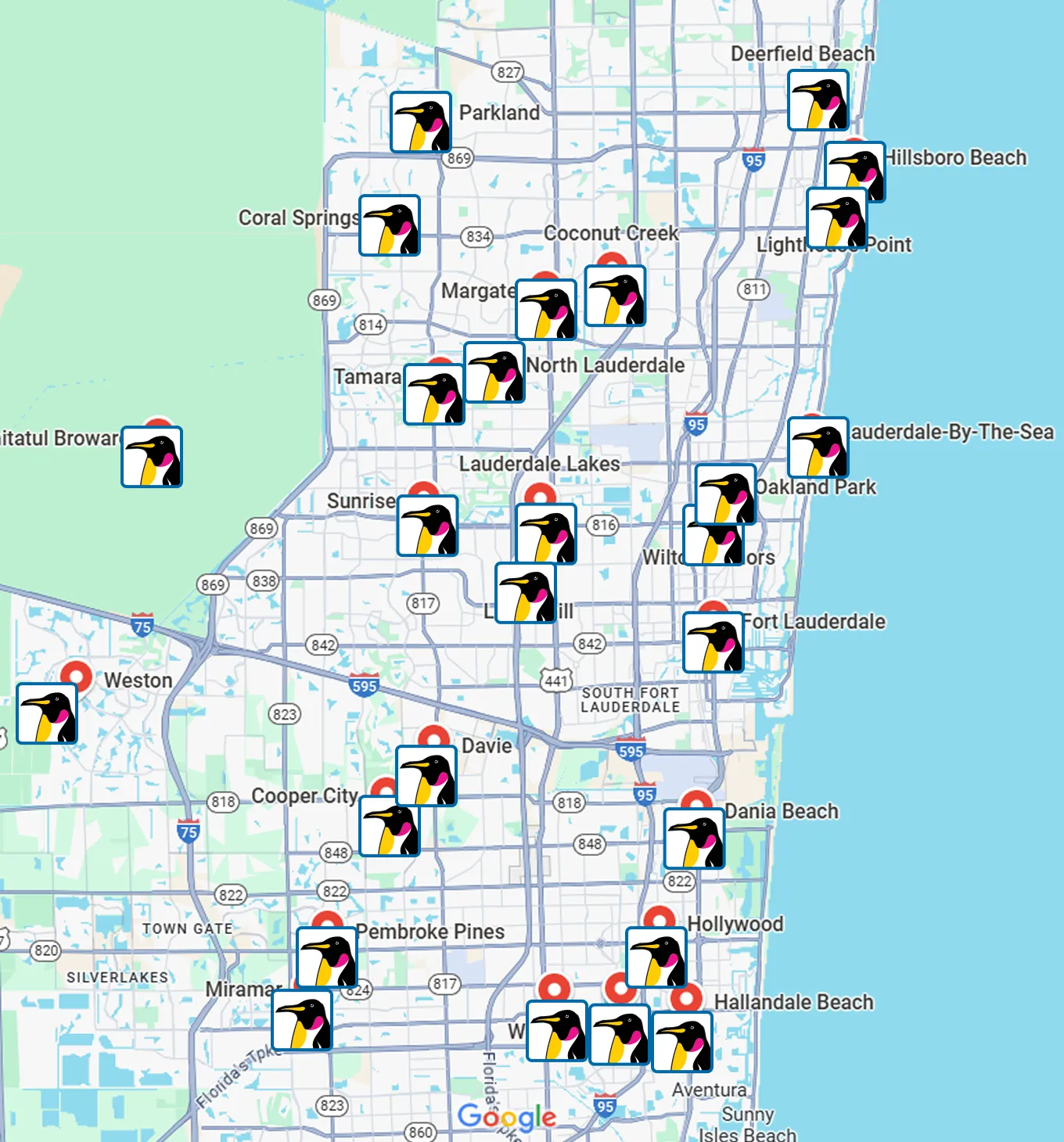
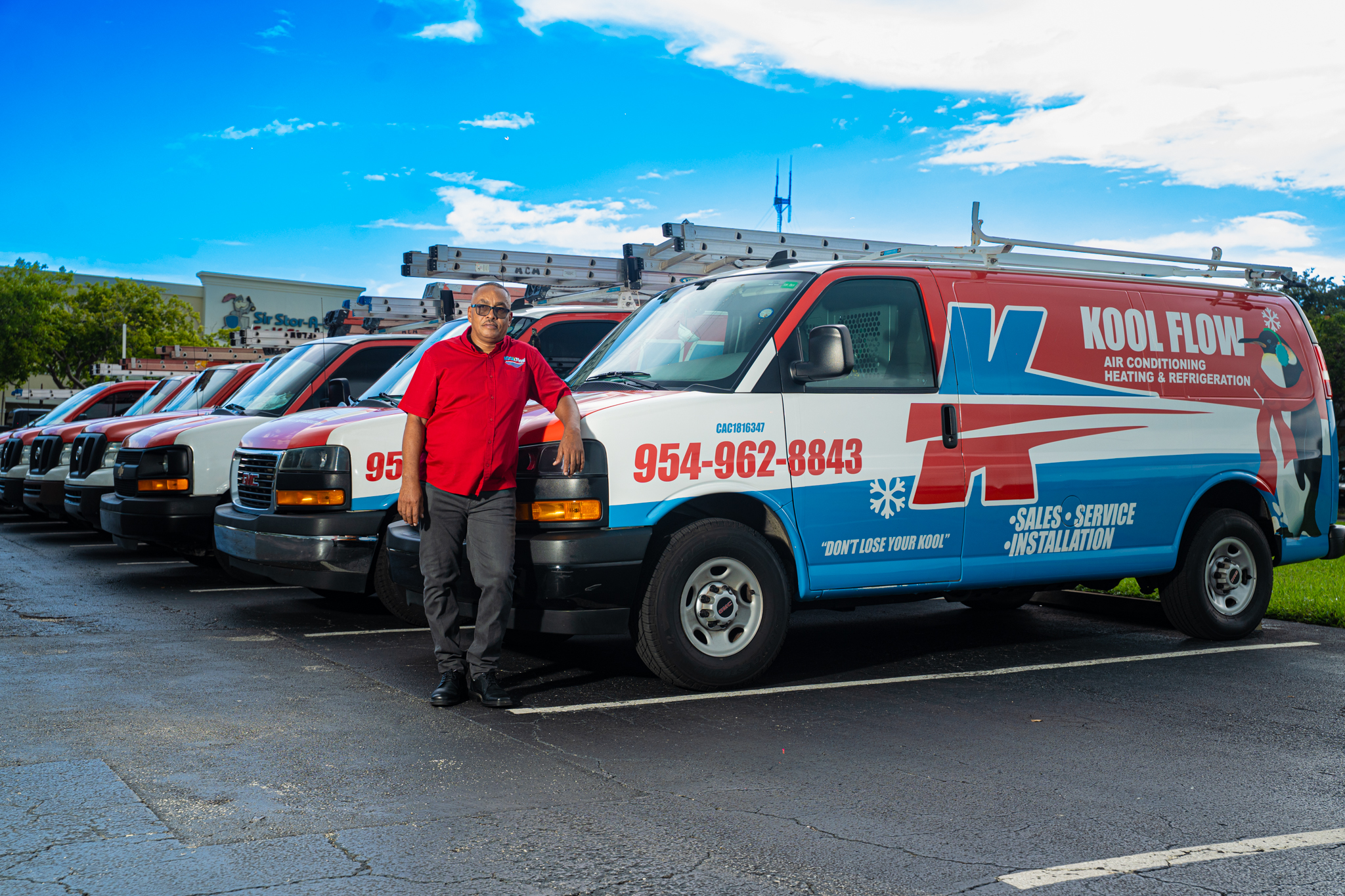
At Kool Flow Inc., we’ve spent decades helping South Florida business owners keep their cool. From West Park to Pembroke Pines and throughout Broward County, we pride ourselves on reliable service. We know that your refrigeration is the heart of your operation, and we’re here to make sure it keeps beating.
Ready to protect your inventory? Schedule your professional maintenance service today!


Hear what our satisfied
clients have to say

SERVICE AREAS