


How to Keep Your Florida Home Cool and Dry

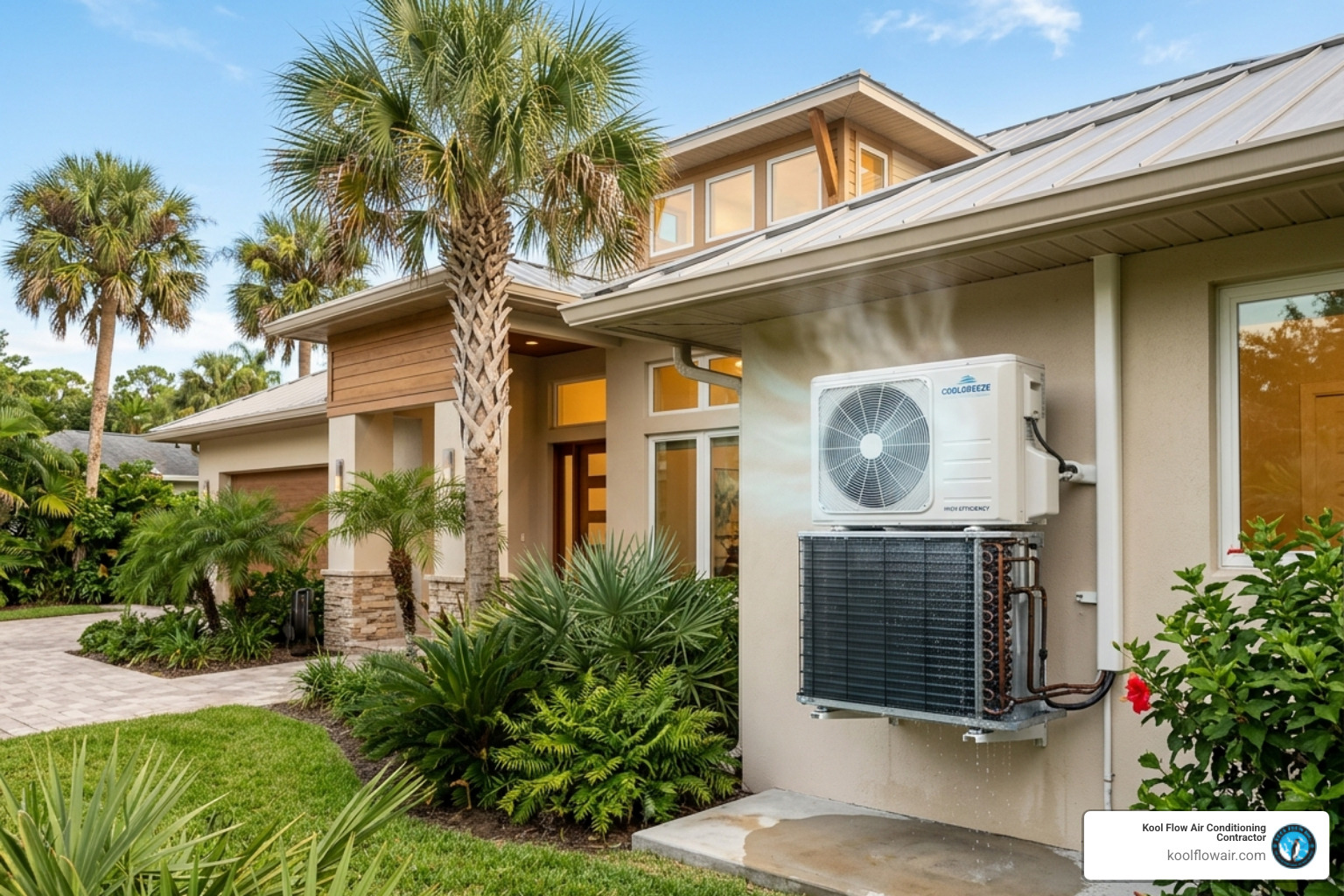
Why Choosing the Best Air Conditioner for Florida Weather Makes All the Difference
The best air conditioner for Florida weather handles two things most other climates don't demand at the same time: brutal heat and relentless humidity. In Florida, average summer temperatures regularly climb above 90°F, and humidity levels frequently exceed 70%. That combination does not just make your home feel uncomfortable — it drives up energy bills, strains your system, and can lead to mold if your AC isn't up to the job.
Here is a quick overview of what matters most when choosing an AC for Florida:
- High SEER2 rating — Look for 16 or higher for meaningful energy savings
- Strong humidity control — Variable-speed compressors and dehumidification modes are essential
- Proper sizing — A Manual J load calculation ensures the right tonnage for your home
- Corrosion resistance — Critical for coastal and South Florida homes exposed to salt air
- Smart thermostat compatibility — Helps you manage settings efficiently year-round
- Energy Star certification — Minimum SEER of 15, with top models reaching SEER 26+
For most Florida homeowners, a high-efficiency central air conditioner or heat pump with variable-speed technology is the strongest choice. Ductless mini-splits are a great fit for homes without existing ductwork or for targeted room cooling.
Florida's climate is simply not forgiving. An undersized system will run constantly and still leave your home muggy. An oversized unit short-cycles, which means it turns on and off too quickly to pull moisture out of the air — and that is where discomfort and mold problems begin. Getting the right system, sized correctly and installed properly, is the foundation of a cool, dry home in the Sunshine State.
The Unique Challenges of Florida’s Tropical Climate
Living in South Florida in April 2026 means we are already feeling the shift toward the long, sweltering summer. Our tropical climate isn't just "hot"; it is a complex environment that puts immense physical stress on mechanical equipment. When we discuss how South Florida climate affects your HVAC system, we have to look at the "Big Three": heat, humidity, and salt air.
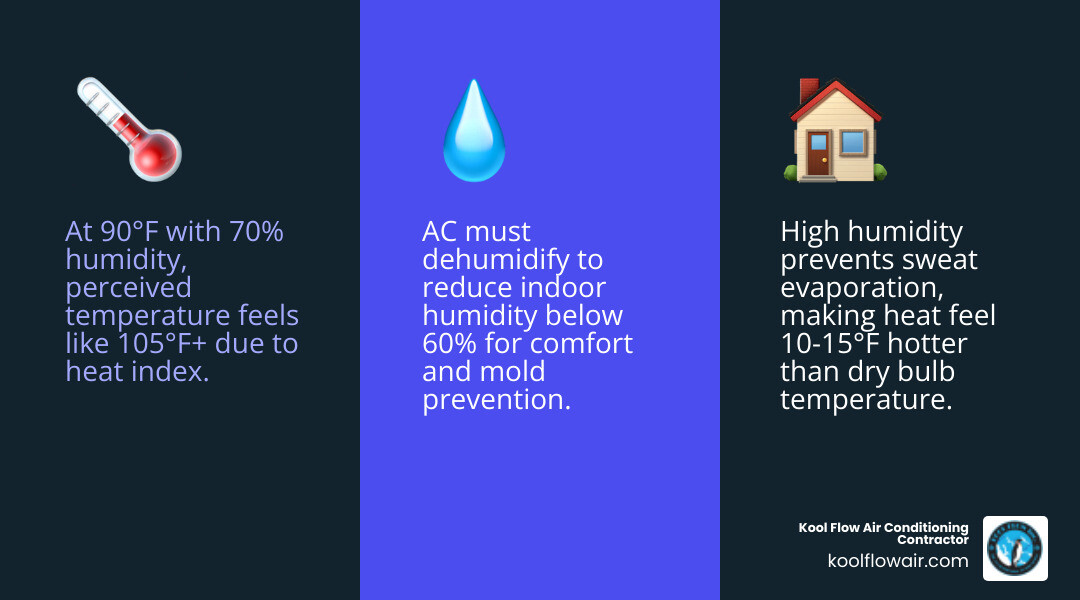
Florida’s average summer temperatures frequently soar above 90°F, but the heat index—the "feels like" temperature—is often much higher because of the moisture in the air. This moisture is the enemy of home comfort. High humidity makes a space feel warmer than it actually is and can lead to condensation on windows, dampness in carpets, and, most dangerously, mold growth.
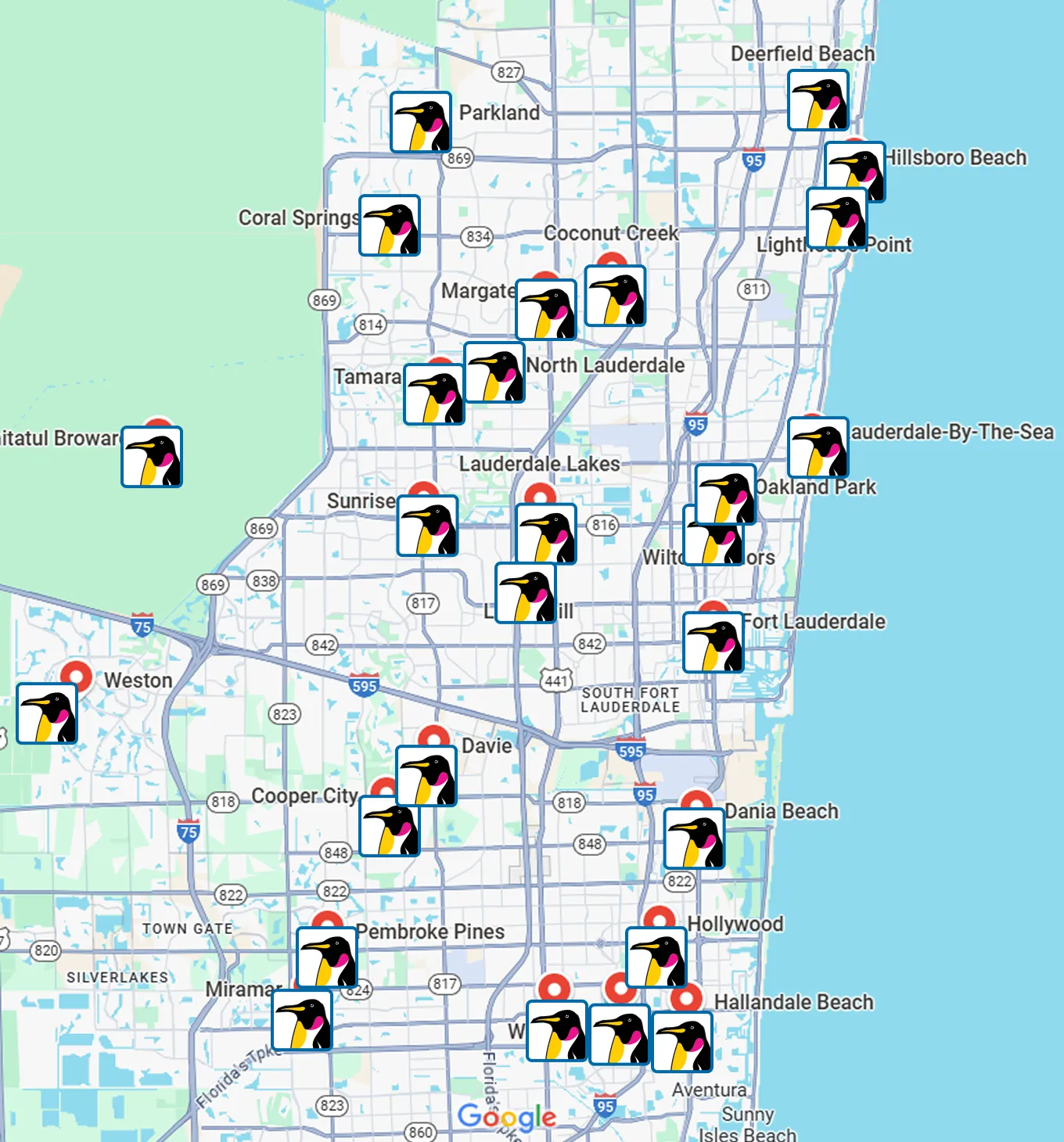
Furthermore, for those of us in coastal areas like Deerfield Beach or Fort Lauderdale, the salt air is a silent killer for air conditioners. Salt is highly corrosive; it eats away at the delicate aluminum fins and copper coils of a standard AC unit. Without specific protections, a system that might last 15 years in a dry, landlocked state might only last 7 to 10 years here. This makes moisture control and corrosion resistance non-negotiable features for any system intended to survive the Florida landscape.
Key Features of the best air conditioner for florida weather
When you are shopping for a new unit, you shouldn't just buy the first one that fits your budget. You need a system built for the "long haul" of a Florida summer. Whether you are looking for AC installation in West Park FL or upgrading a home in Coral Springs, certain technical features are essential.
Here is a checklist of what the best air conditioner for Florida weather should include:
- Variable-Speed Compressor: Unlike older "single-stage" units that are either 100% on or 100% off, variable-speed units can run at lower speeds for longer periods. This is better for both your wallet and your comfort.
- Corrosion-Resistant Coils: Look for units featuring proprietary alloys or specialized coatings (like epoxy or acrylic) designed to withstand salt spray and high moisture.
- High SEER2 Ratings: The Seasonal Energy Efficiency Ratio (SEER2) measures how much cooling you get per watt of electricity. In Florida, aiming for 16 to 22 SEER2 is the sweet spot for balancing initial cost with long-term monthly savings.
- Smart Thermostat Integration: Modern systems should "talk" to your thermostat to adjust based on outdoor humidity and air quality.
Prioritizing Humidity Control in the best air conditioner for florida weather
In Florida, an air conditioner is actually a large dehumidifier that happens to blow cold air. If your system only cools the air but doesn't remove the water, you'll end up with a "cold and clammy" house.
The secret to superior indoor air quality lies in variable-speed technology. When a system runs at a lower speed for a longer duration, it passes more air over the cold evaporator coils, allowing more moisture to condense and drain away. Some high-end systems even have a dedicated "dehumidification mode" that prioritizes moisture removal over temperature drops, ensuring your home stays dry even on those rainy, humid afternoons where it isn't necessarily 95 degrees outside.
Energy Efficiency Standards for the best air conditioner for florida weather
As we move through 2026, energy standards are stricter than ever. Currently, the minimum SEER allowed for a new split system in the U.S. is 14, but for Florida, that is rarely enough to keep bills manageable. Systems that meet Energy Star guidelines have a minimum SEER of 15, but the top-tier models can reach a staggering SEER of 26 or higher.
We are also seeing a major industry shift in refrigerants. Older systems used R-22 (Freon) or R-410A. However, newer, more environmentally friendly options like R-454B and R-32 are becoming the standard. These newer refrigerants are not only better for the planet but are often more efficient at heat transfer. When looking at future smart HVAC technologies & sustainability, choosing a system with these modern refrigerants ensures your unit is "future-proofed" for years to come.
Choosing the Right System Type and Size for Your Home
One of the biggest mistakes a homeowner can make is assuming that "bigger is better." In the HVAC world, an oversized unit is a disaster. It will reach the target temperature so quickly that it shuts off before it has a chance to dehumidify the air. This leads to "short-cycling," which wears out the compressor and leaves you with a sticky, humid home.
| System Type | Best For | Key Benefits in Florida |
|---|---|---|
| Central Air Conditioning | Homes with existing ductwork | Powerful, whole-home cooling and filtration. |
| Air-Source Heat Pumps | Most Florida homes | Extremely efficient; provides cooling and mild winter heating. |
| Ductless Mini-Splits | Additions, garages, or older homes | Targeted cooling; no energy loss through ducts; very quiet. |
To get the sizing right, we use what is called a Manual J load calculation. This isn't just about square footage. We look at your home's insulation, the number of windows, sun exposure, and even how many people live there. Generally, a 4-ton AC unit can remove 48,000 BTUs of heat per hour and is typically ideal for homes between 2,000 and 2,500 square feet in our region. However, a professional calculation is the only way to be sure. Check out our AC replacement South Florida guide for a deeper dive into how we match the system to your specific floor plan.
Maximizing Longevity Through Professional Care
Even the most expensive, high-efficiency unit will fail prematurely if it isn't maintained. In Florida, your AC works harder than almost anywhere else in the country. About 19 percent of central AC systems purchased in the last 15 years encountered at least one major problem, and 24 percent stopped working as well as they should.
Regular AC maintenance in Miami-Dade County FL and surrounding areas is the only way to protect your investment. A professional visit should be more than just a "quick look."
So, what does an AC maintenance visit include? At a minimum, it should involve:
- Cleaning the Coils: Dust and salt buildup act as insulation, forcing the unit to work harder.
- Flushing the Drain Line: High humidity means a lot of water. Algae can grow in the drain lines, causing backups and water damage.
- Checking Refrigerant Levels: Even a small leak can drop your efficiency by 20% or more.
- Inspecting Electrical Components: Heat can cause wires to become brittle and connections to loosen.
With advanced HVAC monitoring & predictive maintenance, we can now often see a problem coming before your house starts getting hot. This proactive approach can easily extend the life of your unit by several years.
Frequently Asked Questions about Florida Air Conditioning
What is the ideal thermostat setting for a Florida home?
For the best balance of comfort and cost, we recommend starting at 78°F when you are home. While that might sound high to some, every degree you lower the thermostat below 78°F can raise your energy bill by nearly 8%. In fact, setting it to 73°F can raise your bill by almost 50%!
If you have a variable-speed system with a humidity-lowering thermostat, you can often set it to 80°F and it will feel like 78°F because the air is so much drier. When you are away from home, try raising it to 82°F to save even more. If you need assistance setting up your smart thermostat, our AC service in Pembroke Park FL team can help you optimize your schedule.
How often should AC filters be changed in Florida?
In the Florida heat, we recommend checking your filters every 30 days. While some high-end pleated filters claim to last 90 days, the constant operation of a Florida AC means they clog much faster. A dirty filter restricts airflow, which can cause the evaporator coil to freeze up and eventually kill your compressor. For a full breakdown on keeping your system clean, see our AC maintenance West Park FL complete guide.
Why is my AC running but the house is still humid?
This is a common frustration! Usually, it boils down to one of three things:
- The unit is oversized: It cools the air too fast and shuts off before removing moisture.
- The fan setting is wrong: If your thermostat fan is set to "ON" instead of "AUTO," it will blow the moisture that just condensed on the coils back into your house after the cooling cycle ends.
- Leaky Ducts: You might be pulling humid attic air into your system through cracks in your ductwork.
If you are experiencing this, it might be time for a professional AC repair in Margate FL to diagnose the root cause and get your humidity back under control.
Conclusion
Finding the best air conditioner for Florida weather is about more than just picking a brand name; it is about choosing a system designed to fight the specific environmental battles of South Florida. From the salt air of Hollywood to the inland heat of Weston, your home deserves a cooling solution that is efficient, durable, and—most importantly—dry.
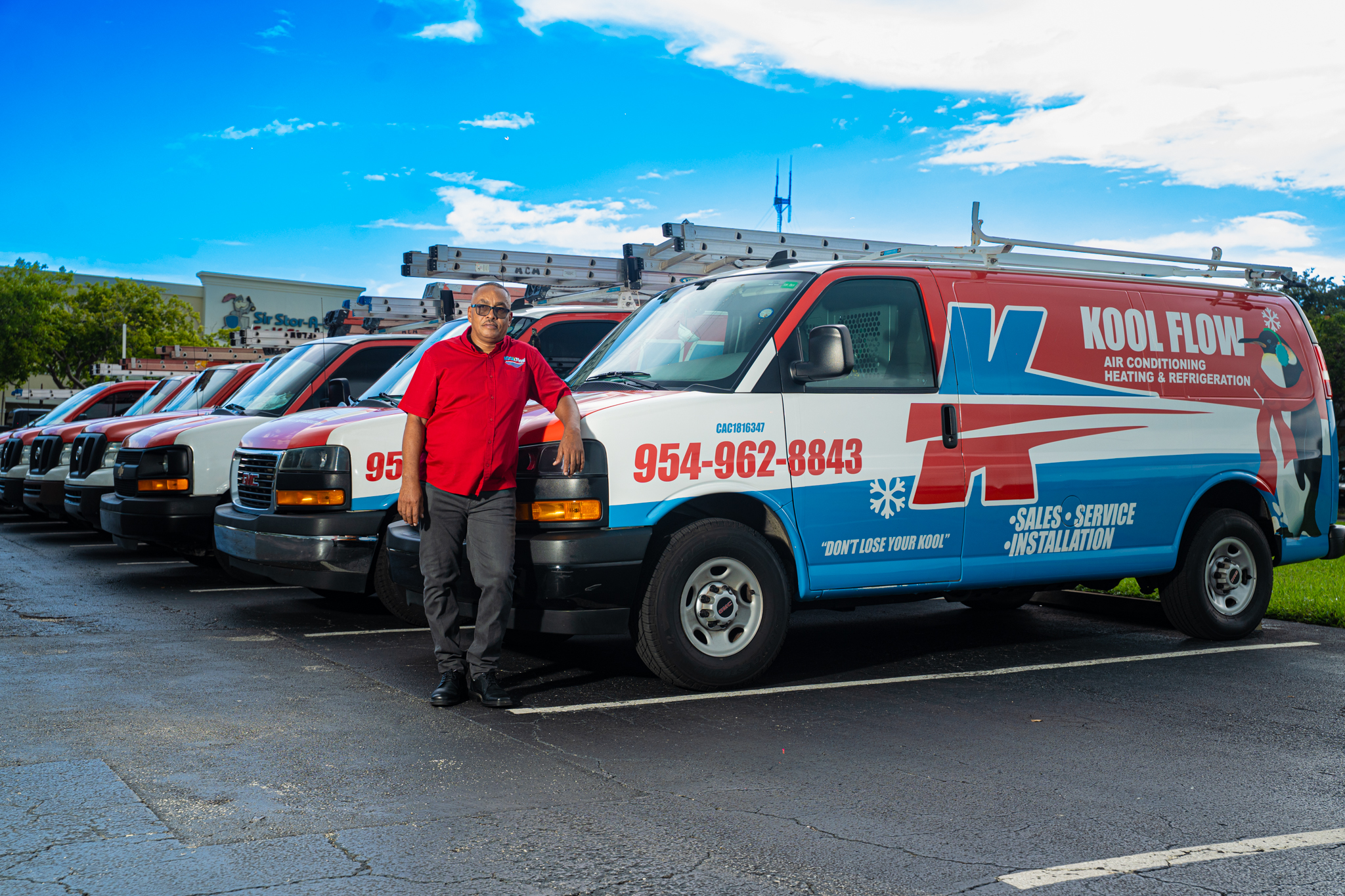
At Kool Flow Air Conditioning Contractor, we bring over 20 years of family-owned expertise to every installation and repair. We understand that a reliable AC isn't a luxury here; it is a necessity for your health and home preservation. By choosing a high-SEER2, variable-speed system and committing to regular maintenance, you can enjoy a cool home without the "sticker shock" of a massive electric bill.
Ready to upgrade your comfort? Learn how to extend the life of your AC in Florida or contact us for expert air conditioning solutions today. Whether you are in Miramar, Pompano Beach, or anywhere in between, we are here to keep you cool and dry all year long.


Hear what our satisfied
clients have to say

SERVICE AREAS