


Broward Homeowners Guide to HVAC Happiness: Best Practices for Staying Cool

Why HVAC Best Practices Matter More in Broward County Than Almost Anywhere Else
The best HVAC practices for Broward County homeowners include scheduling bi-annual professional tune-ups, replacing air filters every one to three months, controlling indoor humidity, protecting outdoor units from salt air and storms, and using a smart thermostat set between 74–78°F.
Quick-reference checklist:
- Schedule professional maintenance twice a year (spring and fall)
- Replace air filters every 1–3 months
- Keep outdoor condenser units clear of debris with 2–4 feet of clearance
- Maintain indoor humidity between 45–55%
- Set your thermostat to 74–78°F and use "Auto" fan mode
- Seal leaky ducts to prevent up to 30% cooled air loss
- Protect outdoor units with hurricane brackets and surge protectors
Most parts of the country give their HVAC systems a break. Broward County is not most places.
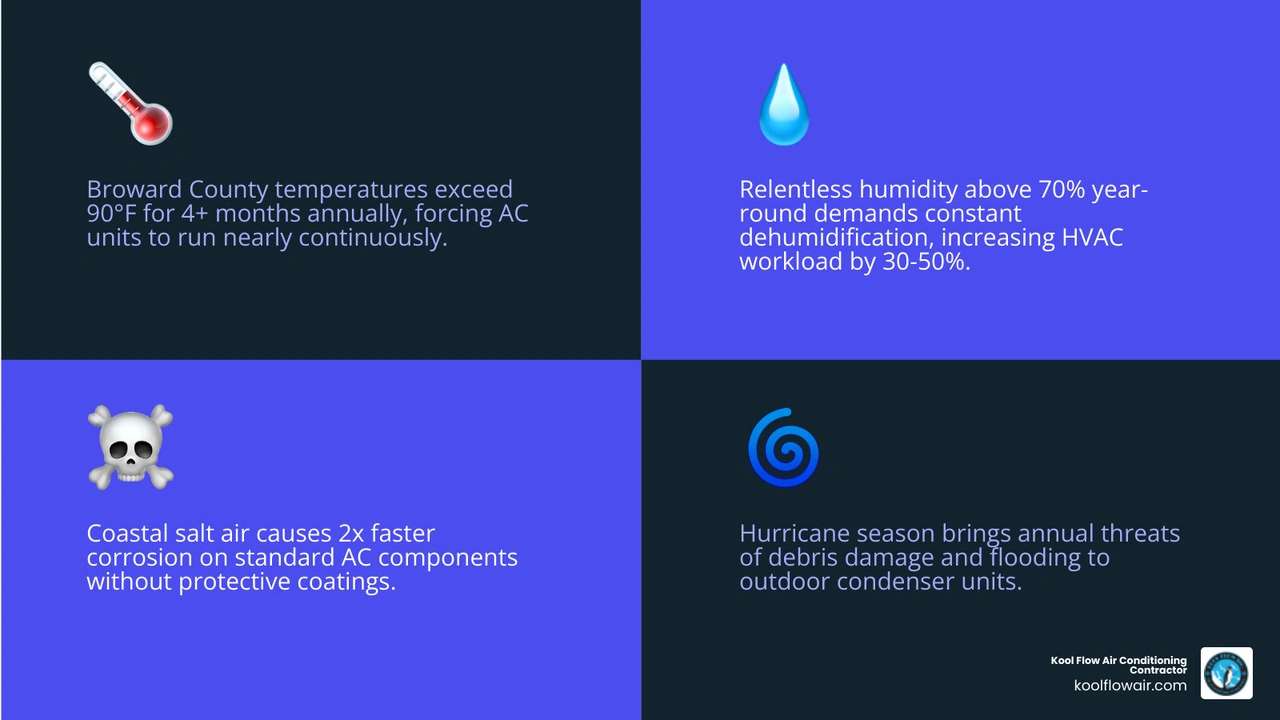
Here, temperatures push past 90°F for several months straight. Humidity is relentless. Salt air drifts in from the coast. And hurricane season is a real, annual threat. Your air conditioner does not get a summer vacation — it runs nearly every day of the year.
That kind of workload takes a serious toll. Without the right habits in place, systems break down early, energy bills climb, and indoor air quality suffers. But with a smart maintenance routine built for South Florida's climate, your HVAC system can last 15–20 years instead of the typical 10–12 — and keep your home comfortable the whole time.
This guide covers exactly what Broward homeowners need to know to get the most out of their systems.
Essential Best HVAC Practices for Broward County Homeowners
Living in South Florida means our air conditioners are the hardest-working appliances in our homes. Because they run almost continuously to combat temperatures that frequently soar into the 90s, professional oversight isn't just a suggestion; it’s a survival strategy for your equipment.
One of the most critical best hvac practices for broward county homeowners is scheduling professional tune-ups twice a year. We recommend a "spring and fall" rhythm. The spring visit ensures your system is primed for the brutal summer heat, while the fall visit addresses any wear and tear sustained during the high-demand months. For a deeper dive into what these visits entail, check out our AC Maintenance Broward County Guide.
The Threat of Salt Air and Corrosion
If you live in coastal areas like Fort Lauderdale, Lauderdale-By-The-Sea, or Pompano Beach, your outdoor condenser unit faces a unique enemy: salt air. Salt is highly corrosive and can eat through standard copper coils and aluminum fins in just a few years. Best practices for coastal homes include choosing units with specialized coastal-rated coatings or "seacoast" packages. During a professional tune-up, technicians can also apply protective sprays to help mitigate this damage.
Benefits of a Professional Tune-Up
Why bother with a pro when the air is still blowing cold? Because "cold air" doesn't always mean "efficient air." Regular professional maintenance offers several key benefits:
- Lower Utility Bills: Cleaning coils and calibrating motors reduces the energy required to cool your home.
- Improved Reliability: We catch small issues—like a fraying belt or a failing capacitor—before they turn into a 2:00 PM Sunday breakdown.
- Better Airflow: Technicians verify that your blower motor and ductwork are delivering the right volume of air to every room.
- Warranty Protection: Many manufacturers require proof of annual maintenance to honor parts warranties.
By following the Broward AC Maintenance Complete Guide, you can significantly extend your system's life. A well-maintained unit in Broward can last 15–20 years, whereas a neglected one may give out in as little as 10. To make this easy, we offer a comprehensive Maintenance Plan designed to take the guesswork out of your home comfort.
DIY Best HVAC Practices for Broward County Homeowners
While professional service is vital, there are several tasks you can handle yourself to keep things running smoothly between visits.
1. Air Filter MaintenanceThis is the single most important DIY task. In Broward’s dusty and pollen-heavy environment, filters clog quickly. We recommend checking your filter every month and replacing it every 1 to 3 months. If you have pets or suffer from allergies, you’ll likely need to swap it out every 30 days. For more pointers, see our AC Maintenance Best Tips Broward County.
2. Clearing Outdoor DebrisYour outdoor condenser unit needs to "breathe" to release the heat it pulls from your home. Keep a 2 to 4-foot clearance around the unit. Trim back palm fronds, bushes, and weeds. Never use a "breathable" cover that stays on while the unit is running, as this can cause the compressor to overheat.
3. Drain Line FlushingHigh humidity means your AC pulls gallons of water out of the air every day. This water exits through a condensate drain line. Over time, algae and "slime" can grow in the line, causing a backup that could flood your home. A simple DIY fix is to pour a cup of plain white vinegar down the drain line every few months to kill off growth.
4. Visual InspectionsOnce a month, do a quick walk-around. Look for ice on the copper lines, listen for new banging or squealing noises, and check for water pooling around the indoor air handler. Catching these early is a staple of the Residential AC Maintenance Guide Broward County.
Mastering Humidity and Indoor Air Quality
In South Florida, comfort isn't just about the temperature; it’s about the "mugginess." If your home feels clammy even when the AC is set to 72°F, you have a humidity problem. High indoor humidity (above 60%) promotes mold growth, dust mite activity, and respiratory issues.
Proper Indoor Air Quality management starts with your HVAC system’s ability to dehumidify. This is where variable-speed technology shines. Traditional AC units are either "on" or "off." They blast cold air, reach the temperature quickly, and shut down. However, they often don't run long enough to remove moisture. Variable-speed systems run at lower speeds for longer cycles, acting as a giant dehumidifier for your entire home.
| Feature | Standard Single-Stage AC | Variable-Speed AC |
|---|---|---|
| Operation | 100% capacity or Off | Adjusts speed (40% to 100%) |
| Dehumidification | Moderate (short cycles) | Excellent (long, steady cycles) |
| Energy Usage | Higher (constant cycling) | Lower (runs at efficient low speeds) |
| Comfort | Temperature swings | Consistent, even cooling |
Advanced IAQ Solutions
For homeowners struggling with persistent mold or allergens, we often recommend additional tools:
- Whole-Home Dehumidifiers: These work alongside your AC to pull out moisture even when the cooling isn't running.
- UV Lights: Installed inside the air handler, these kill mold and bacteria on the evaporator coil before they can enter your air stream.
- Duct Cleaning and Repair: Leaky or dirty ducts can pull in attic dust and humidity. Ensuring your Ductwork Broward County is sealed and clean is vital for healthy air.
If you are noticing a musty smell or increased allergy symptoms, our Air Conditioning Services can help diagnose the root cause of your air quality issues.
Maximizing Energy Efficiency in the Florida Heat
With our ACs running nearly 24/7, energy efficiency isn't a luxury—it's a financial necessity. The first step toward a lower bill is understanding SEER2 ratings. SEER2 (Seasonal Energy Efficiency Ratio) measures how much cooling a system provides per watt of electricity. In South Florida, upgrading from an old 10-SEER unit to a modern 16 or 18-SEER2 system can slash your cooling costs by 30% or more.
However, even the best unit won't save you money if your home is "leaking" air. According to the Department of Energy, leaky ducts can waste up to 30% of cooled air. This means you are paying to cool your attic instead of your living room! Sealing and insulating your ducts is one of the most cost-effective ways to improve efficiency, as noted in our Affordable AC Maintenance Guide Broward County.
Sizing Matters: The Manual J Calculation
A common mistake in Broward is installing an oversized AC unit, thinking "bigger is better." In reality, an oversized unit "short-cycles"—it turns on and off rapidly. This wears out the compressor, fails to remove humidity, and uses significantly more energy. We use a "Manual J" load calculation to ensure your system is perfectly sized for your home’s square footage, insulation levels, and window exposure. If your system is struggling, consult our Best AC Repair Guide Broward County to see if a repair or a resizing is necessary. Don't forget to check our Promotions for current savings on high-efficiency upgrades.
Implementing Best HVAC Practices for Broward County Homeowners through Smart Tech
Technology has made it easier than ever to manage your home's climate. Programmable and smart thermostats allow you to create schedules that match your lifestyle.
The Golden Settings for South Florida:
- 74°F – 78°F: This is the "sweet spot" for efficiency. Every degree you raise the thermostat can save you roughly 3-5% on your cooling costs.
- "Auto" Fan Mode: Never leave your thermostat fan set to "On." In Broward's humidity, the "On" setting keeps the fan blowing even when the cooling compressor is off. This blows the moisture sitting on your wet evaporator coil right back into your house. Always use "Auto."
- Ceiling Fan Synergy: Use ceiling fans to create a "wind chill" effect. This allows you to set the thermostat 2-4 degrees higher without losing comfort. Just remember: fans cool people, not rooms—turn them off when you leave.
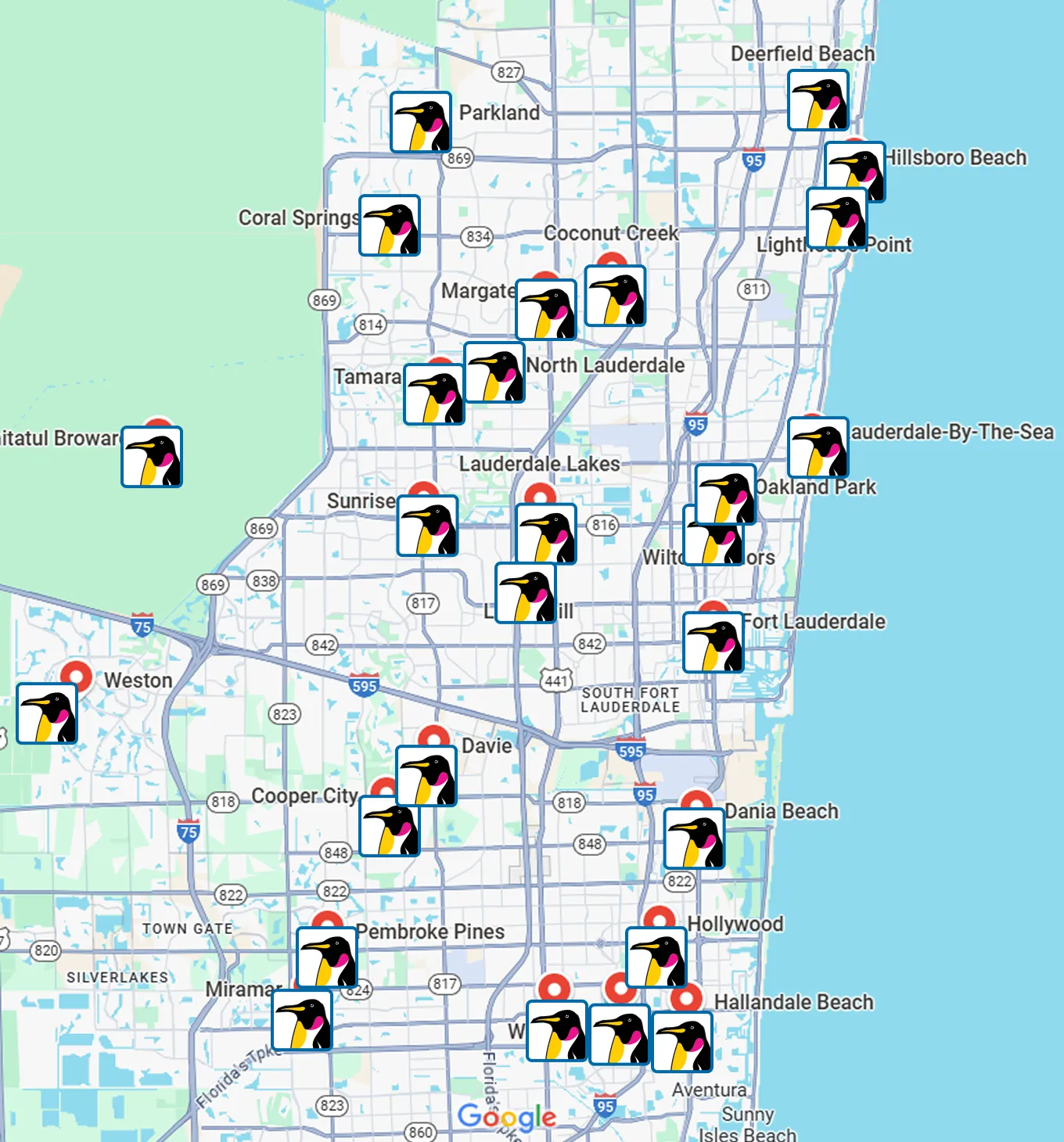
Smart thermostats also offer remote monitoring, which is perfect for Broward residents who travel or have vacation homes in areas like Weston or Coral Springs. If your thermostat isn't responding, our AC Repair Company Broward Guide offers troubleshooting tips. We proudly serve all Service Areas Broward County, ensuring your tech is always connected.
Hurricane Readiness and Outdoor Unit Protection
In Broward County, we don't just worry about the heat; we worry about the wind and water. Hurricane preparedness is a non-negotiable part of HVAC ownership here.
1. Hurricane Brackets and StrapsFlorida building codes require outdoor units to be secured. Hurricane straps or brackets prevent your condenser from becoming a projectile during high winds. If your unit isn't strapped down, it could be ripped from the refrigerant lines, leading to a total system loss.
2. Elevation and Flood PreventionIf you live in flood-prone areas like Hollywood or Dania Beach, ensure your unit is elevated on a concrete or composite pad. Even a few inches of standing water can ruin the electrical components of a condenser.
3. Surge ProtectionLightning strikes and power surges are common during our summer storms. A dedicated HVAC surge protector can save your system’s expensive circuit boards and compressor from being fried during a storm. This is a small investment that prevents a major repair, as discussed in our Affordable AC Repair Guide Broward County.
4. Post-Storm InspectionAfter a storm passes, do not turn your AC on immediately. Check for fallen branches or debris inside the unit. If the unit was submerged in water, it must be inspected by a professional before being powered back up. While we focus on cooling, we also provide Heating Services for those rare chilly winter nights and Refrigeration Services for local businesses, so we know how to handle electrical safety across the board.
Frequently Asked Questions about Broward HVAC Care
How often should Broward County residents service their AC systems?
We recommend a professional service at least twice a year—once in the spring and once in the fall. Because our systems run almost year-round, they accumulate double the wear and tear compared to systems in the north. Regular checks prevent emergency breakdowns during the hottest months. You can learn more about our commitment to local homeowners on our About Us page.
When is it time to replace an HVAC system rather than repair it?
The general rule is the "10-15 Year Rule." If your system is over 10 years old and the repair cost is significant, replacement is often the smarter financial move—especially considering the energy savings of a new SEER2 unit. Other signs include frequent breakdowns (more than twice a year) and utility bills that keep climbing despite regular maintenance. Check our full list of Services to see your replacement options.
What signs indicate that an HVAC system needs professional repair?
Keep an eye (and ear) out for these red flags:
- Weak Airflow: If you can barely feel air coming from the vents, your blower or ducts may have an issue.
- Unusual Noises: Banging, squealing, or grinding sounds usually mean a mechanical part is failing.
- Strange Odors: A "sock-like" smell often indicates mold or bacteria growth (Dirty Sock Syndrome).
- Short-Cycling: If the unit turns on and off every few minutes, it’s likely overheating or has a sensor issue.
If you notice any of these, don't wait. Contact Us immediately to prevent further damage.
Conclusion
Maintaining a cool, comfortable home in Broward County doesn't have to be a source of stress. By following these best hvac practices for broward county homeowners—from monthly filter changes to bi-annual professional tune-ups—you can enjoy lower bills, better air quality, and the peace of mind that your system is ready for whatever the Florida climate throws its way.
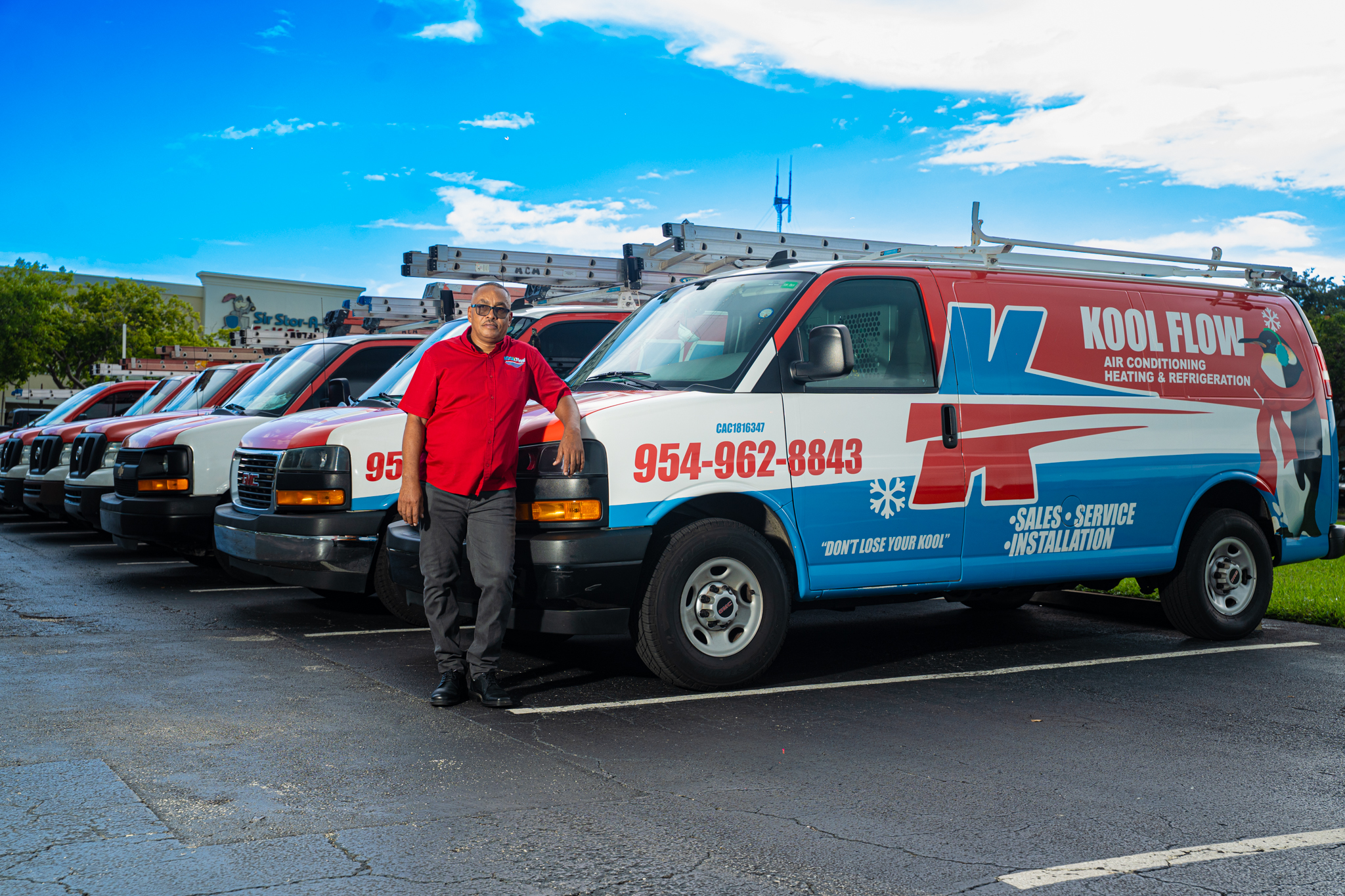
At Kool Flow Air Conditioning Contractor, we’ve spent over 20 years helping our neighbors in West Park, Fort Lauderdale, Pembroke Pines, and throughout Broward County stay comfortable. As a family-owned business, we pride ourselves on honest pricing and reliable service. Whether you need a quick repair or want to join our Maintenance Plan to ensure your "HVAC happiness" year-round, we are here to help. Stay cool, Broward!


Hear what our satisfied
clients have to say

SERVICE AREAS