


The Great Florida Cool-Down and Why Your Choice Matters

The Cooling Decision That Can Change Your Florida Electric Bill
Central AC vs ductless mini split for Florida homes is one of the most important choices you'll make as a South Florida homeowner — and the wrong pick can cost you hundreds of dollars every year in wasted energy.
Here's a quick answer to help you decide:
| Factor | Central AC | Ductless Mini-Split |
|---|---|---|
| Best for | Larger homes with existing ductwork | Older homes, additions, zoned rooms |
| SEER Rating | 14-16 (up to 21) | 18-24 (up to 27) |
| Energy Loss | 20-30% through duct leaks | Near zero (no ducts) |
| Humidity Control | Can struggle in short cycles | Excellent — variable speed runs longer |
| Zoning | Possible but costs extra | Built-in, room by room |
| Cooling Coverage | Whole home, uniform | Room-specific or whole home (multi-zone) |
| Homes Without Ducts | Requires expensive duct installation | Minimal modifications needed |
Florida's climate is unlike almost anywhere else in the country. From May through October — and often beyond — your AC runs constantly. The state's brutal combination of heat and humidity puts extreme pressure on cooling systems, and your ductwork (or lack of it) plays a massive role in how efficient your system actually is.
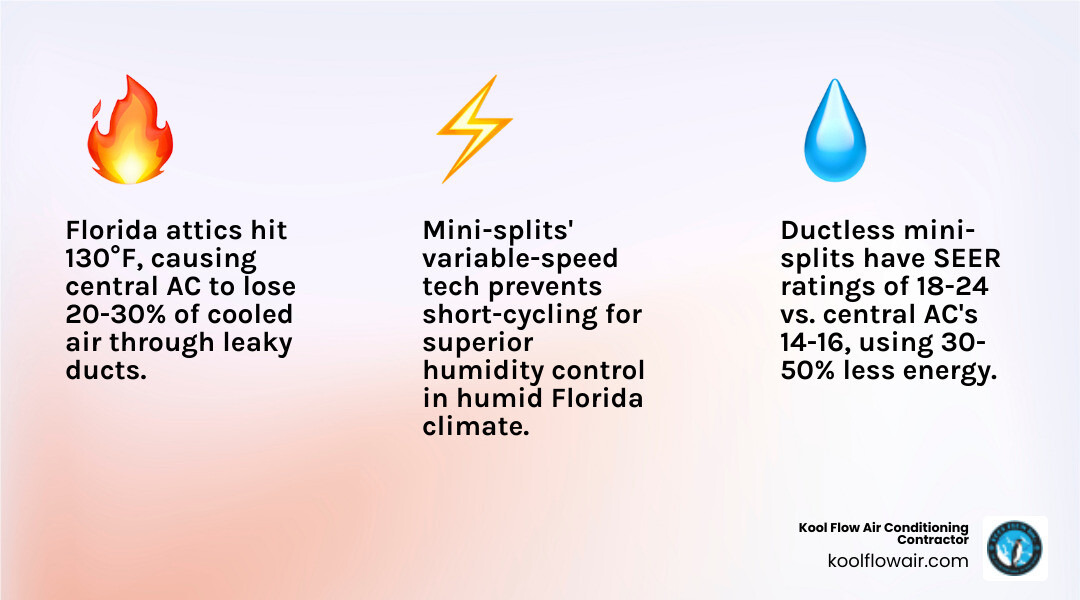
Attic temperatures in South Florida can reach 130 degrees in summer. If your ducts run through that attic — and most do — the U.S. Department of Energy estimates you could be losing 20% to 30% of your cooled air before it ever reaches a single room. That's money evaporating into your attic every single day.
Mini-splits sidestep that problem entirely. With no ducts to leak, and inverter-driven compressors that adjust output in real time, they can use 30-50% less energy than traditional central AC. But that doesn't mean they're the right fit for every Florida home.
The best system depends on your home's layout, age, existing ductwork, and how you actually use your space day to day.
Central AC vs Ductless Mini Split for Florida Homes
When we talk about central AC vs ductless mini split for Florida homes, we are looking at two fundamentally different ways to move heat out of your living space.
A central air conditioning system is what most of us grew up with. It uses a single, large indoor air handler (usually in a closet or garage) and an outdoor condenser. The cooled air is pushed through a network of hidden ducts and released through vents in the ceiling or floor. It’s designed for whole-home cooling, ensuring that every corner of the house stays at roughly the same temperature. For many residents, our AC Installation Coral Springs FL Guide highlights why this remains a popular choice for larger, modern constructions.
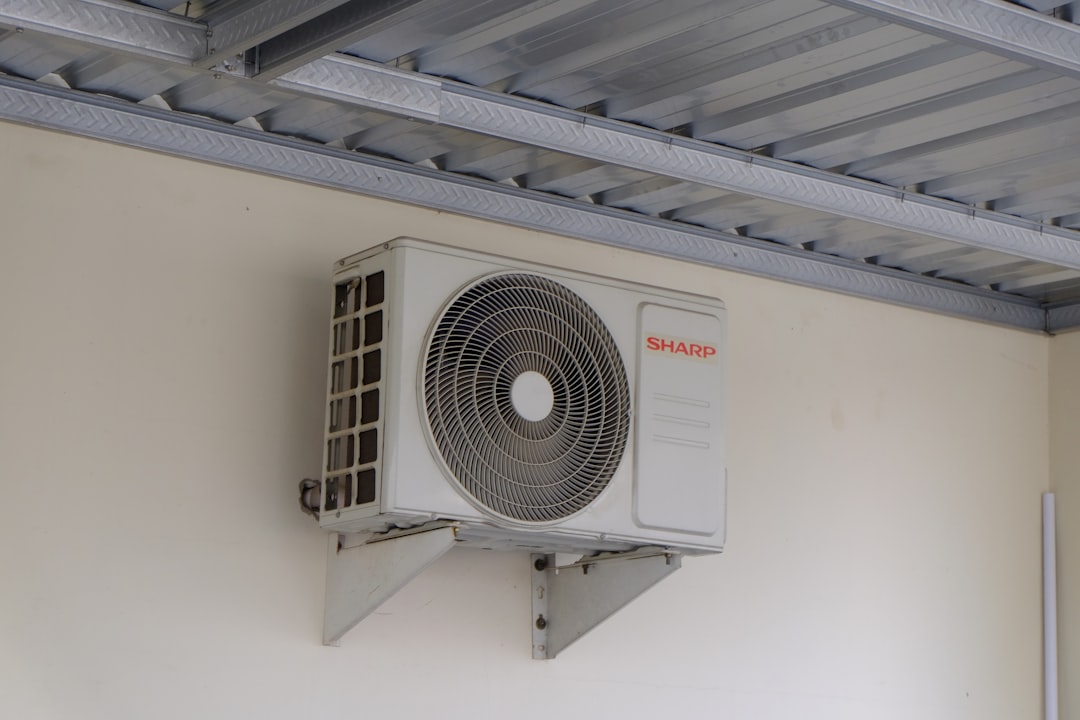
A ductless mini-split, on the other hand, does away with the "middleman"—the ductwork. Instead, it uses small indoor units (handlers) mounted directly on the wall or ceiling of specific rooms. These are connected to an outdoor compressor by small refrigerant lines and wiring that only require a tiny three-inch hole in the wall. This setup allows for incredible flexibility, especially in homes where adding ducts would be a structural nightmare.
Comparing Performance: Central AC vs. Ductless Mini-Split for Florida Homes
In the quest for a comfortable home, performance is measured by how quickly and evenly a system can drop the temperature. Central AC excels at creating a uniform temperature throughout a large, open-concept Florida home. Because it uses a high-capacity blower, it can move a massive volume of air quickly. However, its performance is only as good as the ducts it relies on. If those ducts are leaky or poorly insulated, you’ll notice "hot spots" in rooms furthest from the unit.
Ductless mini-splits offer a different kind of performance. Because each indoor unit has its own thermostat and fan, you get precision cooling exactly where you are sitting. If you spend all day in a home office, you can keep that room at a crisp 72 degrees without wasting energy cooling the guest bedrooms. For those looking into new setups, our Affordable AC Installation Guide Broward County FL can help you weigh these performance factors against your specific home layout.
Zoning Benefits of Central AC vs. Ductless Mini-Split for Florida Homes
Zoning is the ability to cool different parts of your home to different temperatures. With a standard central AC, you typically have one thermostat controlling the whole house. This often leads to "thermostat battles" where one person is freezing in the bedroom while another is sweating in the kitchen. While you can add "zones" to a central system using motorized dampers in the ducts, it is a complex and often expensive upgrade.
Mini-splits have zoning built into their DNA. Each indoor handler operates independently. This is a game-changer for energy conservation in Florida. Think of it like your home lighting: you wouldn't leave every light in the house on when you're only sitting in the living room. Why should your AC work that way? By only cooling the rooms you are actually using, we've seen homeowners significantly slash their monthly usage. You can explore our full range of Services to see how we implement these zoned solutions.
Energy Efficiency and Performance in the Sunshine State
Efficiency isn't just a buzzword in Florida; it’s a survival tactic for your bank account. We measure this using the Seasonal Energy Efficiency Ratio (SEER).
| System Type | Typical SEER Range | Maximum SEER |
|---|---|---|
| Central AC | 14 - 16 | 21+ |
| Ductless Mini-Split | 18 - 24 | 27 - 35 |
The higher the number, the less electricity the unit uses to produce the same amount of cooling. Mini-splits almost always win the SEER battle. They utilize inverter technology, which allows the compressor to speed up or slow down like a car’s accelerator. Traditional central units are often "all or nothing"—they blast at 100% power until the target temperature is hit, then shut off. This constant cycling is incredibly inefficient compared to the steady, variable-speed operation of a mini-split. For more on maximizing these ratings, check out our Affordable AC Installation Guide Coconut Creek FL.
Eliminating Ductwork Energy Losses
This is where the central AC vs ductless mini split for Florida homes debate gets real. In South Florida, most of our ductwork is located in the attic. During a July afternoon, your attic can easily hit 130 degrees.
When your central AC pushes 55-degree air through ducts sitting in a 130-degree oven, physics takes a toll. Even well-installed ducts can lose 20-30% of their energy to "conduction" (the heat from the attic warming the air inside the duct) and minor leaks. Mini-splits have near-zero energy loss because the cooling happens right at the wall unit. This advantage alone can lead to 30-50% energy savings over a traditional ducted system. We often share AC Installation Coral Springs Affordable Tips that emphasize how avoiding duct issues is the fastest way to save.
Impact on Florida Utility Bills
Florida's cooling season isn't just a few months; it's practically a three-quarter-year marathon. With systems running 9 months or more, even a small difference in efficiency adds up to a massive difference in your annual budget.
When we perform load calculations for our customers, we look at how much heat your home gains from the sun and windows. A mini-split's ability to "sip" electricity while maintaining a steady temperature is ideal for our long, hot afternoons. Central AC makes sense if you have a massive family and every room is occupied all day, but for many, the operational efficiency of ductless units is hard to beat. Don't forget to check our Promotions for current deals on high-efficiency upgrades.
Humidity Control and Air Quality: Florida’s Unique Challenges
In Florida, "it's not just the heat, it's the humidity" is a cliché for a reason. If your AC doesn't remove moisture, a 78-degree room will feel like 85 degrees.
Central AC systems can struggle with humidity if they are oversized. They cool the air so quickly that they reach the thermostat's target temperature and shut off before they've had a chance to pull the moisture out of the air. This is called "short-cycling," and it leaves your home feeling clammy.
Ductless mini-splits excel here because of their variable-speed compressors. Instead of shutting off, they slow down and run for longer periods at a lower power level. This consistent airflow is much more effective at pulling gallons of water out of your indoor air every day. For help with a system that isn't keeping you dry, see our Best AC Repair Guide Broward County FL.
Managing Indoor Air Quality
Your air ducts are like the lungs of your home. Over time, they can accumulate dust, pet dander, and allergens. In our humid climate, if there is even a small leak in a return duct located in a dusty attic or crawlspace, that "bad" air gets sucked directly into your living room.
Mini-splits offer a cleaner alternative. Each unit has its own multi-stage filtration system that is easy to access and clean. By eliminating the ducts, you eliminate a major hiding place for mold and dust. This is a significant "pro" for families with asthma or allergies. We recommend following our AC Maintenance Best Tips Broward County FL to keep your air as fresh as possible.
Static Pressure and Airflow
Static fan pressure is the "resistance" your AC fan has to fight against to move air. Think of it like blowing through a wide straw versus a pinched one. In central systems, dirty filters, blocked vents, or undersized ducts can cause static pressure to skyrocket. This strains the blower motor, increases your electric bill, and can eventually lead to a total system breakdown.
Ductless systems don't have this "silent killer" because there are no ducts to provide resistance. The air is pulled in and pushed out locally, ensuring the fan motor always operates within its designed limits. If you suspect your current system is struggling with airflow, our AC Repair West Park FL Guide explains how we diagnose and fix these pressure issues.
Installation Scenarios: Older Homes vs. Modern Additions
The layout of your home often makes the central AC vs ductless mini split for Florida homes decision for you.
Retrofitting Older Florida Homes
Many historic homes in areas like Fort Lauderdale or Hollywood were built before central AC was standard. These homes often lack the closet space for an air handler or the ceiling clearance for bulky ductwork. Installing ducts in these structures can be invasive, requiring you to drop ceilings or lose precious closet space.
Ductless mini-splits are the perfect "non-invasive" surgery for these older homes. We can mount the units high on the wall or use "ceiling cassettes" that sit flush with the ceiling. The installation is quick, clean, and preserves the architectural integrity of your home. For older homes needing a quick fix, our Best AC Repair Fort Lauderdale FL experts can evaluate if a retrofit is your best path.
Cooling Sunrooms and Garage Conversions
Have you ever converted a garage into a "man cave" or added a beautiful glass sunroom, only to realize your central AC can't keep up? Extending ductwork to a new addition is often inefficient and can throw your entire house's airflow out of balance.
A single-zone mini-split is the "gold standard" for these spaces. It provides dedicated, powerful cooling for that specific room without putting any extra load on your main system. Whether it's a home office or a guest suite, targeted comfort is just a click away. If your addition is currently a sauna, check out Residential Air Conditioner Repair Near Me to get a technician out for a quote.
Maintenance, Lifespan, and Long-Term Reliability
Both central AC and mini-splits are significant investments, and you want them to last. In Florida, the salt air and high humidity are tough on equipment. Generally, both systems can last 15 to 20 years if they are properly cared for.
Central AC systems require you to keep the outdoor unit clear of debris and ensure the ducts are sealed and clean. Mini-splits require a bit more "hands-on" maintenance from the homeowner, as you should wash the filters in each indoor unit every month or two. However, because mini-splits are modular, a problem in one room's unit doesn't necessarily mean the whole house loses cooling. Our AC Maintenance Broward County FL guide provides a roadmap for long-term reliability.
Routine Service Requirements
Regardless of which system you choose, professional maintenance is non-negotiable in the Sunshine State. We recommend a tune-up twice a year. During these visits, we:
- Clear the condensate drain lines (a major cause of Florida AC leaks).
- Inspect and clean the evaporator and condenser coils.
- Check refrigerant levels to ensure there are no leaks.
- Test all electrical components for wear and tear.
For those in the Pembroke Pines area, our AC Maintenance Pembroke Pines FL Guide offers localized tips for keeping your unit running through the hottest months.
Protecting Your Investment
The best way to avoid a 2:00 PM breakdown on a Sunday in August is prevention. We offer a comprehensive Maintenance Plan that takes the guesswork out of system care. Regular checks not only extend the life of your unit but also ensure it continues to run at its peak SEER rating, keeping your bills low. For more advice, see our AC Maintenance Best Tips Coconut Creek FL.
Frequently Asked Questions
Which system is quieter for a Florida bedroom?
If you're a light sleeper, the ductless mini-split is the clear winner. Because the noisy compressor is located outside and the indoor unit uses a sophisticated "whisper mode" fan, they are often quieter than a library. Central AC systems can be noisy when the large blower kicks on, and you may hear the "whoosh" of air or the rattling of ducts.
How do aesthetics compare between the two systems?
This is subjective! Central AC is almost entirely hidden; all you see are small vents in the ceiling. Mini-splits require a visible unit on the wall or ceiling. However, modern mini-split designs are very sleek and slim, and many homeowners find they blend into a modern decor quite well.
Can I use both systems in the same Florida home?
Absolutely! We call this a "hybrid" approach. Many Florida homeowners keep their central AC for the main living areas but add a mini-split to a perennially hot master bedroom or a new home office. This allows you to get the best of both worlds: whole-home coverage and precision cooling where you need it most.
Conclusion
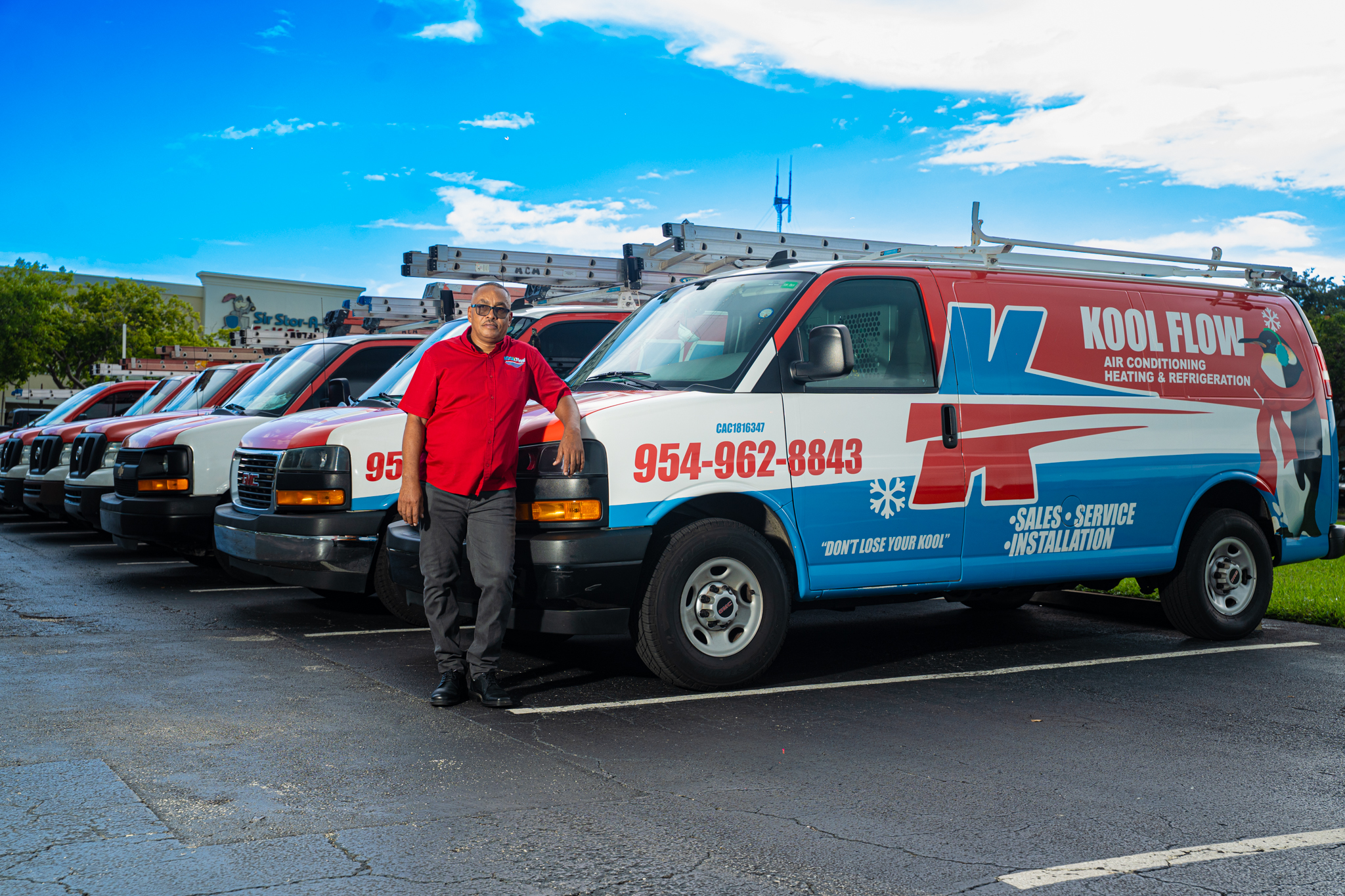
At Kool Flow Inc., we’ve spent over 20 years helping our neighbors across Broward, Miami-Dade, and Palm Beach Counties stay comfortable. As a family-owned business based in West Park, FL, we understand that there is no "one size fits all" answer to the central AC vs ductless mini split for Florida homes debate.
Whether you need the robust, whole-house power of a central system or the high-efficiency, zoned control of a ductless mini-split, we are here to provide honest pricing and reliable service. Your comfort is our priority, and we have the expertise to ensure your home stays a cool sanctuary no matter how high the Florida sun climbs. Ready to upgrade your home's Air Conditioning? Give us a call today!


Hear what our satisfied
clients have to say

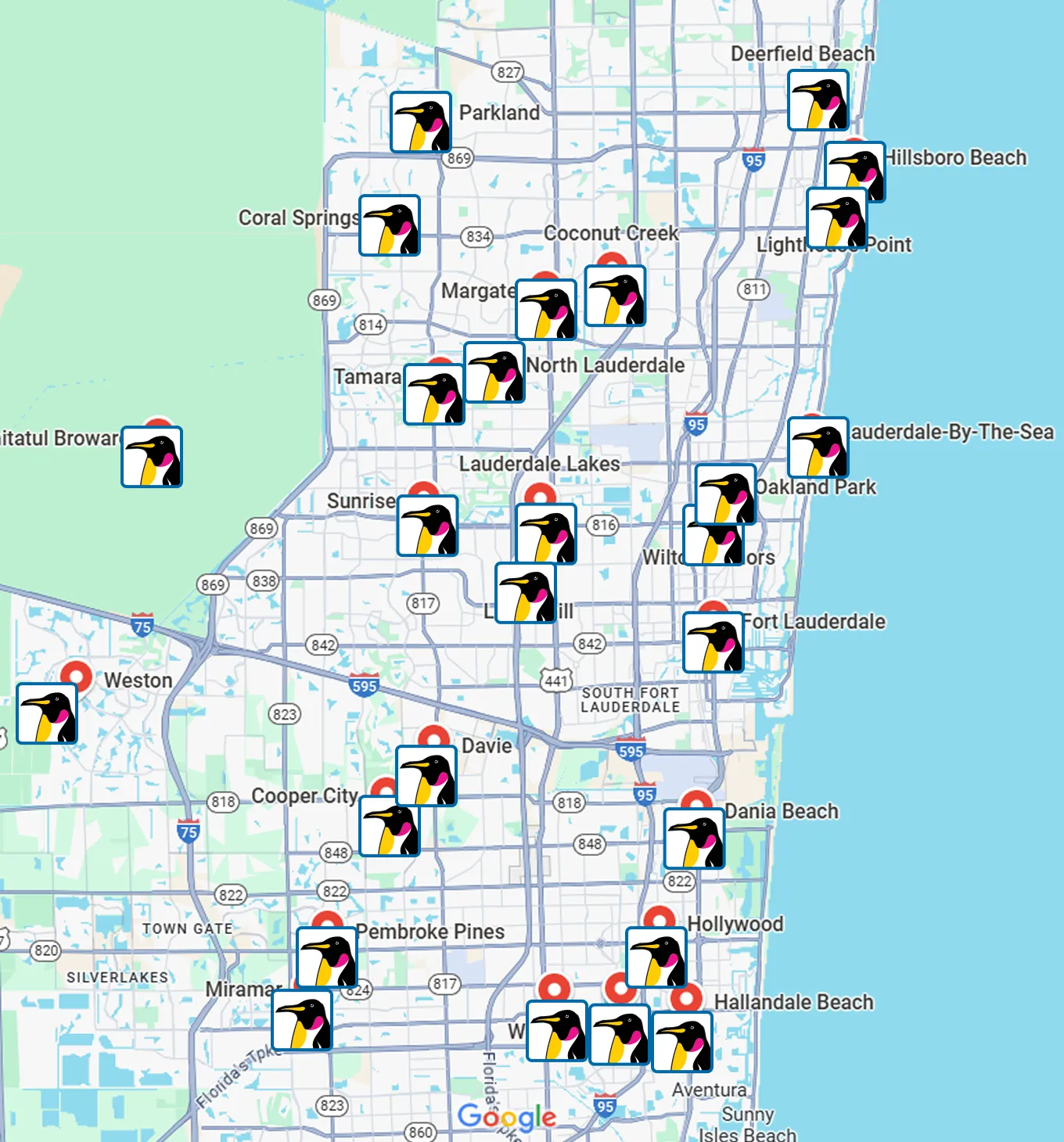
SERVICE AREAS