


Clean Your Coils or Lose Your Cool

Why the Dirty Condenser Coil and AC Performance Connection Matters in South Florida
The dirty condenser coil and ac performance connection is one of the most overlooked reasons South Florida homeowners deal with sky-high energy bills, weak cooling, and unexpected AC breakdowns — especially during the brutal summer months when your system runs almost nonstop.
Here is what you need to know right away:
- Dirty coils block heat release, forcing your AC to work harder and run longer
- Energy bills can rise 16–30% when coils are heavily fouled
- Cooling capacity drops, meaning your home stays warmer than your thermostat setting
- Compressor damage becomes a real risk, since it operates under higher pressure and temperature
- Cleaning a dirty coil can improve efficiency by 21% — raising EER from 7.32 to 8.86 in real-world tests
- South Florida's environment — pollen, salt air, grass clippings, and humidity — makes coils dirty faster than in most other regions
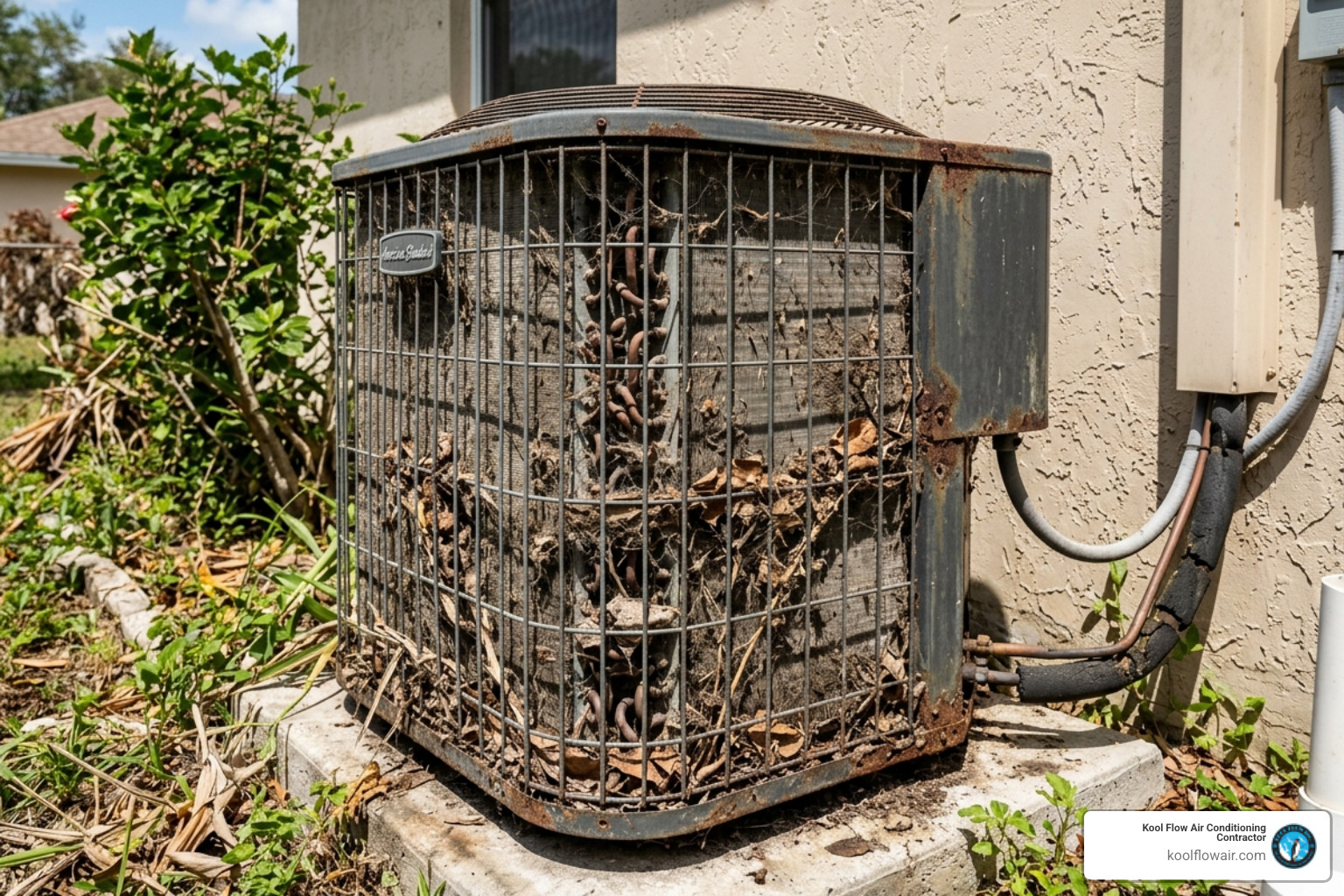
Your AC has two coils doing the heavy lifting. The evaporator coil inside absorbs heat from your home. The condenser coil outside dumps that heat into the outdoor air. When the condenser coil gets coated in grime, it simply cannot release heat fast enough. The refrigerant stays too warm, pressure builds inside the system, and everything downstream suffers.
Think of it like trying to cool yourself down while wrapped in a thick blanket on a hot day. The blanket is the dirt. Your body is the refrigerant. No matter how hard you try, the heat has nowhere to go.
Most homeowners do not notice the problem until the symptoms become hard to ignore — rooms that will not cool down, an AC that runs all day without reaching the set temperature, or a utility bill that jumps without any obvious reason.
Understanding the Dirty Condenser Coil and AC Performance Connection
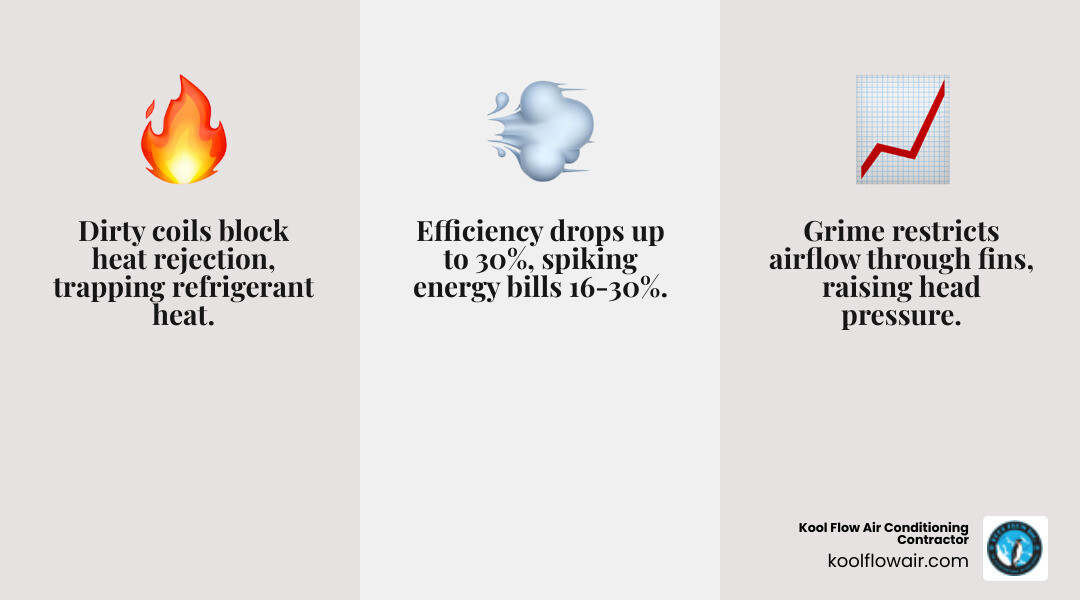
To understand the dirty condenser coil and ac performance connection, we have to look at the science of "heat rejection." Your outdoor unit is essentially a heat exhaust. Its job is to take the heat gathered from your living room in Fort Lauderdale or Hollywood and throw it outside.
When the copper or aluminum fins on that outdoor coil are clean, air flows freely over them, carrying the heat away. However, as dirt accumulates, it creates a "thermal barrier" or an insulating blanket. This layer of grime does two things: it acts as insulation, keeping the heat trapped inside the refrigerant, and it physically blocks the narrow gaps between the fins, restricting airflow.
This leads to a spike in "head pressure." When the refrigerant cannot cool down, the compressor has to pump harder to move the same amount of cooling. This increases the compression ratio, which is a fancy way of saying your system is working at its absolute limit just to provide mediocre cooling.
Real-World Performance Metrics: Clean vs. Dirty
In professional field tests, the difference is staggering. We have seen systems where a simple cleaning transformed a struggling unit into a high-performer.
| Metric | Dirty Coil (Before) | Clean Coil (After) | Improvement |
|---|---|---|---|
| Energy Efficiency Ratio (EER) | 7.32 | 8.86 | 21% |
| Total BTU Capacity | 19,372 | 20,992 | 8.3% |
| Compressor Amperage | 11.4 Amps | 10.3 Amps | 9.6% Lower Stress |
| Condensing Temperature | 125°F | 105°F | 20°F Reduction |
As you can see, the dirty condenser coil and ac performance connection is not just a theory; it is backed by hard data. When we reduce the amperage, we reduce your electricity usage. When we increase the BTUs, your home cools down faster.
To learn more about how our local environment plays a role in this, check out our guide on How South Florida Climate Affects Your HVAC System.
Identifying the Dirty Condenser Coil and AC Performance Connection in Your Home
How do you know if your system is suffering? A visual inspection is the first step. Walk out to your outdoor unit in West Park or Pembroke Pines. If you cannot see the silver or copper color of the metal fins because they are covered in a grey "felt" of dust, you have a problem.
Another sign is fan motor strain. If the fan on top of your outdoor unit sounds louder than usual, or if the air blowing out of the top feels excessively hot (or surprisingly cool because no heat is being transferred), the dirty condenser coil and ac performance connection is likely at play. Over time, this grime can actually "eat" into the aluminum fins, causing them to become brittle and fall apart, a process known as "shedding."
For more tips on what to look for during your own walkthrough, read our AC Maintenance Best Tips Broward County FL.
Why Outdoor Units Attract Grime
In South Florida, our outdoor units are magnets for debris. We live in a lush, humid environment that is perfect for "coil fouling."
- Pollen and Vegetation: Oak trees and local flowers release sticky pollen that acts like glue for other dust.
- Grass Clippings: If your landscaper blows grass toward the unit, those damp clippings stick to the fins instantly.
- Pet Hair: If you have a dog that likes to hang out near the AC, the fan will suck that fur right into the coil.
- Salt Air Corrosion: For our neighbors in Lauderdale-By-The-Sea or Pompano Beach, salt air creates a sticky, corrosive film that traps sand and dust.
- Construction Dust: With all the growth in Miami-Dade and Broward County, fine drywall dust and silica often find their way into residential units.
Because of these factors, we often recommend more frequent cleanings than the national average. You can find a deeper dive into these local challenges in our Broward AC Maintenance Complete Guide.
Signs Your System is Struggling with Dirty Coils
The dirty condenser coil and ac performance connection manifests in several frustrating ways inside your home. It is rarely a sudden "snap" failure; instead, it is a slow decline in comfort.
- Warm Supply Air: You might notice the air coming out of the vents just doesn't feel "crisp" anymore. It feels more like a fan blowing than an air conditioner.
- Rising Utility Bills: If your April 2026 electric bill is significantly higher than last year without a change in habits, your dirty coils are likely the culprit. The system is running longer cycles to compensate for the lack of heat exchange.
- High Indoor Humidity: Because the system is struggling, it may not run long enough or cold enough to properly remove moisture from the air, leaving your home feeling "clammy."
- Icing Up: This is a classic symptom. When the outdoor coil is dirty, it can cause the indoor evaporator coil to freeze over because the refrigerant pressures are completely out of whack.
If you are noticing these signs, it is time to ask: How Often Should You Service Your AC in Florida? Usually, twice a year is the gold standard for our climate.
Long-term Impact of the Dirty Condenser Coil and AC Performance Connection
Ignoring the dirty condenser coil and ac performance connection does more than just make you sweat; it ages your system prematurely. AC units in South Florida already have a shorter lifespan due to the heat. Adding dirty coils to the mix is like red-lining your car's engine every time you drive to the grocery store.
- Component Wear: The fan motor and compressor are forced to run for 18 hours a day instead of 12.
- Warranty Issues: Many manufacturers require proof of annual maintenance to honor warranty claims. If a compressor fails and the technician finds it was caked in three years of dirt, the manufacturer may deny the claim.
- Carbon Footprint: An inefficient AC uses significantly more kilowatt-hours, increasing your home's environmental impact.
When the damage becomes severe, you may face a tough choice. We help homeowners navigate this in our guide: How to Decide Between AC Repair and Replacement.
The Risks of Neglecting Outdoor Coil Maintenance
The most dangerous risk of the dirty condenser coil and ac performance connection is "catastrophic compressor failure." The compressor is the heart of your AC, and it is the most expensive part to replace.
When coils are dirty, the compressor discharge temperature can soar above 225°F. At these temperatures, the specialized oil that lubricates the compressor begins to break down and turn into carbon (sludge). This "acidic" sludge eats away at the motor windings, eventually causing a short circuit or a mechanical seizure.
Furthermore, dirty coils cause "short cycling." The system gets so hot that the internal safety switches shut it down to prevent a fire. Once it cools slightly, it tries to start again. This constant stopping and starting puts immense electrical stress on your home's wiring and the unit's capacitors.
Understanding these risks is vital for longevity. You can read more about How Long Does an AC System Last in South Florida and How to Extend the Life of Your AC in Florida to protect your investment.
Best Practices for Cleaning and Prevention
We believe that prevention is always better (and cheaper) than a 2:00 AM emergency repair. Maintaining a clean system in places like Coral Springs or Davie requires a proactive approach.
- Clear the Area: Keep at least 2 to 3 feet of clearance around your outdoor unit. Trim back hibiscus bushes, palm fronds, and weeds.
- Filter Management: While the condenser is outside, a clogged indoor filter makes the whole system work harder, exacerbating the heat issues at the condenser.
- Annual Rinsing: A gentle rinse with a garden hose can help remove loose dust, but be careful not to use high pressure, which can flatten the delicate fins.
For a full checklist, see our AC Maintenance Fort Lauderdale Tips 2026.
Professional vs. DIY Maintenance
While some homeowners enjoy a DIY project, the dirty condenser coil and ac performance connection often requires a professional touch.
Why? Because "surface dirt" is only half the battle. Dust often gets driven deep into the center of the coil where a garden hose cannot reach. We use specialized alkaline, non-corrosive foaming cleaners that lift the grime from the inside out.
Additionally, we use "fin combs" to straighten any bent metal, ensuring maximum airflow. Most importantly, we handle the electrical safety. Spraying water into a 240-volt electrical cabinet is dangerous if you do not know exactly which components to protect.
If you are looking for the best value, check out the Best AC Maintenance Deals Fort Lauderdale Guide.
Frequently Asked Questions about AC Coils
How often should I clean my condenser coils in Florida?
In South Florida, we recommend a professional cleaning at least once a year. However, if you live near the beach (like in Hillsboro Beach or Hollywood) or have heavy landscaping, a quick rinse every 3 to 6 months is a great habit to get into.
Can dirty coils cause my AC to freeze up?
Yes! It sounds counterintuitive that a "hot" dirty coil outside causes "ice" inside, but it is all about pressure. If the heat cannot be rejected outside, the refrigerant cycle is disrupted, which can cause the indoor evaporator coil to drop below freezing, turning humidity into a block of ice.
Does cleaning coils really lower energy bills?
Absolutely. Real-world data shows that cleaning a heavily fouled coil can drop energy consumption by 16% to 30%. For many South Florida families, that is enough savings to pay for the maintenance visit itself within a single summer.
Conclusion
The dirty condenser coil and ac performance connection is a silent efficiency killer, but it is one that is entirely preventable. By keeping those outdoor fins clear of South Florida's dust, salt, and debris, you ensure your home stays a sanctuary of cool comfort while keeping your hard-earned money in your pocket.
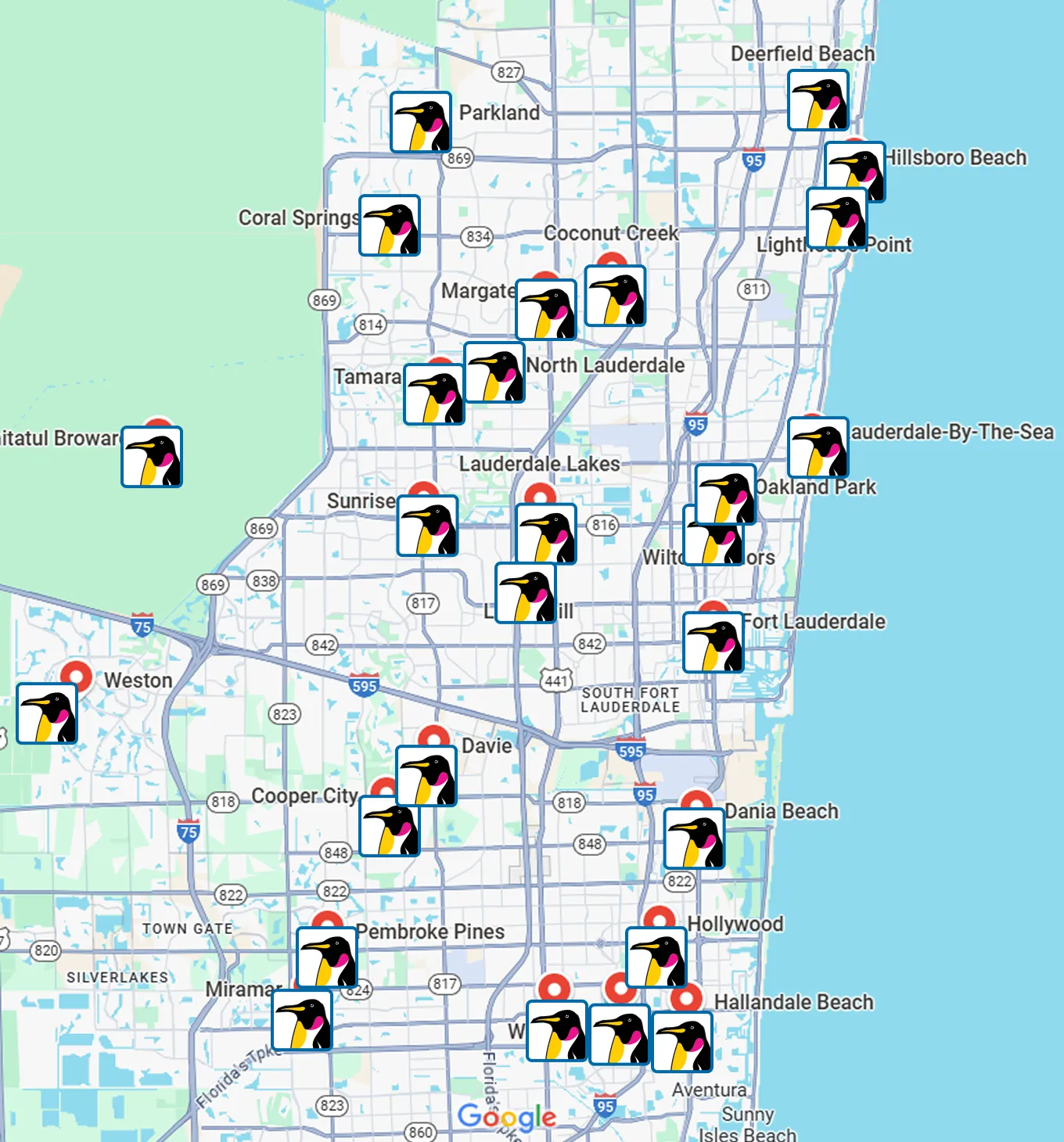
At Kool Flow Air Conditioning Contractor, we have spent over 20 years serving our neighbors from West Park to Wilton Manors. As a family-owned business, we know that honest pricing and reliable cooling are what keep our community going. Our 5-year maintenance plan is designed specifically to take the guesswork out of coil cleaning and system health, ensuring your AC lasts as long as possible in our challenging climate.
Don't wait for your compressor to complain. Schedule your professional air conditioning maintenance today and let us help you keep your cool all year long.


Hear what our satisfied
clients have to say

SERVICE AREAS